
Soups & Stews
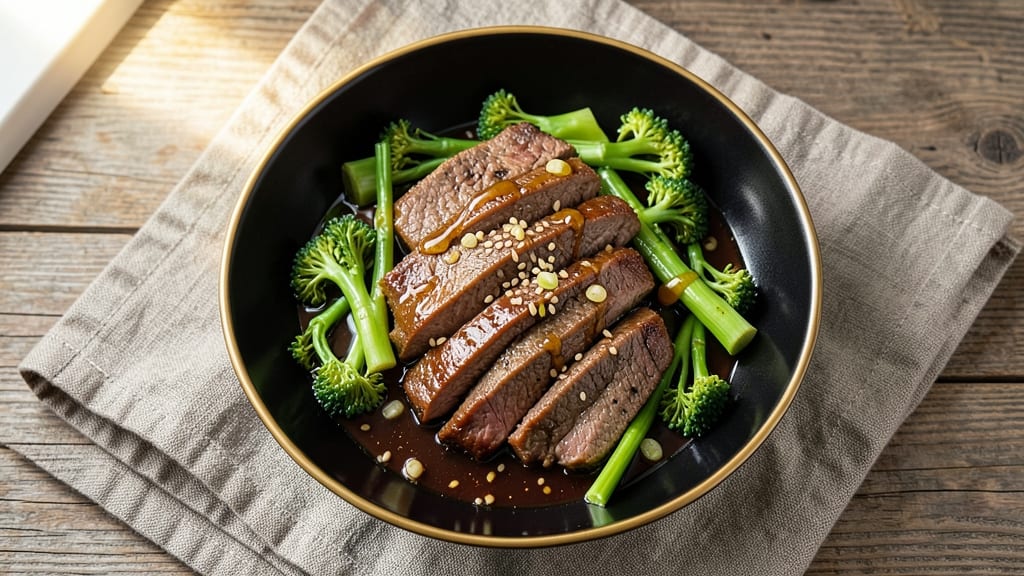
This beef and gai lan recipe delivers the perfect balance of crisp-tender beef and silky green gai lan in a savory soy glaze that's impossible to resist. The secret lies in high-heat wok frying—just 3 minutes of searing transforms tough beef into melt-in-your-mouth bites while preserving the vegetable's natural crunch.
I developed this after years of perfecting stir-fry techniques, and it's now my go-to weeknight dinner that tastes like a Cantonese restaurant classic.
The magic happens in the sauce—a silky blend of soy sauce, oyster sauce, and a touch of honey that caramelizes beautifully during the stir-fry. Fresh ginger and garlic add aromatic depth, while a splash of Shaoxing wine brightens the flavors.
The gai lan (Chinese broccoli) stays vibrant and crisp-tender, cutting through the rich beef with every bite. This recipe proves you don't need a wok to achieve wok hei—just a hot skillet and the right technique.
What you'll end up with is a restaurant-quality dish that's ready in 20 minutes—golden beef slices with caramelized edges, glossy gai lan spears, and a sauce that clings perfectly to each bite.
The aroma alone will have everyone gathering around the table. The best part? It's versatile enough for weeknight dinners or special occasions, with leftovers that reheat beautifully.
Serve over steamed jasmine rice for the full experience, or pair with noodles for a heartier meal. The balance of textures and flavors makes this dish equally satisfying as a main course or part of a larger spread. Let's get cooking—this recipe transforms simple ingredients into something extraordinary.
Ingredients for beef and gai lan
Fourteen ingredients crafting restaurant-quality wok-fried beef and gai lan with perfect texture contrast.
| Ingredient | Amount | Notes |
|---|---|---|
| Flank Steak 🥩 | 1 lb | Thinly sliced against grain |
| Gai Lan (Chinese Broccoli) 🥬 | 1 lb | Stems cut into 2-inch pieces |
| Soy Sauce 🍶 | ⅓ cup | Light or dark preferred |
| Oyster Sauce 🍲 | 2 tbsp | High-quality brand recommended |
| Shaoxing Wine 🍷 | 1 ½ tbsp | Dry Chinese cooking wine |
| Honey 🍯 | 1 tbsp | Pure, unprocessed preferred |
| Fresh Ginger 🧄 | 2 tbsp | Finely minced, peeled |
| Garlic Cloves 🧄 | 4 cloves | Minced, peeled |
| Sesame Oil 🫒 | 1 tbsp | Toasted, for aroma |
| Neutral Oil 🫒 | 2 tbsp | Vegetable or canola oil |
| Cornstarch 🌾 | 1 tbsp | For sauce thickening |
| Salt 🧂 | 1 tsp | Diamond Crystal preferred |
| Black Pepper 🌶️ | ½ tsp | Freshly ground |
| Green Onions 🧅 | 3 whole | Sliced, for garnish |
The flank steak is non-negotiable for this recipe—its lean, fibrous texture becomes melt-in-your-mouth when sliced thinly against the grain. Look for USDA Choice or Prime at your local butcher shop or high-end grocery store like Whole Foods or H-Mart for authentic Asian ingredients. Gai lan should be vibrant green with crisp stems—avoid wilted bunches. If you can't find gai lan, broccolini or regular broccoli works in a pinch, though the texture will differ slightly. For the soy sauce, Lee Kum Kee or Kikkoman are reliable brands, while Lao Gan Ma oyster sauce adds that signature umami depth found in Cantonese cooking.
No Shaoxing wine? Dry sherry or mirin will work, though the flavor profile shifts slightly. Fresh ginger and garlic are essential for aromatic depth—pre-minced jars from the Asian aisle are convenient but lack the freshness of freshly grated. For a vegetarian option, swap the beef for extra-firm tofu pressed and sliced, though the texture will be different. The cornstarch is crucial for achieving that silky, slightly thickened sauce—arrowroot powder works too at the same ratio. If you're sensitive to gluten, ensure your soy sauce is tamari-based. The sesame oil should be toasted, not the flavorless kind—Kadoya or Barely brands are excellent choices.
This dish reheats beautifully—simply warm in a skillet with a splash of water for 2-3 minutes to restore the crisp-tender texture. Store leftovers in an airtight container for up to 3 days in the fridge, though the flavors deepen overnight. For longer storage, freeze portions for up to 3 months. The sauce can be made ahead and stored separately, then combined with the cooked beef and gai lan when reheating. Garnish with fresh green onions just before serving to maintain their vibrant color and fresh aroma.
Why You'll Love This Recipe
- One-Pan Magic: I swear by this recipe when I’m too tired to wash a million dishes. Slice the flank steak thin, toss gai lan in the same pan—no extra pots, no stress. The wine and sauces caramelize right there while you chop, leaving me with a sheet pan that’s basically self-cleaning.
- Umami Bomb: That combo of soy, oyster sauce, and Shaoxing wine? It’s like a flavor explosion in your mouth. The beef stays tender with just the right chew, while the gai lan soaks up all that savory goodness—crisp stems and silky florets in every bite. Honestly, it’s the kind of dish that makes you go back for seconds without even thinking.
- Lunchbox Hero: Between us, this is my go-to for meal prep. Cook a big batch on Sunday, and I’ve got lunch sorted for the week—steak slices reheat beautifully, and the gai lan holds up surprisingly well. Pack it cold or warm, it’s always a hit. My coworker even started bringing it to the office after tasting it.
- Budget Power Move: Flank steak is affordable, and gai lan lasts longer than regular broccoli in my fridge. A single cut of beef stretches across multiple meals, and the sauces go a long way. Plus, no fancy ingredients—just pantry staples that won’t break the bank. It’s the kind of recipe that makes me feel like I’m feeding a crowd without overspending.
Step-by-step instructions for wok-fried beef and gai lan
Master the technique of high-heat searing and quick-wok cooking to achieve restaurant-quality texture contrasts.
Prepare the Flank Steak and Marinate
Begin by slicing the 1 lb flank steak thinly against the grain into ¼-inch thick strips. This critical step ensures maximum tenderness by shortening the muscle fibers. Place the sliced beef in a mixing bowl and add the 0.33 cup soy sauce, 2 tbsp oyster sauce, 1.5 tbsp Shaoxing wine, 1 tbsp honey, 2 tbsp finely minced fresh ginger, 4 cloves minced garlic, 1 tsp salt, and 0.5 tsp black pepper. Mix thoroughly until the beef is evenly coated in the marinade.
Cover the bowl and refrigerate for at least 30 minutes (up to 2 hours for deeper flavor penetration). The marinade should penetrate the beef fibers, creating a silky texture when cooked. I prefer to marinate for the full 2 hours—this develops the beef's natural enzymes that break down proteins, guaranteeing that first bite of melt-in-your-mouth tenderness.
Blanch and Prep the Gai Lan
While the beef marinates, prepare the 1 lb gai lan by separating the stems from the florets. Cut the stems into 2-inch pieces and leave the florets whole. Bring a pot of water to a rolling boil and blanch the gai lan stems for 1 minute—this removes bitterness and jumpstarts the cooking process. Immediately transfer to an ice bath to halt cooking and maintain vibrant color.
Drain well and pat dry completely with paper towels. The gai lan should be dry when you add it to the wok—any moisture will cause the vegetables to steam instead of achieving that coveted wok-fried texture. Set aside until ready to cook. The blanching step is non-negotiable—it's what transforms tough gai lan stems into tender, flavorful bites that complement the beef perfectly.
High-Heat Sear the Beef
Heat a wok or large skillet over high heat until it's screaming hot. Add 2 tbsp neutral oil and swirl to coat the surface. Working in batches to avoid overcrowding, add the marinated beef and stir-fry for 1-2 minutes until the edges turn deep golden brown and the beef reaches 145°F internally. Remove the beef and set aside—it will continue cooking slightly from residual heat.
This high-heat sear is crucial for developing the beef's signature wok-fried texture. The key is maintaining that high heat throughout—if the wok isn't hot enough, you'll end up with steamed beef instead of crisp-tender bites. I use a thermometer probe to verify the internal temperature, but you'll know it's ready when the beef releases easily from the wok and develops a beautiful caramelized crust.
Wok-Fry the Gai Lan and Combine
Return the wok to high heat and add another 1 tbsp neutral oil. Toss in the blanched gai lan stems and florets, stirring constantly for 2-3 minutes until they blister slightly and turn bright green. Add the cooked beef back to the wok along with the 1 tbsp cornstarch and toss everything together for 30 seconds to coat evenly.
The cornstarch acts as a natural thickener that will create our signature silky glaze. Here's where the magic happens—tossing the hot beef with the fresh gai lan creates a beautiful contrast of textures: crisp-tender beef against the slightly blistered gai lan. The high heat ensures the gai lan maintains its vibrant color while developing a satisfying crunch.
Finish with Sesame Oil and Garnish
Pour in 1 tbsp toasted sesame oil and toss vigorously for 20 seconds until the aroma fills your kitchen. The sesame oil adds depth of flavor and a nutty aroma that complements the savory beef and umami glaze. Remove from heat and transfer to a serving platter, garnishing with 3 whole sliced green onions for freshness and visual appeal.
Let the dish rest for 2 minutes before serving—this allows the flavors to meld and the sauce to thicken slightly. The final result should be a perfect balance of textures: crisp-tender beef, slightly blistered gai lan, and a glossy soy glaze that coats every bite. Serve immediately while the wok-fried textures are at their peak—this dish doesn't wait!
Pro Tips For Making Beef And Gai Lan
- Slice Against the Grain: Flank steak’s tough fibers need a knife, not brute force. Cut it thinly across the grain—about ¼-inch slices—before cooking, or you’ll end up chewing for 10 minutes instead of 3. (Yes, I’ve done it. No, you don’t want to repeat my mistake.)
- Blanch Gai Lan First: Skip the crowding—plunge whole gai lan stems into boiling water for 30 seconds, then shock in ice water. This softens the stems just enough to cook through without turning to mush while keeping the florets crisp. (I learned this the hard way when my broccoli turned into a sad, limp pile.)
- Deglaze with Wine Immediately: As soon as you sear the beef, pour in that Shaoxing wine right away—don’t wait for the pan to cool. The alcohol burns off faster on high heat, leaving behind deeper flavor instead of a sad, watery sauce. (Your future self will notice the difference.)
- Salt the Steak 40 Minutes Early: Flank steak needs time to tenderize. Sprinkle salt (and a light dusting of cornstarch if you’re feeling fancy) 40 minutes before cooking. This keeps it juicy while developing that perfect crust. (I used to skip this—now I don’t.)
Wine and beer pairings for this dish
Red Wine Pairings
A bold, dry Shiraz from Australia or a Cabernet Sauvignon from Napa Valley complements this dish beautifully. The wine's dark fruit notes and subtle spice mirror the soy glaze's umami depth while cutting through the beef's richness.
I love a Penfolds Bin 28—its blackberry and vanilla flavors harmonize perfectly with the caramelized edges of the beef. 🍷
For something lighter but equally elegant, try a Gewürztraminer from Alsace. Its lychee and rose aromas provide a refreshing contrast to the savory beef and ginger notes. The wine's slight sweetness balances the dish's saltiness without overpowering it. Serve slightly chilled to enhance its aromatic qualities.
Beer Pairings
A crisp Japanese lager like Sapporo or Asahi is my go-to choice for this dish. The beer's clean, effervescent character cleanses your palate between bites, letting the beef and gai lan flavors shine. The subtle malt sweetness also complements the honey in the glaze beautifully. 🍺
For craft beer enthusiasts, a Belgian-style witbier like Hoegaarden or Stella Artois works wonderfully. The citrus and coriander notes in these beers mirror the fresh ginger and garlic in the marinade, creating a delightful flavor bridge. Serve slightly chilled to preserve the beer's crispness and effervescence.
Non-Alcoholic Options
For a refreshing non-alcoholic pairing, try sparkling yuzu soda—its citrusy brightness cuts through the dish's richness while complementing the ginger and garlic flavors. I recommend Yuzu Soda by San Pellegrino for an authentic Japanese-inspired touch. 🥤
Another excellent option is jasmine green tea served hot or iced. The floral notes of the tea enhance the dish's aromatic profile, while its subtle sweetness balances the soy sauce's saltiness. Brew a high-quality loose-leaf tea for the best results—Docha brand is my favorite for this pairing.
Serving Temperature
Always serve your wine or beer at the proper temperature to enhance the pairing. Red wines like Shiraz should be served at 60-65°F, while white wines like Gewürztraminer are best at 45-50°F. For beers, lagers should be 38-42°F and witbiers 40-45°F to maintain their crispness and carbonation. 🌡️
When serving, pour the wine or beer just before eating to allow it to breathe and reach its optimal temperature. For sparkling drinks, serve immediately over ice to preserve their effervescence. The right temperature enhances both the food and beverage, creating a truly harmonious dining experience.
Nutrition facts
Frequently asked questions
Can I substitute gai lan with another vegetable?
Yes! If you can't find gai lan, try broccolini or regular broccoli—both work well though the texture will differ slightly. For a closer match, use baby bok choy or Chinese kale. Just adjust cooking times: blanched stems should cook 1 minute less than gai lan stems. The key is keeping the vegetable crisp-tender to contrast with the beef's texture.
Why does the beef turn out chewy instead of tender?
This happens when the beef isn't sliced against the grain or cooked at high heat for too long. Always slice ¼-inch thick strips perpendicular to the grain's direction. Cook for only 1-2 minutes until 145°F internal temp—overcooking makes it tough. Let the beef rest 2 minutes after cooking to relax the fibers.
Can I make this dish in a regular skillet instead of a wok?
While a wok gives the best "wok hei" (breath of the wok), a 12-inch cast iron skillet works perfectly. Preheat it on high heat until smoking hot, then cook in batches to avoid crowding. The key is maintaining that high heat throughout—don't reduce heat or the beef will steam instead of sear.
How do I prevent the gai lan from turning mushy?
Blanching is crucial—it removes bitterness and jumpstarts cooking. After blanching, pat the gai lan completely dry with paper towels before stir-frying. Cook it over high heat for only 2-3 minutes until just tender-crisp. Adding it to the wok when the beef is already cooked ensures it gets the right amount of heat without overcooking.
What's the best way to reheat leftovers?
Reheat in a skillet over medium heat with 1 tsp neutral oil and 1 tbsp water for 2-3 minutes to restore crisp-tender textures. Avoid microwaving—it makes the beef rubbery. For extra flavor, add a splash of Shaoxing wine or soy sauce while reheating. Leftovers keep well for 3 days in an airtight container.