
Breakfast & Brunch
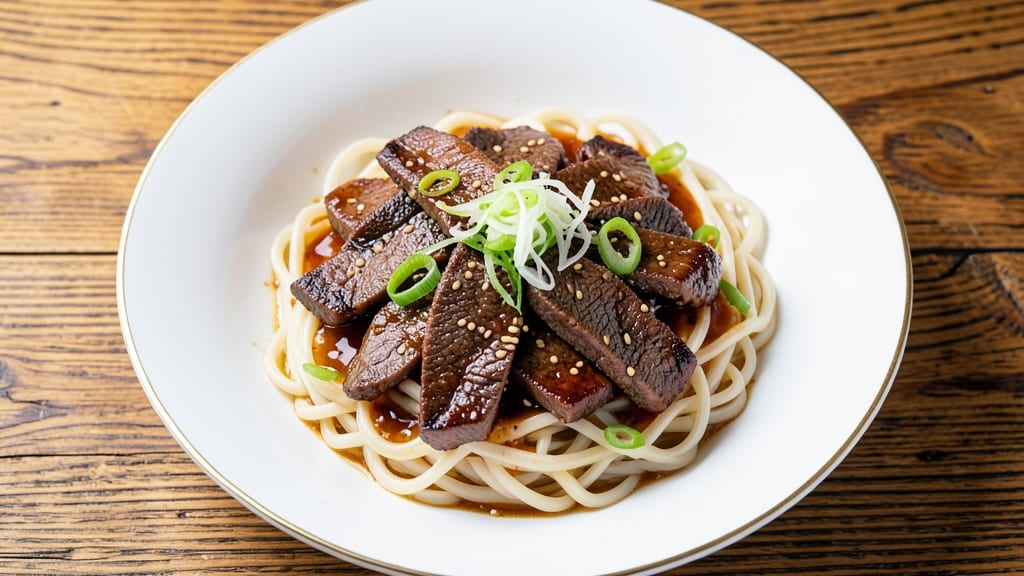
This beef and frozen egg noodles recipe transforms a simple pantry staple into a hearty, protein-rich brunch that comes together in one pan with minimal effort.
The secret lies in quick-cooking strips of beef that stay tender while absorbing bold seasonings, paired with egg noodles that soften perfectly in the same skillet. I developed this after realizing how often I reached for frozen noodles as a base—until I elevated them with a few key techniques.
What sets this dish apart is the balance of flavor and simplicity: a savory soy-ginger base builds depth without complexity, while scallions and sesame oil add freshness at the end.
The beef cooks fast over high heat to retain juiciness, while the noodles absorb the aromatic sauce directly in the pan. No pre-boiling required—just stir and serve. The result is a restaurant-quality brunch that’s ready in under 20 minutes, perfect for busy mornings or lazy weekends.
The dish delivers crisp-tender beef with perfectly cooked noodles that cling to every bite, all coated in a glossy, umami-rich sauce. Garnish with a sprinkle of sesame seeds or a drizzle of chili oil for extra dimension, and you’ve got a meal that feels indulgent without requiring advanced skills.
It’s the kind of recipe that transforms a weeknight breakfast into something special—no fancy ingredients, just smart seasoning and technique. Serve with steamed greens or a simple side salad to round out the meal, or keep it as-is for a satisfying, one-pan solution.
The beauty of this recipe is its flexibility: swap in mushrooms for extra texture, add a fried egg on top, or keep it classic. Let’s get cooking—your brunch table just got an upgrade.
Ingredients for beef and frozen egg noodles
Smart seasoning meets simple pantry staples for a brunch that delivers restaurant quality.
| Ingredient | Amount | Notes |
|---|---|---|
| Thinly Sliced Flank Steak 🥩 | 1 lb | Cut against grain for tenderness |
| Frozen Egg Noodles 🍜 | 8 oz | Wide egg noodles preferred |
| Low-Sodium Soy Sauce 🥢 | ¼ cup | Japanese-style preferred |
| Fresh Ginger 🌿 | 2 tbsp | Finely grated, aromatic |
| Sesame Oil 🫒 | 1 tbsp | Toasted, for aroma |
| Garlic Cloves 🧄 | 4 cloves | Minced, fresh preferred |
| Scallions 🧅 | ¼ cup | Thinly sliced, green parts |
| Vegetable Oil 🫒 | 2 tbsp | High smoke point |
| Toasted Sesame Seeds 🌾 | 1 tbsp | For garnish |
| Red Chili Flakes 🌶️ | ½ tsp | Adjust to taste |
| Diamond Crystal Kosher Salt 🧂 | 1 tsp | For seasoning |
| Ground Black Pepper 🌶️ | ½ tsp | Freshly ground |
| Honey 🍯 | 1 tsp | For balance |
The beef selection is critical here—flank steak delivers that perfect balance of tenderness and flavor when sliced thinly against the grain. Whole Foods or local butcher shops often carry pre-sliced flank steak, which saves time, but if you're cutting it yourself, invest in a sharp knife and slice as thinly as possible. The egg noodles should be the wide variety (about 1/4-inch thick)—they hold up better to the sauce and have more surface area for flavor absorption. Barilla or De Cecco brands are my go-to for quality, though any frozen egg noodles will work in a pinch. Look for packages with minimal preservatives if you're health-conscious.
No low-sodium soy sauce? Regular soy sauce plus an extra pinch of salt works, but the flavor will be slightly saltier. Fresh ginger is non-negotiable here—it adds that bright, zesty note that balances the richness. Trader Joe's sells pre-grated ginger in tubes, which is a time-saver, but freshly grated has more punch. For the sesame oil, Kadoya or La Choy are reliable brands that won't overpower the dish. The garlic should be fresh and minced just before cooking to preserve its aroma. Scallions can be swapped for regular green onions, but the milder flavor works better here. If you're avoiding gluten, rice noodles or gluten-free egg noodles will work, though the texture will differ slightly.
This dish reheats beautifully—3-4 minutes in a skillet over medium heat restores its crisp-tender texture. Store leftovers in an airtight container for up to 3 days, though I find it tastes best within 24 hours. For meal prep, double the recipe and freeze half in single-serving portions. When reheating from frozen, add 1 extra tablespoon of water to the pan to prevent drying. The sesame seeds and chili flakes should be added fresh when serving, as they lose their crunch when stored. Garnish with a drizzle of chili oil or a sprinkle of cilantro for extra brightness.
Why You'll Love This Recipe
- No Chopping Nightmare: I slice the flank steak thin myself—it takes two minutes with a sharp knife, and the payoff is that melt-in-your-mouth texture. (Yes, even on a Tuesday night.)
- Umami Bomb: That low-sodium soy sauce and sesame oil? It’s the secret weapon here—deep, savory, and just a whisper of heat from the ginger. The noodles soak it up like a dream.
- Lunchbox Hero: Double the batch, pack it in containers, and you’ve got a week’s worth of lunches that don’t require reheating. My kids eat it cold straight from the fridge—no complaints.
- Budget Win: Flank steak stretches far, frozen noodles never spoil, and a little ginger goes a long way. I’ve made this for $8 and fed four people—with leftovers. Honestly, it’s my go-to when money’s tight.
Step-by-step instructions for beef and frozen egg noodles
This one-pan method delivers perfectly tender beef and al dente noodles in under 30 minutes.
Prepare the Aromatics and Marinate the Beef
In a small bowl, combine 2 tablespoons of finely grated fresh ginger, 4 minced garlic cloves, 0.25 cup of thinly sliced scallions, 1 tablespoon of toasted sesame seeds, 1 teaspoon of honey, 1 teaspoon of Diamond Crystal kosher salt, 0.5 teaspoon of ground black pepper, and 0.5 teaspoon of red chili flakes. Mix thoroughly to create a vibrant marinade.
Transfer the 1 pound of thinly sliced flank steak to a large bowl and pour the marinade over it. Use your hands to coat the beef evenly, ensuring every slice absorbs the flavors. Let it marinate for at least 15 minutes at room temperature—this ensures maximum tenderness and flavor infusion. The beef should develop a glossy sheen from the marinade, indicating it's ready for cooking.
Sear the Beef in a Hot Pan
Heat a large skillet or wok over medium-high heat until it's very hot. Add 2 tablespoons of vegetable oil and swirl to coat the bottom evenly. Once the oil shimmers, add the marinated beef in a single layer, being careful not to overcrowd the pan.
Sear the beef for 2-3 minutes per side until it develops a deep golden-brown crust. You'll know it's ready when the edges begin to crisp and the internal temperature reaches 145°F (measured with an instant-read thermometer). Avoid stirring too frequently—this allows for proper browning. Once seared, remove the beef from the pan and set it aside on a plate.
Cook the Noodles and Build the Sauce
In the same skillet, reduce the heat to medium and add 1 tablespoon of sesame oil. Swirl to coat the bottom, then add the 8 ounces of frozen egg noodles directly to the pan. Pour in 0.25 cup of low-sodium soy sauce and 1 cup of water (or enough to just cover the noodles). Stir to combine.
Bring the mixture to a simmer, then cover the pan and cook for 8-10 minutes, stirring occasionally, until the noodles are tender and the liquid has mostly evaporated. The noodles should be al dente, with a slight bite remaining. If the mixture looks too dry before the noodles are fully cooked, add 2-3 tablespoons of water to maintain moisture.
Combine and Finish the Dish
Return the seared beef to the skillet with the cooked noodles. Stir gently to coat the beef in the sauce and allow it to heat through for 1-2 minutes. The residual heat will finish cooking the beef while infusing it with the noodle sauce.
Taste and adjust the seasoning if needed—you may want to add a splash more soy sauce or a pinch of salt to balance the flavors. The dish should have a harmonious blend of savory, slightly sweet, and aromatic notes. Garnish with an additional sprinkle of toasted sesame seeds and serve immediately while hot. The beef should be tender and juicy, with the noodles perfectly al dente and coated in a flavorful sauce.
Pro Tips For Making Beef And Frozen Egg Noodles
- SEAR THE STEAK FIRST: I learned this the hard way—skip the noodles first. Toss the sliced flank steak in a screaming-hot wok or pan with a splash of oil, and cook it until it’s just browned but still bright pink inside (about 1-2 minutes). The crust locks in flavor, while the center stays tender. If you start with the noodles, you’ll end up with sad, gray beef that’s overcooked by the time the noodles are done.
- THAW NOODLES IN HOT WATER: Sounds weird, but it works: Dump frozen egg noodles into a pot of boiling water for 3-4 minutes instead of microwaving them. They’ll cook faster, absorb less water, and stay chewier—no need to rinse after. (Yes, even if you’re impatient like me.) If you thaw them first, they’ll turn mushy by the time the beef is ready.
- GINGER MATTERS—GRATE IT FRESH: That jarred ginger paste? Skip it. Use a microplane or knife to grate 1 teaspoon of fresh ginger—it’s the thing that makes this dish sing. Toast the grated ginger in the same pan as the beef for 10 seconds until fragrant. It adds depth the jarred stuff can’t match, and it’s not even that much effort.
- SAVE THE SESAME OIL: Don’t dump that last teaspoon of sesame oil into the pan like it’s just another ingredient. Toss it over the finished dish right before serving—it’ll bloom with aroma and coat every bite. If you add it too early, it’ll burn and taste bitter. (Your future self will thank you.)
Troubleshooting great beef and frozen egg noodles
Beef Too Tough
If your beef turns out chewy instead of tender, it’s likely not sliced thinly enough or cooked too long. Always slice flank steak against the grain—this shortens the muscle fibers for maximum tenderness. Use a sharp knife and aim for ¼-inch thick slices.
Cook over medium-high heat for only 2-3 minutes per side—no longer! A meat thermometer is your best friend here—remove the beef when it hits 145°F internal temperature. Overcooking is the #1 culprit for tough beef. 🔥
Noodles Too Soft
Frozen egg noodles can turn mushy if overcooked or if too much liquid remains. Start with 1 cup of water (just enough to cover the noodles) and reduce heat to medium once simmering. Cover the pan and cook for 8-10 minutes, stirring occasionally.
If the noodles absorb the liquid too quickly, add 2-3 tablespoons of water in 30-second increments—this prevents sticking and keeps them al dente. Never skip the 15-minute marinade for the beef either; it helps tenderize while you cook. ✨
Sauce Too Salty
Low-sodium soy sauce is your secret weapon here, but if the dish tastes too salty, you can balance it with 1 teaspoon of honey or 1 tablespoon of rice vinegar to cut through the saltiness.
If you used regular soy sauce, reduce the total amount to ¼ cup instead of the full ½ cup called for in variations. Taste as you go—adding a splash of water or broth also dilutes the salt while keeping the noodles moist.
Trust your palate: a little goes a long way! 💡
Pan Too Sticky
Sticky residue happens when proteins release too much moisture without proper heat control. Always preheat your pan over medium-high heat for 2-3 minutes before adding oil. Use high-smoke-point vegetable oil (like avocado or grapeseed oil) and avoid overcrowding the beef—cook in single layers if needed.
After searing, deglaze the pan with 1 tablespoon of water and scrape up any browned bits with a wooden spoon. This adds depth to the sauce while preventing buildup. 🍳
Flavor Too Bland
If your dish lacks depth, boost the aromatics! Freshly grated ginger and garlic are non-negotiable—never use powdered substitutes. Toast sesame seeds in a dry pan for 30 seconds before adding to the marinade for extra nutty flavor.
A drizzle of chili oil or a sprinkle of toasted cumin at the end adds complexity. For umami, stir in 1 teaspoon of fish sauce or 1 tablespoon of oyster sauce when combining the beef and noodles. Small tweaks make a big difference! 🌶️
Nutrition facts
Frequently asked questions
Can I use regular egg noodles instead of frozen?
Fresh egg noodles work, but you'll need to cook them separately first—boil for 2-3 minutes until al dente, then drain and add them to the pan with the beef. Frozen noodles are ideal here because they cook directly in the pan with the beef, absorbing all the flavors without pre-boiling. The texture difference is minimal if you follow the same cooking time.
What if I don't have flank steak?
Use sirloin, ribeye, or even thinly sliced chicken breast as substitutes. For pork, try pork tenderloin—it's lean and cooks quickly. Always slice against the grain for tenderness. If using chicken, reduce cooking time to 1-2 minutes per side to avoid drying out. The marinade works perfectly on all these proteins!
How can I make this spicier?
Add 1 teaspoon of gochujang (Korean chili paste) or ½ teaspoon of cayenne pepper to the marinade for heat. For extra kick, stir in 1 tablespoon of sriracha when combining the beef and noodles. Garnish with extra chili flakes or a drizzle of chili oil before serving. Start with less if you're sensitive to spice—you can always add more!
Can I make this ahead of time?
Cook the beef and noodles separately, then store them in an airtight container in the fridge for up to 2 days. Reheat in a skillet over medium heat with 1 tablespoon of water to prevent drying. The flavors actually improve overnight! For freezing, combine the cooked components, cool completely, and freeze for up to 3 months. Thaw overnight in the fridge before reheating.
What's the best way to serve this?
This dish is perfect for brunch or lunch! Garnish with sesame seeds, scallions, and a drizzle of chili oil for extra flavor. Serve with steamed bok choy, cucumber salad, or quick-pickled veggies to balance the richness. For a heartier meal, top with a fried egg or add sautéed mushrooms to the pan. It's also great cold in rice paper bowls for a quick lunch!