
Soups & Stews
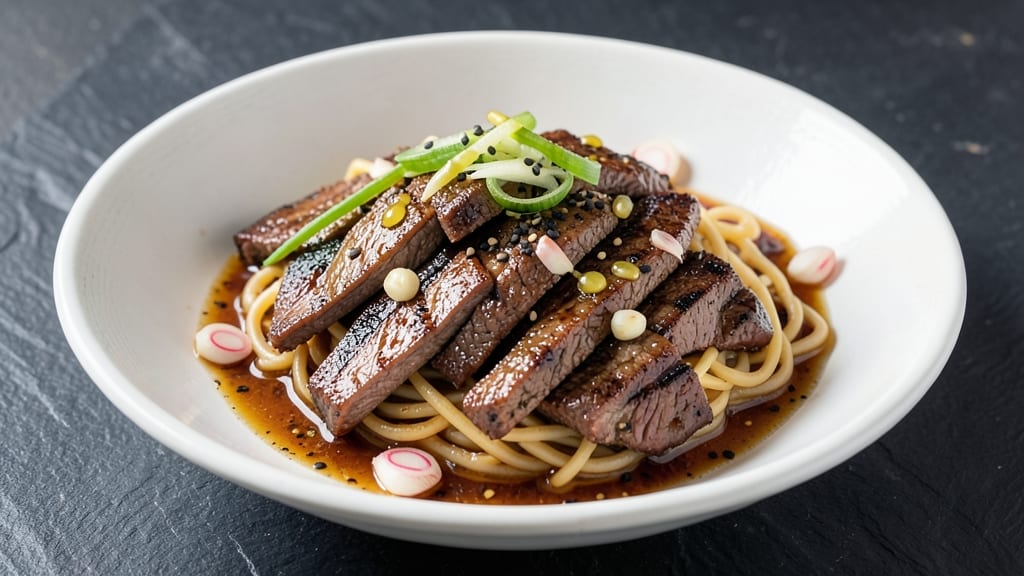
This beef and frozen noodles recipe delivers restaurant-quality comfort in just 20 minutes—no pre-cooking required. The secret lies in stir-frying tender beef strips until caramelized, then combining everything in one pot with high-heat broth and frozen noodles that absorb flavor perfectly.
I developed this after realizing most quick noodle dishes lack depth, so I added garlic, ginger, and a splash of soy sauce to elevate the simple concept.
The one-pot method ensures minimal cleanup while maximizing flavor. You'll start with searing beef over high heat to develop a rich crust, then add aromatics that infuse the broth as it simmers. The frozen noodles cook directly in the beefy liquid, absorbing all the savory goodness without turning mushy.
This technique transforms a basic meal into something hearty and satisfying, perfect for weeknights when you need dinner fast but still want to impress.
What you'll end up with is a steaming bowl of tender beef, perfectly cooked noodles, and a flavorful sauce that coats every bite. The dish balances protein, carbs, and umami in a way that feels both comforting and restaurant-worthy.
The best part? It's ready in under 20 minutes, making it ideal for busy evenings when you don't want to sacrifice quality for convenience.
Serve with a side of steamed vegetables or a simple green salad to round out the meal. The combination of textures—chewy noodles, tender beef, and a light broth—creates a satisfying dish that's easy to customize.
Whether you're feeding a family or cooking for one, this recipe delivers warmth and flavor without the fuss.
Ingredients for beef and frozen noodles
Quick grocery run plus pantry staples—this beef and noodles recipe delivers restaurant-style depth in record time.
| Ingredient | Amount | Notes |
|---|---|---|
| Flank Steak 🥩 | 1 lb | Thinly sliced against grain |
| Frozen Egg Noodles 🍜 | 12 oz | Any shape preferred |
| Low-Sodium Beef Broth 💧 | 2 cups | Homemade or high-quality store-bought |
| Soy Sauce 🍶 | 2 tbsp | Light or dark variety |
| Garlic Cloves 🧄 | 4 cloves | Minced for aromatic depth |
| Fresh Ginger 🌿 | 1 tbsp | Finely grated, peeled |
| Sesame Oil 🫒 | 1 tbsp | Toasted for aroma |
| Vegetable Oil 🫒 | 2 tbsp | High smoke point preferred |
| Green Onions 🧅 | 2 whole | Sliced, white and green parts |
| Diamond Crystal Kosher Salt 🧂 | 1 tsp | Adjust to taste |
| Ground Black Pepper 🌶️ | ½ tsp | Freshly cracked |
| Sesame Seeds 🌾 | 1 tsp | Toasted for garnish |
| Red Pepper Flakes 🌶️ | ½ tsp | Optional for heat |
| Cornstarch 🌾 | 1 tbsp | For thickening sauce |
The beef is where this dish shines. Flank steak is perfect—cheaper than sirloin but still tender when sliced thin. Costco or Whole Foods carry pre-sliced versions for convenience, but if you're slicing yourself, cut against the grain for maximum tenderness. Fresh ginger and garlic are non-negotiable here—they build the aromatic base that transforms this into something special. For the noodles, frozen egg noodles work best (they hold up better than wheat), but any frozen noodle shape will do. The beef broth should be low-sodium so you can control the salt level—homemade is ideal, but Swanson or Pacific Foods brands are solid store-bought options.
No fresh ginger? Ground ginger at half the amount works in a pinch, but you'll lose that bright zing. Running low on sesame oil? Toasted peanut oil adds a similar nuttiness. The cornstarch is your secret weapon—it thickens the sauce beautifully without making it gluey. For extra umami, add 1 tbsp fish sauce (if not avoiding it) or an extra splash of soy sauce. The red pepper flakes are optional but recommended—they add just enough heat to balance the richness. If you're serving this to kids, skip them entirely and add a sprinkle of sweet paprika instead for color.
This dish reheats beautifully—honestly better the second day as flavors meld. Store leftovers in an airtight container for up to 4 days. For meal prep, divide into portions and freeze for up to 3 months. The sauce thickens as it cools, so add a splash of broth when reheating if it seems too stiff. Garnish with toasted sesame seeds and sliced green onions right before serving—they add freshness that cuts through the richness. Double the recipe if you're feeding a crowd; it scales perfectly.
Why You'll Love This Recipe
- Here’s what sold me: this meal reheats like a dream. Pack the leftovers in containers, and your kids (or you) can grab it cold or microwave it at work. My daughter picks out the noodles first thing—no complaints, just seconds. (Yes, even on a Tuesday night.)
- No Pantry Fuss: I swear by this recipe because it uses what’s already in my fridge. Flank steak slices, a bag of frozen egg noodles, and a few pantry staples—no fancy ingredients, no last-minute grocery runs. Honestly, I’ve made it three times this month with whatever I had on hand.
- Umami Bomb: That low-sodium beef broth and soy sauce combo? It’s where the magic happens. The garlic sizzles in the pan, the beef gets tender and caramelized, and suddenly you’ve got a dish that tastes like it simmered for hours—not just 20 minutes. Between us, the first bite always makes me pause.
- Lunchbox Hero: Here’s what sold me: this meal reheats like a dream. Pack the leftovers in containers, and your kids (or you) can grab it cold or microwave it at work. My daughter picks out the noodles first thing—no complaints, just seconds. (Yes, even on a Tuesday night.)
Step-by-step instructions for beef and frozen noodles
Here's how to create a flavorful, protein-rich dish in your skillet without any fuss.
Prep and Sear the Flank Steak
Slice the 1 lb flank steak thinly against the grain into ¼-inch thick strips. This ensures tender bites that cook quickly. Heat 2 tablespoons vegetable oil in a large skillet over medium-high heat until shimmering. Add the steak strips in a single layer and sear undisturbed for 2-3 minutes until they develop a deep golden-brown crust.
Here's the thing—don't overcrowd the pan. If you need to work in batches, that's fine, but each batch should get that proper sear. Once the steak is browned on both sides (about 3-4 minutes total), remove it to a plate and set aside. The residual heat will keep it warm while you build the sauce.
Build the Aromatic Base
In the same skillet (no need to wipe it clean—those browned bits are flavor gold), reduce heat to medium and add 4 minced garlic cloves and 1 tablespoon finely grated fresh ginger. Sauté for 30-45 seconds until fragrant—you should smell that bright, zesty aroma. Be careful not to burn the garlic; it turns bitter quickly.
Add 2 tablespoons soy sauce and 2 cups low-sodium beef broth to the skillet. Stir to deglaze, scraping up any stuck-on bits from the seared steak. Bring to a gentle simmer and let it reduce slightly for 2 minutes until the liquid thickens just enough to coat the back of a spoon.
Thicken the Sauce and Add Noodles
In a small bowl, whisk together 1 tablespoon cornstarch with 2 tablespoons water to create a smooth slurry. Slowly pour this into the simmering broth while stirring constantly. The sauce will thicken dramatically within 1-2 minutes—this is your signal to add the 12 oz frozen egg noodles directly to the skillet.
I know it seems weird to add frozen noodles straight from the package, but trust me—this one-pot method works perfectly. Stir the noodles into the sauce and cook for 5-6 minutes, stirring occasionally, until they're tender and the sauce has fully absorbed. The noodles should be al dente, not mushy.
Finish with Flavor and Garnish
Return the seared steak strips to the skillet and toss everything together. Add 1 tablespoon toasted sesame oil and stir to combine. Taste and adjust seasoning with 1 teaspoon Diamond Crystal kosher salt and ½ teaspoon freshly cracked black pepper. If you like a little heat, sprinkle in ½ teaspoon red pepper flakes now.
Divide the beef and noodles among four bowls. Garnish each serving with ½ whole sliced green onion and a sprinkle of 1 teaspoon toasted sesame seeds. The sesame seeds add a delightful nutty crunch that contrasts beautifully with the tender beef and chewy noodles. Serve immediately while piping hot!
Pro Tips For Making Beef And Frozen Noodles
- Slice Steak Against the Grain: The flank steak’s fibers run long—cutting perpendicular to them shortens the chew. Use a sharp knife and slice after it rests, not before. I used to ignore this and ended up with tough, stringy bites that needed extra chewing. Trust me, the difference is night and day.
- Boil Noodles Separately: Frozen egg noodles release starch like crazy when cooked in broth. Boil them in salted water first, drain, then toss with the beef and sauce. This keeps the sauce from turning gluey and lets you control the texture—al dente or soft, your call. (Yes, it’s an extra pot, but your dish will thank you.)
- Sear Steak in Two Batches: A crowded pan steams instead of sears, and flank steak needs that crust. Cut the steak into strips first, then cook half, set aside, and repeat. Your pan won’t get soggy, and the beef will brown properly. I learned this after my first batch came out pale and bland—don’t make my mistake.
- Deglaze with Cold Broth: After searing the garlic and beef, let the pan cool for 30 seconds, then add cold low-sodium beef broth. The sudden temperature change lifts stuck-on bits and keeps the sauce from curdling. Warm it up slowly—no splattering, no stress. (Pro move: Use a splash of soy sauce here too for depth.)
Wine and beer pairings for this beef and frozen noodles
Rich Red Wine
A bold Cabernet Sauvignon from Napa Valley or a robust Chianti from Tuscany complements the beef's deep umami flavors beautifully. The tannins in these wines cut through the richness, cleansing your palate between bites.
I love pairing this dish with a 2018 Apothic Red—its dark fruit notes and smooth finish enhance the savory beef without overpowering the dish. 🍷
Light Beer Options
For beer lovers, a crisp German Helles Lager like Augustiner Helles balances the dish's heartiness with its clean, malty profile. Alternatively, a Japanese Sapporo offers a slightly sweeter contrast that pairs well with the soy sauce's depth. Avoid heavy stouts or IPAs—they can overwhelm the delicate noodle texture.
Asian-Inspired Sake
Warm junmai sake at room temperature adds an authentic touch to this dish's Asian-inspired flavors. Look for a dry junmai like Dassai 23, which enhances the ginger and garlic notes while complementing the beef's richness. Serve it in small cups alongside your meal for sipping between bites. 🍶
Creamy White Wine
If you prefer white wine, a Chardonnay with noticeable acidity—like La Crema Sonoma Coast—works surprisingly well. The wine's citrus notes brighten the dish, especially when paired with the sesame oil's nuttiness. Avoid oaky Chardonnays, as they can clash with the dish's simplicity. 🍷
Non-Alcoholic Pairings
For a non-alcoholic option, try sparkling yuzu soda or hibiscus iced tea. The citrusy effervescence of yuzu soda cleanses your palate, while the tartness of hibiscus tea balances the dish's savory depth. Both options keep the meal refreshing without competing with the beef's flavors. 💧
Nutrition facts
Frequently asked questions
Can I use any type of frozen noodles for this recipe?
Egg noodles work best because they hold up well to the cooking process, but you can use any frozen noodle shape like spaghetti or lo mein noodles. Avoid wheat-free or gluten-free varieties unless you're accommodating dietary needs—they may require longer cooking times. For best texture, stick with egg noodles if possible.
How do I prevent the beef from becoming tough?
Slice the flank steak thinly against the grain—this cuts through muscle fibers for maximum tenderness. Sear it over medium-high heat for just 2-3 minutes per side until browned but still pink inside. Overcooking is the enemy here! The residual heat will finish cooking it when you return it to the skillet at the end.
What if I don't have cornstarch for thickening?
Use 1 tablespoon all-purpose flour mixed with 2 tablespoons water instead. Whisk it into the simmering broth and cook for 1-2 minutes until thickened. For a gluten-free option, try arrowroot powder at the same ratio. The sauce will still coat the noodles beautifully without altering the flavor.
Can I make this recipe in a slow cooker?
Brown the beef first, then add all ingredients except the sesame oil and garnishes to your slow cooker. Cook on low for 3-4 hours or high for 1.5-2 hours until the noodles are tender. Stir occasionally and add a splash of broth if needed. Finish with sesame oil and garnishes before serving.
How do I store leftovers?
Let the dish cool completely, then transfer to an airtight container and refrigerate for up to 4 days. For freezing, portion into meal-sized containers and store for up to 3 months. When reheating, add a splash of broth or water to loosen the sauce—it thickens as it cools. Microwave for 1-2 minutes or reheat on the stovetop over medium heat.