
Main Courses
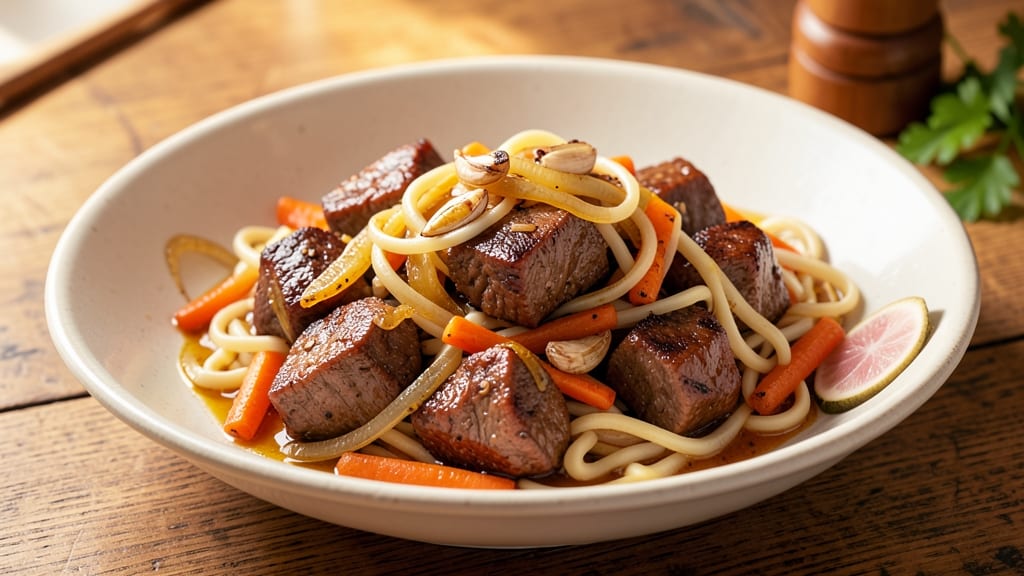
This one-pot beef and noodles recipe transforms a simple stove-top meal into a hearty, restaurant-worthy dinner with minimal effort. The secret lies in tenderizing the beef with aromatics while the noodles cook directly in the same pot, creating a rich, flavorful broth that coats every bite.
I developed this method after years of perfecting the balance between tender beef and al dente noodles—no overcooking, no soggy pasta, just a perfectly harmonized dish.
What sets this recipe apart is its efficiency: one-pot, stove-top only, and ready in under 45 minutes. The beef breaks down into melt-in-your-mouth tenderness while the broth simmers into a savory, umami-rich base.
You won’t need fancy techniques—just a few pantry staples, a sharp knife, and patience for the slow simmer that builds deep flavor. The result? A comforting, protein-packed meal that’s as satisfying as it is simple.
By the time you’re done, you’ll have a steaming pot of tender beef, perfectly cooked noodles, and a sauce thick enough to cling to every strand. The aroma alone will have everyone at the table asking what’s for dinner.
This dish works as a weeknight staple or a cozy weekend meal—equally impressive whether served with a sprinkle of green onions or a side of steamed vegetables.
The beauty of this recipe is its versatility. Swap in different vegetables like bell peppers or mushrooms for extra texture, or adjust the seasoning to your taste.
Leftovers reheat beautifully, making it a perfect meal prep option. Let’s get cooking—this foolproof one-pot method ensures dinner on the table without the mess.
Ingredients for beef and noodles recipe stove top
The secret to tender beef and perfect noodles lies in these simple, flavor-packed ingredients.
| Ingredient | Amount | Notes |
|---|---|---|
| Chuck Roast 🥩 | 1 ½ lb | Pre-cubed or cut into 1-inch pieces |
| Egg Noodles 🍝 | 8 oz | Medium width, uncooked |
| Yellow Onion 🧅 | 1 whole | Medium size, sliced thin |
| Carrots 🥕 | 2 medium | Peeled, sliced into rounds |
| Garlic Cloves 🧄 | 4 cloves | Minced for depth of flavor |
| Fresh Ginger Root 🌿 | 1 inch | Peeled, thinly sliced |
| Beef Broth 💧 | 3 cups | Low-sodium preferred |
| Dry Sherry 🍷 | ¼ cup | Or substitute with beef broth |
| Soy Sauce 🥢 | 2 tbsp | Light or dark variety |
| Sesame Oil 🫒 | 1 tbsp | For finishing aroma |
| Cornstarch 🌾 | 1 tbsp | For thickening sauce |
| Green Onions 🧅 | 2 whole | Sliced for garnish |
| Kosher Salt 🧂 | 1 ½ tsp | Diamond Crystal preferred |
| Black Pepper 🌶️ | ½ tsp | Freshly ground |
The chuck roast is non-negotiable here—it's the only cut that truly tenderizes during the slow simmer. Costco sells it pre-cubed, which saves time, but if you're buying a whole roast, ask the butcher to cut it into 1-inch pieces. For the noodles, Barilla or De Cecco egg noodles hold up best—they're sturdy enough to cook directly in the broth without turning mushy. The carrots should be firm and bright orange; organic baby carrots from the store work great if you're in a hurry. Fresh ginger is ideal, but if you can't find it, ground ginger at half the amount will do in a pinch.
No sherry? Extra beef broth or a splash of balsamic vinegar keeps the depth of flavor. Soy sauce adds umami, but if you're watching sodium, low-sodium soy sauce or coconut aminos work just as well. The sesame oil is purely for aroma—don't skip it, but add it at the very end so it doesn't cook off. For the cornstarch slurry, use cold water to avoid lumps. The green onions? Fresh is best, but frozen chopped works if you're in a bind—just thaw and drain them first.
This dish tastes even better the next day—honestly, the flavors meld into something magical. Store leftovers in the fridge for up to 4 days, or freeze portions for 3 months. I like to portion it into meal prep containers so I can grab a ready-to-reheat lunch. The broth reduces slightly when refrigerated, so add a splash of water when reheating if it's too thick. Garnish with extra green onions right before serving—it makes all the difference.
Why You'll Love This Recipe
- One-Pot Simplicity: I swear by this recipe when I’m too tired to wash a second pan. Chuck roast and noodles cook together—no extra bowls, no fuss—just a single pot where everything melds into rich, saucy perfection.
- Garlic-Kissed Richness: That moment when the garlic starts to sizzle and the onions caramelize? Pure magic. The chuck roast gets tender and deep, while the egg noodles soak up all the savory, slightly sweet broth—like a hug in a bowl.
- Budget-Friendly Feast: A pound of chuck roast and a bag of noodles feed my family for days. Honestly, it’s my go-to when groceries feel tight, but the flavor never feels cheap—just honest, hearty comfort.
- Leftovers That Beg for More: The second day is almost better. The beef gets even more tender, the noodles soak up extra flavor, and I find myself sneaking bites straight from the fridge. (Yes, even on a Tuesday night.)
Step-by-step instructions for one-pot beef and noodles
Here's how to create a rich, flavorful beef and noodles dish in one pot—tender beef and perfectly al dente noodles every time.
Sear the Chuck Roast for Deep Flavor
Cut the 1.5 lb chuck roast into 1-inch cubes and pat them dry with paper towels. Heat a large, heavy-bottomed pot or Dutch oven over medium-high heat and add 1 tablespoon of the sesame oil. Once shimmering, add the beef in a single layer, letting it sear undisturbed for 2-3 minutes until deeply browned on all sides.
This searing step is critical—it develops the Maillard reaction, creating that deep, meaty flavor that forms the base of your dish. Don't crowd the pan; work in batches if needed. Once all the beef is nicely browned, remove it from the pot and set it aside temporarily.
Build the Aromatic Base
In the same pot, add 1 tablespoon of the remaining sesame oil and reduce heat to medium. Add the sliced 1 whole yellow onion and 2 medium carrots, cooking for 4-5 minutes until they begin to soften and turn golden. Stir occasionally to prevent burning.
Next, add the 4 cloves minced garlic and 1 inch peeled, thinly sliced fresh ginger root, cooking for 30 seconds until fragrant. Here's the thing—ginger burns quickly, so keep an eye on it. If it starts to darken, reduce heat slightly and give it a quick stir.
Deglaze and Simmer the Beef
Pour in the 0.25 cup dry sherry and scrape up any browned bits from the bottom of the pot with a wooden spoon. This deglazing step captures all the flavor you've built so far. Let the sherry simmer for 2-3 minutes until it reduces by half, then add the 3 cups beef broth, 2 tablespoons soy sauce, 1.5 teaspoons kosher salt, and 0.5 teaspoon black pepper. Stir well to combine.
Return the seared beef to the pot and bring everything to a gentle boil. Once boiling, reduce heat to low, cover the pot, and let it simmer for 45-60 minutes. You're looking for the beef to become fork-tender—when it pulls apart easily with minimal resistance. Check occasionally and add a splash of water if the liquid reduces too much.
Cook the Noodles to Al Dente Perfection
About 15 minutes before the beef is fully tender, add the 8 ounces egg noodles to the pot. Stir gently to coat them in the flavorful broth. The noodles should cook directly in the pot, absorbing all that delicious beef liquid. Cook for 8-10 minutes, stirring occasionally, until the noodles are al dente—firm to the bite with a slight resistance.
Here's the trick: if the noodles finish cooking before the beef is tender, simply cover the pot and let the beef continue cooking in the broth. The residual heat will keep everything warm while the beef finishes. If the beef is done before the noodles, you can always add a splash of hot water to the pot to help cook the noodles through.
Thicken the Sauce and Finish
Once the beef is tender and the noodles are al dente, remove the pot from heat. In a small bowl, whisk together the 1 tablespoon cornstarch with 2 tablespoons of the beef broth to create a slurry. Slowly pour the slurry into the pot while stirring constantly. Return the pot to low heat and let it simmer for 2-3 minutes until the sauce thickens to a glossy consistency.
Give everything a final taste and adjust seasoning if needed—maybe a touch more soy sauce for umami or a pinch of salt if the broth tastes flat. Stir in the 2 whole sliced green onions and drizzle with any remaining sesame oil for a fragrant finish. Serve immediately, garnished with extra green onions if desired.
Pro Tips For Making Beef And Noodles Recipe Stove Top
- SEAR THE ROAST IN BATCHES: I learned this the hard way—trying to brown a whole chuck roast at once just makes a greasy mess. Cut it into 1-inch chunks first, then work in two batches over medium-high heat with 1 tablespoon oil. The crust forms faster, and you won’t end up with a pool of beef fat.
- SWEAT ONIONS LOW AND SLOW: After burning three batches, I finally figured out: onions need patience. Cook them over low heat for 8-10 minutes until translucent, stirring occasionally. Rushing this step turns them bitter—no one wants mushy, burnt onions in their noodles.
- SALT THE NOODLES AFTER COOKING: I skip this when I’m lazy, but the dish is noticeably better when I don’t. Toss cooked egg noodles with a pinch of salt after draining—they’ll absorb flavor better than if you salt the water. (Yes, even if the package says otherwise.)
- DEGLAZE WITH BEER OR BROTH: Does it look weird? Yes. Does it work? Every single time. After browning the beef, splash in ½ cup of beer (or broth) and scrape the fond off the pan—it’s packed with flavor. Skip the wine unless you’re making beef bourguignon.
Serving suggestions for leftovers
Garnish Game-Changers
Freshly sliced green onions are a must—chop the whites and greens separately for a pop of color and freshness. I like to sprinkle them on top right before serving, as the heat from the dish makes them wilt slightly, releasing their bright flavor.
For extra texture, add toasted sesame seeds (just dry-toast 1 tbsp in a pan for 1-2 minutes) or crushed red pepper flakes if you want a hint of heat. 🌱
Side Dish Pairings
A simple steamed bok choy or baby spinach adds a fresh, crisp contrast to the rich beef and noodles. I often serve it with a drizzle of chili oil or a sprinkle of toasted black sesame seeds for extra flavor.
For heartier sides, consider garlic roasted potatoes or a quick cucumber salad with rice vinegar and sesame seeds.
Bread for Soaking
Crusty baguette slices or steamed bao buns are perfect for soaking up the flavorful sauce. Toast the baguette lightly and serve on the side, or use the bao buns to scoop up noodles and beef for a handheld meal.
If you're feeling fancy, try wonton strips—they add a delicate, crispy element that pairs beautifully with the dish.
Drink Pairings
A crisp green tea or jasmine tea complements the dish’s savory notes without overpowering them. For something stronger, a light dry white wine like Sauvignon Blanc or a light lager works perfectly.
If you prefer beer, try a wheat beer—its citrusy notes balance the richness of the beef and noodles. 🍺
Make-Ahead Garnishes
Prep garnishes ahead of time to save effort during the meal. Store sliced green onions in an airtight container in the fridge for up to 3 days, and toast sesame seeds in advance to keep them ready for quick finishing.
If you're prepping the entire dish ahead, store the beef and noodles separately in the fridge and assemble just before serving—this keeps the noodles from getting soggy. 💡
Presentation Tips
Serve the beef and noodles in a deep, wide bowl to showcase the dish’s hearty texture. Use a spoon to create a swirl pattern in the sauce for an elegant touch. For a rustic look, transfer the dish to a large platter and let everyone serve themselves.
Garnish with extra green onions and sesame seeds right before serving to keep everything fresh and vibrant. ✨
Nutrition facts
Frequently asked questions
Can I use a different cut of beef instead of chuck roast?
For best results, stick with chuck roast or brisket—these cuts have the right fat-to-lean ratio for tenderizing during the slow simmer. If you must substitute, try stew meat or short ribs, but avoid lean cuts like sirloin, as they'll dry out. For quick cooking, ground beef works in a pinch, but the texture will be different.
Why do my noodles turn mushy when cooked in the broth?
This happens when the noodles overcook in the liquid. Always add them 15 minutes before the beef is fully tender, then cook for only 8-10 minutes—they should have a slight bite. If the broth is too thin, remove the noodles early, thicken the sauce, then return them to warm through. Avoid stirring too much, which breaks the noodles.
Can I make this recipe in a slow cooker instead?
Brown the beef first, then transfer everything to a 6-quart slow cooker and cook on low for 6-7 hours or high for 3-4 hours. Add the noodles during the last 30 minutes of cooking time. The slow cooker method actually enhances tenderness, but you'll need to thicken the sauce separately with cornstarch if it's too thin.
What if I don't have sherry? Can I substitute?
Yes! Use dry white wine (same amount), beef broth (reduce by 1/4 cup total liquid), or even apple cider vinegar (1 tbsp for acidity). The key is maintaining the depth of flavor—if using vinegar, balance with an extra pinch of salt. Never skip this step entirely, as it helps build the sauce's complexity.
How do I adjust the recipe for dietary restrictions?
For low-carb, replace noodles with shirataki noodles or zucchini noodles (cook separately). For gluten-free, use rice noodles or gluten-free egg noodles. To make it dairy-free, simply omit any butter (this recipe doesn't contain any). For low-sodium, use low-sodium soy sauce and skip added salt until tasting.