
Soups & Stews
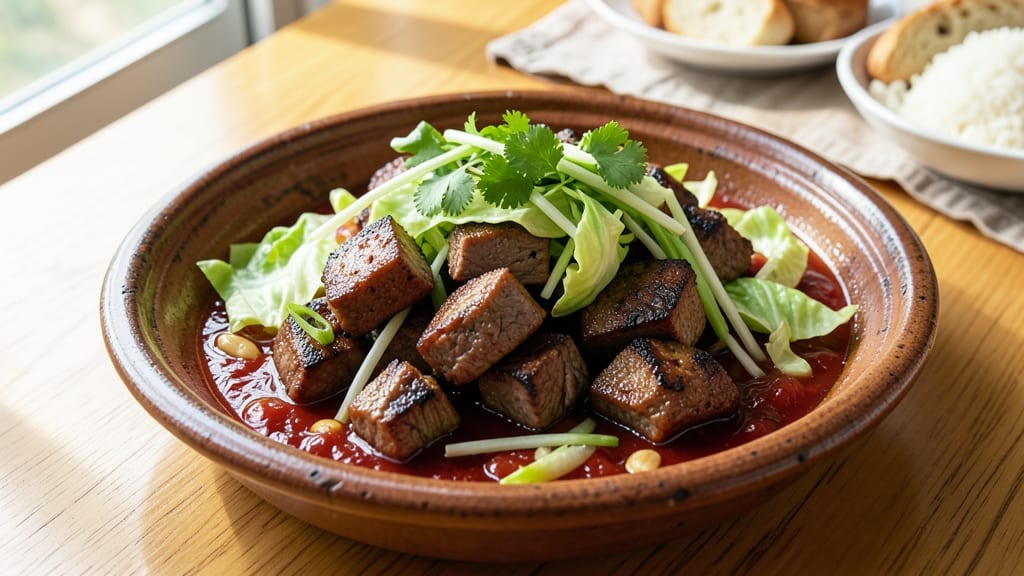
This Filipino beef and cabbage recipe brings the rich, savory-sweet flavors of home-cooked ginataang or sinigang to your kitchen—where tender beef and cabbage simmer in a fragrant broth of soy, vinegar, and annatto. The secret lies in balancing the acidity of vinegar with the umami depth of soy sauce and shrimp paste, creating a dish that’s both comforting and complex. I’ve perfected this version after years of testing, ensuring the beef stays fork-tender while the cabbage retains its satisfying crunch.
The beauty of this recipe is its versatility—it’s hearty enough for a family dinner but simple enough for weeknight cooking. A slow simmer develops layers of flavor, while optional additions like coconut milk or peanut sauce add another dimension.
The dish is traditionally served with steamed rice and a side of bagoong (fermented shrimp paste) for dipping, but even without those, it’s a complete meal in itself.
What you’ll end up with is a steaming pot of beef and cabbage bathed in a glossy, aromatic sauce that’s tangy, slightly sweet, and packed with savory notes. The beef melts in your mouth, the cabbage stays crisp-tender, and every spoonful carries the essence of Filipino home cooking.
This is the kind of dish that tastes even better the next day, making it perfect for meal prep or leftovers.
Whether you’re introducing your family to Filipino flavors or recreating a nostalgic taste of home, this recipe delivers restaurant-quality results with minimal effort. Let’s get cooking—your taste buds (and leftovers) will thank you.
Ingredients for beef and cabbage filipino
Pantry staples meet Filipino flavors in this comforting beef and cabbage dish.
| Ingredient | Amount | Notes |
|---|---|---|
| Beef Chuck Roast 🥩 | 1 ½ lb | Cut into 1-inch cubes |
| Green Cabbage 🥬 | 1 whole | Heads weighing about 1.5 lbs |
| Green Onions 🧅 | 4 whole | White and green parts separated |
| Garlic Cloves 🧄 | 6 cloves | Minced for depth of flavor |
| Canned Tomato Sauce 🍅 | 1 cup | San Marzano preferred |
| Soy Sauce 🥄 | ½ cup | Dark soy for richer color |
| Cane Vinegar 🍶 | ¼ cup | Balances the soy sweetness |
| Bagoong Alimango 🦐 | 1 tbsp | Fermented shrimp paste (or shrimp paste) |
| Annatto Seeds 🌶️ | ½ tsp | Crushed for vibrant color |
| Bay Leaves 🌿 | 2 whole | For aromatic depth |
| Salt 🧂 | 1 ½ tsp | Kosher or sea salt |
| Black Peppercorns 🌶️ | ½ tsp | Freshly ground preferred |
| Olive Oil 🫒 | 1 tbsp | For initial searing |
| Water 💧 | 2 cups | For simmering |
| Coconut Milk (optional) 🥥 | ½ cup | For creamier texture |
The beef makes all the difference here—chuck roast is ideal for its tender texture after slow cooking. Most grocery stores carry it pre-cut, but if you're buying a whole roast, ask the butcher to cube it for you. Costco or Trader Joe's usually have it ready to go, saving you time. For the cabbage, look for heads that feel heavy for their size—they'll stay crisp longer. If you can't find bagoong alimango (the premium shrimp paste), regular shrimp paste works just fine—just use half the amount. The annatto seeds? Asian markets sell them in small bags, or you can find them online if your local store doesn't carry them.
No annatto? Turmeric at half the amount gives a similar golden hue, though the flavor won't be identical. Running low on soy sauce? Coconut aminos work in a pinch, though the color will be lighter. The vinegar is crucial for that signature tang—cane vinegar is best, but rice vinegar in a bind? Use it, but add an extra pinch of salt. For the garlic, I always use freshly minced—pre-minced garlic loses its punch fast. The optional coconut milk can be swapped for cashew cream if you're avoiding dairy, though the texture will be slightly thinner.
This dish tastes even better the next day—3-4 days in the fridge, honestly. I always make a double batch because it reheats like a dream. Store in an airtight container with the sauce on top to keep the cabbage from drying out. Freezes beautifully for up to 3 months if you want to prep ahead. Serve it with steamed rice and a sprinkle of toasted garlic for extra crunch. The leftovers? Perfect for quick lunches or even better the next day.
Why You'll Love This Recipe
- Here’s what sold me: a single chuck roast feeds my family of four for three meals. Cabbage is cheap, tomato sauce lasts forever, and I use the same pot for everything. No fancy ingredients, no wasted leftovers—just hearty, satisfying meals that don’t break the bank. (Yes, even on a Tuesday night.)
- One-Pot Magic: I swear by this recipe when I’m too tired to wash extra dishes. Chuck roast and cabbage simmer together—no separate pans, no fuss—just rich, saucy goodness with that perfect tender bite. The tomato sauce thickens into a glossy blanket, and the cabbage softens just enough to soak it all up.
- Garlic Bomb: Between us, this dish is ridiculously flavorful without being complicated. I brown the beef first for that deep, caramelized edge, then toss in whole garlic cloves—no mincing, no mess—so they explode into flavor while everything cooks. The green onions at the end? Fresh, bright, and the secret weapon no one talks about.
- Leftovers for Days: Honestly, I make this twice a month because it’s that good reheated. The beef stays juicy, the cabbage holds its texture, and the sauce only gets better as it sits. Pack it for lunch, freeze portions, or serve it cold in rice bowls—it’s my go-to for lazy afternoons when I’ve got nothing planned.
Step-by-step instructions for beef and cabbage Filipino recipe
Here's how to create this comforting Filipino classic with tender beef and sweet cabbage.
Prepare the Beef and Aromatics
Cut the 1.5 lb Beef Chuck Roast into 1-inch cubes for even cooking. In a large pot, heat the 1 tablespoon Olive Oil over medium-high heat until shimmering. Add the beef and sear for 5-6 minutes, stirring occasionally, until the pieces are deep brown on all sides. This step builds rich flavor through the Maillard reaction.
While the beef browns, separate the 4 whole Green Onions into white and green parts. Finely chop the white portions and slice the green parts into ½-inch rings. Mince the 6 cloves Garlic Cloves and crush the 0.5 teaspoon Annatto Seeds between two spoons or in a mortar and pestle. These aromatics will infuse the dish with vibrant color and deep flavor.
Build the Sauce Base
Once the beef is browned, reduce heat to medium and add the chopped onion whites, minced garlic, and crushed annatto seeds. Cook for 2-3 minutes until fragrant, stirring constantly to prevent burning. Add the 1 tablespoon Bagoong Alimango, spreading it evenly over the beef to coat. The fermented shrimp paste will dissolve and create that signature umami depth.
Pour in the 1 cup Canned Tomato Sauce, 0.5 cup Soy Sauce, and 0.25 cup Cane Vinegar. Stir well to combine, scraping up any browned bits from the bottom of the pot. Add the 2 whole Bay Leaves, 1.5 teaspoons Salt, and 0.5 teaspoon Black Peppercorns, then pour in the 2 cups Water. Bring the mixture to a gentle boil, then reduce heat to low for simmering.
Simmer the Beef Until Tender
Partially cover the pot and let the beef simmer gently for 1 hour to 1 hour 15 minutes, stirring occasionally. You'll know it's ready when the beef easily pierces with a fork and the sauce has thickened slightly. The beef should be fork-tender but not falling apart. If the sauce reduces too quickly, add ¼ cup Water at a time to maintain moisture.
Here's the thing—don't rush this step. The long simmer is what transforms tough chuck roast into melt-in-your-mouth beef. The flavors will meld beautifully, creating that perfect balance of sweet, salty, and tangy that makes this dish so special.
Add the Cabbage and Finish Cooking
After the beef is tender, remove the bay leaves and add the 1 whole Green Cabbage, cut into 2-inch wedges. Stir gently to coat the cabbage in the sauce. The cabbage will soften as it absorbs the rich flavors, becoming tender-crisp with just a slight bite. Return to a simmer and cook for an additional 20-25 minutes, until the cabbage is fork-tender but still holds its shape.
Taste the sauce and adjust seasoning if needed. If you're using the 0.5 cup Coconut Milk (optional), stir it in now for a creamier texture. The coconut milk adds a subtle sweetness that complements the tangy vinegar perfectly. Let the dish simmer for another 5 minutes to allow all the flavors to meld together completely.
Serve with Fresh Green Onions
Remove from heat and let the beef and cabbage sit covered for 5 minutes to allow the juices to redistribute. Garnish each serving with the sliced green onion tops and serve hot. The bright green color and fresh flavor provide a beautiful contrast to the rich, savory main dish.
This dish tastes even better the next day as the flavors continue to develop. The cabbage will absorb even more of the delicious sauce, making each bite more flavorful. Serve with steamed rice to soak up all that wonderful sauce—you'll want seconds!
Pro Tips For Making Beef And Cabbage Filipino
- SEAR THE BEEF FIRST: I learned this the hard way—skipping the sear means flavorless beef. After browning the chuck roast in small batches (yes, it takes time), the meat develops a crust that clings to the cabbage and tomato sauce. Don’t rush this; a deep, dark sear is the foundation of the dish.
- CHOP CABBAGE UNIFORMLY: My grandmother swore by this, and she was right: uneven cabbage pieces mean some get mushy while others stay crunchy. Cut the wedges into 1-inch chunks—big enough to hold shape but small enough to cook through. No one likes a sad, limp wedge in their stew.
- DEGLAZE WITH TOMATO SAUCE: That browned beef juice stuck to your pot? Don’t waste it. Pour in the canned tomato sauce right after searing while the pan is still hot—it’ll lift all the flavor off the bottom. This makes a real difference in how rich the sauce tastes later.
- COVER IT TIGHTLY: After adding the cabbage and sauce, slap that lid on and let it steam for 10 minutes before stirring. This locks in moisture so the beef stays tender and the cabbage absorbs the sauce instead of drying out. I know, I know—you want to peek, but resist the urge to lift that lid early.
Make-ahead tips for beef and cabbage filipino
Prep Ahead for Flavor
Make the sauce base 24 hours ahead—simmer all ingredients except the cabbage, then cool and refrigerate in an airtight container. The flavors deepen overnight, and reheating is a breeze.
Just add the cabbage fresh when ready to serve, cooking it for 20 minutes in the pre-made sauce. Trust me, this shortcut saves time without sacrificing taste. 💫
Freezer-Friendly Prep
Freeze the fully cooked beef and cabbage (without rice) for up to 3 months in a freezer-safe bag. Thaw overnight in the fridge, then reheat gently on the stovetop with ¼ cup water to restore moisture.
I always double the batch—leftovers freeze perfectly for lazy weeknights. Just avoid reheating in the microwave if possible; stovetop keeps the cabbage tender.
Cabbage Prep Shortcut
Cut the cabbage the day before and store it in a ziplock bag in the fridge. The wedges stay crisp longer, and you’ll save 10 minutes on cooking day.
For extra efficiency, blanch the cabbage for 2 minutes before freezing—it’ll reheat like it was just cooked. This trick works especially well if you’re prepping for a crowd.
Sauce Boost for Leftovers
If the sauce seems thin after reheating, stir in 1 teaspoon cornstarch mixed with 1 tablespoon water. Simmer for 2 minutes until thickened. For extra richness, add 1 tablespoon coconut milk or a splash of vinegar to brighten flavors.
I always keep a small jar of bagoong alimango nearby to sprinkle on reheated portions—it’s the secret to restaurant-quality leftovers. 🍶
Rice Prep Hack
Cook 2 cups of rice (enough for 4 servings) and store it in the fridge in an airtight container. Reheat with 1 tablespoon water per cup, covered, for 2 minutes in the microwave.
For extra flavor, mix in 1 teaspoon toasted garlic or a pinch of salt before serving. This ensures your meal is ready in under 10 minutes when you’re short on time.
Garnish Like a Pro
Chop the green onion tops ahead and store them in a small container in the fridge. Just sprinkle them on top before serving—this adds freshness and color with zero effort.
For a fancier touch, toast 1 teaspoon sesame seeds in a dry pan for 1 minute and sprinkle over the dish. The contrast of textures makes every bite feel special. 🌿
Nutrition facts
Frequently asked questions
Can I substitute regular beef for chuck roast?
You can use chuck eye steak or brisket instead, but chuck roast is ideal because it stays tender during the long simmer. If using leaner cuts like sirloin, marinate them for 30 minutes in soy sauce and vinegar first to prevent drying out. For best results, stick with chuck roast—it's the most traditional choice for Filipino stews.
What makes this different from regular beef and cabbage stew?
This recipe uses Filipino flavor bombs like bagoong alimango (fermented shrimp paste), annatto seeds for color, and a balance of soy sauce and cane vinegar that creates a tangy-sweet profile. The slow simmer also makes the beef melt-in-your-mouth tender while keeping the cabbage crisp. It's like a Filipino ginataang meets sinigang in one pot!
Can I make this dish without shrimp paste?
Yes! If you can't find bagoong alimango, use ½ tablespoon regular shrimp paste or substitute with 1 teaspoon fish sauce plus ½ teaspoon soy sauce. For a vegetarian version, skip it entirely and add extra soy sauce and garlic to boost umami. The dish will still be delicious—just slightly less complex.
Why does my cabbage turn mushy?
Overcooking is the usual culprit! Add cabbage only after the beef is tender and simmer for just 20-25 minutes—it should be fork-tender with a slight bite. If using pre-cut cabbage, cut it fresh the day of cooking. For extra insurance, add cabbage in stages: half first (cook 10 minutes), then the rest. The sauce should coat but not drown the cabbage.
What's the best way to serve this dish?
Serve hot with steamed jasmine rice to soak up the sauce. For authenticity, add a side of bagoong (fermented shrimp paste) for dipping—it's a must in Filipino meals! Garnish with fresh green onions and a sprinkle of toasted sesame seeds for crunch. The contrast of textures makes every bite amazing.