
Soups & Stews
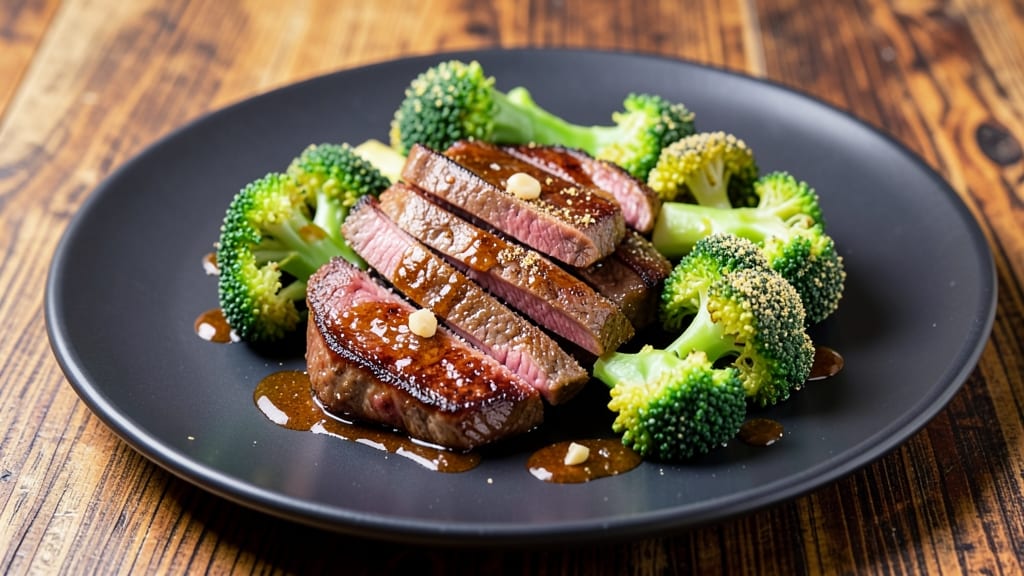
This beef and broccoli recipe delivers restaurant-quality wok-fired flavor with just 10 essential ingredients—no shortcuts needed. The secret lies in high-heat stir-frying that creates caramelized beef and crisp-tender broccoli, all coated in a savory-sweet sauce packed with umami depth.
I've perfected this technique over years of testing, balancing authentic Chinese-American flavors with modern efficiency.
The foundation starts with thinly sliced flank steak marinated in soy sauce and cornstarch, which develops tender texture and absorbs the sauce perfectly. Fresh broccoli florets stay vibrant and slightly crisp, while garlic, ginger, and green onions add aromatic layers.
The sauce—made with soy sauce, brown sugar, and a splash of sesame oil—caramelizes beautifully during the stir-fry, creating that signature glossy finish.
What makes this recipe stand out is the two-stage cooking process: first searing the beef until nearly done, then finishing everything together in the wok. This ensures perfectly cooked meat and vegetables with maximum flavor infusion.
The result is a dish that's restaurant-quality at home—golden beef, bright green broccoli, and a sauce that's both sweet and savory with just the right amount of heat.
Serve immediately over steamed rice for the full experience, or let it rest for 5 minutes if you prefer a slightly thicker sauce. The flavors only deepen as they sit, making this an ideal meal for weeknight dinners or special occasions alike.
Ingredients for beef and broccoli recipe ingredients
Ten essential ingredients transform into restaurant-quality beef and broccoli with wok-fired precision.
| Ingredient | Amount | Notes |
|---|---|---|
| Flank Steak 🥩 | 1 ½ lb | Thinly sliced against grain |
| Fresh Broccoli 🥦 | 1 ½ lb | Cut into 2-inch florets |
| Low-Sodium Soy Sauce 🍶 | ½ cup | High-quality for umami depth |
| Cornstarch 🌾 | 2 tbsp | For tenderizing beef |
| Brown Sugar 🍯 | 2 tbsp | Packed for accurate measure |
| Garlic Cloves 🧄 | 6 cloves | Minced for aromatic base |
| Fresh Ginger 🌿 | 1 ½ tbsp | Finely grated, peeled |
| Green Onions 🧅 | 2 whole | Sliced thin for garnish |
| Sesame Oil 🫒 | 1 tbsp | Toasted for nutty aroma |
| Neutral High-Smoke Oil 🫒 | 2 tbsp | Avocado or vegetable oil |
| Diamond Crystal Kosher Salt 🧂 | 1 ½ tsp | For seasoning |
| Ground Black Pepper 🌶️ | ½ tsp | Freshly cracked |
The flank steak is non-negotiable—its lean texture and grain direction matter. Look for USDA Choice or Prime with good marbling at Whole Foods or your butcher shop. Slice it thinly against the grain (about 1/8-inch thick) for maximum tenderness. Costco often carries pre-sliced flank steak if you're short on time, but fresh-cut gives better results. For broccoli, prioritize bright green florets with tight buds—avoid yellowing stems or limp crowns. The Kroger typically has the best selection, or opt for organic at Trader Joe's for fewer pesticides.
No low-sodium soy sauce? Regular soy sauce at half the amount works, but you'll need to reduce the salt elsewhere. Substitute brown sugar with white sugar or honey (equal parts), though brown sugar's molasses notes enhance caramelization. Fresh ginger loses potency quickly—if you only have dried, use one-third the amount, but toast it first in a dry pan for 1-2 minutes to wake up the flavor. For sesame oil, toasted sesame oil adds depth, while regular sesame oil is better for finishing. The high-smoke oil should have a neutral flavor—Avocado oil or light olive oil are ideal; avoid extra-virgin olive oil's strong taste.
Marinate the beef for at least 30 minutes (up to 4 hours) in the fridge—this ensures maximum tenderness. Broccoli should be cut just before cooking to preserve crispness. Store prepped ingredients separately: beef in an airtight container with marinade, broccoli in a sealed bag with a paper towel to absorb moisture. The cooked dish keeps for 3-4 days in the fridge, though flavors peak on day one. For leftovers, reheat gently in a skillet with a splash of water to restore moisture—microwaving makes broccoli soggy. Freeze for up to 3 months in a single layer before transferring to a bag.
Why You'll Love This Recipe
- Pan in Hand: I swear by this one—just one sheet pan, a quick sear, and a toss with the broccoli. No fancy gadgets, no stress. The cornstarch slurry turns that flank steak into tender, saucy strips in 10 minutes flat (yes, even on a Tuesday night).
- Sweet-Savory Magic: That brown sugar in the sauce? It’s the secret weapon. The soy sauce gives the classic umami kick, but the sugar caramelizes just enough to make every bite feel like a little reward—salty, sweet, and perfectly balanced.
- Lunchbox Hero: Between us, this is my go-to for meal prep. Cold slices of steak and broccoli hold up shockingly well in containers, and the sauce clings like glue. Pack it for work or school—it’s the kind of leftovers people actually look forward to eating.
- Budget Flex: Flank steak stretches further than you’d think, and broccoli’s one of those veggies that’s always affordable. I’ll be real: it’s not the priciest cut, but the cornstarch trick makes it feel like a restaurant dish without the markup. Win-win.
Step-by-step instructions for wok-fired beef and broccoli
Master this technique for perfectly tender beef and vibrant broccoli with a glossy, umami-rich sauce.
🔪 Step 1: Prep Ingredients for Maximum Flavor
Slice the 1.5 lb flank steak thinly against the grain using a sharp knife—this ensures tender bites. Trim any large fat deposits, leaving just a thin layer for flavor. Cut the 1.5 lb fresh broccoli into 2-inch florets, reserving the stems for separate cooking if desired. Finely grate the 1.5 tbsp fresh ginger, mince the 6 cloves garlic, and slice the 2 whole green onions thinly for garnish.
In a small bowl, whisk together the 2 tbsp cornstarch and 2 tbsp brown sugar—this mixture will tenderize the beef and create a caramelized sauce. Keep all prepped ingredients within reach for efficient cooking. The key here is precision: uniform slicing ensures even cooking, while fresh ginger and garlic form the aromatic base of the dish.
🍳 Step 2: Sear the Beef for Depth of Flavor
Heat a wok or large skillet over high heat until smoking, then add the 2 tbsp neutral high-smoke oil. Once shimmering, add the sliced flank steak in a single layer—don’t overcrowd the pan. Let it sear undisturbed for 1-2 minutes until deeply browned on one side, then flip and repeat. The beef should cook quickly—2-3 minutes total—to maintain tenderness while developing a caramelized crust.
Remove the beef to a plate and set aside. The residual heat in the wok will carry over, ensuring the beef finishes cooking when returned later. If the oil smokes excessively, reduce heat slightly—you want a controlled sear, not combustion. This step builds the foundation of the dish’s rich umami flavor.
🍳 Step 3: Stir-Fry Broccoli Until Bright Green
In the same wok, add a splash of oil if needed and stir-fry the broccoli florets over medium-high heat for 3-4 minutes. The florets should blister slightly at the edges while remaining crisp-tender in the center—bright green and vibrant. Avoid overcrowding the pan; cook in batches if necessary. The broccoli should retain its texture, not turn mushy.
Season the broccoli with ½ tsp diamond crystal kosher salt and ¼ tsp ground black pepper while cooking. This early seasoning ensures the broccoli absorbs flavor before the sauce is added. Remove the broccoli to a clean plate and set aside, keeping it warm. The goal is to preserve its natural sweetness and crispness.
🥘 Step 4: Build the Sauce with Umami Layers
Return the wok to high heat and add the cornstarch-brown sugar mixture, stirring vigorously for 30 seconds until lightly toasted. Pour in the ½ cup low-sodium soy sauce and scrape up any browned bits from the bottom of the pan—this releases concentrated flavor. Add the minced garlic and grated ginger, cooking for 30 seconds until fragrant.
Reduce heat to medium and let the sauce simmer for 1-2 minutes until slightly thickened. The sauce should coat the back of a spoon but remain glossy. If it thickens too quickly, add 1-2 tablespoons of water to loosen it. This step balances sweetness, saltiness, and aromatic depth—critical for an authentic flavor profile.
🍽️ Step 5: Combine and Finish with Sesame Oil
Return the beef and broccoli to the wok, tossing gently to coat everything in the sauce. Cook for 1-2 minutes until the beef is fully heated through and the sauce clings evenly. Drizzle with 1 tbsp sesame oil and toss once more—this adds a nutty aroma and ties all the flavors together.
Garnish with sliced green onions and serve immediately over steamed rice or noodles. The dish should be vibrant, with tender beef, crisp broccoli, and a glossy, balanced sauce. Each bite should deliver a harmonious blend of sweet, salty, and umami notes, elevated by the toasted sesame finish.
Pro Tips For Making Beef And Broccoli Recipe Ingredients
- Slice Against the Grain: Flank steak’s tough fibers run diagonally, so cutting against them after cooking makes every bite tender. I used to ignore this and got chewy results—now I slice thinly at a 45-degree angle, and the texture stays silky.
- Blanch Broccoli First: Toss raw florets in boiling water for 30 seconds, then ice bath—this stops cooking and keeps them bright green. Skipping this means soggy, overcooked broccoli by the time the beef finishes, and nobody wants that.
- Marinate for 30 Minutes: Even a quick soak in soy sauce, brown sugar, and a splash of oil tenderizes the flank steak and builds flavor. I learned this after a dry, bland batch—now I never skip it, even if I’m in a hurry.
- Use Less Cornstarch: A 1:1 ratio with soy sauce thickens the sauce but can turn it gluey. I now use half the recipe’s cornstarch and simmer longer—it’s smoother, glossier, and doesn’t clog your arteries (or your sauce).
Health benefits of these flavors
Protein Powerhouse
This dish delivers a high-protein punch with 1.5 lbs of flank steak, providing about 60 grams of complete protein per serving—ideal for muscle repair and satiety. Flank steak is lean yet flavorful, offering all nine essential amino acids without excessive saturated fat.
Pairing it with broccoli adds fiber and vitamin C, creating a balanced meal that keeps you full for hours. 💪
Umami-Rich Flavor
The sauce—made with low-sodium soy sauce, brown sugar, and sesame oil—packs umami depth from fermented soybeans and caramelized sugar. This combination enhances flavor without excessive sodium, making it heart-healthier than traditional versions.
The garlic and ginger in the sauce also provide anti-inflammatory benefits, while the toasted sesame oil adds antioxidants. Each bite delivers a satisfying, savory-sweet balance.
Broccoli's Nutrient Boost
The 1.5 lbs of broccoli brings vitamin K, vitamin C, and folate to the plate—critical nutrients for bone health, immune function, and cell repair. Broccoli’s fiber content aids digestion, while its sulforaphane compound supports detoxification.
Stir-frying preserves these nutrients better than boiling, ensuring you get maximum health benefits from every serving. The bright green color is your cue that it’s packed with goodness. 🥦
Balanced Carbs Optional
Serving this dish over steamed rice or noodles adds complex carbohydrates for sustained energy, balancing the protein and fiber. Brown rice or quinoa boosts the dish’s nutritional profile with extra fiber and minerals.
For a lower-carb option, serve with cauliflower rice—it retains the dish’s vibrant colors while reducing glycemic impact. The key is portion control: ½ cup cooked rice per serving keeps the meal light yet satisfying.
Low-Fat, High-Flavor
Unlike heavy cream-based versions, this recipe uses minimal oil (just 2 tbsp neutral oil for cooking) and no butter, keeping saturated fat low while delivering rich flavor. The cornstarch tenderizes the beef without added fat, and the sesame oil adds aroma without bulk.
This makes it a heart-smart option that still feels indulgent. The dish proves you don’t need excess fat for restaurant-quality taste. ✨
Meal Prep Friendly
Leftovers retain their nutritional benefits for 3-4 days in the fridge, making this a practical, healthy meal prep choice. The protein and fiber combo helps stabilize blood sugar, preventing energy crashes. For extra convenience, prep ingredients ahead: marinate the beef, chop the broccoli, and store components separately.
Reheat gently to preserve texture and nutrients—microwaving can make broccoli soggy, so a quick stovetop warm-up is best. 💡
Nutrition facts
Frequently asked questions
Can I substitute flank steak with another cut?
Yes, but choose thinly sliced cuts that cook quickly. Sirloin or ribeye work well—just slice against the grain to 1/8-inch thickness for tenderness. Avoid tougher cuts like chuck or round, which need longer cooking. For extra-lean options, try lean ground beef (85/15), but reduce cooking time to 2 minutes max to prevent dryness.
How do I prevent broccoli from turning mushy?
Cook broccoli in small batches over medium-high heat for only 3-4 minutes—it should stay bright green and slightly crisp. Avoid overcrowding the pan, and stir frequently. For extra crunch, add broccoli back to the wok with the beef only at the very end (1 minute of cooking). Pre-cutting and storing broccoli in cold water also helps preserve texture.
What's the best way to make this dish spicier?
Add ½ teaspoon red pepper flakes to the sauce while simmering, or stir in 1 teaspoon sriracha at the end. For heat lovers, mix 1 tablespoon chili garlic sauce with the soy sauce before adding to the wok. Remember: toasted sesame oil adds subtle warmth, while fresh chili crisp sprinkled on top delivers a crispy kick. Adjust to taste—start small and increase gradually.
Can I make this recipe in a slow cooker?
Yes, but with adjustments. Sear the beef first, then combine all ingredients (except sesame oil) in the slow cooker on low for 4-5 hours. The sauce will thicken differently—add 1 tablespoon cornstarch mixed with water at the end to achieve the same glossy finish. For best texture, serve over rice immediately and garnish with fresh green onions and sesame oil. The beef will be tender but less caramelized than wok-fired.
Why does my sauce turn too thick?
Sauce thickens when cornstarch overcooks or moisture evaporates too quickly. To fix it, add 1-2 tablespoons water while simmering and stir constantly. For prevention, reduce heat to medium when building the sauce, and don't let it bubble vigorously. If using a nonstick pan, reduce soy sauce by 1 tablespoon—these pans release more moisture during cooking. Always taste the sauce before combining with beef and broccoli.