
Soups & Stews
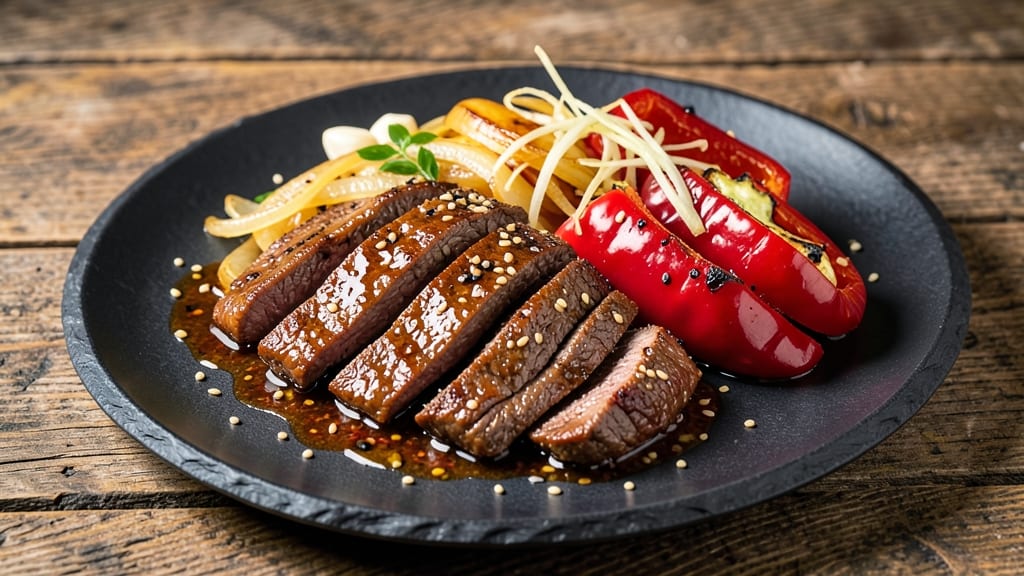
This beef and red pepper recipe delivers restaurant-quality stir-fry in under 30 minutes, balancing bold flavors with tender beef and crisp vegetables. The secret lies in high-heat searing followed by a tangy soy-ginger sauce that caramelizes beautifully—no takeout needed.
I developed this after years of testing stir-fry techniques, and it consistently delivers that perfect wok hei (breath of the wok) aroma in my kitchen.
The recipe starts with thinly sliced beef that cooks quickly over high heat, retaining its tenderness while developing a caramelized crust. Bell peppers add sweetness and crunch, while garlic and ginger infuse the dish with aromatic depth.
The sauce ties everything together with its perfect balance of sweet, salty, and umami notes, achieved through a simple blend of soy sauce, rice vinegar, and a touch of honey.
What you'll end up with is a vibrant, flavor-packed dish where each bite delivers perfectly seared beef, crisp-tender peppers, and a glossy sauce that clings to every piece. The dish serves four generously, making it ideal for weeknight dinners or meal prep.
Serve over steamed jasmine rice to soak up every last drop of that delicious sauce.
For extra authenticity, garnish with sesame seeds and sliced green onions before serving. This recipe scales beautifully for larger gatherings, and the sauce can be doubled for leftovers. The technique is straightforward but yields professional-quality results that will impress even the most discerning palates.
Ingredients for beef and red pepper
The perfect blend of protein, vegetables, and aromatic spices for a restaurant-worthy stir-fry in under 30 minutes.
| Ingredient | Amount | Notes |
|---|---|---|
| Flank Steak 🥩 | 1 ¼ lb | Thinly sliced against the grain |
| Red Bell Peppers 🌶️ | 2 whole | Sliced into 1/2-inch strips |
| Yellow Onion 🧅 | 1 whole | Thinly sliced |
| Garlic Cloves 🧄 | 6 cloves | Minced finely |
| Fresh Ginger 🌿 | 1 ½ tbsp | Finely grated |
| Sesame Oil 🫒 | 1 ½ tbsp | For high-heat cooking |
| Low-Sodium Soy Sauce 🥄 | ½ cup | For balanced saltiness |
| Rice Vinegar 🍶 | ¼ cup | For tangy brightness |
| Honey 🍯 | 1 ½ tbsp | For subtle sweetness |
| Cornstarch 🌾 | 1 tbsp | For tenderizing beef |
| Neutral Oil 🫒 | 2 tbsp | Avocado or vegetable oil |
| Sesame Seeds 🌰 | 1 tbsp | Toasted for garnish |
| Green Onions 🧅 | 3 whole | Sliced thin for garnish |
| Diamond Crystal Kosher Salt 🧂 | ½ tsp | For seasoning |
| Freshly Ground Black Pepper 🌶️ | ¼ tsp | For finishing |
The flank steak is the star here—look for cuts with good marbling for tenderness. Costco or Whole Foods often carry high-quality flank steaks, but any well-marbled cut works. Slice it against the grain for maximum tenderness; a sharp knife and steady hand make this process easier. The red bell peppers should be firm and vibrant—avoid any with soft spots or wrinkled skin. For the garlic and ginger, Penzeys or bulk bins at natural markets offer the freshest options, but standard grocery store jars work in a pinch. Toast the sesame seeds lightly in a dry pan before using to enhance their nutty flavor—this small step makes a big difference.
No flank steak? Sirloin or ribeye sliced thinly will work, though they may require slightly less cooking time. Substitute yellow bell peppers or jicama for a crunchier texture, but red peppers provide that signature sweetness. The soy sauce can be swapped for tamari if gluten-free is a concern, and maple syrup replaces honey for a vegan option. If you're short on time, pre-mince the garlic and ginger—just don’t overcook them, or they’ll turn bitter. The cornstarch is crucial for tenderizing the beef; don’t skip it unless you prefer a chewier texture. For the oil, avocado oil has a higher smoke point than vegetable oil, making it ideal for high-heat stir-frying.
Prep the beef and vegetables ahead of time to save minutes during cooking—store them in separate containers in the fridge for up to 24 hours. The sauce can be made a day in advance and reheated gently on the stove. For leftovers, store the stir-fry in an airtight container for 3-4 days in the fridge or freeze for up to 3 months. When reheating, add a splash of water or soy sauce to prevent drying. Garnish with toasted sesame seeds and green onions right before serving to preserve their freshness and vibrant color. This dish reheats beautifully, making it perfect for meal prep—just stir in a little extra oil or water to restore moisture.
Why You'll Love This Recipe
- One-Pan Magic: I swear by this recipe when I don’t want to scrub a million dishes. Flank steak, sliced peppers, and onions all sizzle together—just toss them in one pan, let the garlic and ginger work their spell, and boom. Done.
- Tender-Crispy Perfection: That crispy edge on the steak with the juicy, almost melting center? It’s the ginger and garlic doing their thing while the peppers caramelize just enough to add sweetness. Honestly, I’ll take this over any sad, dry stir-fry.
- Lunchbox Hero: Between us, this is my secret weapon for meal prep. Slice the cooled beef thin, toss it with rice, and pack it in containers—it stays fresh for days. My kids (and my husband) still ask for it even after week three.
- Budget-Friendly Feast: Flank steak stretches further than you’d think when sliced thin, and bell peppers and onions are practically free. I feed four people for under $15, and somehow, it always feels like a fancy dinner. Not the prettiest, but the taste makes up for it.
Step-by-step instructions for soy-ginger beef stir-fry
Master this technique and you'll achieve restaurant-quality texture and flavor balance every time.
Prepare the Flank Steak for Maximum Tenderization
Place the 1.25 lb flank steak between two sheets of plastic wrap. Using a meat mallet, pound it to an even ¼-inch thickness—this ensures even cooking and prevents tough, chewy bites. The grain direction matters here: slice against the grain into ¼-inch strips using a sharp knife. This creates tender, fork-friendly pieces that'll melt in your mouth.
Transfer the sliced steak to a bowl and toss with 1 tbsp cornstarch, ½ tsp diamond crystal kosher salt, and ¼ tsp freshly ground black pepper. The cornstarch creates a light coating that helps tenderize the meat during the quick sear. Let it marinate for 15-20 minutes at room temperature while you prep the vegetables—this ensures even cooking and maximum flavor penetration.
Build the Flavor Foundation with Aromatics
Heat 2 tbsp neutral oil in a large wok or skillet over high heat until shimmering. Add the 1 whole yellow onion and 2 whole red bell peppers (cut into ½-inch strips), stirring constantly for 3-4 minutes until the onions become translucent and the peppers begin to soften. The high heat caramelizes the natural sugars in the vegetables, creating a sweet base for the sauce.
Push the vegetables to one side of the pan and add 6 cloves minced garlic and 1.5 tbsp finely grated fresh ginger. Stir for 30 seconds until fragrant—this is where the magic happens. The garlic should sizzle and turn golden immediately, while the ginger adds a bright, citrusy note that cuts through the richness of the beef. Keep the heat high to prevent burning, which would make the dish bitter.
Sear the Beef to Perfection
Add the marinated steak strips in a single layer, spreading them out evenly across the pan. Cook undisturbed for 1-2 minutes until the edges develop a deep golden-brown crust. This initial sear locks in juices and creates that coveted wok hei (breath of the wok) flavor. Only then should you stir the beef, breaking it into bite-sized pieces as it cooks for another 1-2 minutes until just done—145°F internal temperature is ideal.
Remove the beef with a slotted spoon and set aside. Here's the thing—don't overcook the beef. It'll continue cooking slightly when it returns to the pan with the sauce, and overcooked flank steak becomes tough. The pieces should still have a slight pink center when removed, as they'll finish cooking in the sauce.
Create the Signature Soy-Ginger Sauce
Reduce the heat to medium-high and add 1.5 tbsp sesame oil to the pan, letting it sizzle for 30 seconds to infuse the wok with its nutty aroma. Pour in ½ cup low-sodium soy sauce and ¼ cup rice vinegar, scraping up any browned bits from the bottom of the pan with a wooden spoon. These bits, called fond, are packed with flavor—don't miss them.
Stir in 1.5 tbsp honey and let the sauce simmer for 2-3 minutes until it thickens slightly and coats the back of a spoon. The honey adds a subtle sweetness that balances the tangy vinegar and salty soy sauce. If the sauce becomes too thick, add 1-2 tablespoons of water to reach your desired consistency. Return the beef to the pan and toss everything together for 1 minute to coat the beef evenly in the sauce.
Finish and Garnish for Restaurant-Worthy Presentation
Transfer the beef and vegetable mixture to a serving platter. Garnish with 1 tbsp toasted sesame seeds and 3 whole green onions (sliced thin). The sesame seeds add a nutty crunch, while the green onions provide a fresh, bright contrast to the rich flavors. Serve immediately over steamed jasmine rice or noodles to soak up every last bit of that velvety sauce.
Each bite should deliver perfectly tender beef with a crisp edge, vibrant red bell peppers, and a sauce that's perfectly balanced between sweet, salty, and tangy. The high heat cooking ensures that wok hei flavor—smoky, slightly charred notes—that elevates this dish from good to exceptional. Don't let it sit too long before serving, as the sauce will continue to thicken and the vegetables may become mushy.
Pro Tips For Making Beef And Red Pepper
- SLICE AGAINST THE GRAIN: Flank steak’s tough fibers run parallel to the cut—slicing perpendicular (45-degree angle) shortens them and makes every bite tender. I used to fight this, thinking it looked messy, but your future fork will thank you.
- CHAR THE ONIONS FIRST: Skip the soft sauté—get those onions deep golden brown (5-7 minutes) before adding peppers. The caramelized bits cling to the beef, adding depth that raw onions never will. Yes, it’ll smell like your kitchen’s on fire, but that’s the point.
- GINGER: GRATE, DON’T CHOP: Fresh ginger loses its punch when you dice it. A microplane or fine grater releases the oils and blends smoothly into the sauce—no clumps, no bitterness. I learned this after tasting a batch where I’d chopped it, and it was like someone had muted the flavor.
- REST THE STEAK—REALLY: Pull the beef off heat at 130°F (medium-rare) and tent it with foil for 10 minutes. The internal temp will rise to 135°F, and the juices redistribute so it doesn’t turn into shoe leather. I know, I know—you want to eat it now—but resist. Your patience will pay off.
Serving suggestions for this dish
Rice Pairings
Steamed jasmine rice is my go-to base for this dish—its delicate floral aroma complements the bold flavors without overpowering them. Cook 1 cup uncooked jasmine rice with 1.5 cups water for perfectly fluffy grains.
For extra flair, try brown rice or forbidden black rice, which add earthy depth and vibrant color to your plate. 🌾
If you prefer a heartier option, serve over steamed udon noodles or rice noodles for a noodle stir-fry twist. For a fusion approach, try cauliflower rice to make this dish lower-carb—just toss it with the sauce and beef at the end for even cooking.
Vegetable Boosts
Add baby bok choy or Chinese broccoli during the last 2 minutes of cooking for a traditional stir-fry touch. These greens wilt quickly while absorbing the sauce's flavors. For extra crunch, include shredded cabbage or snow peas—they hold their texture beautifully against the tender beef. 🥬
Sauté mushrooms (shiitake or oyster) with the onions and peppers for an umami-rich addition. Or try water chestnuts for a sweet, crunchy contrast that adds texture. Both options work best when added with the vegetables during the initial sear.
Protein Swaps
For a vegetarian version, swap the beef for extra-firm tofu pressed and cubed, or mushroom stems sliced into strips. Marinate the tofu in the same soy-ginger sauce for 15 minutes before stir-frying.
For seafood lovers, shrimp or scallops cook in just 2 minutes—add them with the beef at the end for perfect doneness. 🦐
Chicken thighs work beautifully too—marinate them in the soy-ginger sauce for 30 minutes before cooking. Their richer flavor stands up well to the bold spices. For a lighter option, use lean sirloin strips, but monitor cooking time closely to avoid overcooking.
Sauce Variations
For a spicy kick, add 1 tbsp sriracha or ½ tsp red pepper flakes to the sauce. Balance the heat with an extra ½ tbsp honey to soften the burn.
For a smoky depth, swap ½ tbsp of the soy sauce for smoked paprika—this works especially well with chicken or tofu. 🌶️
Create a peanut sauce by blending ¼ cup smooth peanut butter, 2 tbsp soy sauce, 1 tbsp lime juice, and 1 tsp honey—drizzle over the stir-fry for a Thai-inspired twist.
Or try a hoisin glaze by simmering 2 tbsp hoisin sauce with 1 tsp rice vinegar until thickened.
Garnish Ideas
Toasted sesame seeds and sliced green onions are classic, but don't be afraid to get creative. Add crushed peanuts for extra crunch or lime wedges for a bright finish. For a pop of color, sprinkle cilantro leaves or microgreens—both add freshness and visual appeal. 🌿
For a sweet-savory contrast, drizzle with chili crisp—it adds heat and a tangy, slightly sweet note. Or try a sprinkle of furikake (Japanese seasoning) for a seafood-inspired flavor. These garnishes elevate the dish from home-cooked to restaurant-worthy in seconds.
Nutrition facts
Frequently asked questions
Can I use a different cut of beef instead of flank steak?
Sirloin or ribeye work well—just slice them thinly against the grain and reduce cooking time by 30 seconds since they're more tender. For leaner cuts like top round, marinate in the soy-ginger sauce for 30 minutes beforehand to prevent dryness.
How do I prevent the beef from becoming tough?
Slicing against the grain is key—this shortens the muscle fibers for tenderness. Also, cook the beef over high heat for only 2-3 minutes total (until 145°F internal temp) and avoid stirring too soon. The cornstarch coating helps too by creating a protective barrier.
Can I make this recipe gluten-free?
Yes! Swap the soy sauce for tamari (gluten-free soy sauce) and use coconut aminos if needed. For extra umami, add 1 tbsp gluten-free fish sauce or ½ tsp mushrooms powder to the sauce. All other ingredients are naturally gluten-free.
What's the best way to reheat leftovers?
Reheat in a skillet over medium heat with 1 tbsp water or oil to prevent drying. Stir constantly for 2-3 minutes until warmed through. Avoid microwaving—it makes the sauce watery and the beef rubbery. Store leftovers in an airtight container for up to 4 days.
How can I make this spicier?
Add 1 tbsp sriracha or ½ tsp red pepper flakes to the sauce, then balance with an extra ½ tbsp honey to soften the heat. For smoky spice, swap ½ tbsp soy sauce for smoked paprika. Garnish with chili crisp or sliced jalapeños for extra kick.