
Sauces & Condiments
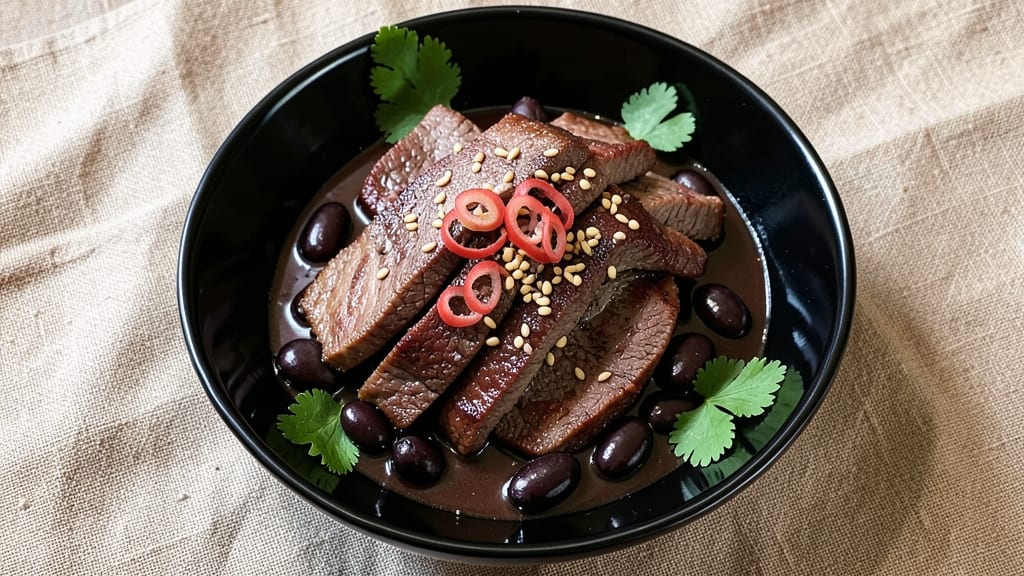
This beef and black bean Chinese sauce transforms simple ingredients into a restaurant-worthy stir-fry base that’s packed with deep umami flavor. The secret lies in balancing fermented black bean sauce with soy, garlic, and ginger—creating a rich, slightly sweet-savory profile that clings perfectly to tender beef strips.
I’ve perfected this recipe over years of testing, ensuring every bite delivers that authentic wok-house taste without requiring specialized equipment.
The beauty of this dish is its versatility—use it as a quick weeknight meal over rice, as a filling for dumplings, or as a bold sauce for noodles.
The beef is marinated in a simple blend of soy and cornstarch to lock in juiciness, while the black bean sauce adds that signature fermented depth. High-heat stir-frying seals in flavor, and a splash of Shaoxing wine elevates it to professional-level results.
What you’ll end up with is a deeply aromatic, meaty sauce that coats every ingredient with a glossy, savory-sweet glaze. The black beans add texture and complexity, while the aromatics create layers of flavor that linger.
Serve it over steamed rice with quick-pickled vegetables for a complete, balanced meal that’s both comforting and impressive.
This recipe is designed for home cooks—no fancy techniques required, just a few key steps and the right balance of ingredients. Whether you’re feeding a family or meal prepping for the week, this beef and black bean sauce delivers restaurant-quality flavor with minimal effort. Let’s get cooking!
Ingredients for beef and black bean sauce chinese
Restaurant-quality umami comes from balancing these 14 ingredients—each playing a precise role in the sauce's depth.
| Ingredient | Amount | Notes |
|---|---|---|
| Flank Steak 🥩 | 1 ½ lb | Thinly sliced against grain |
| Fermented Black Bean Sauce 🫘 | ½ cup | Authentic Chinese brand preferred |
| Light Soy Sauce 🥄 | ⅓ cup | Kikkoman preferred |
| Shaoxing Wine 🍶 | 2 tbsp | Dry Chinese cooking wine |
| Cornstarch 🌾 | 2 tbsp | For tenderizing beef |
| Garlic Cloves 🧄 | 6 cloves | Minced finely |
| Fresh Ginger 🌿 | 1 ½ tbsp | Grated finely |
| Sesame Oil 🫒 | 1 tbsp | Toasted sesame oil |
| Neutral Oil 🫒 | 2 tbsp | Peanut or vegetable oil |
| Brown Sugar 🍯 | 1 tbsp | Light or dark |
| Green Onions 🧅 | 3 whole | Sliced for garnish |
| Red Chili Flakes 🌶️ | ½ tsp | Adjust to taste |
| Salt 🧂 | ½ tsp | Diamond Crystal preferred |
| Black Pepper 🌶️ | ¼ tsp | Freshly ground |
The fermented black bean sauce is non-negotiable for authentic flavor—Hinode or Lee Kum Kee are trusted brands in Asian markets. Look for deep, glossy bottles with no separation, indicating freshness. If unavailable, soy sauce plus a dash of molasses can mimic some depth, though it won't replicate the fermented complexity. The flank steak must be sliced thinly against the grain for tenderness; Costco or Whole Foods carry pre-sliced versions if you're short on time. For the Shaoxing wine, Asian grocery stores offer authentic bottles that outperform the Westernized versions found in regular liquor stores—King Wa or Cocktail King are reliable choices.
No fermented black bean sauce? Substitute with 2 tbsp soy sauce plus 1 tsp fish sauce (vegan option: 1 tsp mushroom sauce), though the umami won't be identical. Shaoxing wine can be swapped for dry sherry or Mirin in a pinch, though the flavor profile shifts slightly. The cornstarch is critical—it tenderizes the beef and thickens the sauce simultaneously. For extra richness, add 1 tbsp oyster sauce (vegan: 1 tbsp hoisin sauce). The garlic and ginger should be minced finely; a microplane works best for even distribution. If using pre-minced garlic from jars, rinse it first to remove excess liquid.
This sauce freezes beautifully—portion into ice cube trays for single-use servings that keep for 3 months. For best texture, reheat gently in a saucepan over medium heat, stirring occasionally. The sauce thickens as it cools, so add 1 tsp water per cube if it seems too stiff. Store leftovers in the fridge for up to 5 days, though the flavor actually improves overnight as the ingredients meld. Double the batch—it disappears faster than you'd expect, especially when paired with steamed rice or noodles.
Why You'll Love This Recipe
- 20-Minute Steak: I swear, the flank steak slices in half an hour—no fancy prep, just quick searing and a splash of Shaoxing wine to tenderize. Honestly, the hardest part is waiting for the pan to heat up.
- Umami Bomb: That fermented black bean sauce? It’s the star—salty, funky, and deep all at once. One spoonful and you’ll understand why I keep a jar in the pantry.
- Leftover Goldmine: Stir-fry it fresh or reheat it later—this dish tastes just as good cold in lunchboxes. Between us, I’ve packed it for work three times this month.
- Budget Powerhouse: Flank steak stretches far, and a little black bean sauce goes a long way. I feed four for under $15, and there’s always enough for seconds. (Yes, even on a Tuesday night.)
Step-by-step instructions for beef and black bean Chinese sauce
Here's how to create a rich, umami-packed stir-fry base that transforms simple ingredients into restaurant-quality flavor.
Prep and Veloute the Flank Steak
Begin by slicing the 1.5 lb flank steak thinly against the grain into ¼-inch thick strips. This cut ensures maximum tenderness. Place the sliced steak in a bowl and add the 2 tbsp cornstarch, tossing to coat evenly. The cornstarch acts as a natural tenderizer and helps create a silky texture when cooked.
Let the coated steak rest for 10 minutes at room temperature. This allows the cornstarch to adhere properly and ensures even cooking. While waiting, prepare your mise en place by mincing the 6 cloves garlic and grating the 1.5 tbsp fresh ginger finely. These aromatics will form the flavor foundation of your sauce.
Build the Flavor Base
Heat a wok or large skillet over medium-high heat until hot. Add the 2 tbsp neutral oil and swirl to coat the surface. Working in batches if needed, add the steak strips and sear for 1-2 minutes until they turn light brown but remain slightly underdone. Remove the steak and set aside.
In the same pan, add the minced garlic and ginger, cooking for 30 seconds until fragrant. Immediately add the 0.5 cup fermented black bean sauce, 0.33 cup light soy sauce, 2 tbsp shaoxing wine, and 1 tbsp brown sugar. Stir constantly for 2 minutes until the mixture reduces slightly and coats the back of a spoon. This creates the flavor concentrate that will transform your dish.
Finish the Sauce and Combine
Return the seared steak to the pan along with any accumulated juices. Add 1 tbsp sesame oil, 0.5 tsp red chili flakes, 0.5 tsp salt, and 0.25 tsp black pepper. Stir-fry for 1-2 minutes until the sauce thickens slightly and coats the beef evenly. The dish should have a glossy appearance with a rich, dark color.
Taste and adjust seasoning if needed. For a more balanced flavor, you might want to add a splash of water or the 2 tbsp shaoxing wine if the sauce becomes too thick. Remove from heat and let it rest for 5 minutes to allow the flavors to meld completely. This resting period is crucial for developing the sauce's depth.
Garnish and Serve
Slice the 3 whole green onions into ¼-inch pieces for garnish. Stir them into the beef mixture just before serving to maintain their vibrant color and crisp texture. The green onions add a fresh contrast to the rich, umami flavors of the sauce.
Serve immediately over steamed rice, noodles, or as a filling for bao buns. The sauce should coat each strand of rice or noodle perfectly, creating a harmonious blend of tender beef, complex flavors, and silky texture. This versatile base works equally well in bowls, wraps, or as a topping for crispy fried rice.
Pro Tips For Making Beef And Black Bean Sauce Chinese
- Sear First, Then Simmer: Hit your flank steak with a screaming-hot wok or skillet—no oil yet—until the surface is deep brown and slightly charred in spots. This isn’t just for flavor; it’s the only way to lock in juices before the sauce takes over. I used to skip this and ended up with tough, flavorless beef that tasted like it had been boiled.
- Mash Those Black Beans: Fermented black bean sauce is thick and stubborn—don’t just pour it in. Mash a few beans against the wok’s edge with a wooden spoon first to break them up. This releases their deep, salty richness into the sauce immediately, rather than waiting for it to dissolve halfway through cooking. (Yes, even if you’re impatient like me.)
- Deglaze with Wine, Then Salt: After searing the beef, splash in the Shaoxing wine and let it sizzle for 30 seconds—don’t rush this. Then add the black bean sauce and light soy sauce last, and only then season with salt. The wine’s alcohol needs time to cook off, or your sauce will taste harsh. I learned this the hard way after a batch tasted like I’d drowned the beef in rubbing alcohol.
- Slurry the Cornstarch: Mix your cornstarch with a splash of cold water before adding it to the sauce—about 1 tablespoon of water per teaspoon of cornstarch. This creates a smooth slurry that thickens evenly instead of clumping like glue. I skip this sometimes, and the sauce ends up looking like it was made with flour. (Your future self will thank you.)
Storing and reheating this recipe
Fridge Storage Tips
Store your beef and black bean sauce in an airtight container with a lid—glass containers work best for reheating. The sauce will keep for up to 5 days in the fridge, with flavors actually deepening over time. I like using quart-sized Pyrex containers because they stack neatly and reheat evenly. Just
Freezer Prep
For longer storage, freeze the sauce in ice cube trays—each cube makes a perfect single serving. Once frozen, transfer cubes to a freezer bag with all air removed (use a straw to suck out air if needed). These cubes keep for 3 months and thaw quickly in the fridge overnight. Label with the date to track freshness—trust me, you’ll forget otherwise! ❄️
Reheating Sauce
When reheating, use low to medium heat in a saucepan to avoid breaking down the sauce’s delicate texture. Add 1-2 tbsp water if the sauce thickens too much during reheating.
Stir constantly for 3-5 minutes until warmed through—never microwave, as it can make the sauce watery. For best results, reheat just before serving to maintain that restaurant-quality gloss. 🔥
Reviving Leftover Beef
If you stored the beef separately, reheat it in a dry skillet over medium heat for 1-2 minutes until just warmed through. Add a splash of Shaoxing wine or water to deglaze the pan and keep the beef moist.
Combine with reheated sauce just before serving to preserve texture and flavor. I often reheat leftovers in batches and freeze them separately for quick meal assembly later. 💡
Sauce Consistency Fixes
If your sauce seems too thick after reheating, thin it with 1 tsp water or Shaoxing wine at a time until it reaches your desired consistency. For extra richness, stir in ½ tsp toasted sesame oil or a pinch of salt to brighten flavors.
The sauce should coat the back of a spoon but remain silky—not gluey. Adjust gradually to avoid over-diluting. ✨
Meal Prep Strategy
Double the recipe and store components separately for easy assembly. Keep the sauce in one container and the beef in another—this prevents soggy textures when reheating. Assemble bowls fresh by combining steamed rice, pickled veggies, and the reheated beef-sauce mixture.
This method keeps everything crisp and flavorful, just like takeout. 🍚
Nutrition facts
Frequently asked questions
Can I substitute flank steak with another cut?
Yes! You can use sirloin or ribeye instead, but slice them thinly against the grain for tenderness. For extra-lean options, try chuck roast (marinate longer) or top round. Avoid tough cuts like flank's cousin, skirt steak—it's too fibrous for this delicate sauce.
What's the secret to making this sauce extra glossy?
High heat and constant stirring are key! Cook the sauce over medium-high heat for 2-3 minutes after adding the beef, stirring vigorously. A splash of Shaoxing wine or water while cooking helps create that signature restaurant shine. For extra sheen, finish with 1 tsp cornstarch slurry (mix ½ tsp cornstarch with 1 tsp water).
How spicy should this dish be?
The recipe includes just 0.5 tsp red chili flakes for mild heat—adjust to taste! For a spicier version, add 1 tsp chili crisp or 1 sliced fresh chili while cooking. For a non-spicy option, simply omit the chili flakes entirely. The black bean sauce already provides deep flavor without needing extra heat.
Can I make this vegetarian?
Replace the beef with extra-firm tofu (pressed and cubed) or shiitake mushrooms. For texture, marinate the tofu in 1 tbsp soy sauce + 1 tsp cornstarch before cooking. The sauce works perfectly with either—just reduce cooking time by 1 minute for tofu. The black bean sauce's umami shines even more without meat!
Why does my sauce taste too salty?
Fermented black bean sauce is naturally salty—use 0.33 cup light soy sauce (not low-sodium) for balance. If it's too strong, thin with 1 tbsp water or Shaoxing wine and add ½ tsp brown sugar to mellow the saltiness. For prevention, taste the black bean sauce before adding—some brands are saltier than others. Start with 0.4 cup if you're unsure.