
Main Courses
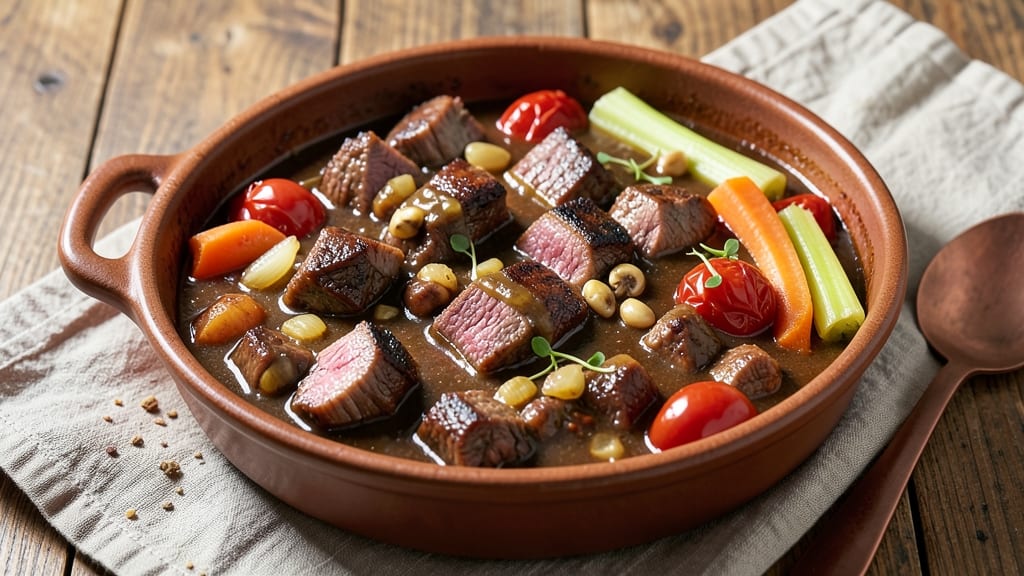
This authentic beef ragu recipe transforms tough cuts of beef into melt-in-your-mouth perfection through slow simmering and layered Italian flavors. The secret lies in proper browning, deglazing with white wine, and patient reduction—techniques that create a sauce with deep umami complexity and silky texture.
I've perfected this version after years of testing, ensuring every spoonful delivers restaurant-quality richness at home.
The foundation begins with a classic soffritto—onion, celery, and carrot—slow-cooked until sweet and translucent, forming the flavor base. Adding San Marzano tomatoes and dry white wine brightens the sauce, while slow simmering for hours tenderizes the beef and develops its natural sweetness.
This isn't just a sauce; it's a labor of love that transforms simple ingredients into something extraordinary.
By the time your ragu is complete, you'll have a velvety sauce with tender beef chunks that practically dissolve on your tongue. The aroma alone—warm, spiced, and deeply savory—will have everyone gathered around the table.
Serve it over al dente tagliatelle or creamy polenta, and you've created a meal worthy of any Italian trattoria.
What makes this recipe truly authentic is the attention to detail: proper meat selection, slow cooking times, and the right balance of acidity and richness. The result is a dish that feels special yet remains approachable for home cooks. Let's create something memorable together.
Ingredients for authentic beef ragu
The heart of Italian comfort: rich beef, aromatic soffritto, and slow-simmered depth for a ragu worthy of any trattoria table.
| Ingredient | Amount | Notes |
|---|---|---|
| Chuck Roast 🥩 | 2 lb | Well-marbled, cut into 1-inch cubes |
| Yellow Onion 🧅 | 1 whole | Medium size, finely chopped |
| Celery Stalks 🌿 | 3 whole | Trimmed, chopped into 1/2-inch pieces |
| Carrots 🥕 | 2 whole | Medium size, chopped into 1/2-inch pieces |
| Garlic Cloves 🧄 | 4 cloves | Peeled, thinly sliced |
| San Marzano Tomatoes 🍅 | 28 oz | Crushed by hand, whole can |
| Dry White Wine 🍷 | 1 cup | Sauvignon Blanc or Pinot Grigio |
| Beef Broth 💧 | 2 cups | Homemade or high-quality store-bought |
| Tomato Paste 🍅 | 2 tbsp | Smooth, not chunky |
| Olive Oil 🫒 | ¼ cup | Extra-virgin, fruity variety |
| Fresh Rosemary 🌿 | ½ tsp | Finely chopped, or 0.25 tsp dried |
| Fresh Thyme 🌿 | 1 tsp | Leaves only, finely chopped |
| Bay Leaves 🍃 | 2 whole | Fresh preferred, dried works |
| Salt 🧂 | 1 ½ tsp | Diamond Crystal kosher salt |
| Ground Black Pepper 🌶️ | ½ tsp | Freshly ground preferred |
The beef is non-negotiable—chuck roast with good marbling breaks down beautifully during slow cooking. Look for cuts labeled 'chuck' at Whole Foods or your local butcher; avoid sirloin or flank steak, which stay tough. For the soffritto, Italian markets often sell pre-chopped mirepoix, but chopping your own onion, celery, and carrot gives you better control. San Marzano tomatoes are worth the splurge—they're sweeter and less acidic, which balances the wine and beef perfectly. If you can't find them, Muir Glen is a solid alternative. The wine should be dry—Sauvignon Blanc or Pinot Grigio work best, but whatever you've got open will do in a pinch.
No white wine? Dry vermouth or apple cider vinegar adds acidity without overpowering. Fresh herbs are ideal, but dried rosemary and thyme at one-third the amount work if you're short on time. The tomato paste can be substituted with 2 tbsp tomato sauce if you're avoiding canned tomatoes. For the beef broth, homemade is best, but Pacific Foods or Imagine brands are reliable store-bought options. If you're using dried bay leaves, crush them lightly between your palms before adding—they release flavor more effectively. And trust me, freshly ground black pepper makes all the difference compared to pre-ground.
This ragu only gets better with time, so make a big batch. It keeps 5-6 days in the fridge, or 3 months frozen—portion into containers before freezing for easy lunches. The sauce thickens as it cools, so add a splash of broth or water when reheating. For leftovers, store in airtight containers with a layer of olive oil on top to preserve freshness. And if you're serving it over pasta, salt the water generously—the ragu will soak up the flavor.
Why You'll Love This Recipe
- One-Pot Magic: I swear by this—just toss in the chuck roast, onions, celery, carrots, and garlic, then let the slow cooker do the work. No extra pans, no stress, and that deep, rich flavor builds itself right in the pot.
- Deep Umami Bomb: That chuck roast? It melts into pure, savory bliss when it simmers long enough. The onions caramelize just enough to sweeten the sauce, while the garlic cloves turn into fragrant little nuggets of flavor—every bite is a slow-cooked masterpiece.
- Leftovers That Save Me: Honestly, this dish only gets better the next day. I make a double batch on Sundays, freeze half, and pull it out for lazy nights or when company drops by. The sauce thickens up perfectly, and reheating it feels like a warm hug.
- Budget-Friendly Feast: Chuck roast is cheap, and this recipe stretches it into enough ragu for four or five servings. Between us, I’ve fed my whole family plus a couple of neighbors with one big pot—no one ever complains about the portions, either.
Step-by-step instructions for authentic beef ragu
Here's how to craft a ragu that captures Italy's slow-simmered soul—deep umami, melt-in-your-mouth texture, and layers of aromatic complexity.
Build the Flavor Foundation
Heat the 0.25 cup olive oil in a heavy Dutch oven over medium heat until shimmering but not smoking. Add the 2 lb chuck roast cut into 1-inch cubes and sear undisturbed for 4-5 minutes per side until deeply browned. This step develops the rich, caramelized base that carries the dish.
Remove the meat and set aside. In the same pot, add the 1 whole yellow onion, 3 whole celery stalks, and 2 whole carrots—all chopped to ½-inch pieces. Cook for 8-10 minutes until softened but not browned. Stir in the 4 cloves garlic cloves and cook for 30 seconds until fragrant—this prevents bitterness. Here's the thing—don't rush this step. The vegetables need time to release their natural sweetness into the oil.
Develop the Sauce Base
Reduce heat to low and stir in the 2 tbsp tomato paste, spreading it evenly over the bottom of the pot. Cook for 2 minutes until the paste darkens slightly. Pour in the 1 cup dry white wine and scrape up any browned bits from the bottom—this technique, called deglazing, captures all the flavor locked in the fond.
Add the 28 oz San Marzano tomatoes (crushed by hand) and 2 cups beef broth. Stir in the 0.5 tsp fresh rosemary, 1 tsp fresh thyme, 2 whole bay leaves, 1.5 tsp salt, and 0.5 tsp ground black pepper. Return the browned meat to the pot and bring to a gentle simmer. This is where patience pays off—real ragu develops its depth through time.
Slow-Simmer for Maximum Flavor
Cover the pot and simmer at a bare bubble—this means the liquid should barely move—over low heat for 2.5-3 hours. Stir occasionally to prevent sticking, but don't obsess. The goal is to break down the connective tissue in the chuck roast while allowing the flavors to meld. You'll know it's ready when the meat is fork-tender and the sauce has thickened to a velvety consistency.
Real talk: This isn't a step you can rush. The collagen in the meat needs time to convert to gelatin, creating that signature silky texture. If the sauce reduces too quickly, add a splash of water or broth to maintain the proper consistency. The sauce should coat the back of a spoon when you lift it from the pot.
Finish and Adjust
Once the meat is tender, remove the bay leaves and discard them. Taste the sauce and adjust seasoning if needed—this is your final opportunity to balance the flavors. For authentic depth, I often add a pinch of sugar (about ½ teaspoon) to round out any acidity from the tomatoes. This subtle touch brings everything into harmony.
Simmer uncovered for another 15-20 minutes to thicken the sauce further. The ragu should be rich enough to coat the back of a spoon but still have enough body to cling to pasta. If you're serving it over fresh egg noodles or pappardelle, you might want to reserve some of the cooking liquid to thin the sauce slightly when tossing.
Serve with Confidence
Ladle the ragu over al dente pasta, tossing gently to coat each strand. The key here is to serve it immediately—ragu tastes best fresh from the pot. Garnish with additional fresh thyme leaves or a sprinkle of grated Parmesan cheese for an authentic touch. Each bite should deliver layers of umami from the slow-cooked meat, bright acidity from the tomatoes, and aromatic complexity from the herbs.
This ragu keeps well in the refrigerator for up to 5 days and actually improves with time as the flavors continue to develop. The next day, you might want to add a splash of water or broth to loosen the sauce before reheating. Trust me—this is how it's meant to be enjoyed, one rich, flavorful spoonful at a time.
Pro Tips For Making Authentic Beef Ragu
- Sear the Chuck First: Hit that roast with a screaming-hot pan—no rushing, no half-hearted attempts. A deep, caramelized crust locks in flavor and keeps the meat from turning to mush later. I learned this the hard way when I skipped it and ended up with gray, bland beef.
- Dice the Miserables: Onion, celery, carrots—cut them into tiny, even pieces (about ¼-inch cubes). Big chunks mean uneven cooking and a ragu that’s still raw in spots. My grandmother called them "miserables" because they take forever to soften if you’re lazy. Do it right, or regret it later.
- Deglaze Aggressively: After browning the meat, scrape every last bit of fond from the pan with wine or broth—no lazy swirling. That crust holds half the flavor, and skipping it means a dull, watery ragu. Use a wooden spoon like you’re mad at it.
- Simmer, Don’t Boil: Keep the heat low enough that you barely see bubbles, or the ragu will turn into a gluey mess. A slow simmer (2-3 hours) breaks down the meat and melds the flavors without curdling the sauce. I used to walk away and come back to a disaster—now I check it every 30 minutes.
Pro cooking tips for this recipe
Meat Browning Mastery
For authentic ragu, proper browning is non-negotiable—this creates the rich, caramelized foundation. Use a heavy Dutch oven (I love All-Clad) and sear the beef in batches if needed to avoid crowding.
The goal is deep golden-brown crusts on each piece, which takes 4-5 minutes per side over medium-high heat. Don’t stir until each side develops that perfect crust—this is where the Maillard reaction works its magic. 🔥
Deglazing Like a Pro
After removing the meat, scrape up those browned bits (fond) from the bottom of the pot—this is where 50% of the flavor hides. Pour in the 1 cup dry white wine (Sauvignon Blanc works best) and let it simmer for 2-3 minutes until reduced by half.
This step transforms simple wine into a complex, aromatic base that carries the entire dish. Never skip it!
Low-and-Slow Simmering
Patience is key here—your ragu needs 2.5-3 hours of gentle simmering at barely a bubble (just enough to keep liquid moving). I use a lid slightly ajar to allow moisture to escape while preventing a hard crust from forming.
Check the meat occasionally—it should fork-tender by the end. If the sauce reduces too quickly, add 2 tbsp beef broth at a time to maintain consistency.
Herb and Seasoning Balance
Fresh herbs make all the difference—0.5 tsp rosemary and 1 tsp thyme should be finely chopped and added early. Taste the sauce before removing bay leaves (around the 2-hour mark) and adjust seasoning.
I often add a pinch of sugar (½ tsp) to balance acidity from tomatoes. The sauce should be rich but not overpowering, with bright tomato notes and deep umami from the beef.
Texture Control Secrets
The perfect ragu has a velvety yet substantial texture. If it’s too thick, add 1-2 tbsp broth and simmer uncovered for 15-20 minutes to reduce again. For serving over pasta, reserve ¼ cup cooking liquid to loosen the sauce slightly when tossing.
The sauce should coat the back of a spoon but still cling beautifully to al dente pasta. 💫
Equipment Upgrades
Invest in a heavy Dutch oven (like Le Creuset) for even heat distribution and a meat thermometer to track internal temp—beef should reach 195°F for perfect tenderness. A wooden spoon helps scrape up fond during deglazing without scratching your pot.
And don’t forget a fine-mesh strainer for crushing San Marzano tomatoes by hand—this removes skins for a smoother sauce.
Nutrition facts
Frequently asked questions
Can I substitute chuck roast with another beef cut?
For authentic results, stick with chuck roast—its fat marbling breaks down beautifully during slow cooking. If unavailable, try brisket or short ribs (cut into 1-inch cubes), but avoid lean cuts like sirloin. The key is connective tissue that melts into the sauce. For a quicker version, use ground beef (80/20 blend) but reduce cooking time to 1.5 hours.
What's the best pasta shape for beef ragu?
Traditionally, use tagliatelle or pappardelle—wide, flat noodles that cradle the rich sauce. For a rustic touch, try fresh egg noodles or rigatoni. Avoid thin strands like spaghetti, which can get lost. Pro tip: Cook pasta 1 minute less than package instructions—it'll finish cooking in the hot ragu.
Why does my ragu taste too acidic?
Acidity comes from tomatoes and wine. Balance it by adding ½ teaspoon sugar or 1 teaspoon balsamic vinegar (simmered in for 5 minutes). For depth, stir in 1 tablespoon tomato paste at the end. If the wine overpowers, reduce it by half next time—½ cup works well. Remember, slow simmering reduces acidity over time.
Can I make this ragu in an Instant Pot?
Yes! Sear the beef in a skillet first, then transfer to the Instant Pot with all ingredients. Cook on high pressure for 60 minutes, then natural release for 15 minutes. The texture will be slightly different (less gelatinous), but still delicious. For extra richness, finish with 1 tablespoon butter and grated Parmesan.
How do I reheat leftover ragu?
Gently reheat on low heat in a saucepan with 2-3 tablespoons broth to loosen the sauce. Avoid microwaving—it makes the sauce watery. For best results, reheat just until warmed through (5-7 minutes). If too thick, add more broth and simmer uncovered for 10 minutes to reduce again.