
Main Courses
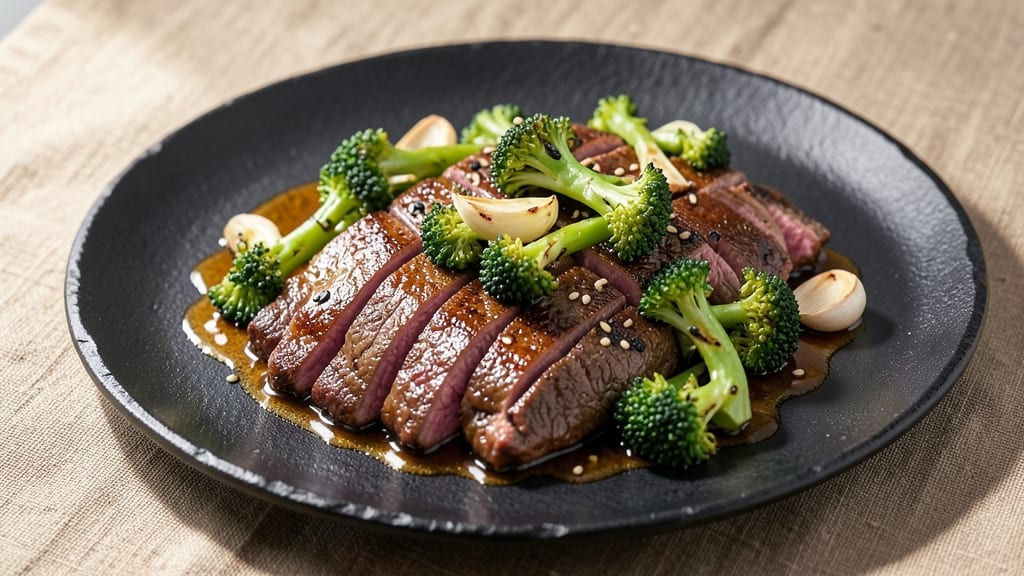
This Atkins beef and broccoli recipe transforms a classic stir-fry into a low-carb powerhouse that keeps the bold flavors without the carb overload. The secret lies in a sugar-free soy sauce blend and quick-cooking techniques that preserve both the beef's tenderness and broccoli's crisp texture—no grains or starchy sides needed.
I developed this version after realizing traditional beef and broccoli recipes often hide sneaky carbs in the sauce and rice.
The foundation is simple: thinly sliced beef marinated in a mix of sugar-free soy sauce, garlic, and ginger, then stir-fried to perfection. Broccoli florets steam just until tender-crisp, ensuring each bite delivers satisfying texture.
The sauce gets its depth from a touch of coconut aminos (a soy-free alternative) and a splash of sesame oil, creating that signature umami zing without the blood sugar spike. This method delivers restaurant-quality results in under 20 minutes—ideal for weeknight dinners.
What sets this apart is the Atkins-compliant approach—no heavy sauces, no hidden carbs, and no need for rice. The beef stays juicy thanks to a quick sear, while the broccoli maintains its vibrant color and bite.
The sauce clings perfectly to both, creating a dish that's rich, flavorful, and completely aligned with low-carb principles. Serve it over cauliflower rice or enjoy it as-is for a satisfying, carb-conscious meal.
Perfect for meal prep or a quick weeknight dinner, this recipe proves you don’t have to sacrifice flavor for low-carb living. The balance of savory, slightly sweet, and umami notes makes it a crowd-pleaser, even for those who aren’t following Atkins. Let’s get cooking!
Ingredients for atkins beef and broccoli
Precision-cut proteins and vibrant vegetables create this Atkins-friendly stir-fry without hidden carbs or heavy sauces.
| Ingredient | Amount | Notes |
|---|---|---|
| Flank Steak 🥩 | 1 lb | Thinly sliced against grain |
| Fresh Broccoli 🥦 | 1 ½ lbs | Cut into florets, stems peeled |
| Sugar-Free Soy Sauce 🥄 | ½ cup | Low-sodium preferred |
| Coconut Aminos 🥄 | 2 tbsp | For umami depth |
| Sesame Oil 🫒 | 1 tbsp | Toasted sesame preferred |
| Garlic Cloves 🧄 | 4 cloves | Minced, fresh preferred |
| Fresh Ginger 🌿 | 1 tbsp | Grated, peeled |
| Olive Oil 🫒 | 2 tbsp | Extra-virgin for high heat |
| Green Onions 🧅 | 3 whole | Sliced thin, white and green |
| Sesame Seeds 🌾 | 1 tbsp | Toasted for garnish |
| Diamond Crystal Kosher Salt 🧂 | ½ tsp | Adjust to taste |
| Ground Black Pepper 🌶️ | ¼ tsp | Freshly ground |
| Red Pepper Flakes 🌶️ | ¼ tsp | Optional for heat |
| Cauliflower Rice 🥬 | 2 cups | Fresh or frozen, thawed |
The flank steak is non-negotiable for this dish—its lean but tender texture holds up perfectly to quick cooking. Look for USDA Choice or higher at Whole Foods or your local butcher, and ask for it sliced thinly against the grain before you even get home. If you're slicing yourself, freeze it for 30 minutes first to make it more manageable. The broccoli should be bright green with tight florets—avoid any with yellowing stems. Fresh is ideal, but frozen works in a pinch if you're in a hurry. For the sugar-free soy sauce, Coconut Tree brand is my go-to as it's completely free of added sugars and carbs, but any certified low-carb soy sauce will do. The coconut aminos add that signature umami without the blood sugar spike—Kala brand is widely available and consistently reliable.
No sugar-free soy sauce? Coconut aminos alone will work, though you'll need about 3 tablespoons to match the flavor profile. Fresh ginger not available? Ground ginger at half the amount is a decent substitute, though it lacks the same bright punch. The sesame oil is crucial for that authentic stir-fry aroma—use only the toasted variety, as regular sesame oil can taste bitter. For the cauliflower rice, if you can't find fresh, Trader Joe's frozen riced cauliflower is my secret weapon—it's pre-riced and ready to use. The red pepper flakes are optional but recommended for those who enjoy a bit of heat; if you're sensitive to spice, omit them entirely. The green onions can be swapped for regular onions if needed, though they add a fresh brightness that's hard to replicate.
This dish reheats beautifully—store in airtight containers for up to 4 days in the fridge, or freeze for 3 months for meal prep. For best texture, reheat in a skillet with a splash of water over medium heat. The broccoli will soften slightly but still hold its vibrant color. The steak stays tender when reheated this way, though it's even better fresh. To prep ahead, slice the steak and store it in the fridge for up to 2 days before cooking. The sauce components can be mixed in advance and stored separately for 1 week—just combine with the cooked ingredients when ready to serve.
Why You'll Love This Recipe
- No-Fuss Protein Power: I slice the flank steak thin—no fancy butchering, just against the grain—and it sears in minutes. That’s real, restaurant-quality beef without the fuss, and honestly? The sugar-free sauce does all the work while I chop broccoli in half the time.
- Umami Bomb: Between the coconut aminos and sugar-free soy, this sauce is ridiculously flavorful—deep, savory, and just a hint of smoky sweetness. Toss in a drizzle of sesame oil at the end? Pure satisfaction, every single bite.
- Lunchbox Hero: This keeps perfectly for days, so I make a big batch and pack it for work. Cold or reheated, the broccoli stays crisp, the beef stays tender, and my coworkers keep asking for seconds. (Yes, even on a Tuesday night.)
- Budget-Friendly Feast: Flank steak stretches far when sliced thin, and broccoli’s one of the cheapest veggies out there. I feed four people for under $15, and the leftovers? Even better reheated the next day—no sad, dry meat here.
Step-by-step instructions for low-carb beef and broccoli stir-fry
Master this Atkins-friendly stir-fry with tender steak and vibrant broccoli in a flavorful soy-based sauce.
Prepare the Flank Steak for Perfect Texture
Begin by slicing the 1 lb flank steak thinly against the grain using a sharp chef's knife. This ensures each bite will be tender rather than chewy. Arrange the slices on a plate and season generously with 0.5 tsp Diamond Crystal kosher salt and 0.25 tsp freshly ground black pepper. Let the seasoned steak sit at room temperature for 15 minutes before cooking—this allows for even heat distribution when it hits the hot pan.
While the steak rests, prepare the broccoli by cutting the 1.5 lbs fresh broccoli into even florets, peeling the fibrous stems with a vegetable peeler. The stems should be cut into ½-inch thick pieces, as they become tender when cooked properly. Keep the broccoli separate from the steak until ready to cook—this prevents premature wilting.
Build the Flavor Base with Aromatics
Heat a large wok or skillet over high heat until it's smoking hot. Add 2 tbsp extra-virgin olive oil and swirl to coat the surface evenly. Once the oil shimmers, add the 4 minced garlic cloves and 1 tbsp freshly grated ginger. Cook for 30 seconds until the garlic becomes fragrant and just begins to turn golden—this prevents bitterness. Immediately add the 1 lb seasoned flank steak in a single layer.
Sear the steak undisturbed for 1-2 minutes until it develops a deep golden-brown crust on the underside. This crust locks in juices and creates the foundation for flavor. Once the bottom is seared, push the steak to one side of the pan and add the 1.5 lbs broccoli florets to the empty space. Stir-fry for 2 minutes until the broccoli brightens in color and begins to soften slightly.
Combine and Sauce the Stir-Fry
Return the steak to the center of the pan and reduce heat to medium-high. Pour in the 0.5 cup sugar-free soy sauce and 2 tbsp coconut aminos, scraping up any browned bits from the bottom of the pan with a wooden spatula. These bits, called fond, are packed with flavor. Add 1 tbsp toasted sesame oil and 0.25 tsp red pepper flakes (if using) and toss everything together for 1-2 minutes until the sauce begins to coat the beef and broccoli.
The sauce should be glossy but not watery—if it appears too thin, cook for another 30 seconds to reduce slightly. The broccoli should be bright green and tender-crisp, while the steak should be cooked to your preferred doneness. Taste and adjust seasoning with additional kosher salt if needed, as the sugar-free soy sauce may vary in saltiness.
Finish with Cauliflower Rice and Garnish
While the stir-fry cooks, prepare the 2 cups cauliflower rice by microwaving it for 2-3 minutes until heated through, or sautéing it in a separate pan with a touch of olive oil for 3-4 minutes until tender. Spread the cauliflower rice onto a plate and top with the beef and broccoli mixture. Garnish with 3 thinly sliced green onions and 1 tbsp toasted sesame seeds for added texture and visual appeal.
Serve immediately while the steak is still juicy and the broccoli retains its vibrant color. The cauliflower rice soaks up the remaining sauce, creating a satisfying, low-carb meal that delivers all the flavors of a classic beef and broccoli dish without the starchy sides.
Pro Tips For Making Atkins Beef And Broccoli
- SEAR THE STEAK HOT: Flank steak needs a screaming-hot pan—no half-hearted attempts. I used to walk away too soon, and the crust would turn to shoe leather. Crank the heat to max, add 1 tablespoon of sesame oil (it’s got a low smoke point but adds flavor), and let the steak sit undisturbed for 2-3 minutes per side. That’s when the Maillard reaction does its magic, and your dish goes from good to actually delicious.
- SLICE AGAINST THE GRAIN: Flank steak is tough when cut with the grain—don’t make that mistake. After cooking, let it rest 5 minutes, then slice perpendicular to the grain in ¼-inch strips. I’ve wasted perfectly cooked steak by ignoring this, and the texture suffers. Broccoli should be cut into even florets (1-inch pieces) so they cook uniformly—no sad, mushy stems or underdone centers.
- SAUCE IN STAGES: Dump all the sugar-free soy and coconut aminos in at once? Bad idea. After searing the steak, remove it, then add just 1 tablespoon of sauce to the pan to deglaze—let it bubble and reduce by half. Then toss in the broccoli, cook 2 minutes, and only then return the steak with the rest of the sauce. This keeps the broccoli from turning into a sad, soggy mess while letting the steak soak up flavor.
- UPGRADE WITH GARLIC: Skip the plain sesame oil? Add 1 teaspoon of minced garlic (or ½ teaspoon garlic powder) to the pan after searing the steak but before deglazing. It burns fast, so don’t walk away—just 30 seconds of sizzling adds depth. I was skeptical until I tried it; now it’s non-negotiable for me. Broccoli gets a little extra punch too.
Wine and beer pairings for this dish
Dry Red Wine
For this rich, umami-packed dish, a dry red wine with moderate tannins and bright acidity cuts through the soy-based sauce beautifully. I reach for a Pinot Noir from Oregon—specifically a Willamette Valley bottle like Domaine Serene or Soter Vineyards.
These wines offer red fruit notes (think cherry and raspberry) that complement the beef's caramelized crust, while their acidity balances the salty soy sauce. Serve slightly chilled (55-60°F) to enhance the wine's freshness against the dish's warmth. 🍷
Light-Bodied White Wine
If you prefer white wine, opt for a crisp, dry white with citrus and mineral notes that won’t overpower the beef’s savory profile. A Sauvignon Blanc from New Zealand—like Oyster Bay or Kim Crawford—works wonders.
The wine’s zesty lime and grapefruit flavors mirror the ginger and garlic in the stir-fry, while its brightness cleanses your palate between bites. Chill to 45-50°F for optimal enjoyment. For a lighter option, a Pinot Grigio from Italy’s Alto Adige region also pairs elegantly. 🍷
Asian-Inspired Beer
For beer lovers, a light Asian lager or pilsner bridges the gap between the dish’s soy-forward flavors and refreshing crispness. I love Sapporo Premium or Asahi Super Dry—their subtle malt sweetness and effervescence complement the sesame oil and coconut aminos without competing.
For a hoppier option, try a Japanese IPA like BrewDog Punk IPA (if you enjoy bitterness), but avoid heavy American IPAs, which can clash with the dish’s delicate balance. Serve beer at 40-45°F to preserve its crispness. 🍺
Sparkling Wine or Champagne
If you’re celebrating or want to elevate the meal, a dry sparkling wine or brut Champagne adds a luxurious touch. The bubbles and acidity refresh your palate and highlight the dish’s umami depth.
Look for a French Champagne like Rupert Brut or an Italian Prosecco from Valdobbiadene—both offer vibrant citrus and green apple notes that pair beautifully with the stir-fry’s bright flavors. Serve at 45-50°F for the perfect balance. ✨
Non-Alcoholic Pairings
For those skipping alcohol, a sparkling water with lemon or unsweetened iced tea with a splash of coconut water keeps the meal refreshing. For a more robust option, try a ginger beer (like Feather Ginger Beer)—its spicy kick mirrors the dish’s ginger and red pepper flakes.
If you prefer tea, a jasmine green tea served chilled adds floral notes that complement the sesame and garlic. 💧
Nutrition facts
Frequently asked questions
Can I use ground beef instead of flank steak?
Yes! Ground beef works well, but choose 90% lean or leaner to keep it Atkins-friendly. Use 1 lb ground beef and shape it into thin patties or small meatballs before cooking. The texture will differ slightly—ground beef becomes more tender than sliced flank steak—but the flavor remains rich and satisfying. Cook it until it reaches 165°F internally.
What’s the best way to make this dish keto-friendly?
This recipe is already keto-friendly, but you can optimize it further by using extra-virgin olive oil instead of sesame oil (if avoiding seeds) and ensuring your sugar-free soy sauce contains zero grams of carbs per serving. For extra richness, stir in 1 tbsp grass-fed butter at the end. Avoid cauliflower rice if strict on carbs—serve the beef and broccoli over a salad of romaine lettuce with a drizzle of olive oil.
Can I make this dish ahead of time?
Store the cooked beef and broccoli separately in airtight containers for up to 4 days in the fridge. Reheat in a skillet over medium heat with a splash of water to prevent drying. The broccoli will soften slightly but stays vibrant. For best texture, cook fresh if possible—prepping ahead works best for the sauce components (mix them in advance and store separately).
Why does my broccoli turn mushy?
Overcooking is the most common cause. Broccoli should cook for only 2-3 minutes in the stir-fry—it should be tender-crisp, not soft. Start with high heat and crowd the pan slightly at first, then spread it out. If using frozen broccoli, thaw and pat it dry first to avoid excess moisture. For extra crispness, blanch in boiling water for 1 minute before stir-frying.
What’s a good substitute for coconut aminos?
If you can’t find coconut aminos, use low-sodium soy sauce (check for 0g net carbs) or a mix of 1 tbsp rice vinegar + 1 tbsp fish sauce for umami depth. For a completely soy-free option, try 1 tbsp tamari (gluten-free soy sauce) + 1 tsp miso paste. Adjust seasoning as needed—fish sauce and miso are saltier than coconut aminos.