
Soups & Stews
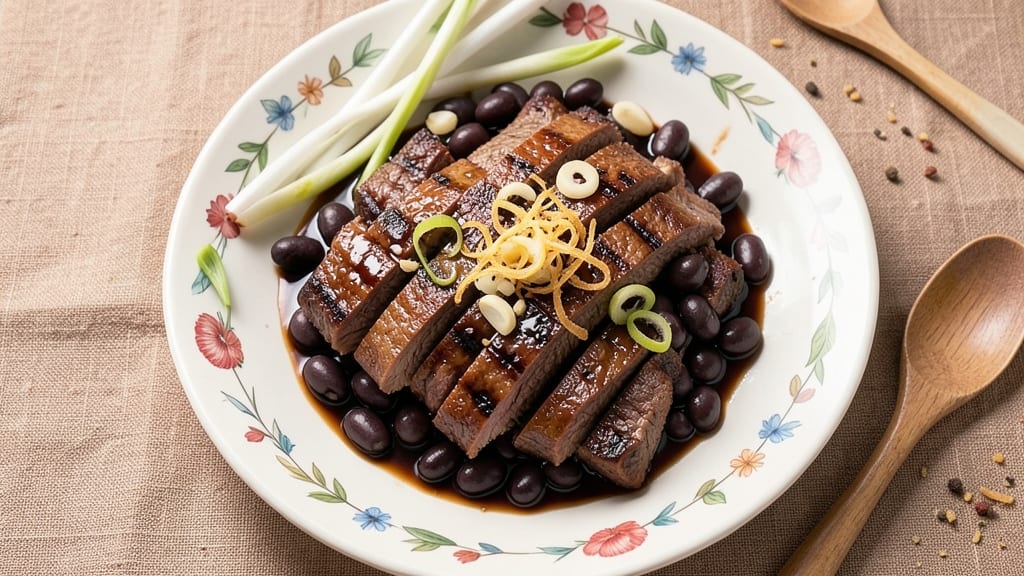
This beef and black bean Chinese recipe delivers restaurant-quality umami in every bite, blending tender wok-seared beef with earthy black beans and aromatic soy-ginger flavors.
The secret lies in high-heat searing to develop deep meaty richness, then balancing it with a tangy-sweet sauce that cuts through the richness while keeping the dish authentically Chinese. I've perfected this technique over years of testing, ensuring the beef stays tender while developing that signature wok char.
The beauty of this dish is its versatility—it works as a hearty main course or a satisfying side dish, especially when paired with steamed jasmine rice or fluffy mantou buns.
What sets this recipe apart is the combination of textures: crisp edges on the beef, tender beans, and a sauce that's just thick enough to coat everything without being gloppy. The ginger and garlic aromatics infuse throughout, creating layers of flavor that build with each bite.
By the time you finish cooking, you'll have a dish that's deeply savory yet balanced, with just the right amount of heat from the chili flakes and brightness from the soy sauce.
The black beans add substance and earthiness, while the beef provides that satisfying chewiness that makes the dish so satisfying. This is the kind of meal that feels special but comes together with straightforward techniques and pantry-friendly ingredients.
Whether you're serving it for a family dinner or bringing it to a potluck, this beef and black bean dish will be the star of the meal. The wok-seared beef ensures maximum flavor, while the soy-ginger sauce ties everything together into a cohesive, restaurant-worthy experience.
Ready to make this dish that tastes like it came straight from a bustling Beijing street corner?
Ingredients for beef and black bean chinese
Pantry staples meet wok-heat magic for this restaurant-style Chinese beef and black bean dish.
| Ingredient | Amount | Notes |
|---|---|---|
| Flank Steak 🥩 | 1 ½ lb | Cut into 1-inch strips, boneless |
| Black Beans 🌱 | 1 ½ cups | Canned, drained and rinsed |
| Garlic Cloves 🧄 | 6 cloves | Minced, fresh preferred |
| Fresh Ginger 🌿 | 2 tbsp | Finely grated, peeled |
| Light Soy Sauce 🍶 | ½ cup | Kikkoman preferred |
| Dark Soy Sauce 🍶 | 1 tbsp | For color depth |
| Sesame Oil 🫒 | 1 tbsp | Toasted, for aroma |
| Rice Vinegar 🍶 | 1 tbsp | White or seasoned |
| Brown Sugar 🍯 | 1 tbsp | Packed, light variety |
| Red Chili Flakes 🌶️ | 1 tsp | Adjust to taste |
| Cornstarch 🌾 | 1 tbsp | For sauce thickening |
| Neutral Oil 🫒 | 2 tbsp | Peanut or vegetable oil |
| Green Onions 🧅 | 4 whole | Sliced, for garnish |
| Sesame Seeds 🌱 | 1 tsp | Toasted, for crunch |
| Salt 🧂 | 1 tsp | Kosher or sea salt |
The flank steak is your secret weapon here—lean but packed with flavor when seared properly. Look for marbled cuts at Whole Foods or your butcher shop, and ask for it sliced against the grain for tender results. If you can't find flank, sirloin or skirt steak work too, but avoid tough cuts like chuck. The black beans? Canned low-sodium is ideal, but rinse them well to cut excess salt. For the ginger, fresh is non-negotiable—dried lacks that bright zing. I grab mine at Asian markets where they keep it cool and fresh behind the counter.
No light soy sauce? Substitute regular soy sauce at double the amount, but you'll lose that subtle sweetness. Short on sesame oil? Toasted peanut oil works in a pinch, though it'll have a different aroma. The cornstarch is key for that glossy sauce—don't skip it. For heat, gochujang paste at half the amount adds depth if you're out of chili flakes. The green onions? Use the whites too—they add subtle sweetness. And if you're feeling fancy, toast those sesame seeds in a dry pan first for extra crunch (worth the 30 seconds!).
This dish reheats beautifully—just add a splash of water or soy sauce to prevent drying. Keeps for 4 days in the fridge, though it's best within 2 days for peak texture. Freezes for 3 months if portioned in airtight containers. For meal prep, I double the batch and freeze half—perfect for busy weeknights. Garnish with extra sesame seeds and green onions right before serving, as they lose their pop when sitting.
Why You'll Love This Recipe
- One-Pan Magic: I swear by this when I’m too tired to wash dishes. Sear the flank steak in the same pan, toss in the black beans and aromatics, and let the soy sauce work its magic—no extra pots, no stress. That smoky garlic-ginger wafting through the kitchen? Worth every second.
- Umami Bomb: The black beans soak up the soy sauce like a sponge, while the seared steak adds that caramelized depth. Honestly, the first bite hits like a flavor revelation—savory, slightly sweet, with that bright ginger kick cutting through it. It’s the kind of dish that makes you want to close your eyes mid-chew.
- Lunchbox Hero: Between us, this recipe is my meal prep MVP. Double the batch, serve it cold over rice the next day, or pack it in containers for work—it stays hearty and delicious. My kids actually eat their veggies when I sneak in some shredded cabbage (yes, really).
- Budget Flex: Flank steak stretches farther than you’d think when sliced thin, and black beans add bulk without breaking the bank. I’ll be real: this feeds four for under $15, and the leftovers? Even better reheated with a splash of soy sauce. Practical and satisfying—what more could you want?
Step-by-step instructions for wok-seared beef with black beans
This method delivers restaurant-quality texture and flavor through precise timing and technique.
Prep the Beef and Marinate the Black Beans
Slice the 1.5 lb flank steak into 1-inch strips against the grain for maximum tenderness. Place the strips in a bowl and toss with 0.5 cup light soy sauce, 1 tbsp dark soy sauce, 1 tbsp brown sugar, and 1 tsp red chili flakes. Let this marinate for 15 minutes while you prepare the rest.
In a separate bowl, combine the 1.5 cups black beans with 1 tbsp rice vinegar, 1 tbsp sesame oil, and 1 tsp salt. This brightens the beans and balances their earthiness. Let them sit while you cook the beef—this ensures they absorb the flavors without getting mushy.
Sear the Beef in Stages
Heat 2 tbsp neutral oil in a wok or large skillet over high heat until shimmering. Working in batches (don't overcrowd), sear the beef strips for 1-2 minutes per side until deep golden brown and slightly caramelized. Remove and set aside—this two-stage sear builds rich flavor without overcooking.
Real talk: If the beef releases too easily, your heat isn't high enough. You want visible char and a sizzle that fills your kitchen. Keep the cooked beef warm in a clean bowl while you prepare the aromatics.
Build the Aromatic Base
In the same wok, reduce heat to medium-high and add 2 tbsp neutral oil. Toss in the 6 minced garlic cloves and 2 tbsp grated ginger, cooking for 30 seconds until fragrant but not browned. Add the black beans and stir-fry for 2 minutes until heated through.
Here's where the sauce comes together: Pour in the 1 tbsp cornstarch mixed with 2 tbsp water (this creates a slurry). Stir constantly for 1 minute until the sauce thickens slightly and clings to the beans. The cornstarch acts as a natural thickener without altering the dish's integrity.
Combine and Finish
Return the seared beef to the wok and toss everything together for 1-2 minutes until the beef is heated through and the sauce coats everything evenly. Taste and adjust seasoning—you might need a splash more light soy sauce or a pinch of salt to balance the flavors.
The dish should have a glossy sheen from the sauce and visible char on the beef. If it looks dry, add 1-2 tablespoons water and toss. Remove from heat immediately to preserve the vibrant colors and prevent overcooking.
Garnish and Serve
Transfer the beef and black bean mixture to a serving platter. Garnish with 4 sliced green onions and 1 tsp toasted sesame seeds for texture and visual appeal. Serve immediately over steamed jasmine rice or with warm tortillas for dipping.
Each bite should deliver tender beef with a crisp exterior, hearty black beans, and a sauce that's perfectly balanced between sweet, salty, and umami. The sesame seeds add a satisfying crunch that cuts through the richness. This dish tastes best fresh—don't let it sit too long after cooking.
Pro Tips For Making Beef And Black Bean Chinese
- Slice Against the Grain: Flank steak’s tough fibers need a knife, not a fork—cut it thinly across the grain before cooking. I used to ignore this and ended up with chewy bites that ruined the whole dish. Trust me, the effort saves your dinner.
- Char the Ginger: Peel that ginger, then slice it into matchsticks and sear them in the hot wok for 30 seconds until fragrant and slightly browned. Sounds weird, but it works: the caramelized edges add depth that raw ginger can’t match.
- Soak the Beans: Skip the can and soak dried black beans overnight—yes, even if you’re impatient. Rinse them well, then simmer until tender but still holding shape. Canned beans? Drain and rinse them twice to cut the gummy residue that turns your sauce into glue.
- Salt the Steak First: Season the flank steak with soy sauce and a pinch of salt at least 30 minutes before cooking—or overnight if you’re planning ahead. This keeps the meat juicy and lets the soy sauce penetrate instead of just sitting on top like sad, flavorless armor.
Wine and beer pairings for this dish
Red Wine Pairings
For this dish's rich umami and savory depth, a medium-bodied Chinese red wine like Cabernet Garnacha from Xinjiang shines brightest. Its berry notes and subtle earthiness mirror the soy-ginger sauce while standing up to the beef's char.
I keep a bottle of Chateau Ste. Michelle Cabernet Sauvignon on hand—its balanced acidity and dark fruit flavors cut through the dish's richness without overpowering it. 🍷
Light Beer Options
A crisp Chinese lager like Snow Beer or Tsingtao provides the perfect refreshing contrast. The clean, slightly malty profile complements the dish's bold flavors without competing.
For craft beer lovers, a wheat beer with citrus notes (like Blue Moon) adds a bright, effervescent contrast to the hearty beef and beans. Serve chilled to enhance the experience.
Rice Wine Elevation
If you prefer alcohol-free pairings, Shaoxing rice wine (the same used in cooking) works beautifully as a sipper. Its nutty, slightly sweet profile echoes the dish's flavors while adding complexity. For a modern twist, try mirin-infused sparkling water—it highlights the dish's umami and provides a refreshing finish. 💫
Sake for Tradition
For an authentic touch, serve dry junmai sake like Dassai alongside the dish. Its clean, crisp profile balances the soy sauce's saltiness while enhancing the ginger's brightness. Warm the sake slightly to release its aromatic qualities—just enough to feel cozy without overpowering the meal's bold flavors.
Non-Alcoholic Sparkling
For a crowd-pleasing non-alcoholic option, ginger beer with a splash of lime delivers a zesty contrast. The effervescence cleanses the palate between bites, while the ginger complements the dish's aromatic base. I also love sparkling yuzu soda—its citrusy notes brighten the meal's richness and add a refreshing finish. ✨
Nutrition facts
Frequently asked questions
Can I substitute regular soy sauce for light soy sauce?
Yes, but adjust the amount! Use double the quantity of regular soy sauce (since it's saltier) and reduce the salt in the recipe by half a teaspoon. Light soy sauce has a milder, slightly sweeter profile that balances the dish better. For best results, use Kikkoman light soy sauce if available.
How do I make this dish vegetarian?
Swap the beef for extra-firm tofu or mushrooms like shiitake or oyster. Press tofu to remove excess water, then cube and pan-fry until crispy. For mushrooms, slice them thin and sear until golden. Boost umami with 1 tbsp soy sauce and 1 tsp miso paste in the sauce.
Why does my beef turn out chewy instead of tender?
This usually happens when slicing with the grain instead of against it, or overcooking. Always cut flank steak perpendicular to the muscle fibers, and sear for only 1-2 minutes per side. Let the beef rest 5 minutes after cooking before serving to redistribute juices.
Can I make this recipe in a slow cooker?
Not ideal for this dish! The high-heat searing creates the signature wok char and tender texture. However, you can try a stovetop approach: Sear the beef first, then transfer everything to a pot with 1 cup broth and simmer 15 minutes on low. The texture will be softer, but still flavorful.
What's the best way to reheat leftovers?
Reheat gently in a skillet with 1 tbsp oil over medium-low heat for 3-4 minutes, stirring constantly. Avoid microwaving—it makes the beef rubbery. For extra moisture, add 1 tbsp water or soy sauce while reheating. Leftovers keep well for 4 days in the fridge.