
Soups & Stews
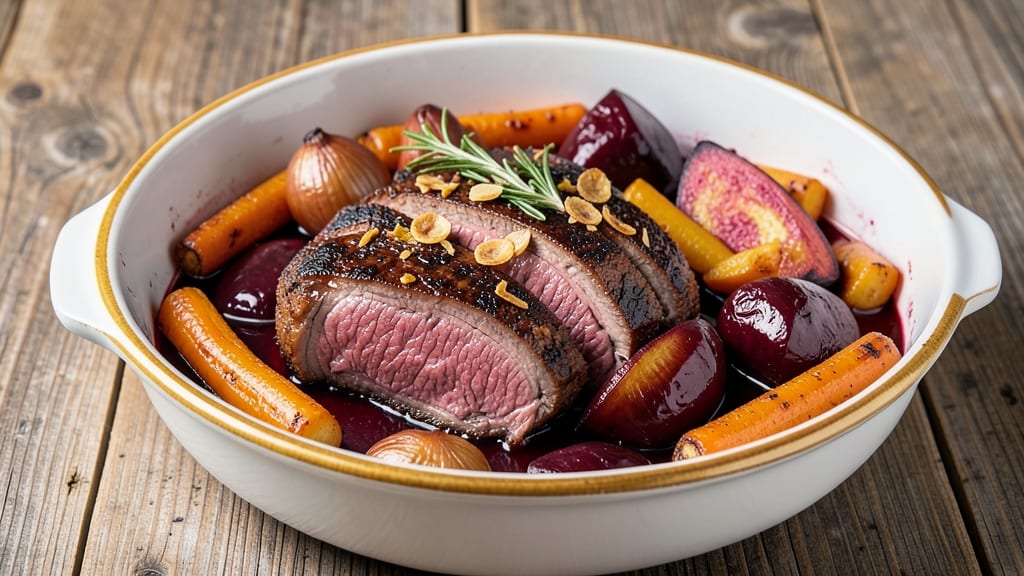
This beef and beets recipe transforms humble ingredients into a rich, hearty dish where earthy sweetness and deep savory flavors collide. The secret lies in slow-braising beef until tender while roasting beets to caramelized perfection—each bite delivers a perfect balance of meaty richness and natural sweetness that lingers.
I developed this after years of experimenting with braised dishes, and it’s now my go-to for comforting weeknight dinners that feel like a restaurant meal.
The process is straightforward but rewarding: sear beef to lock in flavor, then simmer it low and slow with aromatics until fork-tender. Meanwhile, roasted beets add vibrant color and a sweet-tangy contrast that brightens the dish.
The result is a stew-like masterpiece with deep umami notes from the beef and a touch of earthiness from the beets, all tied together in a velvety, aromatic broth. This recipe proves that simple ingredients can create something extraordinary with the right technique.
What makes this dish truly special is its versatility—serve it over mashed potatoes for a heartier meal, or pair it with crusty bread to soak up every last drop of that flavorful sauce.
The beets not only enhance the dish visually but also add a subtle sweetness that cuts through the richness of the beef. Whether you're feeding a family or treating yourself to a cozy meal, this recipe delivers restaurant-quality results with minimal effort.
Ready to elevate your weeknight dinners? This beef and beets recipe is designed to impress without the fuss. With just a few key ingredients and a little patience, you’ll have a dish that’s comforting, elegant, and packed with flavor. Let’s get started—your taste buds will thank you.
Ingredients for beef and beets
Rich, earthy ingredients that transform into a velvety stew with deep umami and natural sweetness.
| Ingredient | Amount | Notes |
|---|---|---|
| Chuck Roast 🥩 | 2 lb | Well-marbled for tenderness |
| Medium Beets 🍠 | 4 whole | With tops removed, scrubbed |
| Yellow Onion 🧅 | 1 whole | Chopped into 1/2-inch pieces |
| Garlic Cloves 🧄 | 4 cloves | Minced for aromatic depth |
| Carrots 🥕 | 3 whole | Cut into 1-inch chunks |
| Red Wine 🍷 | 1 cup | Bold dry variety preferred |
| Beef Broth 💧 | 2 cups | Low-sodium for balance |
| Tomato Paste 🍅 | 2 tbsp | Smooth consistency |
| Fresh Thyme 🌿 | 1 tbsp | Leaves only, chopped |
| Fresh Rosemary 🌿 | 1 tbsp | Needles finely chopped |
| Bay Leaves 🌿 | 2 whole | For subtle earthy notes |
| Olive Oil 🫒 | 2 tbsp | Extra-virgin for richness |
| Kosher Salt 🧂 | 1 ½ tsp | Diamond Crystal preferred |
| Freshly Ground Black Pepper 🌶️ | 1 tsp | Freshly cracked for intensity |
The chuck roast is non-negotiable here—its marbling ensures fork-tender results after slow braising. Costco or Whole Foods carry high-quality cuts, but any well-marbled roast works. For beets, organic varieties from the grocery store’s produce section are ideal—their vibrant color indicates sweetness. If you prefer convenience, pre-cooked vacuum-packed beets save time, though fresh roasted delivers superior flavor. The onions and carrots should be fresh, with crisp texture—avoid wilted or shriveled produce, which indicates age.
No red wine? Substitute with additional beef broth and a splash of balsamic vinegar—it mimics the depth without alcohol’s sharpness. Fresh herbs are essential here, but dried thyme and rosemary at half the amount work in a pinch. For tomato paste, San Marzano is superior, though any smooth paste suffices. The beef broth should be low-sodium to avoid over-salting the dish; Pacific Foods or Imagine brands are reliable choices. If using pre-chopped vegetables, rinse them thoroughly to remove excess starch that can muddy the broth.
This dish tastes even better the next day as flavors meld. Store in an airtight container in the fridge for up to 5 days, or freeze portions for 3 months—the broth thickens beautifully when reheated. For serving, warm the stew gently on the stove, adding a splash of water or broth if it thickens too much. Pair with crusty bread or mashed potatoes to soak up the rich, aromatic sauce.
Why You'll Love This Recipe
- One-Pot Magic: I swear by this recipe when I’m too tired to dirty multiple pans. Chuck roast and beets braise together—no chopping, no fuss—just toss everything in one pot and let it simmer. The onions caramelize right alongside the meat, and the garlic cloves soften into golden nubs without any extra effort.
- Sweet-Savory Crunch: That earthy beet sweetness paired with tender beef? It’s like a hug for my taste buds. The carrots add just enough bite to cut through the richness, while the onions and garlic build layers of warmth. Honestly, it’s the kind of dish that makes me forget about salads for a week.
- Weeknight Hero: I make this when I need to feed the family fast but still want something impressive. The leftovers reheat beautifully—perfect for lunches or a lazy Sunday supper. Between us, it’s the only beef dish I can trust to deliver when I’m running late.
- Budget Powerhouse: A chuck roast stretches for days, and beets are one of the most affordable veggies out there. I’ll be real: it’s my go-to when I’m trying to stretch a grocery budget without sacrificing flavor. Plus, the carrots and onions are pantry staples, so I’m never scrambling for extras.
Step-by-step instructions for beef and beets stew
Master this technique and you'll achieve deep flavor harmony between tender beef and naturally sweet beets.
Sear the Chuck Roast for Maximum Flavor
Pat the 2 lb chuck roast dry with paper towels and season generously with 1.5 tsp kosher salt and 1 tsp freshly ground black pepper on all sides. Heat 1 tbsp olive oil in a heavy Dutch oven over medium-high heat until shimmering. Add the beef and sear for 4-5 minutes per side until deeply browned and developing a crust.
This searing step is non-negotiable—it creates the Maillard reaction that forms complex flavors. Don't crowd the pan or the temperature will drop. Once browned, remove the beef and set aside. You'll notice the bottom of the pan has beautiful browned bits—these are flavor gold we'll incorporate later.
Build the Aromatic Vegetable Base
In the same Dutch oven, add the remaining 1 tbsp olive oil and increase heat to medium. Add the chopped 1 whole yellow onion and cook for 5-6 minutes until softened and translucent. Add the 3 whole carrots cut into 1-inch chunks and cook for another 4 minutes until they begin to caramelize slightly.
Stir in the minced 4 cloves garlic cloves and cook for 30 seconds until fragrant. Here's the thing—garlic burns quickly, so watch it carefully. The vegetables should be tender but not mushy. Add the 1 tbsp fresh thyme leaves and 1 tbsp finely chopped fresh rosemary needles, stirring to combine.
Develop the Rich Sauce Foundation
Pour in the 1 cup bold red wine and scrape up all the browned bits from the bottom of the pan with a wooden spoon. This deglazing step captures all the meaty flavors you worked so hard to create. Let the wine simmer for 3-4 minutes until reduced by half and slightly thickened.
Add the 2 tbsp tomato paste and stir to combine, cooking for 1 minute to develop its flavor. Pour in the 2 cups beef broth and add the 2 whole bay leaves. Bring to a gentle simmer, then return the seared chuck roast to the pot. The liquid should come about halfway up the sides of the beef.
Prepare and Add the Beets
While the beef simmers, prepare the 4 whole medium beets by peeling them and cutting into 1-inch chunks. Add them to the pot with the beef. The beets will absorb the rich flavors while cooking, creating a perfect balance of sweetness and savory depth.
Bring everything to a gentle boil, then reduce heat to low. Cover the pot and let it simmer for 2 hours. This long, slow cook time ensures the beef becomes fork-tender while the beets develop their signature caramelized sweetness. Stir occasionally to prevent sticking.
Finish and Rest for Perfect Texture
After 2 hours, check the doneness of the beef by inserting a meat thermometer into the thickest part—it should read 195-200°F. If the beef isn't tender enough, continue cooking for another 30-60 minutes. The beets should be fork-tender but still hold their shape slightly.
Remove the beef and beets from the pot and transfer them to a serving platter. Skim any excess fat from the surface of the sauce and adjust seasoning if needed. Let the stew rest for 10 minutes before serving. This resting period allows all the flavors to meld together perfectly, creating a harmonious balance between the rich beef and naturally sweet beets.
Pro Tips For Making Beef And Beets
- Sear the Chuck Hard: I learned this the hard way—skipping the sear makes the beef taste bland no matter how long it cooks. Get that roast screaming hot in a dry pan with oil for 3-4 minutes per side until deep brown. The crust locks in flavor, and you’ll taste it in every bite.
- Peel Beets After Cooking: Raw beets are stubborn, but cooked ones slip right out of their skins. Roast or boil them whole first, then cool briefly before peeling—no peeler required. (Yes, even if you’re impatient like me, this saves time.)
- Don’t Overcrowd the Pan: Tossing in chopped onions, garlic, and carrots all at once? You’ll steam them instead of brown them. Cook onions first until soft, then add garlic and carrots in batches. Crispy edges make all the difference.
- Use the Roast Juices: After pulling the beef from the pot, don’t pour out those golden juices—reduce them by 2/3 with a splash of broth or wine. Stir them into the beets and veggies at the end. That’s where the real flavor hides.
Essential equipment for perfect results
Dutch Oven Essentials
A heavy-duty Dutch oven is the star of this recipe—it distributes heat evenly and retains moisture perfectly for slow braising. I swear by the Le Creuset Signature with its 5.5-quart capacity—it handles the beef and beets without crowding. For budget-friendly options, Lodge's 6-quart cast iron Dutch oven works beautifully and lasts for generations. Just
Meat Thermometer
Never guess the doneness of your beef—accuracy is everything. A laser thermometer like the ThermoWorks ThermoPop gives instant readings without piercing the meat. For traditionalists, a bimetallic stem thermometer (like Taylor Precision Products) works just as well. Insert it into the thickest part of the chuck roast—you're aiming for 195-200°F for perfect tenderness. I've ruined perfectly good beef by pulling it too early, so trust your thermometer over time estimates.
Knife Skills Kit
Sharp knives make prep faster and safer. Start with a 8-inch chef's knife (I use Wüsthof Classic) for chopping onions, carrots, and garlic. A paring knife (like Victorinox) handles the beets' tricky skin, while a slicing knife (such as Shun Premier) comes in handy for serving.
Keep them honed with a Whetstone—dull knives are dangerous and make prep frustrating. Pro tip: Store knives in a magnetic strip to keep them organized and accessible.
Vegetable Prep Tools
Beets can be stubborn—here's where a mandoline slicer (like OXO Good Grips) saves time, especially if you want uniform slices. For peeling, a vegetable peeler (such as Mercer Culinary) works better than a knife for beets.
I also keep a microplane (like Barcadi) handy for zesting citrus if I want to brighten the dish with lemon later. A colander with large holes (like OXO's Good Grips) helps drain the beets after roasting if you prefer that texture.
Slow Cooking Accessories
While this recipe uses stovetop braising, a slow cooker (like Instant Pot Duo Crisp) can handle the same process with hands-off convenience. For the beets, a baking sheet (like All-Clad Stainless Steel) with a wire rack ensures even roasting—no sticking to the pan.
A fine-mesh strainer (such as OXO's Good Grips) helps drain any excess liquid if you want to serve the beets separately. And don't forget a wooden spoon—it's heat-resistant and won't scratch your Dutch oven like metal utensils.
Nutrition facts
Frequently asked questions
Can I use pre-cooked beets instead of fresh ones?
Pre-cooked vacuum-packed beets save time and still deliver great flavor. Just rinse them well to remove any packaging liquid, then cut into 1-inch chunks and add them directly to the simmering beef. The texture will be slightly softer than roasted beets, but they'll still absorb the rich sauce beautifully.
What's the best way to make this dish in a slow cooker?
Transfer the seared beef, vegetables, and sauce to your slow cooker after Step 3. Cook on low for 8 hours or high for 5-6 hours, then add the beets and cook for another 2-3 hours until the beef is fork-tender. The slow cooker's gentle heat creates the same tender results with minimal effort.
How can I adjust this recipe for fewer servings?
For 2 servings, halve all ingredients: use 1 lb chuck roast, 2 beets, ½ cup red wine, and 1 cup beef broth. The cooking time remains the same, but reduce the Dutch oven size if needed. This works perfectly for a cozy meal for two!
Why does my beef turn out tough instead of tender?
Most likely, the beef didn't cook long enough. Chuck roast needs to reach 195-200°F internally for perfect tenderness. If it's not tender after 2 hours, continue cooking for another 30-60 minutes. Also, avoid high heat—simmering gently is key. A meat thermometer is your best friend here!
Can I substitute another cut of beef?
While chuck roast is ideal for its marbling, you can use brisket or short ribs instead. These cuts have more connective tissue that breaks down beautifully during long cooking. For leaner cuts like sirloin, braise for 1 hour less to avoid dryness. Just remember—fat is your friend in slow-cooked dishes!