
Soups & Stews
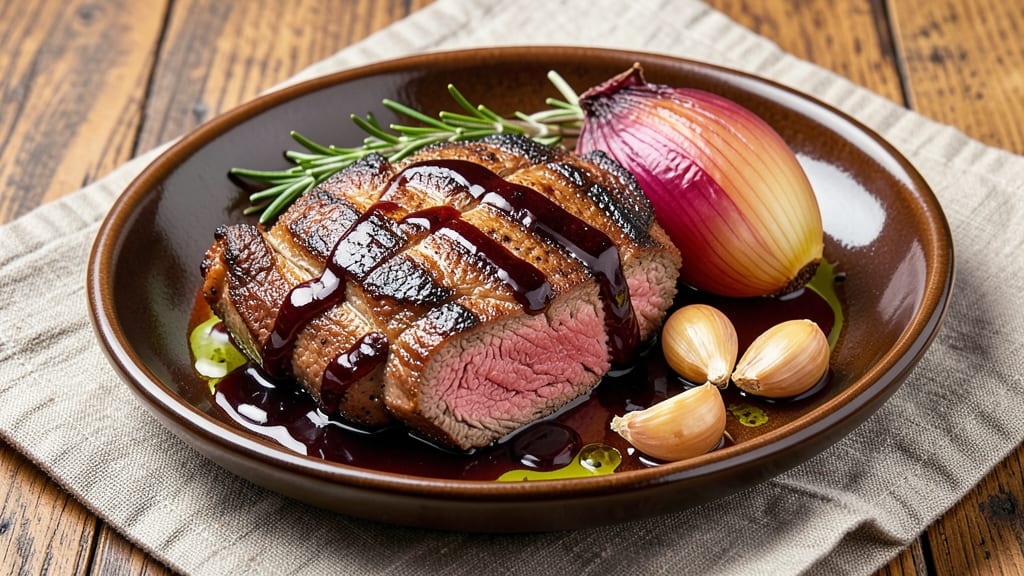
This beef and balsamic vinegar recipe transforms simple ingredients into a dish with deep caramelized crusts and tangy-sweet depth that elevates any dinner table. The secret lies in balancing the bold flavors of seared beef with a slow-reduced balsamic glaze that adds complexity without overpowering.
I developed this technique after years of experimenting with braising methods, and it consistently delivers restaurant-quality results at home.
The process begins with a high-heat sear to lock in juices, followed by a balsamic reduction that creates a glossy, sticky glaze with intensified sweetness and acidity. This isn't just a sauce—it's the star of the dish, cutting through the richness of the beef while adding layers of umami.
The dish pairs beautifully with roasted root vegetables or creamy mashed potatoes, making it both hearty and balanced.
What makes this recipe special is how it transforms tougher cuts of beef into tender, melt-in-your-mouth pieces while developing a sauce that's rich yet bright. The balsamic reduction isn't just sweet—it's complex, with notes of caramel, fruitiness, and a subtle tang that keeps every bite interesting.
This is the kind of dish that tastes even better the next day, making it perfect for meal prep or impressing guests.
Whether you're cooking for a weeknight dinner or a special occasion, this beef and balsamic dish delivers bold flavors without requiring advanced techniques. The key is patience—letting the balsamic reduce slowly to concentrate its flavor while the beef tenderizes.
Ready to create a dish that's as impressive as it is delicious?
Ingredients for beef and balsamic vinegar
Transform tough beef into melt-in-your-mouth perfection with these restaurant-quality ingredients.
| Ingredient | Amount | Notes |
|---|---|---|
| Chuck Roast 🥩 | 2 lb | Pre-cubed for even cooking |
| Extra-Virgin Olive Oil 🫒 | ½ cup | High-quality for searing |
| Balsamic Vinegar 🍷 | ½ cup | Aged 25 years or more |
| Yellow Onion 🧅 | 1 whole | Diced into 1/4-inch pieces |
| Garlic Cloves 🧄 | 6 cloves | Minced for aromatic base |
| Beef Broth 💧 | 1 ½ cups | Low-sodium preferred |
| Tomato Paste 🍅 | 2 tbsp | Smooth consistency |
| Fresh Thyme 🌿 | ¼ cup | Leaves only, chopped |
| Fresh Rosemary 🌿 | ⅛ cup | Needles only, chopped |
| Diamond Crystal Kosher Salt 🧂 | 1 ½ tsp | For seasoning and reduction |
| Freshly Ground Black Pepper 🌶️ | 1 tsp | Coarse grind preferred |
| Brown Sugar 🍚 | 1 tbsp | Lightly packed |
| Red Wine 🍷 | ¼ cup | Bold Cabernet Sauvignon |
| Fresh Parsley 🌿 | ⅛ cup | Chopped for garnish |
The chuck roast is non-negotiable here—its marbled fat ensures tender, flavorful bites. Costco or Whole Foods carry excellent pre-cubed options, but if buying whole, ask your butcher to cut it into 1.5-inch cubes. For the balsamic vinegar, aged 25 years or more delivers the deepest caramelized flavor and complexity. I always stock up on Giovanni Rossi or Baldor specialty vinegars—they make all the difference in the final glaze. The fresh thyme and rosemary should be vibrant, not wilted; Trader Joe's bulk section has consistently good quality at a reasonable price.
No aged balsamic? Substitute 2 tablespoons of balsamic glaze plus 1 tablespoon of honey for a similar depth of flavor, though the complexity won't be identical. Running out of red wine? Dry sherry or beef broth works in a pinch, though the acidity will differ slightly. The tomato paste can be swapped for 1/4 cup crushed tomatoes, but you'll lose that concentrated umami punch. For the herbs, dried thyme at one-third the amount works, but fresh is ideal—it brightens the dish. The brown sugar adds subtle sweetness; coconut sugar is a 1:1 substitute if you prefer a lower glycemic option.
This dish tastes even better the next day, so double the recipe if you're feeding a crowd. Store leftovers in airtight containers for up to 5 days in the fridge, or freeze for 3 months—the flavors continue to meld beautifully. For meal prep, portion into individual containers with a drizzle of extra balsamic glaze on top. The glaze thickens as it cools, so reheat with a splash of water or broth to restore its silky texture. Garnish with fresh parsley just before serving to maintain vibrant presentation.
Why You'll Love This Recipe
- One-Pot Magic: The chuck roast practically cooks itself while you chop one onion and mince a few garlic cloves. No fancy techniques—just a Dutch oven, some olive oil, and 30 minutes of hands-off simmering. Honestly, I’ve made this while scrolling through my phone.
- Deep Umami Bomb: That balsamic vinegar reduction isn’t just sweet—it’s rich, tangy, and clings to the beef like a flavor hug. The caramelized onions and garlic turn the whole dish into something restaurant-worthy without a single fancy ingredient.
- Leftover Goldmine: This beef stays tender for days, making it perfect for sandwiches, grain bowls, or reheated with a splash of broth. I’ll be real: my freezer is full of these leftovers because they’re too good to waste.
- Budget Stretch: A chuck roast feeds six for under $15, and the balsamic vinegar adds depth without breaking the bank. It’s my go-to when I need a hearty, satisfying meal that doesn’t require a second job to afford. (Yes, even on a Tuesday night.)
Step-by-step instructions for deep-roasted beef with balsamic glaze
This method transforms tough chuck roast into melt-in-your-mouth perfection with a caramelized crust and rich balsamic reduction.
Sear the Chuck Roast for Maximum Flavor
Preheat your oven to 425°F. Heat 0.25 cup of the extra-virgin olive oil in a Dutch oven over medium-high heat until shimmering. Pat the 2 lb chuck roast completely dry with paper towels—this ensures maximum browning. Working in batches if needed, sear the roast on all sides until deeply browned, about 3-4 minutes per side. You're looking for a rich, caramelized crust that develops a deep golden color.
Remove the seared roast and set it aside. In the same Dutch oven, add the remaining 0.25 cup extra-virgin olive oil and swirl to coat the bottom. Add the 1 whole yellow onion and 6 cloves garlic cloves, cooking for 3-4 minutes until softened and fragrant. This aromatic base will infuse the beef with depth as it roasts.
Build the Herb-Spiced Roasting Base
Return the seared chuck roast to the Dutch oven. Sprinkle evenly with 1.5 tsp diamond crystal kosher salt, 1 tsp freshly ground black pepper, 1 tbsp brown sugar, 0.25 cup fresh thyme, and 0.125 cup fresh rosemary. Toss gently to coat the roast in the aromatic herbs and spices. Pour in 0.25 cup red wine and scrape up any browned bits from the bottom—this releases maximum flavor that will meld into the meat.
Add 1.5 cups beef broth and 2 tbsp tomato paste, stirring to combine. The tomato paste will add rich umami depth while helping to thicken the sauce during roasting. Bring the mixture to a gentle simmer, then cover the Dutch oven with a tight-fitting lid.
Roast Until Fork-Tender
Transfer the Dutch oven to the preheated 425°F oven and roast for 1 hour. After this initial hour, reduce the oven temperature to 300°F and continue roasting for an additional 2-2.5 hours, or until the beef is fork-tender and easily pulls apart. The internal temperature should reach 205°F—this low-and-slow approach breaks down the tough muscle fibers while allowing the flavors to meld.
About 30 minutes before the beef is fully cooked, remove the lid and increase the oven temperature to 450°F. This final step creates a caramelized crust on the beef while reducing the sauce. The high heat will also help develop the balsamic glaze we'll create in the next step.
Create the Balsamic Reduction
Once the beef is fully cooked, carefully remove it from the Dutch oven and transfer to a cutting board. Tent loosely with aluminum foil to keep warm. Place the Dutch oven on the stovetop over medium-high heat and add the 0.5 cup balsamic vinegar. Bring to a simmer and reduce by half, about 5-7 minutes, until the vinegar thickens into a glossy, syrupy glaze. The reduction should coat the back of a spoon and have a deep mahogany color.
Stir in 1 tbsp brown sugar to balance the acidity and enhance the caramelization. Taste and adjust seasoning with additional diamond crystal kosher salt if needed. The glaze should be tangy-sweet with a rich, complex flavor that complements the beef's deep, savory notes.
Serve with Garnish and Sauce
Slice the chuck roast against the grain into ¼-inch thick pieces for maximum tenderness. Spoon the reduced balsamic glaze over the top and garnish with 0.125 cup chopped fresh parsley. The contrast of the glossy glaze against the caramelized crust creates a visually stunning presentation that's equally delicious.
Serve immediately with the pan juices spooned over the top. The beef should be fork-tender with a caramelized exterior, while the balsamic reduction adds a perfect balance of sweetness and acidity. This dish pairs beautifully with roasted root vegetables or creamy mashed potatoes to soak up the rich sauce.
Pro Tips For Making Beef And Balsamic Vinegar
- SEAR THE ROAST FIRST: The chuck roast needs a deep, caramelized crust to hold up during slow cooking. Hit it with high heat in olive oil until it’s golden-brown in spots—don’t rush this, even if it takes 10 minutes. I used to skip this, and the meat always turned out bland and stringy.
- USE AGED BALSAMIC: Cheap balsamic vinegar tastes like vinegar. Splurge on a 10-year-aged balsamic reduction (or make your own by simmering 1 cup of balsamic vinegar until it thickens to ¼ cup). The depth of flavor makes all the difference—especially when paired with the rich beef.
- DEGLAZE WITH PATIENCE: After searing the onions and garlic, don’t just dump the vinegar in and stir. Let it sit for 30 seconds to let the browned bits dissolve into the pan—this is where the flavor lives. Scrape with a wooden spoon and let it bubble before adding liquid.
- SIMMER NOT BOIL: Low and slow is the name of the game. Keep the liquid at a gentle simmer (tiny bubbles, occasional swirls) to avoid toughening the beef. If it’s rolling, turn the heat down—this isn’t a race, and the meat will fall apart beautifully if you let it work.
Essential equipment for beef and balsamic vinegar
Dutch Oven Essentials
A Dutch oven is non-negotiable for this recipe—it's the only pot that can handle the sear, braise, and reduction all in one. I recommend a 5-6 quart enameled cast iron like the Lodge 5.5 Qt or Le Creuset Stoneware for even heat distribution and durability.
The deep sides prevent spills during the balsamic reduction, and the heavy base maintains steady temperatures. For budget-conscious cooks, the Amazon Basics Dutch oven works well too. 🔥
High-Heat Searing Tools
You'll need a heavy-bottomed skillet or Dutch oven for that perfect crust. I use a stainless steel All-Clad for its even heating, but a carbon steel skillet (like Maison Le Creuset) develops a natural non-stick patina over time.
Avoid non-stick pans—they can't handle the high heat needed for proper browning. A meat thermometer (like Thermoworks Smoke) is essential for tracking internal temps to 205°F.
Balsamic Reduction Gear
The balsamic reduction requires precise heat control, so a medium-high heat setting on your stovetop is crucial. A long-handled spoon (like OXO Good Grips) prevents burns when stirring the concentrated vinegar.
For extra insurance, use a heat diffuser if your burner runs hot—this prevents scorching while reducing. A fine-mesh strainer helps remove any impurities if using lower-quality vinegar. ✨
Knife & Cutting Prep
A sharp chef's knife (like Wüsthof Classic) is key for dicing onions and mincing garlic efficiently. For the beef, a meat cleaver helps separate the roast after cooking. I also keep a cutting board (preferably maple or bamboo) to prevent knife damage.
A kitchen scale ensures precise measurements for herbs and spices, though I often eyeball the fresh thyme and rosemary for convenience.
Optional Upgrades
For the ultimate experience, invest in a meat mallet to tenderize the beef before searing (though it's not strictly necessary). A ladle with a long handle makes basting the beef easier during roasting.
If you love presentation, a small offset spatula helps spread the balsamic glaze evenly over the sliced beef. These extras aren't mandatory but elevate the dish to restaurant-quality. 💫
Nutrition facts
Frequently asked questions
Can I use a different cut of beef instead of chuck roast?
Yes! For similar results, try short ribs or brisket—both benefit from slow cooking. Avoid lean cuts like sirloin or filet mignon, as they won't develop the same tender texture. If using short ribs, reduce cooking time by 30-45 minutes since they're already more tender.
How do I make the balsamic glaze less sweet?
Add 1-2 extra tablespoons of balsamic vinegar to the reduction and simmer longer to concentrate the acidity. For a tangier glaze, stir in 1 teaspoon of lemon juice at the end. The key is balancing sweetness with acid—taste as you go!
What's the best way to reheat leftovers?
Reheat gently in a skillet with a splash of beef broth or water to restore moisture. Avoid microwaving—it makes the beef tough. For extra flavor, add 1 tablespoon of balsamic vinegar while reheating. Leftovers taste even better the next day!
Can I substitute balsamic vinegar with something else?
For a similar depth of flavor, use 1/4 cup balsamic glaze plus 1 tablespoon honey. If you only have regular balsamic vinegar, reduce it longer (up to 10 minutes) to intensify the caramelized notes. The glaze won't be as complex, but it'll still add sweet-tangy brightness.
Why did my balsamic glaze turn bitter?
Over-reducing or using low-quality vinegar causes bitterness. Always use aged balsamic vinegar (25+ years) and reduce over medium-high heat. If it gets too strong, balance it with 1 teaspoon of brown sugar or a splash of red wine. Stir constantly to prevent scorching!