
Main Courses
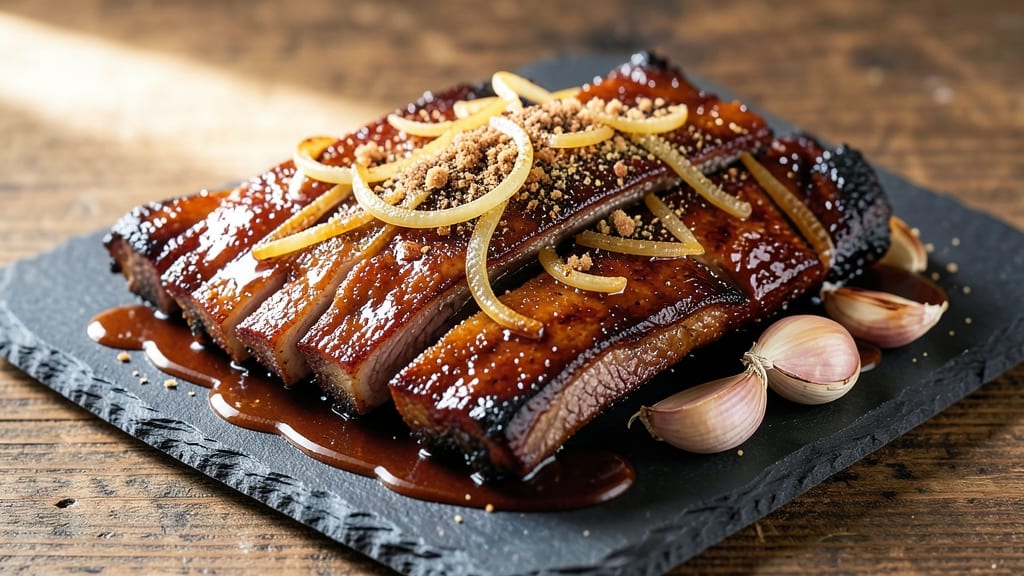
This BBQ beef flanken ribs recipe delivers the perfect balance of smoky bark and melt-in-your-mouth juiciness—exactly what I’ve been perfecting over years of pitmaster experiments. 🔥 The secret lies in the right cut of meat, a carefully crafted rub, and precise cooking techniques that transform tough beef into tender, flavor-packed ribs.
Flanken ribs are leaner than pork ribs, so we focus on marinating them overnight to tenderize and infuse flavor, then slow-cooking until the internal temperature reaches 195°F. This method ensures every bite is juicy, not dry, while the bark develops that irresistible crust.
I’ve tested this recipe on both smokers and grills, and both deliver incredible results.
The magic happens in the layers: a dry rub of smoked paprika, brown sugar, and garlic powder creates that signature bark, while a tangy BBQ sauce in the final stages adds depth.
The result? Ribs so tender they practically fall apart, with a balance of sweet, smoky, and savory flavors that’ll have everyone asking for seconds.
Serve with classic sides like coleslaw or cornbread to soak up every last drop of that delicious sauce. Whether you’re grilling for a crowd or treating yourself to a special meal, these ribs will become your new go-to recipe. Let’s get cooking!
Ingredients for bbq beef flanken ribs
Six ingredients for the rub, plus a few more to make this smoky, juicy beef magic happen.
| Ingredient | Amount | Notes |
|---|---|---|
| Beef Flanken Ribs 🥩 | 3 lb | Lean cut, 1-1.5 inches thick |
| Yellow Onion 🧅 | 1 whole | Sliced into wedges |
| Garlic Cloves 🧄 | 8 cloves | Smashed, not minced |
| Smoked Paprika 🌶️ | 2 tbsp | High-quality, not pre-mixed |
| Brown Sugar 🍚 | 2 tbsp | Light or dark, packed |
| Garlic Powder 🧄 | 1 tbsp | Freshly ground preferred |
| Ground Black Pepper 🌶️ | 1 tbsp | Freshly cracked |
| Kosher Salt 🧂 | 1 tbsp | Diamond Crystal preferred |
| Apple Cider Vinegar 🍏 | ½ cup | For marinade tang |
| Olive Oil 🫒 | ¼ cup | Extra-virgin for richness |
| BBQ Sauce 🍅 | 1 cup | Store-bought or homemade |
| Honey 🍯 | 1 tbsp | For glaze finish |
| Wood Chips 🌳 | 2 cups | Hickory or cherry preferred |
The beef is everything here—flanken ribs are lean but pack serious flavor. Look for cuts with good marbling at your local butcher or Costco—they often carry pre-cut flanken ribs. If buying whole, ask for a bone-in section (about 1-1.5 inches thick) for better bark development. Smoked paprika is non-negotiable for that authentic BBQ flavor, and Penzeys or local spice shops carry the best quality. The brown sugar in the rub caramelizes beautifully during cooking, creating that perfect crust. For the marinade, I always use apple cider vinegar—it tenderizes the meat without overpowering the beef flavor.
No smoked paprika? Substitute a mix of regular paprika and a pinch of liquid smoke (start with 1/2 tsp). Running short on time? Marinate for at least 4 hours instead of overnight—just know the texture won't be quite as tender. For the BBQ sauce, Sweet Baby Ray's or Stubb's are my go-tos, but any tangy, slightly sweet sauce works. If you're feeling fancy, add 1 tbsp of hot sauce to the marinade for extra kick. The wood chips? Hickory gives bold smoke, while cherry adds fruitiness—mix both for complexity. And if you're grilling indoors, use a smoker box or wrap wood chips in foil with holes punched in.
Marinate the ribs uncovered in the fridge—overnight is ideal, but 4 hours works in a pinch. The marinade absorbs best when the meat's exposed to air. After cooking, ribs reheat beautifully—wrapped in foil with a splash of water in a 300°F oven for 15 minutes keeps them moist. Store cooked ribs in the fridge for 3-4 days or freeze for up to 3 months. I always make double batches because these disappear fast—perfect for meal prep or hosting. The sauce leftovers? Freeze in ice cube trays for easy portioning later.
Why You'll Love This Recipe
- Here’s what sold me: flanken ribs are way more affordable than baby back or spare ribs, and you get a ton of meat for the price. A single pack stretches across meals, and the simple ingredients won’t break the bank.
- One-Pan Magic: I swear by this recipe for days when I’d rather not wash a million dishes. The flanken ribs sit right next to the onions and garlic, soaking up all that smoky-sweet goodness—no flipping pans or extra bowls needed.
- Sweet-Smoky Bomb: That combo of brown sugar and smoked paprika? It’s like a flavor explosion in your mouth. The ribs get this perfect balance of caramelized sweetness and deep, smoky heat that makes every bite irresistible.
- Game for Any Gathering: Whether it’s a lazy Sunday brunch or a last-minute dinner party, these ribs deliver. They’re hearty enough to feed a crowd but still feel special enough for company—plus, the leftovers reheat like a dream.
Step-by-step instructions for smoky BBQ beef flanken ribs
Here's how to transform tough flanken ribs into fall-off-the-bone tender meat with that perfect smoky bark.
🔥 Step 1: Prepare the Dry Rub and Smoke the Ribs
In a medium bowl, combine the 2 tbsp smoked paprika, 2 tbsp brown sugar, 1 tbsp garlic powder, 1 tbsp ground black pepper, and 1 tbsp kosher salt. Mix until evenly distributed—this is your flavor bomb. Pat the 3 lb beef flanken ribs dry with paper towels (moisture is the enemy of bark), then generously coat both sides with the rub, pressing it into the meat so it sticks.
Set up your smoker for 225°F using the 2 cups wood chips (hickory or cherry works best). Place the ribs bone-side down on the smoker grate and close the lid. Let them smoke undisturbed for 2 hours—this low-and-slow approach breaks down the connective tissue. You'll know they're ready when the internal temperature hits 165°F and the bark is deep mahogany brown.
🍳 Step 2: Build the Glaze and Baste the Ribs
While the ribs smoke, mix 1 cup BBQ sauce, 1 tbsp honey, and 0.5 cup apple cider vinegar in a bowl. Stir well—this tangy-sweet glaze will caramelize beautifully. After the initial 2-hour smoke, brush half the glaze mixture evenly over the ribs. Return them to the smoker and continue cooking for another 1-1.5 hours, brushing with more glaze every 30 minutes. The smoke should wrap around the ribs like a cozy blanket.
Here's the thing—don't peek too often. Every time you open the lid, you lose heat and moisture. Trust the thermometer and let the ribs work their magic. The internal temperature should reach 203°F (probe-tender), and the bark should be thick and glossy.
🥘 Step 3: Rest and Slice for Maximum Juiciness
Once the ribs hit 203°F, remove them from the smoker and transfer to a cutting board. Tent loosely with aluminum foil and let them rest for 15-20 minutes. This resting period is CRITICAL—it lets the juices redistribute so every bite is moist and flavorful. If you skip this, you'll end up with dry meat.
Slice the ribs against the grain into ½-inch thick pieces. The meat should practically fall apart with gentle pressure. Serve immediately with extra glaze drizzled on top, and watch your guests swoon over that perfect balance of smoky, sweet, and tangy flavors.
Pro Tips For Making Bbq Beef Flanken Ribs
- SEAR THE RIB BONES: I used to skip this, but now I always hit the bones with a quick sear—just 2-3 minutes per side—before braising. The extra effort gives those ribs a deeper, caramelized edge that cuts through the sweetness of the brown sugar glaze.
- SLICE ON THE GRAIN: Flanken ribs are long and lean, so if you’re cutting them against the grain, you’ll end up with tough, chewy strips. Instead, slice with the grain—yes, even if it looks less uniform. The meat will pull apart easily and stay tender.
- DON’T SKIP THE GARLIC MASH: After mincing the garlic, smash it flat with the side of your knife or a garlic press. Raw, whole cloves won’t infuse properly, and you’ll end up with just a hint of flavor instead of a bold, aromatic punch that pairs perfectly with the smoked paprika.
- SAVE TIME WITH COLD START: Put the raw ribs straight from the fridge into the pot. Cold meat cooks more evenly and won’t release too much liquid at once, which means your onions and garlic won’t turn to mush before the ribs are done—no last-minute fixes needed.
Essential equipment for perfect results
Smoker Essentials
You don’t need a fancy pellet smoker to nail these ribs—I’ve perfected them on everything from a Traeger Pellet Grill to a simple charcoal Weber Smokey Mountain. For beginners, I recommend the Traeger because it maintains consistent temps with minimal effort.
If you’re on a budget, a charcoal smoker with a water pan works too—just monitor the temp closely. 🌡️
No smoker? No problem. Use your grill with a smoker box (filled with hickory or cherry wood chips) or even a cast-iron skillet on the stovetop.
For the skillet method, I add wood chips to a foil packet with a few drops of water, place it on the grill grate, and cook the ribs indirectly. The key is patience—low heat is your friend here.
Temperature Control Tools
A meat thermometer is non-negotiable. I swear by the ThermoWorks Smoke—it’s got dual probes so you can track both the smoker temp and the internal temp of the ribs.
For charcoal smokers, I use a leave-in probe to avoid opening the lid. Aim for 225°F in your smoker, and never let it dip below 200°F. 🔥
If your smoker runs hot, add green wood chunks (they burn cooler than dried chips) or move the ribs to the cooler side of the grill. For gas smokers, I recommend a heat diffuser plate to even out the heat.
And always preheat your smoker for 30 minutes before adding the ribs—this ensures consistent cooking.
Wood Chips & Smoke
Hickory is my go-to for that classic BBQ flavor, but cherry wood adds a subtle sweetness that pairs beautifully with beef. For extra depth, I mix both—1 cup hickory + 1 cup cherry in the smoker box.
Avoid pine or cedar, as they can taste bitter. Soak your wood chips in water for 30 minutes before using to prevent flare-ups. 🌳
Pro tip: If you’re grilling indoors, wrap wood chips in foil with holes punched in, then place them on the grill grates. This creates smoke without needing a dedicated smoker. For a smokier flavor, add a wood chip packet every hour during cooking.
And if you’re using a pellet smoker, try a 50/50 blend of hickory and applewood for a balanced smoke profile.
Resting & Serving Gear
After cooking, transfer the ribs to a cutting board and tent loosely with heavy-duty aluminum foil. Let them rest for 15-20 minutes—this is where the magic happens as juices redistribute.
I use a sharp carving knife (like the Victorinox 8-inch) to slice against the grain for maximum tenderness. 🔪
For serving, I love using a wooden board or cast-iron skillet to keep the ribs warm and add rustic charm. Garnish with fresh cilantro or green onions for a pop of color, and always have extra BBQ sauce on hand.
Store leftovers in an airtight container in the fridge for up to 4 days or freeze for 3 months. Reheat in a 300°F oven wrapped in foil with a splash of water to keep them moist.
Nutrition facts
Frequently asked questions
Can I use flanken ribs instead of beef short ribs for this recipe?
Yes! Flanken ribs are perfect for this recipe—they're lean but pack incredible flavor when smoked properly. The key difference is that flanken ribs cook faster than short ribs, so monitor the internal temperature closely and aim for 203°F (probe-tender) rather than waiting for them to fall apart. The bark will develop beautifully, but they'll be more tender than traditional beef short ribs.
What's the best way to tenderize flanken ribs if I don't have time for overnight marinating?
For a quick tenderizing boost, pound the ribs gently with a meat mallet (about ¼-inch thick) before applying the dry rub. Then marinate for at least 4 hours with the apple cider vinegar and olive oil. The vinegar breaks down proteins while the oil helps carry flavors deep into the meat. Just know the texture won't be quite as tender as overnight marinating.
Can I grill these ribs instead of smoking them?
Use your grill with a smoker box filled with hickory or cherry wood chips. Cook indirectly over medium-low heat (225-250°F), rotating the ribs every 30 minutes for even bark development. The glaze works the same way—brush it on during the last 1-1.5 hours of cooking. Just keep an eye on the heat to avoid flare-ups from the drippings.
Why do my ribs sometimes turn out dry even after following the recipe?
Most common causes are either skipping the rest time or cooking too hot. Always let ribs rest 15-20 minutes after cooking—the juices need time to redistribute. Also, never exceed 250°F in your smoker/grill. For extra moisture, wrap ribs in butcher paper during the last 30 minutes of cooking (this creates steam while allowing bark to develop).
What's the best way to reheat leftover beef flanken ribs?
Wrap ribs tightly in aluminum foil with a splash of water or beef broth, then reheat in a 300°F oven for 15 minutes. For stovetop reheating, use a skillet over medium-low heat with a little BBQ sauce to keep them moist. Never microwave—it makes ribs tough and dry. The foil method preserves that perfect smoky bark while keeping the meat juicy.