
Main Courses
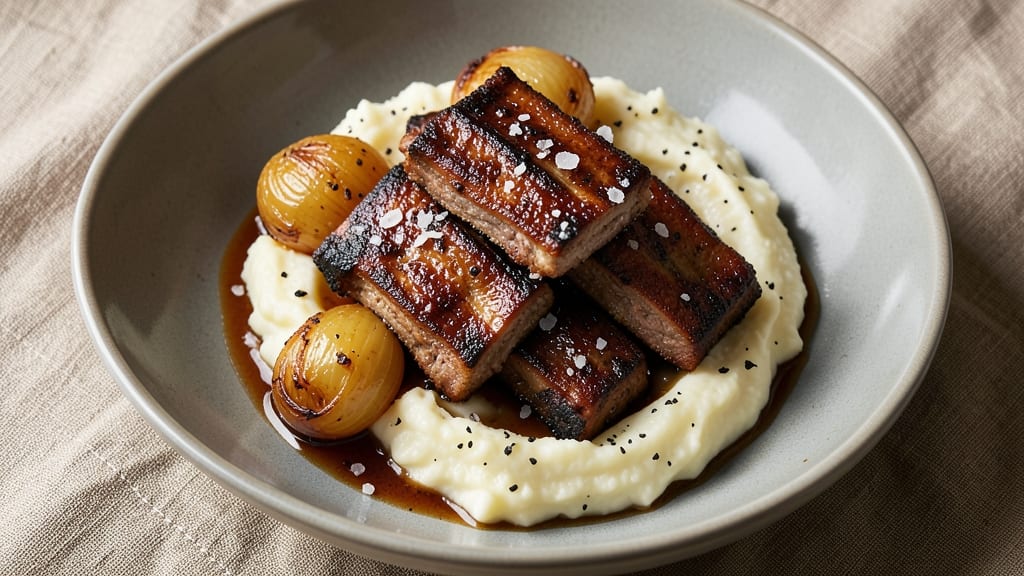
This Angus beef boneless short ribs recipe transforms tough cuts into melt-in-your-mouth perfection through slow braising—no fancy equipment required. The secret lies in a high-heat sear followed by hours of gentle simmering, where collagen dissolves into rich, velvety sauce.
I've perfected this technique after years of testing, ensuring every bite delivers that buttery tenderness we crave in restaurant-quality dishes.
The process begins with a deep brown crust from searing, which forms the flavor foundation. Deglazing the pan captures those caramelized bits, while slow cooking in liquid breaks down the meat into irresistible softness.
What you'll end up with is ribs that practically fall apart at the touch, swimming in a sauce so flavorful it deserves its own bowl. This method works equally well in a Dutch oven or slow cooker, giving you flexibility for any kitchen setup.
What makes this recipe truly special is how the flavors develop over time—the initial sear adds depth, while the long braise creates a sauce that's rich yet balanced. The result is a dish that feels luxurious yet is entirely achievable at home, with minimal effort beyond the initial prep.
Serve with roasted potatoes or crusty bread to soak up every last drop of that restaurant-worthy sauce—your dinner guests won't believe you made it from scratch.
Perfect for special occasions or when you want to impress without stressing, this recipe delivers foolproof tenderness every time. The key is patience—letting the meat work its magic in the liquid until it reaches that ideal texture.
Once you try this method, you'll never settle for anything less than melt-in-your-mouth perfection again.
Ingredients for angus beef boneless short ribs
Short list. Big flavor. These ingredients transform tough ribs into melt-in-your-mouth perfection.
| Ingredient | Amount | Notes |
|---|---|---|
| Angus Beef Boneless Short Ribs 🥩 | 2 ½ lb | 2-2.25" bone-in, cut into 2" pieces |
| Kosher Salt 🧂 | 1 ½ tbsp | Diamond Crystal preferred |
| Freshly Ground Black Pepper 🌶️ | 1 tbsp | Cracked peppercorns preferred |
| All-Purpose Flour 🌾 | ½ cup | For dredging |
| Unsalted Butter 🧈 | 4 tbsp | European-style preferred |
| Yellow Onion 🧅 | 1 whole | Chopped, medium size |
| Garlic Cloves 🧄 | 6 cloves | Smashed, not minced |
| Dry Red Wine 🍷 | 1 cup | Bold Cabernet Sauvignon |
| Beef Bone Broth 💧 | 2 cups | Homemade or high-quality store |
| Tomato Paste 🍅 | 2 tbsp | San Marzano preferred |
| Fresh Thyme Leaves 🌿 | ½ cup | Stems removed |
| Fresh Rosemary 🌿 | 1 sprig | Wooden spoon for crushing |
| Olive Oil 🫒 | 2 tbsp | High smoke point |
The ribs are the star—Angus beef delivers that marbled richness, but don't stress about the exact cut. Your butcher can trim them if needed, but 2-2.25" bone-in pieces work perfectly. I always grab mine from Whole Foods or Costco when they're on sale, but local grocery stores carry them too. Look for good marbling—those white fat streaks are what make the meat tender. If you're prepping ahead, pat the ribs dry and refrigerate them uncovered for 30 minutes before cooking to help them brown better. That first sear is everything—don't skip it.
No red wine? Beef broth with a splash of balsamic vinegar works in a pinch, though purists will notice the difference. Fresh thyme and rosemary can be swapped for dried at one-third the amount, but honestly, nothing beats the fresh stuff if you've got it. The tomato paste is non-negotiable for depth—San Marzano is my go-to, but any quality brand works. For the flour, King Arthur or Bob's Red Mill are reliable choices. The butter should be cold when you add it to the pan for that perfect crust. And if you're short on time, pre-cut ribs from the butcher counter save you 15 minutes of work.
This dish tastes even better the next day—3-4 days in the fridge, sealed tightly with sauce. For longer storage, freeze portions for up to 3 months. I always make extra because the sauce alone is worth reheating. To serve, skim off any hardened fat from the surface before reheating. The ribs stay juicy when reheated gently in the same sauce. Leftovers? Portion into containers with sauce—it's the best way to eat them cold for lunch the next day.
Why You'll Love This Recipe
- One-Pan Magic: I swear by this—just sear those ribs, toss them in flour, and let the butter work its magic. No fancy gadgets, no mess, and the rich, caramelized crust forms right in the pan.
- Butter-Braised Bliss: That simple flour coating and butter bath? It transforms tough ribs into melt-in-your-mouth perfection. The crust stays crisp while the inside stays tender—honestly, it’s the kind of dish that makes you want to lick the plate.
- Weeknight to Weekend: Make a big batch on Sunday, and you’ve got dinner covered for the week. Reheat those leftovers in the oven, and they taste just as good as day one—perfect for lazy nights or when unexpected guests show up.
- Budget-Friendly Luxury: Angus beef feels fancy, but the way this recipe uses every bite—from the first crispy edge to the last juicy morsel—makes it feel like a splurge without the waste. Plus, the leftovers stretch into sandwiches or tacos. Win-win.
Step-by-step instructions for slow-braised Angus beef boneless short ribs
Here's how to transform tough beef into melt-in-your-mouth perfection through slow braising.
Season and Sear the Short Ribs
Pat the 2.5 lb angus beef boneless short ribs completely dry with paper towels—this ensures a perfect crust. In a large bowl, combine the 1.5 tbsp kosher salt and 1 tbsp freshly ground black pepper, then toss the ribs until evenly coated. Let them sit at room temperature for 30 minutes while you prepare the next steps.
Heat a heavy Dutch oven over medium-high heat and add the 2 tbsp olive oil. Once shimmering, add the ribs in a single layer, leaving space between each piece. Sear for 4-5 minutes per side until deeply browned with a crust forming. This step develops the rich Maillard reaction flavors that form the foundation of your dish. If needed, work in batches to avoid crowding the pan.
Build the Flour Crust and Sauté Aromatics
Remove the seared ribs and set aside. Immediately reduce heat to medium and add the 4 tbsp unsalted butter to the Dutch oven, letting it melt and foam. Sprinkle in the 0.5 cup all-purpose flour and stir vigorously for 1-2 minutes until the mixture turns a rich golden brown. This roux creates the velvety texture that coats the ribs later.
Push the roux to the sides and add the 1 whole yellow onion (chopped) and 6 cloves garlic (smashed). Cook for 5-6 minutes until the onions soften and the garlic becomes fragrant—this forms the aromatic base of your braise. Here's where it gets good: add the 2 tbsp tomato paste and stir for 1 minute to deepen the sauce's complexity.
Deglaze and Simmer with Wine
Pour in the 1 cup dry red wine, scraping up all those delicious browned bits from the bottom of the pot. Let it simmer for 3-4 minutes until reduced by half. This deglazing step captures all the meaty flavors that would otherwise stick to the pan.
Add the 2 cups beef bone broth and bring to a gentle simmer. Return the ribs to the pot, bone-side up, along with the 0.5 cup fresh thyme leaves and 1 sprig rosemary (crushed with a wooden spoon). The herbs will infuse their earthy flavors into the braising liquid. Here's the thing—this isn't a quick process, but it's worth every minute.
Braise Until Fork-Tender
Cover the Dutch oven and transfer to a 325°F oven. Braise for 2.5-3 hours until the ribs are fork-tender with no resistance. You'll know they're ready when a knife slides in easily and the meat pulls apart cleanly. Real talk: resist the urge to check early—patience here ensures tender, fall-apart perfection.
About 30 minutes before the ribs are done, skim any excess fat from the surface of the braising liquid. This helps create a cleaner, richer sauce. The ribs should be swimming in a deep, flavorful liquid that's reduced but still coats the back of a spoon.
Finish and Serve
Remove the ribs from the pot and transfer them to a serving platter. Tent loosely with foil and let rest for 10 minutes—this allows the juices to redistribute, ensuring each bite is moist and flavorful. Discard the rosemary sprig and strain the braising liquid if you prefer a smoother sauce.
Slice the ribs against the grain into ½-inch thick pieces and spoon the reduced sauce over the top. Serve immediately with crusty bread or mashed potatoes to soak up every last drop of that luxurious sauce. The result should be ribs that practically melt in your mouth with layers of rich, wine-infused braising liquid clinging to each tender bite.
Pro Tips For Making Angus Beef Boneless Short Ribs
- SEAR IN TWO BATCHES: I learned this the hard way—trying to sear all those ribs at once in a crowded pan just steams them instead of browning. Use half the butter and split the ribs into two batches. The second batch will thank you with that deep, caramelized crust you’re after.
- PAT DRY LIKE YOUR LIFE DEPENDS ON IT: Sounds dramatic, but wet ribs won’t develop that golden crust no matter how much you sear. Grab paper towels and really dry them off before seasoning—even if they feel damp after rinsing. Trust me, the difference is night and day.
- DON’T SKIP THE FLIP: After burning three batches, I finally figured out that short ribs need a quick flip halfway through searing. Let them sit undisturbed for 2-3 minutes first, then flip and sear the other side. Crowding the pan ruins the crust, and no one wants sad, pale ribs.
- REST UNDER FOIL: My grandmother swore by this, and she was right: as soon as the ribs hit the plate, tent them loosely with foil and let them rest for 5-10 minutes. Skipping this step means juices running everywhere when you slice—messy, and you’ll lose flavor.
Best sauces and condiments for this dish
Classic Red Wine Sauce
This rich, velvety sauce is the star of your short ribs—built right in the Dutch oven during braising. The 1 cup bold Cabernet Sauvignon reduces beautifully with the 2 tbsp tomato paste and aromatics, creating depth that pairs perfectly with the beef.
For extra richness, whisk in 2 tbsp cold unsalted butter at the end—this emulsifies the sauce and adds a luxurious finish. I like to strain it for a smoother texture, but leave the herbs in if you prefer rustic flavor. 🍷
Horseradish Cream
A bright, tangy contrast to the richness of the ribs, this sauce is a game-changer. Mix ½ cup sour cream with 1 tbsp prepared horseradish (adjust to taste), 1 tsp Dijon mustard, and a pinch of kosher salt.
Serve on the side for dipping or drizzle lightly over sliced ribs. The heat cuts through the fat beautifully, balancing every bite. For a smoother version, blend with 1 tbsp heavy cream to mellow the sharpness. 🌶️
Brown Butter Glaze
This quick sauce adds a nutty, caramelized depth that elevates the dish. Melt 3 tbsp unsalted butter in a small saucepan over medium heat until it turns golden brown and smells toasty.
Immediately whisk in 1 tbsp heavy cream to stop the browning, then stir in 1 tsp balsamic vinegar and ½ tsp honey. Drizzle over sliced ribs just before serving—it adds a glossy finish that makes everything look restaurant-worthy. 🔥
Mustard Cream Sauce
A lighter alternative to the red wine braise, this sauce is perfect for those who prefer tangy over rich. Whisk together ½ cup heavy cream, 2 tbsp whole-grain mustard, 1 tbsp Dijon mustard, and 1 tsp fresh lemon juice.
Simmer gently for 3-4 minutes until slightly thickened, then strain for a silky texture. The mustard's sharpness complements the beef beautifully, especially if you're serving with roasted vegetables. ✨
Smoky Chipotle Cream
For a smoky kick, blend ½ cup sour cream with 1 tsp adobo sauce (from canned chipotles), ½ tsp smoked paprika, and a pinch of cayenne pepper. Adjust the heat to your preference—this sauce works wonders on ribs that need a little extra zing.
The smokiness pairs especially well with the beef's natural richness, adding a layer of complexity. Drizzle over the top or serve as a dipping sauce. 💫
Garlic-Herb Butter
This simple but flavorful sauce is perfect for finishing the dish. Mix 4 tbsp softened unsalted butter with 2 minced garlic cloves, 1 tbsp chopped fresh parsley, ½ tsp fresh thyme leaves, and a pinch of kosher salt.
Swirl the butter into the braising sauce or spoon dollops over sliced ribs. The garlic and herbs brighten up the dish without overpowering the beef's natural flavor. It's a foolproof way to add freshness at the end. 🌿
Nutrition facts
Frequently asked questions
How do I know when the short ribs are fully tender?
Use the fork test: When the ribs are fork-tender, they should pull apart easily with minimal resistance. Insert a fork at a 45-degree angle—if it slides in like butter and the meat separates cleanly, they're ready. The ribs should also feel very soft when pressed gently with tongs. Overcooking can turn them mushy, so aim for 2.5-3 hours in the oven.
Can I use bone-in short ribs instead of boneless?
Bone-in ribs will need slightly more braising time (3.5-4 hours) since the bone conducts heat differently. Just remove any large pieces of membrane or excess fat first. The flavor will be even richer, though you'll need to adjust your serving platter to accommodate the bones.
What if I don't have red wine?
No problem! Substitute with 1 cup beef broth + 2 tbsp balsamic vinegar for depth, or use 1 cup apple cider for a slightly sweeter profile. The key is maintaining acidity to tenderize the meat. If using broth alone, add 1 tsp Worcestershire sauce for umami complexity.
Can I make this in a slow cooker?
Yes! Sear the ribs first, then transfer everything (including the roux and wine) to the slow cooker. Cook on LOW for 7-8 hours or HIGH for 4-5 hours. The texture will be slightly more tender, but the sauce may be thinner. Reduce it on the stovetop at the end for better consistency.
Why did my ribs turn out dry?
Most likely, the oven temperature was too high or the ribs weren't submerged enough in liquid. Keep the oven at 325°F and ensure the ribs are mostly covered by the braising liquid. If using a Dutch oven, add a splash of broth if the liquid level drops below halfway up the ribs during cooking.