
Main Courses
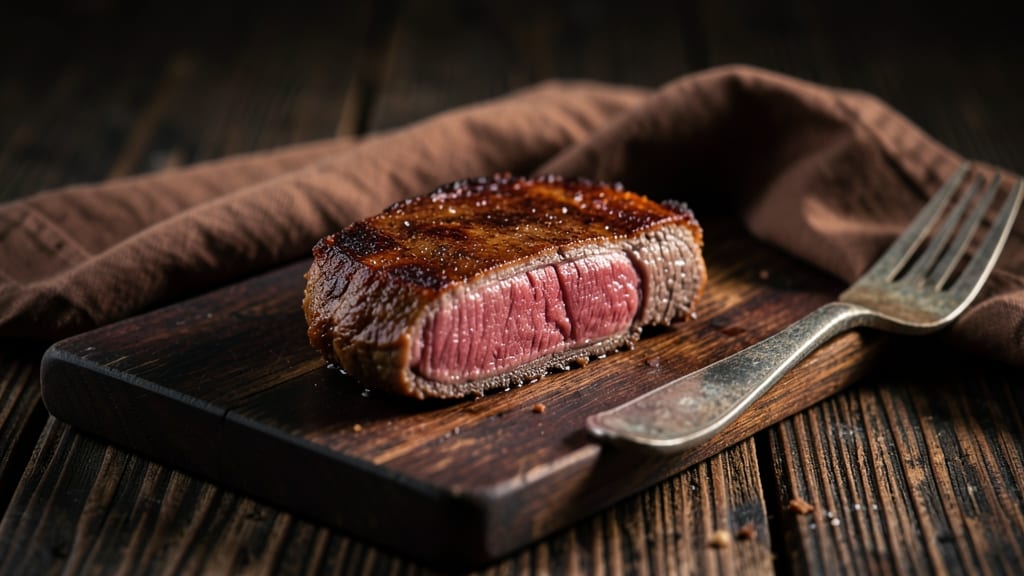
Inspired by Barefoot Contessa's signature techniques, this filet of beef delivers a buttery crust and perfect medium-rare center every time. The secret lies in precise temperature control and a rich garlic-herb butter that bastes the steak to golden perfection.
I've refined this method over years of hosting dinner parties—guests always ask for seconds.
What sets this recipe apart is the combination of high-heat searing followed by controlled finishing in the oven. This ensures a crispy exterior while keeping the interior tender and juicy.
The garlic-herb butter adds layers of flavor without overpowering the natural richness of the beef. It's a technique that transforms a simple cut into something truly special.
By the time you serve this steak, you'll have a restaurant-quality dish with a caramelized crust, velvety texture, and aromatic herbs infused throughout. The resting time is just as important as the cooking—it allows the juices to redistribute, ensuring every bite is moist and flavorful.
This is the kind of meal that elevates any dinner from ordinary to extraordinary.
Pair it with classic sides like creamy mashed potatoes or a bold red wine reduction for the full Barefoot Contessa experience. The method is precise, but the results are worth every step. Let's get started on creating this showstopper.
Ingredients for barefoot contessa filet of beef
Precision-cut beef and aromatic herbs transform into a restaurant-worthy masterpiece with buttery perfection.
| Ingredient | Amount | Notes |
|---|---|---|
| Filet Mignon 🥩 | 1 ½ lb | Center-cut, 1.5-inch thick |
| Unsalted Butter 🧈 | ½ cup | Cold, cut into 8 pieces |
| Garlic Cloves 🧄 | 6 cloves | Fresh, peeled and smashed |
| Fresh Rosemary 🌿 | ¼ cup | Finely chopped, stems removed |
| Fresh Thyme 🌿 | ¼ cup | Leaves only, finely chopped |
| Diamond Crystal Kosher Salt 🧂 | 1 ½ tsp | For seasoning |
| Freshly Ground Black Pepper 🌶️ | 1 tsp | Coarsely ground |
| Extra-Virgin Olive Oil 🫒 | 1 tbsp | High-quality, for searing |
| Vegetable Oil 🫒 | ¼ cup | For oven finishing |
| Red Wine 🍷 | ¼ cup | Dry, like Cabernet Sauvignon |
| Beef Consommé 🍲 | ½ cup | For basting |
| Heavy Cream 🥛 | ¼ cup | Full-fat, for finishing |
The filet mignon is non-negotiable here—center-cut, 1.5-inch thick ensures even cooking and maximum tenderness. Source from a trusted butcher or high-end grocery like Whole Foods or Dartmouth Farms, where they can trim it precisely for you. Look for rich marbling and vibrant color; anything grayish or overly lean will yield a tougher result. The unsalted butter should be cold and unsalted (like Plugrá or Land O'Lakes) to create the signature crust without altering the steak's natural seasoning. Fresh herbs are critical: rosemary and thyme should be bright green, not wilted or yellowing. A quick test—crush a sprig between your fingers; it should release an intense, piney aroma. Penzeys or your local specialty market are ideal for high-quality dried herbs if fresh aren't available, but fresh is paramount for this technique.
Substitutions must be strategic. No filet mignon? A ribeye or strip steak (1.5-inch thick) works, but trim excess fat to avoid flare-ups. Short on butter? Use ghee for a richer, nutty flavor, or browned butter for deeper caramelization. Red wine can be swapped for beef consommé if you prefer a lighter finish, but the Cabernet Sauvignon adds depth that’s hard to replicate. Heavy cream is essential for the final basting—half-and-half won’t yield the same silky texture. For herbs, dried rosemary and thyme (at one-third the amount) can substitute, but the flavor will be muted. Olive oil should be high-quality extra-virgin (like California Avocado Ranch or Bertolli)—cheap oils can impart a bitter taste. Vegetable oil for finishing? Stick to high-smoke-point oils like avocado or grapeseed to avoid off-flavors.
This recipe rewards patience—rest the steak for 10 minutes before slicing to retain juices. Store any leftover butter mixture in an airtight container in the fridge for up to 5 days, though it’s best used immediately. Reheat gently in a saucepan over low heat, adding a splash of beef consommé to restore richness. The filet mignon itself keeps best in the fridge for 3-4 days, vacuum-sealed for up to 5 days. For longer storage, freeze the raw steak (unseasoned) for up to 3 months—thaw overnight in the fridge before cooking. Portion the basting butter into small ramekins for easy reheating, and always cover with parchment to prevent a skin from forming.
Why You'll Love This Recipe
- One-Pan Magic: I swear by this recipe when I’m too tired to scrub pots—just sear, bake, and finish in the same skillet. That rich red wine and beef consommé basting? It practically cleans itself while you’re resting the meat.
- Buttery Crust Obsession: The moment that golden crust forms—thanks to the cold herb butter and long sear—is worth every minute. It’s crispy, herby, and melts into the tender medium-rare center like a dream. (Yes, even my picky husband stops mid-sentence to take seconds.)
- Date Night Ready: This isn’t just a fancy dinner—it’s the kind of dish that makes you feel like you’ve earned the praise. The rosemary-thyme butter alone smells like a Parisian bistro, and the creamy finish? It’ll have your guests asking for the recipe before dessert.
- Leftovers That Don’t Suck: Between us, most steak leftovers are sad. But this? The herb butter keeps for 5 days, and those crispy edges stay intact if you reheat slices quickly in a hot pan. (Pro tip: Wrap them in foil and blast in the oven for 10 minutes—no one will know.)
Step-by-step instructions for Barefoot Contessa's filet of beef
Master this technique and you'll achieve a buttery crust with perfectly medium-rare beef every time.
Prepare the Herb Butter and Season the Filet
In a small bowl, combine the 0.5 cup unsalted butter, 0.25 cup fresh rosemary, 0.25 cup fresh thyme, 1.5 tsp diamond crystal kosher salt, and 1 tsp freshly ground black pepper. Mix thoroughly until evenly distributed and refrigerate until ready to use.
Remove the 1.5 lb filet mignon from the refrigerator and let it sit at room temperature for 30 minutes. Pat it dry completely with paper towels—this ensures maximum crust formation. Using the herb butter mixture, generously coat all sides of the filet, including the edges. Press the butter into the meat so it adheres well.
While the filet rests, preheat your oven to 425°F. Place a large oven-safe skillet over medium-high heat and add 1 tbsp extra-virgin olive oil. Let it heat until shimmering but not smoking.
Sear the Filet to Develop Crust and Flavor
Carefully place the seasoned filet into the hot skillet. Press down gently on the fillet during the first minute—this prevents it from curling and ensures even contact with the pan. Cook undisturbed for 4 minutes until you develop a deep golden-brown crust on one side.
Flip the filet and immediately add the 6 cloves garlic cloves to the pan, pressing them gently into the meat. Continue cooking for another 4 minutes on the second side, again pressing down to maintain contact. Remove the filet from the pan and transfer it to a plate, tenting loosely with aluminum foil.
Leave the garlic cloves in the pan—they'll infuse the rendered butter with flavor. Pour in 0.25 cup red wine and scrape up all the browned bits from the bottom of the pan. Let it simmer for 2 minutes until slightly reduced.
Create the Buttery Crust and Finish in the Oven
Return the filet to the skillet, crust-side down. Place the skillet in the preheated 425°F oven and bake for 8-10 minutes. This step develops the signature buttery crust while keeping the interior perfectly medium-rare.
While the filet finishes, prepare the basting sauce by adding 0.5 cup beef consommé to the skillet. Spoon the sauce over the filet every 2 minutes during the last 6 minutes of baking. This basting ensures moisture and enhances flavor.
Remove the filet from the oven when its internal temperature reaches 125°F (use an instant-read thermometer). The exterior should be golden brown with a buttery crust, and the center should still feel slightly springy when pressed gently.
Rest and Finish with Cream
Transfer the filet to a cutting board and tent loosely with aluminum foil. Let it rest for 10 minutes—this crucial step allows the juices to redistribute throughout the meat. During this time, remove any remaining garlic cloves from the pan and discard them.
Return the skillet to the stovetop over medium-low heat and add 0.25 cup heavy cream. Stir gently, letting it warm through and thicken slightly. Taste and adjust seasoning if needed—you may want to add a pinch more diamond crystal kosher salt or freshly ground black pepper to complement the flavors.
After the filet has rested, slice it against the grain into ½-inch thick portions. Spoon the cream sauce over the top and serve immediately with the remaining basting sauce from the pan. Each slice should reveal a beautiful pink center with a rich buttery crust that melts in your mouth.
Pro Tips For Making Barefoot Contessa Filet Of Beef
- Use Two Butters: Barefoot Contessa’s method calls for two types of butter—softened for basting and cold for finishing. I learned this the hard way: skipping the cold butter means no crust, just a sad, greasy steak. Keep the cold butter in the fridge until the very end, then let it soften just enough to spread like a thin, buttery blanket.
- Sear in Batches: That cast-iron skillet can’t handle both steaks at once without crowding. I used to rush and end up with uneven sears—one side crisp, the other barely browned. Cook one steak, flip once, then move it to a plate before adding the second. Your patience will pay off with perfect crusts on both sides.
- Smash the Garlic: Minced garlic burns faster than you’d think, especially when tossed with hot butter. My grandmother swore by this: peel the cloves, wrap them in foil, and smash them flat with the side of your knife. They’ll cook faster and infuse the butter without turning bitter.
- Rest Under Foil: The recipe says to rest the steak, but I used to skip the foil step—big mistake. Wrap it loosely in foil for the first 5 minutes of resting. This keeps the juices from pooling on the cutting board and turning your perfectly cooked steak into a soggy mess. (Yes, even if you’re impatient like me.)
Serving suggestions for leftovers
Classic Side Pairings
Creamy garlic mashed potatoes take center stage as the ideal partner for this buttery filet. I use Yukon Gold potatoes boiled until tender, mashed with ½ cup unsalted butter, ½ cup whole milk, 2 cloves roasted garlic, and 1 tsp diamond crystal kosher salt.
The richness complements the steak beautifully. For contrast, add a simple arugula salad with lemon vinaigrette—toss 4 cups baby arugula with 2 tbsp olive oil, 1 tbsp lemon juice, and 1 tsp honey for brightness. 🥔
Wine Pairings
A bold Cabernet Sauvignon from Napa Valley—like Caymus Vineyards or Opus One—mirrors the steak's richness with its dark fruit and tannins. For something lighter, try a Pinot Noir from Oregon, such as Domaine Serene, which balances the buttery crust without overpowering.
Avoid heavy reds like Malbec; they can clash with the delicate herb notes. 🍷
Sauce Enhancements
Drizzle the filet with red wine reduction made from the pan drippings. Deglaze the skillet after searing with ½ cup red wine, simmer until thickened, then whisk in 1 tbsp cold butter for shine.
For extra decadence, add 1 tsp truffle oil at the end—just a few drops elevate the dish to gourmet level. Serve with crusty baguette slices for dipping. 🧀
Garnish Finishing Touches
Fresh chopped chives or microgreens add a pop of color and freshness to the plate. I sprinkle ½ cup over the sliced steak just before serving.
For a smoky touch, lightly toast 1 tbsp breadcrumbs with 1 tsp olive oil and ½ tsp smoked paprika, then sprinkle over the top. The contrast of textures makes every bite exciting. ✨
Presentation Tips
Slice the filet against the grain into ½-inch thick portions for maximum tenderness. Arrange slices fanned out on a warm platter, then spoon the cream sauce artistically around the edges.
Garnish with rosemary sprigs for a restaurant-worthy finish. Use dark slate or slate-gray plates to let the steak's rich colors stand out. 💎
Make-Ahead Serving
For stress-free entertaining, prepare the herb butter and basting sauce the night before. Store them separately in airtight containers in the fridge. Reheat the sauce gently over low heat, and let the filet rest at room temperature for 20 minutes before cooking.
This ensures perfect results even when serving a crowd. 📅
Nutrition facts
Frequently asked questions
Why does the filet need to rest for 30 minutes before cooking?
Letting the 1.5 lb filet mignon sit at room temperature ensures even cooking. Cold meat sears unevenly and may not develop that perfect golden crust. The 30-minute rest also prevents the center from staying too cold while the exterior cooks, giving you a uniform medium-rare result throughout.
Can I use a different cut of beef instead of filet mignon?
While filet mignon is ideal, you can substitute with ribeye or strip steak (1.5-inch thick). Trim excess fat to avoid flare-ups, and reduce oven time slightly—these cuts cook faster. The herb butter technique still works, but expect a slightly different texture. For best results, stick with center-cut beef.
What if my steak overcooks while finishing in the oven?
Pull the steak immediately when the internal temp hits 125°F—it will rise 5°F while resting. If it's overdone, try the reverse sear method next time: bake first to 115°F, then sear briefly. Also, ensure your oven is properly calibrated—many run hotter than the set temperature.
How do I know when the herb butter is ready to use?
The butter mixture is ready when it's fully chilled and holds its shape when pressed between fingers. It should be firm but still spreadable—not melted. If it softens too quickly, refrigerate for another 10-15 minutes. Cold butter is key for that signature crust.
Can I make this recipe ahead of time?
Prep the herb butter and basting sauce the night before and store separately in airtight containers. Keep the filet refrigerated until 30 minutes before cooking. The steak itself shouldn't be prepped ahead—raw meat is best cooked fresh for optimal texture and safety.