
Main Courses
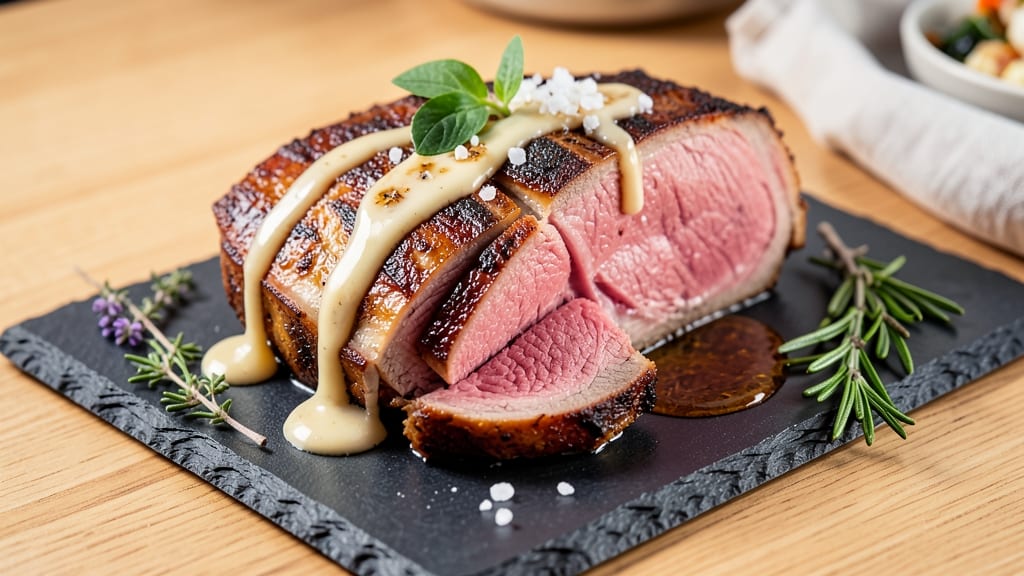
Angus beef prime rib roast transforms a special occasion into a showstopping centerpiece with its melt-in-your-mouth tenderness and rich, buttery juices. 🌟 The secret lies in low-and-slow roasting followed by a quick sear to create a perfect crust, while the au jus bath elevates every slice to restaurant-quality status. This recipe delivers a dish so impressive, it’ll have guests asking for seconds before the plate is empty.
What sets this prime rib apart is the balance of technique and simplicity—no fancy equipment required, just patience and attention to temperature.
The au jus bath, made from the natural beef juices and a touch of red wine, adds depth and moisture, ensuring each bite is as flavorful as the first.
For those who appreciate premium cuts, this method highlights the natural marbling of Angus beef, turning it into a dish worthy of celebration.
By the time you carve into this roast, you’ll have a centerpiece that’s golden on the outside, tender and juicy on the inside, and bathed in a rich, velvety au jus. The result is a dish that’s elegant enough for holiday feasts but simple enough for a weekend dinner.
Pair it with horseradish cream, roasted root vegetables, or crusty bread to complete the experience.
This recipe isn’t just about cooking—it’s about creating a memorable meal that showcases the best of what Angus beef has to offer. Whether you’re hosting a gathering or treating yourself to a luxurious dinner, this prime rib roast delivers on flavor, texture, and presentation.
Let’s get started on a dish that will leave everyone impressed.
Ingredients for angus beef prime rib roast
Six ingredients transform Angus beef into a restaurant-worthy centerpiece with melt-in-your-mouth tenderness.
| Ingredient | Amount | Notes |
|---|---|---|
| Angus Beef Prime Rib Roast 🥩 | 4 lb | Bone-in, 1.5-inch thick cut |
| Kosher Salt 🧂 | 2 tbsp | Diamond Crystal preferred |
| Freshly Ground Black Pepper 🌶️ | 1 tbsp | Coarsely ground for crust |
| Unsalted Butter 🧈 | ½ cup | Cold, cubed for crust |
| Fresh Rosemary 🌿 | ¼ cup | Finely chopped, stems removed |
| Fresh Thyme 🌿 | ¼ cup | Leaves only, stems removed |
| Garlic Cloves 🧄 | 6 cloves | Smashed, not minced |
| Red Wine 🍷 | 1 cup | Bold Cabernet Sauvignon |
| Beef Bone Broth 💧 | 2 cups | Homemade or high-quality store |
| Worcestershire Sauce 🍶 | 1 tbsp | Anchovy-free if needed |
| Fresh Horseradish 🌱 | 2 tbsp | Grate fresh for cream |
| Heavy Cream 🥛 | ½ cup | Full-fat for richness |
| Yellow Onion 🧅 | 1 whole | Chopped for au jus |
| Carrots 🥕 | 2 whole | Peeled, chopped for garnish |
The Angus beef prime rib is non-negotiable here—look for USDA Prime with visible marbling. Costco or high-end butchers carry the best cuts, but most grocery stores stock it too. A 4-pound bone-in roast serves 6 generously, with that perfect 1.5-inch thickness for even cooking. The bone-in adds flavor and helps retain moisture during roasting. If you can't find prime, choice grade with good marbling works in a pinch, but expect slightly less tenderness. For the best results, let the roast sit at room temperature for 1 hour before cooking—this ensures even doneness.
No Diamond Crystal kosher salt? Morton coarse salt works fine, but measure carefully—it's denser. The butter crust is where magic happens: use cold, cubed butter for maximum browning. Fresh herbs are ideal, but dried rosemary and thyme at half the amount will do in a bind. For the au jus, red wine should be bold—Cabernet Sauvignon or Merlot. No wine? Beef broth with 1 tbsp balsamic vinegar mimics the depth. The horseradish cream can be made ahead and stored for 3 days in the fridge, so don't skip this step—it cuts through the richness beautifully. If you're feeling fancy, add a pinch of cayenne to the cream for extra kick.
The roast reheats beautifully—low oven (170°F) for 20 minutes keeps it juicy. Store leftovers in the fridge for 3-4 days, wrapped tightly in foil to retain moisture. For longer storage, freeze for up to 3 months in a vacuum-sealed bag. The au jus can be reheated separately and keeps for 5 days in the fridge. Pro tip: Save the roasting pan juices—they're liquid gold for gravy or next-day reheating. This dish tastes even better the second day as flavors meld, so plan ahead for leftovers.
Why You'll Love This Recipe
- I’ll be real: most holiday leftovers are sad. Not this. The prime rib stays tender for days, and I repurpose it into sandwiches, hash, or even breakfast tacos. My freezer’s full of it, and I’m not complaining—because it’s still delicious after reheating.
- Five-Ingredient Magic: I swear, this recipe feels like cheating. Just the prime rib, salt, pepper, butter, and rosemary—no fancy sauces or hours of prep. That’s it. The beef does all the heavy lifting, and I just get to enjoy the process (and the results).
- Butter-Basted Bliss: Between us, there’s nothing like that first forkful of rosemary-infused butter melting into perfectly pink beef. The crust? Crisp. The inside? Juicy. The flavor? It’s the kind of thing that makes you close your eyes and sigh—no exaggeration.
- Holiday or Tuesday Night: Honestly, this roast works for everything. Sunday dinner? Check. Thanksgiving leftovers? Even better. My kids’ soccer game potluck? I brought it, and it was the only thing that didn’t get cold. (Yes, even on a Tuesday night.)
Step-by-step instructions for Angus beef prime rib roast
Master this technique and you'll achieve a prime rib so tender it practically melts in your mouth.
👨🍳 Step 1: Prep the Prime Rib for Maximum Flavor
Remove the prime rib from the refrigerator and let it sit at room temperature for 1 hour before roasting. This ensures even cooking throughout. While it comes to temperature, prepare your herb butter by combining the ½ cup unsalted butter, ¼ cup finely chopped fresh rosemary, and ¼ cup fresh thyme leaves in a small bowl. Mix well and shape into a log by rolling the mixture in plastic wrap.
Pat the prime rib dry with paper towels—this is critical for crispy crust development. In a small bowl, mix the 2 tablespoons kosher salt and 1 tablespoon freshly ground black pepper. Generously coat the entire surface of the prime rib with this seasoning, pressing it into the meat so it adheres well. This dry brine will create an incredible crust and enhance flavor throughout.
🔥 Step 2: Create the Crust and Start the Roast
Preheat your oven to 450°F with a rack positioned in the lower third. Place the seasoned prime rib on a rack set inside a roasting pan—this allows heat to circulate evenly. Rub the herb butter all over the surface of the meat, pressing gently to ensure even distribution. The butter will melt and create a golden, flavorful crust.
Roast the prime rib for 20 minutes at 450°F to develop that coveted crust. You'll know it's ready when the surface is deep golden brown and the butter has rendered out beautifully. This initial high-heat phase is crucial—it creates the perfect texture contrast between the crispy exterior and tender interior.
🔥 Step 3: Build the Au Jus Bath and Finish Cooking
After the initial roast, reduce the oven temperature to 325°F. Remove the prime rib from the oven and place it on a cutting board. Pour the 1 cup red wine into the roasting pan and scrape up all the browned bits from the bottom using a wooden spoon. This deglazing captures all the flavor that would otherwise be lost.
Add the 2 cups beef bone broth, 1 tablespoon Worcestershire sauce, and the 1 whole chopped yellow onion to the pan. Return the prime rib to the oven, fat-side up, and continue roasting for 2-2.5 hours until the internal temperature reaches 125°F (medium-rare). The au jus bath ensures the meat stays moist and infused with rich flavors throughout the cooking process.
⏰ Step 4: Rest and Prepare the Horseradish Cream
Once the prime rib reaches 125°F, remove it from the oven and transfer it to a cutting board. Tent loosely with foil and let it rest for 30 minutes. This resting period is essential—it allows the juices to redistribute throughout the meat, ensuring each slice is perfectly tender and flavorful.
While the prime rib rests, prepare the horseradish cream by grating the 2 tablespoons fresh horseradish into a small bowl. Add the ½ cup heavy cream and mix until smooth. Taste and adjust seasoning with salt and pepper if needed. This vibrant topping adds a delightful kick that perfectly complements the rich beef.
🍽️ Step 5: Carve and Serve with Au Jus
After resting, remove the foil and slice the prime rib against the grain into ½-inch thick slices. Arrange the slices on a warm platter and spoon the au jus from the roasting pan over the top. The au jus should be rich, flavorful, and just thick enough to coat the back of a spoon—this is the secret to making your prime rib truly special.
Garnish the platter with the 2 peeled and chopped carrots and serve immediately with the horseradish cream on the side. Each bite should deliver a perfect balance of crispy crust, tender meat, and rich au jus. This method guarantees a prime rib that's restaurant-quality at home.
Pro Tips For Making Angus Beef Prime Rib Roast
- SEAR HARD AND FAST: I used to think "searing" meant a gentle warm-up, but this roast needs a punishing crust. Hit 500°F (or as high as your oven goes) for 10-15 minutes—no peeking—until the butter pools and bubbles like a lava lamp. That’s when the flavor locks in.
- SALT THE NIGHT BEFORE: Prime rib is forgiving, but dry-brining overnight (yes, even just 12-24 hours) makes all the difference. Skip the morning rush by seasoning the roast with 1-2 teaspoons of kosher salt per pound before you go to bed. The salt penetrates deeper, and you won’t end up with a salty crust hiding a bland center.
- REST UNDER FOIL: I learned this the hard way—cutting into a prime rib too soon turns your perfect medium-rare into a sad, juicy mess. After roasting, tent it loosely with foil and let it sit for a solid 20-30 minutes. The internal temp will drop 10-15°F, giving you that buttery, melt-in-your-mouth texture.
- BASTE WITH ROSMARY BUTTER: Don’t just slather butter on top—make it count. Mix 4 tablespoons of softened unsalted butter with 2 chopped rosemary sprigs, a pinch of salt, and a grind of pepper. Baste every 20 minutes during the last hour of roasting. The butter adds moisture, the rosmary infuses flavor, and the crust gets that golden, caramelized finish. (Yes, even if you’re impatient like me.)
Best sauces and condiments for angus beef prime rib roast
Classic Horseradish Cream
This creamy, tangy sauce is a must-have with prime rib—it cuts through the richness beautifully. Mix 2 tbsp freshly grated horseradish with ½ cup heavy cream and a pinch of salt. The key is using fresh horseradish (not prepared) for the brightest flavor.
I like to add a splash of 1 tsp lemon juice to balance the heat. Serve chilled in a small bowl alongside the sliced prime rib for dipping or spooning over each portion. 🌱
Red Wine Au Jus
The au jus bath in this recipe is where the magic happens—it transforms simple roasting juices into a luxurious sauce. Deglaze the roasting pan with 1 cup bold Cabernet Sauvignon after the initial sear, then add 2 cups beef bone broth and 1 tbsp Worcestershire sauce.
Simmer until reduced by half for maximum richness. Strain if you prefer a silky texture, or leave it rustic with small bits for texture. This sauce should be velvety enough to coat the back of a spoon but still have enough body to cling to the meat. 🍷
Garlic-Herb Butter
The herb butter crust isn't just for flavor—it creates that coveted golden-brown exterior. Mix ½ cup cold unsalted butter with ¼ cup chopped fresh rosemary, ¼ cup fresh thyme, and 6 smashed garlic cloves. Roll into a log and chill until firm before rubbing onto the roast.
The cold butter prevents it from melting too quickly, ensuring maximum browning. For extra depth, add 1 tsp Dijon mustard to the butter mixture before chilling. This compound butter works equally well as a topping for mashed potatoes or crusty bread. 🧈
Whiskey Glaze Option
For a decadent twist, replace the red wine au jus with a whiskey glaze. Simmer ½ cup beef broth with 2 tbsp brown sugar and ¼ cup bourbon until reduced by half. Brush this glaze over the prime rib during the last 30 minutes of roasting for a caramelized finish.
The whiskey adds a smoky depth that pairs perfectly with the beef's richness. Just be mindful of alcohol content—reduce the glaze completely before serving. 🥃
Balsamic Reduction
This tangy-sweet sauce adds a sophisticated touch to the prime rib presentation. Combine ½ cup red wine with 2 tbsp balsamic vinegar and reduce by half in a saucepan. Finish with 1 tsp honey and a pinch of salt.
Drizzle lightly over the sliced meat or use as a dipping sauce for crusty bread. The acidity cuts through the fat beautifully, balancing the dish. For extra flair, add a few drops of white truffle oil at the end. 🍇
Mustard Cream Sauce
A lighter alternative to horseradish cream, this sauce adds a subtle tang. Whisk ½ cup sour cream with 2 tbsp Dijon mustard, 1 tbsp fresh parsley, and a pinch of salt. Adjust the mustard to taste—more for heat, less for mildness.
This sauce works beautifully as a base for a quick prime rib salad or as a topping for sliced meat. It's especially refreshing when served chilled, providing a cool contrast to the warm beef. 🥬
Nutrition facts
Frequently asked questions
How do I know when my prime rib is done?
Use a meat thermometer for precision—Angus beef prime rib should reach 125°F for medium-rare (the ideal doneness). Insert the probe into the thickest part, avoiding the bone. For medium, aim for 135°F. The au jus bath helps maintain moisture, so don't overcook—prime rib continues cooking slightly while resting.
Can I cook prime rib without a roasting rack?
Yes, but elevate the roast on a wire rack placed over a baking sheet or in the roasting pan. This allows heat to circulate evenly, preventing soggy bottoms. If you don't have a rack, use a layer of crushed vegetables (like carrots or onions) under the meat for indirect contact with the pan. The crust will still form beautifully!
What's the best way to reheat leftover prime rib?
Slice the leftovers and reheat in a skillet with a splash of beef broth over medium-low heat for 2-3 minutes per side until warmed through. For larger pieces, wrap in foil and bake at 300°F for 15-20 minutes. Never microwave—it dries out the meat. The au jus reheats separately and can be warmed with a quick simmer.
Why did my prime rib turn out dry?
Dry prime rib usually means overcooking or skipping the rest. Always remove the meat from the oven when it reaches 125°F (medium-rare) and let it rest for 30 minutes—this redistributes juices. Another common mistake is using a meat thermometer that doesn't penetrate deep enough. For extra insurance, add 1 cup beef broth to the roasting pan during cooking to create steam.