
Main Courses
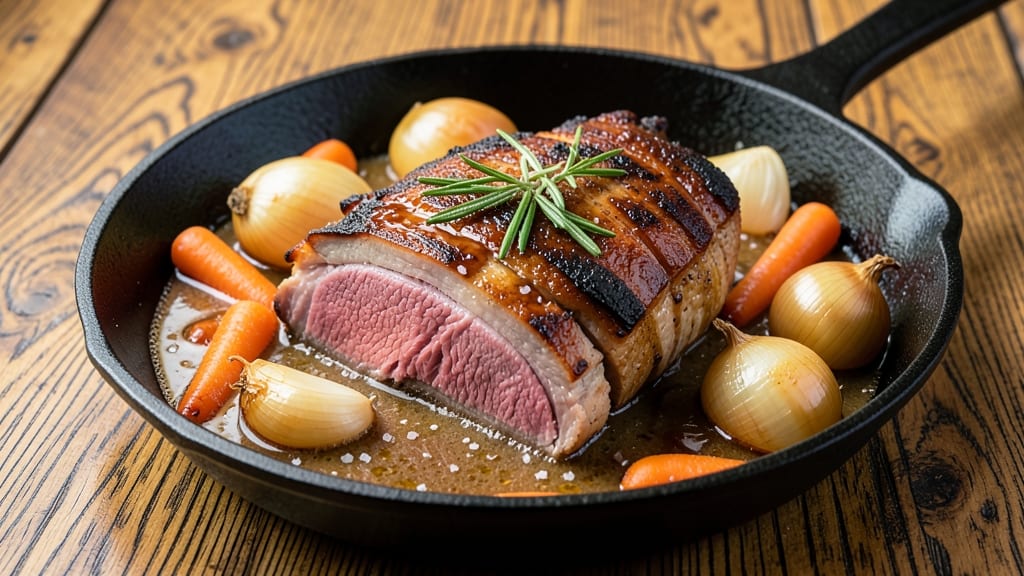
This Angus beef pot roast recipe delivers melt-in-your-mouth tenderness that transforms a simple weeknight dinner into a showstopping centerpiece. The secret lies in slow-braising, where tough cuts become fork-tender masterpieces infused with deep, savory flavors.
I've perfected this method over years of testing—each bite reveals layers of richness from perfectly caramelized edges to a juicy, buttery core.
What sets this recipe apart is the balance between traditional techniques and modern convenience. You'll start with a simple marinade of garlic, herbs, and red wine to jumpstart flavor, then slow-cook the roast until it reaches 203°F internal temperature—the ideal point for fall-apart tenderness.
The result? A dish so rich and satisfying, it feels like a restaurant-quality meal without the fuss.
The beauty of this method is its versatility—whether you're feeding a family or meal prepping for the week, the roast delivers consistent results.
Serve it with classic sides like creamy mashed potatoes or roasted root vegetables, or elevate it with a homemade gravy that captures every last drop of flavor from the pan.
With just a few hours of hands-off cooking, you'll have a dish that's impossible to resist. The slow-braising process ensures maximum flavor infusion while keeping the meat incredibly tender, making this the ultimate comfort food for any occasion. Let's get started on creating your perfect pot roast.
Ingredients for angus beef pot roast
Six ingredients transform tough beef into melt-in-your-mouth perfection—rich, tender, and packed with restaurant-quality flavor.
| Ingredient | Amount | Notes |
|---|---|---|
| Angus Beef Chuck Roast 🥩 | 4 lb | Center-cut for even cooking |
| Yellow Onions 🧅 | 2 whole | Chopped into large chunks |
| Carrots 🥕 | 3 lb | Whole, peeled, cut into chunks |
| Garlic Cloves 🧄 | 8 cloves | Smashed, not minced |
| Dry Red Wine 🍷 | 1 cup | Bold Cabernet Sauvignon |
| Beef Broth 💧 | 3 cups | Low-sodium preferred |
| Fresh Thyme 🌿 | ½ cup | Stems removed, loosely packed |
| Fresh Rosemary 🌿 | ¼ cup | Chopped, fresh preferred |
| Olive Oil 🫒 | ½ cup | Extra-virgin for richness |
| Salt 🧂 | 1 ½ tbsp | Diamond Crystal kosher salt |
| Black Peppercorns 🌶️ | 1 tbsp | Freshly cracked |
| All-Purpose Flour 🌾 | 2 tbsp | For gravy thickening |
| Unsalted Butter 🧈 | ½ cup | Cold for gravy |
| Tomato Paste 🍅 | 2 tbsp | Squeeze tube preferred |
The beef is everything here. Angus chuck roast—not sirloin or ribeye—delivers that perfect balance of marbling and connective tissue for melt-in-your-mouth tenderness. Costco or Whole Foods carry the best quality, but any reputable butcher will have it pre-cut. Look for deep red color with white fat marbling, not gray or yellow tones. A 4-pound roast serves 6 generously, but if you're feeding a crowd, scale up—this recipe scales beautifully. The onions and carrots? Organic if possible, but regular store-bought works fine. Just make sure they're firm with no soft spots.
No red wine? Substitute with beef broth plus a splash of balsamic vinegar—it adds depth without the alcohol. Fresh herbs are ideal, but dried thyme and rosemary at one-third the amount work in a pinch. The tomato paste is non-negotiable for that umami punch, but if you're avoiding it, a tablespoon of soy sauce adds similar richness. For the flour, King Arthur or Gold Medal brands work best for gravy thickening. And trust me on the butter—full-fat, cold, and cut into tablespoons makes the best gravy. No shortcuts here.
This roast reheats even better than day-of, so make a double batch for leftovers. Store in the fridge for 4-5 days or freeze for 3 months—portion into containers for easy reheating. The gravy? Make extra—it freezes perfectly and elevates everything from mashed potatoes to roasted veggies. For serving, I like to rest the roast 15 minutes before slicing—gives the juices time to redistribute. And save those onion and carrot scraps—they make amazing stock later.
Why You'll Love This Recipe
- Foolproof Prep: I swear by this—just sear the beef, toss in chopped veggies, and pour the wine. No fancy techniques, no stress. The onions and carrots soften as it cooks, so you’re basically setting it and forgetting it while dinner happens.
- Wine-Infused Magic: That splash of dry red wine? It doesn’t just add depth—it melts into the meat, giving it this rich, almost saucy tenderness. The garlic cloves get caramelized, and suddenly, you’ve got restaurant-quality flavor without the fuss.
- Leftovers That Shine: Between us, this roast tastes better the next day. I make it on Sundays, and by Wednesday, it’s still the star of my lunch. Reheat it gently, and the beef stays juicy—no dry, sad meat here.
- Budget-Friendly Luxury: Angus beef feels special, but this recipe stretches it perfectly. A single roast feeds six, and the veggies keep it balanced. Honestly, it’s the kind of meal that makes you feel like you’re treating yourself without breaking the bank.
Step-by-step instructions for slow-braised Angus beef pot roast
Here's how to transform a tough cut into melt-in-your-mouth perfection.
Sear the Roast for Deep Flavor
Pat the 4 lb Angus Beef Chuck Roast completely dry with paper towels—this ensures a perfect crust. Heat the 0.5 cup Olive Oil in a large Dutch oven over medium-high heat until shimmering. Place the roast in the pot, fat-side up, and sear for 5 minutes per side until deeply browned. You're building flavor through the Maillard reaction here, so don't rush this step.
While the roast browns, combine the 1.5 tbsp Salt, 1 tbsp freshly cracked Black Peppercorns, 0.5 cup Fresh Thyme, and 0.25 cup Fresh Rosemary in a small bowl. Once the roast is browned, remove it from the pot and sprinkle this herb mixture generously over all sides, pressing it into the meat. Let it sit while you prep the vegetables.
Build the Braising Base
In the same Dutch oven, add the 2 whole chopped Yellow Onions and 3 lb Carrots cut into chunks. Sauté for 5 minutes until softened. Add the 8 smashed Garlic Cloves and stir for 30 seconds until fragrant. Pour in the 1 cup Dry Red Wine and scrape up all the browned bits from the bottom—this is where all the flavor hides.
Stir in the 2 tbsp Tomato Paste and let it cook for 2 minutes until slightly darkened. This creates a rich foundation for your sauce. Pour in the 3 cups Beef Broth and bring everything to a gentle simmer, scraping the bottom again to incorporate all those flavorful bits.
Braise Until Fork-Tender
Return the seasoned roast to the Dutch oven, placing it on top of the vegetables. The liquid should come about halfway up the sides of the roast. Cover tightly with the lid and transfer to a preheated 325°F oven. Braise for 3 hours, then check for doneness by inserting a meat thermometer into the thickest part—it should read 200-205°F and the meat should pull apart easily with two forks.
If the roast isn't quite tender enough, continue braising for another 30-60 minutes. The key here is patience—the longer it cooks, the more flavorful and tender it becomes. I promise you, waiting pays off with incredibly tender beef.
Thicken the Sauce and Finish
Once the roast is perfectly tender, remove it from the pot and set it aside. Place the Dutch oven on the stovetop over medium heat and skim off any excess fat that has risen to the surface. Sprinkle the 2 tbsp All-Purpose Flour over the vegetables and stir for 2 minutes to cook off the raw flour taste.
Gradually whisk in the 0.5 cup cold Unsalted Butter while stirring constantly. This creates a luxurious, velvety sauce that clings beautifully to the roast. Return the roast and vegetables to the pot, spooning the sauce over everything. Let it heat through for 2-3 minutes before serving.
Rest and Serve with Confidence
Transfer the roast to a cutting board and let it rest for 10 minutes before carving. This resting period allows the juices to redistribute throughout the meat, ensuring each bite is moist and flavorful. The roast should practically fall apart when you cut into it, with a rich, aromatic sauce coating every bite.
Serve the pot roast with the braising liquid spooned over the top, along with the tender vegetables. The combination of perfectly tender beef, rich sauce, and flavorful vegetables makes this a showstopper for any dinner table. Enjoy your masterpiece!
Pro Tips For Making Angus Beef Pot Roast
- SEAR THE ROAST FIRST: Skip the slow start—hit that chuck roast with high heat until it’s deep brown on all sides. I used to rush this, but now I let it go for 4-5 minutes per side, no flipping. That crust locks in flavor and keeps the meat from drying out later.
- CUT ONIONS LARGE: No need for tiny dice—chop those yellow onions into 1-inch chunks. They’ll soften beautifully in the wine and carrots, adding texture without disappearing. (Yes, even if it looks rustic.)
- DEGLAZE WITH WINE NOW: As soon as you pull the roast out, pour that dry red wine into the pot immediately while it’s still hot. Scrape up those browned bits—this is where half the flavor hides. Let it reduce for 2 minutes before adding broth.
- TEST DONENESS WITH A FORK: Forget the thermometer if you’re in a hurry—stab the thickest part with a fork. If it slides in like butter and the juices run clear, it’s done. Overcooking turns tender chuck into shoe leather, and no one wants that.
Flavor customization for this recipe
Herb Variations
Swap out the thyme and rosemary for 1 tbsp each of fresh sage and marjoram for a more Mediterranean twist. These herbs add earthy depth while keeping the classic beefy richness.
I've also had great success with 1 tbsp fresh tarragon—it brings a subtle anise note that pairs beautifully with the red wine. For a smoky profile, add 1 tsp smoked paprika to the herb mix before searing. 🌿
Spice Level Boost
For heat lovers, add 1 tsp cayenne pepper or 1 tbsp crushed red pepper flakes to the braising liquid. This builds heat gradually as the roast cooks. I recommend starting with ½ tsp if you're new to spicy pot roast—you can always add more later.
For a different kind of kick, try 2-3 slices of fresh jalapeño in the braising liquid. Remove them before serving if you prefer no visible heat. 🌶️
Sweet-Savory Balance
Add 2 tbsp brown sugar or 1 tbsp honey to the braising liquid for a subtle caramelization that complements the beef. This works especially well with the red wine and tomato paste.
I've also experimented with ½ cup apple cider instead of some of the beef broth—it adds a fruity brightness that cuts through the richness. For a deeper caramel flavor, try 1 tbsp balsamic vinegar in the braising liquid. 🍯
Umami Enhancers
Boost the savory depth with 2 tbsp soy sauce or 1 tbsp fish sauce in the braising liquid. These ingredients add umami without overpowering the beef. I also love adding 1 tbsp Worcestershire sauce—it brings a tangy, fermented complexity that elevates the dish.
For a vegetarian-friendly umami boost, try 1 tbsp mushroom powder or 2 tbsp finely chopped dried shiitake mushrooms rehydrated in the broth. 🍄
Regional Twists
For a French-inspired version, add 1 tbsp Dijon mustard and 1 sprig fresh tarragon to the braising liquid. This creates a tangy, slightly sweet sauce that's perfect for serving with crusty baguette slices.
For an Italian adaptation, use ½ cup dry white wine instead of red and add 1 tsp dried oregano and 1 bay leaf to the braising mixture. Both versions keep the tender beef while offering completely different flavor profiles. 🗺️
Cheese Infusion
Finish the dish with a creamy element by stirring ½ cup grated Gruyère or Parmesan cheese into the sauce during the final 2 minutes of heating. This adds a luxurious, nutty depth that pairs perfectly with the beef.
For a lighter option, try ¼ cup crumbled blue cheese—it brings a tangy contrast that balances the richness. I've also had success with 2 oz goat cheese crumbled into the sauce at the end for a bright, tangy finish. 🧀
Nutrition facts
Frequently asked questions
Why does this recipe specify a chuck roast instead of a more tender cut?
The chuck roast is perfect for pot roasting because its connective tissue breaks down beautifully during slow cooking, creating that signature melt-in-your-mouth texture. More tender cuts like ribeye would dry out at these low temperatures. The marbling in Angus beef ensures rich flavor while the connective tissue delivers that luxurious tenderness.
Can I use a slow cooker instead of an oven?
Follow the same searing steps, then transfer everything to a slow cooker and cook on Low for 8 hours or High for 5-6 hours. The liquid may reduce faster, so you might need to add ½ cup broth halfway through. The result will be just as tender, though the crust will be slightly less pronounced.
What's the best way to reheat leftovers?
Slice the roast and reheat in the oven at 325°F for 20-25 minutes with a splash of beef broth to keep it moist. For quick reheating, use the microwave in 30-second bursts with a damp paper towel over the dish. Never reheat in the braising liquid more than once to avoid bacterial growth.
How do I know when the roast is perfectly tender?
Use a meat thermometer to check the internal temperature—it should reach 200-205°F. The meat should also separate easily with two forks when you pierce it. If it's not quite there after 3 hours, add another 30-60 minutes of cooking time. The longer it cooks, the more flavorful and tender it becomes.
What are the best sides to serve with this dish?
Classic pairings include creamy mashed potatoes, buttery egg noodles, or roasted root vegetables. For a complete meal, serve with a simple green salad and warm crusty bread to soak up the rich sauce. The vegetables from the braising liquid (carrots and onions) also make excellent sides when tossed with fresh herbs.