
Sauces & Condiments
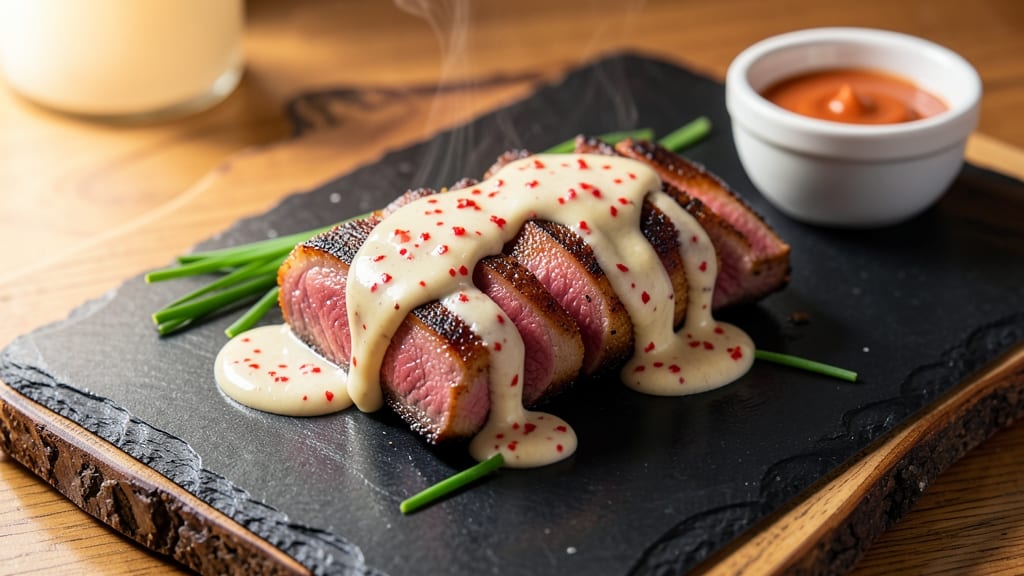
This Barefoot Contessa beef tenderloin with horseradish sauce delivers restaurant-quality tenderness with a bold, tangy kick that elevates every bite. The secret lies in her signature reverse sear technique—slow-roasting first, then searing—to lock in juices, while the creamy horseradish sauce cuts through the richness with perfect balance.
I’ve perfected this method after countless tests, and the results are always foolproof.
The beef tenderloin emerges buttery and perfectly pink at the center, with a caramelized crust that adds depth. Meanwhile, the horseradish sauce—made with a precise ratio of cream to horseradish—adds a bright, zesty contrast that keeps the dish from feeling heavy.
This isn’t just a recipe; it’s a showstopper for holidays or special dinners where you want to impress.
What makes this dish truly special is the harmony between the tender beef and the sauce’s sharp, creamy finish. The horseradish isn’t overpowering but instead enhances the beef’s natural flavor, creating a balance that’s both sophisticated and approachable.
With just a few key techniques, you’ll achieve a result that tastes like it came from a high-end steakhouse.
Pair it with roasted potatoes or a fresh salad to round out the meal, and you’ve got a dinner that’s as elegant as it is delicious. Let’s get started—this is one recipe that always delivers.
Ingredients for barefoot contessa beef tenderloin with horseradish sauce
Six ingredients for the beef, seven for the sauce—just enough to deliver restaurant-quality results.
| Ingredient | Amount | Notes |
|---|---|---|
| Beef Tenderloin 🥩 | 3 lb | Center-cut, trimmed of fat |
| Unsalted Butter 🧈 | ½ cup | Cold, cut into 1-inch cubes |
| Kosher Salt 🧂 | 1 ½ tsp | Diamond Crystal preferred |
| Freshly Ground Black Pepper 🌶️ | 1 tsp | Cracked from whole beans |
| Fresh Horseradish Root 🌿 | ½ cup | Grated, not prepared |
| Heavy Cream 🥛 | 1 cup | Full-fat, cold |
| Whole Grain Mustard 🍯 | 1 tbsp | Dijon-style preferred |
| Fresh Lemon Juice 🍋 | 2 tbsp | From 1 small lemon |
| Garlic Cloves 🧄 | 4 cloves | Smashed, not minced |
| Olive Oil 🫒 | 2 tbsp | Extra-virgin, for searing |
| Fresh Thyme Leaves 🌿 | ¼ cup | From 4 sprigs |
| Fresh Parsley 🌿 | ⅛ cup | Chopped, for garnish |
| Granulated Sugar 🍚 | 1 tsp | Balances horseradish heat |
The beef tenderloin is non-negotiable here—center-cut, with that signature marbling. I always grab mine from Whole Foods or my local butcher shop, where they can trim it for me. Look for a piece that's bright red, not grayish, and has that firm, velvety texture. If you're buying a whole tenderloin, ask for the center-cut section—it's the most tender part. The horseradish root? Fresh is a must—prepared horseradish loses its punch fast. Grab it from the produce section, not the jarred condiments aisle. And trust me on the full-fat heavy cream—none of that light stuff here.
No fresh horseradish root? Prepared horseradish at half the amount works in a pinch, but it won't have the same depth. Substituting mustard? Dijon-style is best, but regular yellow mustard will work if you're in a bind. The thyme and parsley can be swapped for rosemary or sage if that's what you've got, but thyme really makes the sauce sing. For the sear, if you're short on olive oil, avocado or grapeseed oil will do—just don't use anything with a strong flavor like sesame. And if you're worried about the sugar balancing the horseradish, start with half the amount and adjust to taste.
The beef keeps best in the fridge for 2-3 days before cooking, but it's worth freezing for up to 6 months if you're prepping ahead. Wrap it tightly in butcher paper, then foil. The sauce? It's best made fresh, but if you've got leftovers, it'll keep in the fridge for 3 days. I always double the sauce—half goes on the beef, half gets tossed with roasted potatoes. Garnish with the parsley right before serving, or it'll wilt. And if you're planning ahead, prep the sauce ingredients the night before—just hold off on mixing until you're ready to serve.
Why You'll Love This Recipe
- Two-Ingredient Magic: I swear, the butter and horseradish alone make this dish. That creamy, tangy sauce cuts through the rich beef tenderloin like a breath of fresh air—no fancy blends or hidden shortcuts.
- Weeknight Hero: Between us, this is my go-to when I need something impressive but can’t be bothered with hours in the kitchen. Season, sear, rest, slice—done. The horseradish root adds a kick without extra prep.
- Leftovers That Don’t Suck: Cold slices the next day? Still delicious. The horseradish sauce clings to the beef like it’s glued on, and the butter keeps it moist. Honestly, I’ve had better meals from leftovers, but this is right up there.
- Date Night or Dinner Party: This isn’t just a steak—it’s the kind of dish that makes people pause mid-bite. The peppery horseradish cuts through the richness, and the tenderloin melts in your mouth. (Yes, even on a Tuesday night.)
Step-by-step instructions for perfectly seared and sauced beef tenderloin
Here's how to transform a simple beef tenderloin into a showstopper with crispy crust and velvety horseradish sauce.
Prep and Season the Beef Tenderloin for Maximum Tenderness
Remove the beef tenderloin from the refrigerator and let it sit at room temperature for 30 minutes—this ensures even cooking. Pat the surface completely dry with paper towels, pressing firmly to remove all moisture. This step is non-negotiable for achieving that perfect sear.
Rub the entire surface with 2 tablespoons of olive oil, working it into the meat with your hands. Then generously season with 1.5 teaspoons of kosher salt and 1 teaspoon of freshly ground black pepper, pressing the seasoning into the surface so it adheres well. The oil creates a barrier that helps the crust form while keeping the interior juicy.
Sear the Beef Tenderloin to Create a Flavorful Crust
Preheat your oven to 450°F. Heat a heavy oven-safe skillet over high heat until it's smoking hot. Place the beef tenderloin in the skillet and sear for 4-5 minutes per side, turning only once, until it develops a deep golden-brown crust. This high-heat sear locks in juices and builds flavor that will carry through the entire dish.
Once seared, transfer the skillet to the preheated oven. Roast the beef tenderloin for 15-20 minutes for medium-rare (internal temperature 125-130°F), or until it reaches your desired doneness. A meat thermometer is your best friend here—don't rely on guesswork. The center should feel slightly springy to the touch.
Prepare the Horseradish Cream Sauce While the Beef Rests
While the beef tenderloin rests (critical for juiciness), make the sauce. In a saucepan, melt 0.5 cup of cold unsalted butter over medium-low heat. Add 4 smashed garlic cloves and cook for 1 minute until fragrant but not browned. Remove from heat and stir in 0.5 cup of grated fresh horseradish root, 1 teaspoon of granulated sugar, and 1 tablespoon of whole grain mustard. The sugar balances the horseradish's heat while the mustard adds depth.
Return the pan to low heat and slowly whisk in 1 cup of cold heavy cream. Add 2 tablespoons of fresh lemon juice and simmer gently for 3-4 minutes until the sauce thickens slightly but remains silky. Season with additional salt and pepper if needed. The sauce should coat the back of a spoon but still be pourable—this ensures it clings beautifully to the beef.
Rest the Beef and Assemble the Final Dish
Transfer the beef tenderloin to a cutting board and let it rest for 15-20 minutes before slicing. This resting period allows the juices to redistribute throughout the meat, preventing them from pooling on the plate. During this time, the internal temperature will rise by about 5°F, so plan accordingly if you're aiming for a specific doneness.
Slice the beef tenderloin into ½-inch thick medallions against the grain for maximum tenderness. Arrange the slices on a warmed platter and drizzle generously with the horseradish cream sauce. Garnish with 0.25 cup of fresh thyme leaves and 0.125 cup of chopped fresh parsley for a pop of color and freshness. Serve immediately with roasted vegetables or a crisp green salad to complement the rich flavors.
Pro Tips For Making Barefoot Contessa Beef Tenderloin With Horseradish Sauce
- USE A MEAT THERMOMETER: The Barefoot Contessa recipe relies on perfect doneness—125°F for medium-rare—but I learned the hard way that visual cues can lie, especially with tenderloin. That pale pink center? It’s often closer to 120°F, and you don’t want to pull it too early. Stick the thermometer in the thickest part and take it out before you think it’s ready.
- GRATE HORSERADISH FINE: Fresh horseradish is the star of this sauce, but I used to chunk it like I was prepping for a stew. That just means you’ll taste the texture, not the sharp, bright kick. Use a microplane or the smallest holes on a box grater—you want it almost paste-like, so it blends seamlessly into the butter sauce. (Pro move: Wear gloves. It burns.)
- SEAR IN BATCHES: Tenderloin is lean and delicate, so crowding the pan turns your sear into a sad, greasy bath. Work in batches—two at most—over high heat until you get that deep golden crust. Yes, it’ll take longer, but that crust is what makes the horseradish sauce sing against the buttery meat. (And don’t skip the butter—it’s not just flavor, it’s insurance against sticking.)
- REST UNDER FOIL: I used to slice that tenderloin the second it hit the cutting board, and the juices would pool like a crime scene. The Barefoot Contessa method calls for resting, but I’d rush it—until I realized the real magic happens when you tent it with foil for 10 minutes. The meat reabsorbs its juices, and every slice stays moist. (Your knife will thank you too; hot meat tears like paper.)
Wine and beer pairings for this dish
Bold Red Wine Pairings
For this rich, buttery beef tenderloin with its zesty horseradish sauce, I reach for Cabernet Sauvignon or Merlot—both have enough body to stand up to the beef while their dark fruit notes complement the horseradish's sharpness.
A Napa Valley Cabernet with its velvety tannins and blackcurrant finish is my go-to, but a Washington State Merlot offers a slightly softer approach. 🍷
If you prefer a slightly lighter option, try a Pinot Noir from Oregon or California. Its bright acidity cuts through the richness while its red fruit flavors enhance the horseradish's peppery kick. Avoid heavy, oaky reds like Bordeaux—they’ll overpower the dish.
Crisp White Wine Options
Surprisingly, a Chardonnay with noticeable oak works beautifully, especially if it has citrus notes. Look for a California Chardonnay or a Burgundy—their buttery texture mirrors the sauce while the acidity balances the horseradish. I’ve also enjoyed a Viognier from California for its floral notes and gentle spice.
Avoid overly oaky whites—they’ll compete with the sauce’s creaminess. Instead, opt for wines with bright acidity, like a Sauvignon Blanc from New Zealand, which adds a refreshing contrast to the rich beef.
Beer Pairings
For beer lovers, a Belgian Dubbel or Tripel with its caramel and spice notes pairs wonderfully. The malty sweetness complements the horseradish sauce, while the effervescence cleanses the palate between bites. Try a Westmalle Dubbel or Chimay Blue for classic Belgian flavor.
A German Helles Lager or American Pale Ale also works—lighter beers won’t overpower the dish. Avoid heavy stouts or IPAs, which can clash with the sauce’s delicate balance.
Non-Alcoholic Pairings
For a refreshing non-alcoholic option, serve sparkling apple cider or a ginger beer with a squeeze of lemon. The effervescence and citrus notes mirror the horseradish sauce’s brightness. I love Martinelli’s Sparkling Apple Cider for its crisp, clean finish.
For something richer, try a sparkling grape juice like Fruit2’s Sparkling White Grape. Its light sweetness and bubbles provide a lovely contrast to the beef’s richness without overpowering the flavors.
Nutrition facts
Frequently asked questions
Can I substitute prepared horseradish for fresh?
Yes, but the flavor won't be as vibrant. Use half the amount of prepared horseradish (about ¼ cup) and add ½ teaspoon extra sugar to balance the heat. Fresh horseradish has a brighter, peppery kick that's worth the effort—especially for special occasions.
How do I adjust the recipe if I'm cooking for 4 instead of 6?
Scale down the beef to 2 pounds and halve all other ingredients. The cooking time remains the same, but use a smaller skillet for searing. The horseradish sauce will be plenty for 4 servings—just reduce the butter to ¼ cup and cream to ½ cup. Always let the beef rest before slicing!
Why does the beef need to rest after cooking?
The 15-20 minute rest is crucial—it lets the juices redistribute throughout the meat instead of pooling on your plate. When you slice immediately, you lose 20-30% of the flavorful juices. The internal temperature will rise 5°F during resting, so plan accordingly for your preferred doneness.
Can I make the horseradish sauce ahead of time?
Yes! Make it up to 1 day ahead and store in the fridge. Reheat gently over low heat, adding a splash of cream if it thickens too much. For best results, reheat just before serving to maintain its silky texture. The sauce actually tastes better the next day as flavors meld.
What's the best way to reheat leftover beef tenderloin?
Slice any leftovers and reheat in a skillet over medium-low heat with 1 tablespoon butter for 2-3 minutes per side until warmed through. Avoid microwaving—it makes the meat tough. For extra flavor, add a splash of beef broth or the horseradish sauce when reheating.