
Soups & Stews
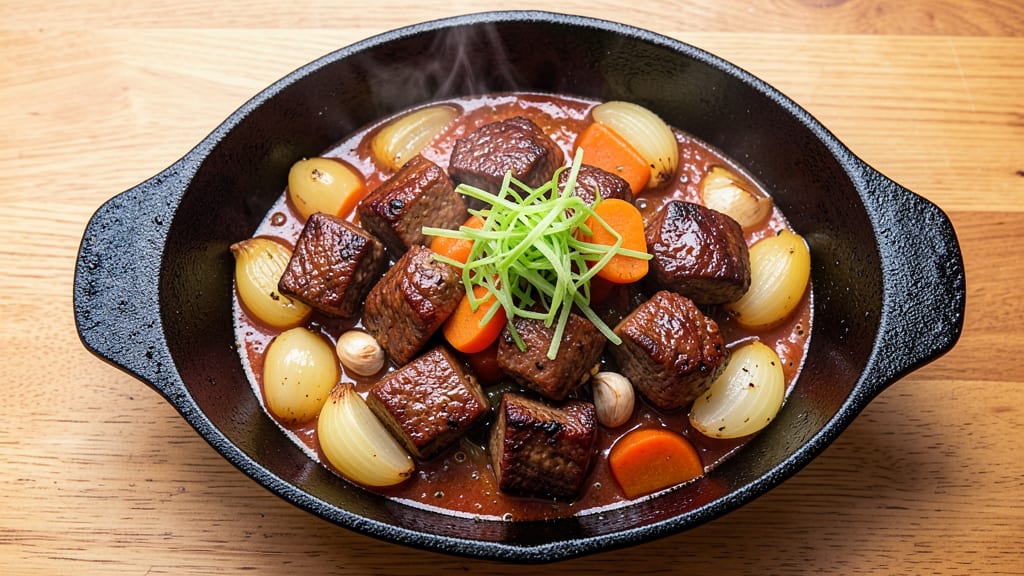
This beef and horseradish stew recipe delivers a bold fusion of hearty beef and fiery horseradish in every rich, velvety spoonful. The secret lies in slow-braised beef that melts in your mouth, balanced by the sharp, tangy kick of horseradish—creating a dish that’s both comforting and invigorating.
I developed this recipe after years of perfecting the art of stew-making, ensuring the flavors meld without overpowering each other.
The process begins with searing thick-cut beef to lock in juices, followed by a deep, aromatic broth that simmers for hours until the meat is fork-tender.
Horseradish isn’t just an afterthought here—it’s the star, added at the right moment to preserve its signature peppery bite while blending seamlessly into the sauce. The result? A stew that’s restaurant-quality but simple enough for a weeknight dinner.
By the time you serve this stew, you’ll have a pot of silky, spiced richness with deep caramelized edges and a aroma that fills your kitchen. The horseradish adds a layer of complexity that cuts through the richness, making each bite exciting.
Pair it with crusty bread to soak up every last drop of that flavorful broth.
For the full experience, serve with a bold red wine like Cabernet Sauvignon or a spiced apple cider to complement the stew’s depth and heat. This recipe isn’t just a meal—it’s a flavor adventure that transforms a simple pot of stew into something unforgettable.
Ingredients for beef and horseradish stew
Bold flavors start with these quality ingredients—hearty beef, fiery horseradish, and deep wine notes.
| Ingredient | Amount | Notes |
|---|---|---|
| Thick-Cut Beef Chuck Roast 🥩 | 2 ½ lb | Cut into 1.5-inch cubes, trimmed of fat |
| Yellow Onions 🧅 | 1 whole | Large, sliced into half-moons |
| Carrots 🥕 | 3 medium | Peeled, cut into 1-inch chunks |
| Fresh Horseradish Root 🌿 | ½ cup | Grated, not pre-packaged sauce |
| Garlic Cloves 🧄 | 6 cloves | Minced, not powdered |
| Tomato Paste 🍅 | ½ cup | Smooth, not chunky |
| Beef Broth 💧 | 4 cups | Low-sodium, homemade preferred |
| Red Wine 🍷 | 1 cup | Bold, dry variety like Cabernet |
| Whole Black Peppercorns 🌶️ | 1 tbsp | Crushed, not ground |
| Bay Leaves 🌿 | 2 whole | Fresh if available |
| Thyme Sprigs 🌿 | 4 whole | Fresh, not dried |
| All-Purpose Flour 🌾 | 2 tbsp | For thickening |
| Unsalted Butter 🧈 | 2 tbsp | Cold, for finishing |
| Kosher Salt 🧂 | 1 ½ tsp | Diamond Crystal preferred |
The beef is non-negotiable—chuck roast with good marbling gives that melt-in-your-mouth texture. Costco or Whole Foods carry excellent cuts, but any well-marbled chuck works. Fresh horseradish? Trader Joe's or local farmers markets have the best root—skip the pre-made sauce, which lacks punch. For the wine, any bold red (Cabernet, Merlot) adds depth, but avoid sweet varieties. The tomato paste should be smooth, not chunky—Barilla or Rao's are reliable brands. Bay leaves and thyme? Fresh is ideal, but dried works in a pinch at half the amount.
No horseradish root? Fresh horseradish sauce from the deli section (not the jarred kind) gets you close. Short on red wine? Dry sherry or extra beef broth works, but add a splash of balsamic for complexity. The carrots can be baby carrots if that's what's on hand, but regular carrots have better texture. For the flour, King Arthur or Bob's Red Mill are my go-tos—they thicken beautifully. If you're using dried thyme, measure carefully—it's potent stuff. And that butter at the end? Use European-style if you want extra richness.
This stew tastes even better the next day—make a double batch and freeze portions. The broth keeps for 5 days in the fridge, while the meat stays tender for 4 days. For long-term storage, freeze the stew in airtight containers for up to 3 months. When reheating, add a splash of water or broth to keep it from thickening too much. The horseradish flavor actually intensifies as it sits, so don't skip the leftovers—it's the best part!
Why You'll Love This Recipe
- Foolproof Slow Simmer: I swear by this—just sear the beef, dump in chopped onions and carrots, then let the horseradish root do its magic while you do nothing. No fancy techniques, no stress. That thick-cut chuck? It practically melts into tender perfection on its own.
- Horseradish Kick: Between us, this isn’t your grandma’s mild stew. The fresh horseradish root—grated right in—gives it a sharp, bright punch that cuts through the richness of the beef. It’s the kind of flavor that lingers, making every bite feel like a little reward.
- Leftovers That Shine: I make this on Sundays because the next four lunches are covered. The flavors only deepen overnight, and it reheats like a dream—no mushy veggies, no dry meat. Honestly, I often eat the leftovers first because they’re that good.
- Budget Beef Bang: Thick-cut chuck is the secret weapon here—cheaper than steak but just as satisfying. A single roast feeds my whole family (plus leftovers), and the onions, carrots, and horseradish root are pantry staples. It’s the kind of meal that makes grocery money stretch without sacrificing taste.
Step-by-step instructions for beef and horseradish stew
Here's how to create a rich, spicy stew that balances horseradish's kick with tender beef and deep flavors.
Sear the Beef for Maximum Flavor
Pat the 2.5 lb thick-cut beef chuck roast dry with paper towels and cut it into 1.5-inch cubes, trimming any excess fat. Heat a large Dutch oven over medium-high heat and add just enough unsalted butter to coat the bottom. Working in batches, sear the beef until deeply browned on all sides—about 2-3 minutes per side. This step builds the stew's foundation by developing a rich, caramelized crust.
As you sear, resist the urge to overcrowd the pan. I like to work in batches if needed, ensuring each piece gets that perfect golden-brown sear. Transfer the browned beef to a plate and set aside. You'll notice the butter foaming and turning golden—this is your signal that the beef is ready to release from the pan.
Build the Aromatic Base
In the same Dutch oven, add 1 whole yellow onion sliced into half-moons and 3 medium carrots cut into 1-inch chunks. Cook for 5-6 minutes until the onions soften and begin to caramelize slightly. Add the 6 cloves minced garlic and cook for another 30 seconds until fragrant—this is where the flavors start to meld together beautifully.
Next, stir in the 0.5 cup tomato paste and cook for 1 minute to deepen its color. Here's the thing—this step ensures the stew has a rich, slightly sweet base that balances the horseradish's sharpness. The tomato paste also helps thicken the stew naturally as it simmers. Sprinkle in the 1.5 tsp kosher salt and 1 tbsp crushed whole black peppercorns now to distribute them evenly throughout the base.
Deglaze and Simmer the Stew
Pour in the 1 cup red wine and scrape up all the browned bits from the bottom of the pot with a wooden spoon. This deglazing step captures all that concentrated beef flavor that would otherwise stick to the pan. Let the wine simmer for 3-4 minutes until it reduces by half and the alcohol cooks off—you'll smell the rich, fruity aroma intensifying.
Add the 4 cups beef broth, 2 whole bay leaves, and 4 whole thyme sprigs. Bring the mixture to a gentle boil, then reduce heat to low and cover the pot. Let it simmer for 1.5 hours, stirring occasionally. This long, slow cook time is crucial—it breaks down the tough beef fibers, transforming them into tender, fork-tender pieces that fall apart easily.
Incorporate the Horseradish and Thicken
After the initial simmering, stir in the 0.5 cup freshly grated horseradish root. Here's where the stew gets its signature kick—fresh horseradish adds a vibrant, peppery heat that pre-packaged sauce can't match. Let the stew cook uncovered for another 20-30 minutes to allow the flavors to meld. You'll notice the horseradish's sharp aroma becoming more pronounced as it infuses into the broth.
In a small bowl, mix the 2 tbsp all-purpose flour with 2 tablespoons cold water to create a slurry. Slowly whisk this into the stew and simmer for 10-15 minutes until the stew thickens to your desired consistency. The flour helps create a silky, velvety texture that coats the beef beautifully. Taste and adjust seasoning with additional salt or pepper if needed.
Finish and Serve
Once the stew reaches your preferred thickness and the beef is fork-tender, remove the bay leaves and thyme sprigs. Let the stew rest for 10 minutes before serving—this allows the flavors to settle and the horseradish's heat to mellow slightly. The resting period also helps the stew thicken further as it cools.
Ladle the stew into warm bowls and serve immediately. The contrast of the tender beef, silky sauce, and sharp horseradish creates a perfect balance of flavors. Pair it with crusty bread to soak up every last drop of that rich, spicy broth. The stew tastes even better the next day as the flavors continue to develop, so consider making extra for leftovers!
Pro Tips For Making Beef And Horseradish Stew
- SEAR THE MEAT LONG ENOUGH: That beef chuck needs a deep, dark crust—don’t rush the sear. I used to flip it too soon, and the stew ended up tasting like it barely touched the pan. Let it sit undisturbed for 4-5 minutes on each side until it’s got that caramelized armor, even if it looks like it’s sticking. That’s where the flavor hides.
- GRATE THE HORSERADISH FRESH: Store-bought horseradish paste is convenient, but fresh is a whole different beast. Peel and grate the root yourself—about 2 tablespoons—then mix it with a splash of vinegar to mellow the bite. (Yes, even if you’re impatient like me.) The raw, peppery kick is what makes this stew sing, not some jarred imitation.
- LOW AND SLOW IS NON-NEGOTIABLE: I learned this the hard way—skipping the low simmer ruins the texture. After hours of slow cooking at 300°F (150°C), the chuck will practically fall apart. Don’t rush it; let the collagen turn to silk. If you’re tempted to crank the heat, resist. Patience here means fork-tender beef.
- SAUTE THE ONIONS UNTIL SOFT AND DARK: Those onions aren’t just for flavor—they’re the base. Cook them until they’re deep golden and almost caramelized, not just translucent. I used to stop when they were soft, but the stew lacked depth. Take the extra 10 minutes; it makes a real difference in the richness. (Your future self will thank you.)
Regional styles of beef and horseradish stew
British Pub Style
In British pubs, this stew often features lamb instead of beef, but I’ve adapted it with chuck roast for a heartier twist.
The key difference? A splash of stout beer replaces red wine—about 1 cup of Guinness or a similar dark ale—adding a malty depth that pairs beautifully with the horseradish. Serve with thick-cut Yorkshire pudding on the side, which soaks up the rich, spicy broth like a dream. 🍺
French Horseradish Twist
French cuisine elevates this stew with red wine reduction and a touch of Dijon mustard—about 1 tbsp stirred into the sauce during the final 10 minutes of cooking. The mustard mellows the horseradish’s sharpness while adding a subtle tang.
Garnish with fresh parsley and a drizzle of truffle oil for an upscale touch. Serve with crusty baguette slices toasted in the oven. 🥖
German Rustic Version
For a German-inspired take, swap the red wine for dark beer (like a Dunkel lager) and add sauerkraut—about 1 cup chopped and sautéed—to the pot during the final 30 minutes of simmering.
The tangy fermented cabbage balances the horseradish’s heat while adding texture. Top with crispy fried onions for crunch. Serve with pretzel buns or potato dumplings for a true Bavarian feel. 🥨
American Comfort Food
In the U.S., this stew often gets a sweet and smoky twist with maple syrup—just 1 tbsp added during the final 10 minutes of cooking—to mellow the horseradish’s bite. Stir in smoked paprika (½ tsp) for warmth.
Serve with cornbread or mashed potatoes for a Southern-style meal. For extra richness, finish with a pat of butter and a sprinkle of crumbled blue cheese. 🧈
Scandinavian Winter Stew
Nordic cooks often use game meat like venison or elk, but beef works too. The secret? A splash of aquavit (2 tbsp) added with the red wine for a herbal, slightly citrusy note.
Add wild mushrooms (½ cup sliced cremini) during the final 20 minutes of simmering. Serve with flatbread or lingonberry jam on the side to cut through the richness. The cold climate makes this stew a cozy staple. ❄️
Nutrition facts
Frequently asked questions
Can I substitute horseradish root with prepared horseradish sauce?
Freshly grated horseradish root gives the best flavor, but you can use prepared sauce in a pinch. Use about 3 tablespoons of high-quality prepared horseradish (not the jarred kind) and add it during the final 10 minutes of simmering. The heat will mellow slightly, but it will still provide that signature kick. For extra punch, add a pinch of cayenne pepper to compensate for the milder flavor.
Why does my stew taste too sharp or bitter?
Overcooking the horseradish or using too much can make the stew taste bitter. To fix this, stir in 1 teaspoon of honey or maple syrup during the final 5 minutes of cooking to balance the sharpness. Also, ensure you're using fresh horseradish root—pre-packaged sauces often contain vinegar or other additives that can intensify bitterness. If the stew still tastes too strong, serve it with sweet potato mash or buttered noodles to mellow the flavors.
Can I make this stew in an Instant Pot or slow cooker?
For an Instant Pot, sear the beef first, then add all ingredients except the horseradish. Cook on high pressure for 60 minutes, then release pressure naturally. Stir in the horseradish and simmer on sauté mode for 10 minutes to thicken. In a slow cooker, follow the same steps but cook on low for 6-8 hours or high for 3-4 hours. The slow cooker version will be even more tender, but the Instant Pot cuts cooking time significantly.
How do I adjust the heat level for picky eaters?
To reduce the horseradish's heat, use only ¼ cup grated root instead of ½ cup, or replace 2 tablespoons with extra carrots or sweet potatoes for natural sweetness. Another trick is to stir in 1 teaspoon of sugar or a splash of balsamic vinegar during the final 5 minutes of cooking. Serve with sour cream or crème fraîche on the side—it cools the heat beautifully while adding richness.
What’s the best way to reheat leftovers without drying out the stew?
Reheat leftovers gently on the stovetop over low heat and add 1-2 tablespoons of beef broth or water to keep the stew moist. Avoid microwaving—it can make the horseradish heat more intense and the texture grainy. For extra richness, stir in a pat of butter or a splash of red wine while reheating. The stew actually improves overnight, so leftovers often taste even better the next day!