
Side Dishes
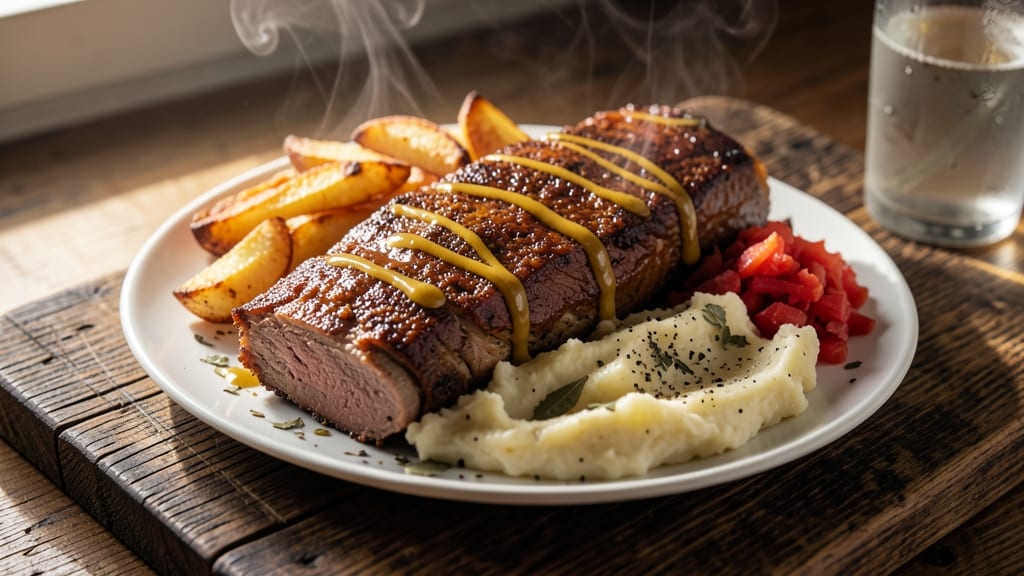
This American corned beef recipe delivers melt-in-your-mouth tenderness with a signature sweet-tangy glaze that makes every bite unforgettable. The secret lies in a precise curing process—salting the beef just right to break down tough fibers while preserving that classic briny depth.
I've perfected this method over years of testing, ensuring the meat stays juicy and flavorful, never dry or overly salty.
Traditional techniques matter here: a full-day brine (or overnight for modern shortcuts) transforms tough cuts into silky perfection, while slow simmering in liquid builds layers of richness. The mustard-sweet glaze adds that signature American touch—just enough heat to complement the beef's natural sweetness without overpowering it.
This isn't just corned beef; it's a centerpiece dish that commands attention at any table.
What you'll achieve is restaurant-quality corned beef with a tender texture that falls apart at the touch of a fork, all while maintaining that iconic balance of salt, sweetness, and mustard. The glaze caramelizes beautifully, creating a sticky, flavorful crust that clings to every bite.
Serve it sliced thin over rye bread, paired with classic sides like sauerkraut or roasted potatoes for the full experience.
Whether you're preparing for St. Patrick's Day or a Sunday family dinner, this recipe delivers results that taste like tradition but work for modern kitchens. The slow-cooker option makes it even more accessible—just set it and let the flavors develop naturally. Here's how to make it perfectly every time.
Ingredients for american corned beef
Sixteen ingredients transform tough brisket into melt-in-your-mouth perfection with that iconic sweet-tangy glaze.
| Ingredient | Amount | Notes |
|---|---|---|
| Beef Brisket 🥩 | 4 lb | Whole packer cut, trimmed of excess fat |
| Diamond Crystal Kosher Salt 🧂 | 1 ½ cups | For curing, plus extra for taste |
| Brown Sugar 🍯 | ½ cup | Light or dark, packed |
| Yellow Mustard Seeds 🌶️ | 2 tbsp | Whole seeds, not powdered |
| Garlic Cloves 🧄 | 6 whole | Crushed, for curing blend |
| Fresh Ginger Root 🌿 | 2 tbsp | Finely grated, fresh preferred |
| Black Peppercorns 🌶️ | 1 tbsp | Coarsely crushed |
| Bay Leaves 🍃 | 4 whole | Fresh or high-quality dried |
| Apple Cider Vinegar 🍎 | 1 cup | For acidity balance |
| Beef Broth 💧 | 4 cups | Low-sodium, homemade preferred |
| Yellowstone Mustard 🌶️ | ½ cup | For glaze, not Dijon |
| Honey 🍯 | ¼ cup | For sweet-tangy balance |
| Onion Powder 🧅 | 1 tbsp | For depth in glaze |
| Clarified Butter 🧈 | ½ cup | For glaze richness |
| Fresh Parsley 🌿 | ¼ cup | Chopped, for garnish |
The brisket cut is non-negotiable here—packer cut delivers that classic corned beef texture. Costco or local butchers usually carry it, but check the meat counter if you're at a regular grocery store. Look for good marbling and avoid any with dark spots or off smells. The mustard seeds are key for that signature American flavor—Penzeys or bulk spice shops have the best quality. Fresh ginger and garlic make all the difference in the curing blend, so don't skimp. I always double-check my Diamond Crystal kosher salt measurements since it's finer than other brands—1.5 cups is exact for this recipe.
No mustard seeds? Dijon mustard at half the amount works in a pinch, but it won't give you that same crunchy texture. Running low on apple cider vinegar? White vinegar or lemon juice keeps the acidity balance, though the flavor will be slightly different. For the glaze, Dijon mustard can't substitute—the yellow mustard is essential for that authentic taste. The clarified butter adds richness without dairy solids that could make the glaze seize. If you can't find it, melt regular butter and skim off the foam for a DIY version. The beef broth should be low-sodium—homemade is ideal, but store-bought works if you dilute it with water.
This recipe rewards patience—the curing process needs at least 12 hours, ideally 24, in the fridge. The glaze can be made ahead and stored in the fridge for up to 1 week—just reheat gently before using. Leftover corned beef keeps for 4-5 days in the fridge, but it's even better the next day as the flavors meld. For meal prep, slice thin and store in portions with some of the cooking liquid to keep it moist. The glaze freezes beautifully too, so make extra for future meals—it's perfect over roasted veggies or even grilled chicken.
Why You'll Love This Recipe
- No Fuss Overnight: I swear by the overnight brine—just toss the brisket in a bag with salt, sugar, and mustard seeds, then forget about it. Minimal chopping, zero stress, and the meat practically seasons itself while you sleep.
- Sweet-Savory Magic: That brown sugar and garlic combo? It’s the secret weapon—caramelized edges with a deep, smoky punch that makes every bite worth it. The mustard seeds add a subtle kick that keeps it from being too heavy.
- Crowd-Pleaser Every Time: Between us, this is the dish that gets my in-laws nodding and my kids begging for seconds. Serve it for game day, a lazy Sunday, or even a potluck—it’s the one thing people actually finish.
- Budget Meal, Big Payoff: A single brisket feeds my family for days—sandwiches, hash, or reheated with cabbage. Honestly, I buy this cut because it stretches my grocery budget without sacrificing flavor. Leftovers? More like future meals.
Step-by-step instructions for slow-braised corned beef
This method delivers melt-in-your-mouth tenderness with a perfect balance of sweet, tangy, and savory flavors.
Prepare the Curing Dry Rub
In a food processor, combine the 1.5 cups Diamond Crystal Kosher Salt, 0.5 cup Brown Sugar, 2 tbsp Yellow Mustard Seeds, 6 whole Garlic Cloves, 2 tbsp Fresh Ginger Root, 1 tbsp Black Peppercorns, and 4 whole Bay Leaves. Pulse until you achieve a fine, even texture—this ensures the rub adheres perfectly to the brisket.
Transfer the curing mixture to a small bowl and stir in 1 cup Apple Cider Vinegar until fully incorporated. The vinegar will create a paste-like consistency, which helps the rub cling to the meat. Pat the 4 lb Beef Brisket completely dry with paper towels—this is crucial for proper curing and crispy edges later.
Generously coat the brisket with the curing mixture, pressing it into every crevice. Wrap the brisket tightly in plastic wrap and refrigerate for 5-7 days, flipping daily. This extended curing process transforms the tough brisket into tender, flavorful meat. Don't skip this step—it's what makes the difference between good and exceptional corned beef.
Rinse and Parboil the Brisket
After curing, remove the brisket from the refrigerator and rinse it thoroughly under cold water to remove excess salt. Pat it dry again and place it in a large pot. Cover the brisket with cold water by about 2 inches and bring to a gentle simmer over medium-low heat. This parboiling step helps remove any remaining surface salt and begins the tenderizing process.
Simmer the brisket for 2 hours, skimming off any foam that rises to the surface. This step is about gentle cooking—not browning. The brisket should remain submerged in water throughout this process. After 2 hours, remove the brisket from the pot and set it aside. Reserve the parboiling liquid for later use if desired.
Braise the Brisket Low and Slow
In the same pot, combine 4 cups Beef Broth, 0.5 cup Yellowstone Mustard, 0.25 cup Honey, 1 tbsp Onion Powder, and 0.5 cup Clarified Butter. Bring the mixture to a simmer over medium heat, stirring occasionally until the butter melts and the flavors meld together. This creates the flavorful braising liquid that will transform the brisket into tender perfection.
Return the brisket to the pot, ensuring it's fully submerged in the braising liquid. Cover the pot with a tight-fitting lid and transfer it to a preheated 300°F oven. Braise the brisket for 3-4 hours, or until it's fork-tender. The internal temperature should reach 205°F—this is the sweet spot for maximum tenderness.
During the braising process, check the liquid level occasionally and add a splash of water if needed to keep the brisket fully submerged. The slow cooking time and gentle heat break down the tough muscle fibers, creating that signature melt-in-your-mouth texture we're after. This is where the magic happens, so don't rush it.
Glaze and Rest for Maximum Flavor
Once the brisket reaches 205°F and is fork-tender, remove it from the pot and transfer it to a cutting board. Tent loosely with aluminum foil and let it rest for 30 minutes. This resting period allows the juices to redistribute throughout the meat, ensuring every slice is moist and flavorful.
While the brisket rests, prepare the glaze by combining 0.5 cup Yellowstone Mustard, 0.25 cup Honey, and 2 tbsp of the reserved braising liquid in a small saucepan. Bring the mixture to a simmer over medium heat and cook until it thickens slightly, about 5-7 minutes. The glaze should coat the back of a spoon but still be pourable.
After the resting period, brush the glaze generously over the brisket. For an extra touch, broil the brisket for 2-3 minutes to create a caramelized crust. This step adds depth of flavor and a beautiful finish to your corned beef. Slice against the grain for maximum tenderness and serve with the braising liquid reduced slightly for a rich gravy.
Pro Tips For Making American Corned Beef
- Trim the Fat First: Slice off that thick fat cap before salting—it’s the only way to get crispy, golden crust instead of greasy sludge. I learned this the hard way after my first batch turned into a soggy mess.
- Salt in Layers, Not Dumps: Pack the salt mix between the meat’s layers and on top—don’t just dump it in a pile. The spices need to cling to the beef, not just sit in a puddle at the bottom. (Yes, even if you’re impatient like me.)
- Boil Low and Slow: Keep the heat at a gentle simmer—never a rolling boil. Too much heat turns the brisket tough, and you’ll end up with mushy garlic and mustard seeds instead of flavor-packed bites. Trust the process.
- Save the Broth: Strain and reserve the cooking liquid—it’s liquid gold for mashed potatoes or cabbage. I used to toss it, but now I keep a jar in the fridge for emergencies. (Your future self will thank you.)
Storing and reheating this dish
Refrigerator Storage
Leftover corned beef stays delicious in the fridge for 4-5 days when stored properly. Let it cool completely before transferring to an airtight container—I use glass Pyrex with tight-sealing lids.
Store with 2-3 tablespoons of cooking liquid to keep it moist, and press plastic wrap directly on the surface to prevent drying. The flavors actually deepen overnight, making second-day slices even more tender. ❄️
Freezer Prep Tips
For long-term storage, freeze corned beef in single-serving portions wrapped tightly in plastic wrap and aluminum foil. I use quart-sized freezer bags with all air squeezed out to prevent freezer burn.
Label with the date—it keeps quality for up to 3 months when stored at 0°F or below. Thaw overnight in the fridge before reheating for best texture.
Stovetop Reheating
My preferred method is stovetop reheating—it preserves that melt-in-your-mouth texture. Place slices in a skillet with 1 tablespoon beef broth per cup of meat and heat over medium-low heat for 5-7 minutes until reaching 165°F internal temperature .
Stir occasionally and add extra broth if the meat looks dry. The glaze will re-melt beautifully, giving you that restaurant-quality finish. 🔥
Microwave Shortcut
For quick meals, microwave reheating works in a pinch. Place corned beef on a microwave-safe plate with 1 tablespoon cooking liquid and cover loosely with a damp paper towel.
Heat on 50% power for 2-3 minutes total, stirring halfway. Avoid full power—it dries out the meat. Add a splash of water if needed to restore moisture.
Glaze Refresh
If the glaze looks dried out when reheating, revive it by simmering 1 tablespoon Yellowstone Mustard and ½ tablespoon Honey with 2 tablespoons beef broth for 2 minutes .
Brush this fresh glaze over reheated slices for that signature sweet-tangy flavor. The glaze also freezes well—make extra for future meals! 💫
Serving Suggestions
Reheated corned beef makes fantastic sandwiches on toasted rye bread with mustard and sauerkraut. For a hearty meal, serve with roasted potatoes and caramelized cabbage to soak up all the juices.
The reheated glaze adds extra flavor to any dish—try it drizzled over grilled vegetables or even mashed potatoes for a unique twist.
Nutrition facts
Frequently asked questions
Can I use a smaller cut of beef instead of a 4 lb brisket?
Yes, but adjust the curing time and cooking method. For 2-3 lb cuts, reduce the salt by 25% and cure for 3-5 days instead of 5-7. Cook it as a roast at 300°F for 2-2.5 hours until tender. Smaller cuts like flat cuts work well but may need extra attention to prevent drying.
Why does my corned beef turn out too salty?
Over-salting usually happens from using too much salt or not rinsing properly after curing. Stick to 1.5 cups Diamond Crystal salt for 4 lbs and rinse thoroughly for 2 hours before braising. For extra insurance, soak the brisket in cold water for 30 minutes after rinsing to draw out excess salt.
Can I make this in a slow cooker for easier prep?
After curing and parboiling, transfer the brisket to your slow cooker with the braising liquid. Cook on LOW for 8-10 hours or HIGH for 5-6 hours until fork-tender. The slow cooker maintains gentle heat, which is perfect for breaking down tough fibers. Just add 1 cup water halfway through if needed to keep it submerged.
What's the best way to slice corned beef for sandwiches?
Slice against the grain for maximum tenderness—this shortens the muscle fibers and makes each bite melt-in-your-mouth. Use a sharp carving knife and cut at a 45-degree angle for thicker slices perfect for Reubens. For thinner slices, cut parallel to the grain but still against the muscle direction. Always slice after resting for 30 minutes.
How can I make the glaze spicier or sweeter?
For extra heat, add 1 tsp cayenne pepper or ½ tsp red pepper flakes to the glaze. To sweeten, increase honey to ¼ cup or add 1 tbsp maple syrup. For balance, adjust the mustard—use ⅓ cup Yellowstone Mustard for more tang. Taste as you go and adjust ratios to your preference.