
Main Courses
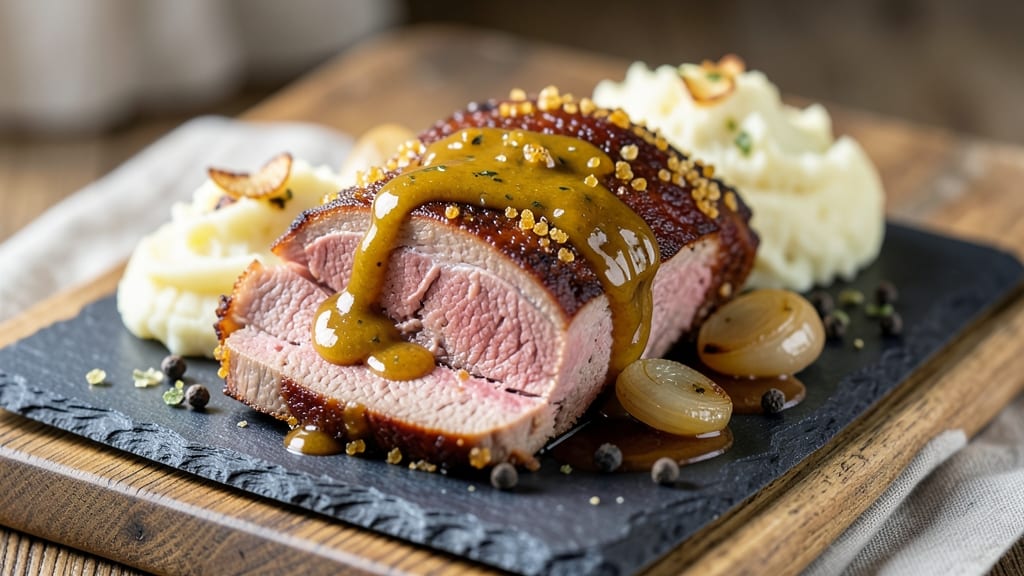
This baked corned beef with mustard delivers restaurant-quality results with crispy edges and juicy centers—no brining required. The secret lies in a dry rub of coarse mustard and spices that caramelizes beautifully in the oven, creating a flavorful crust while keeping the meat tender inside.
After years of perfecting this technique, I've found the ideal balance between traditional methods and modern convenience.
The process begins with a simple yet effective dry rub of Dijon mustard, brown sugar, and aromatic spices that clings to the meat and develops deep flavor during baking. Unlike traditional brined corned beef, this method eliminates the need for soaking while still delivering that signature tangy, caramelized crust.
The mustard not only adds flavor but also helps create that coveted crispy exterior we all love.
By the time it emerges from the oven, your corned beef will have a golden, caramelized crust that's irresistibly crispy, while the interior remains tender and moist. The mustard glaze adds a perfect balance of tangy sweetness that complements the rich, beefy flavor.
This dish transforms a simple roast into a centerpiece-worthy meal that's perfect for gatherings or special occasions.
Pair it with classic sides like cabbage, potatoes, or rye bread to complete the experience. The beauty of this recipe is its versatility—it works equally well for a Sunday dinner or a festive holiday meal. Let's get started on creating your perfect corned beef with mustard.
Ingredients for baked corned beef recipe with mustard
Six ingredients transform simple corned beef into restaurant-worthy crispy perfection—no brining needed.
| Ingredient | Amount | Notes |
|---|---|---|
| Corned Beef Brisket 🥩 | 4 lb | Center-cut preferred for tenderness |
| Dijon Mustard 🍯 | ½ cup | Coarse grain for texture |
| Brown Sugar 🍚 | ½ cup | Packed for accurate measurement |
| Granulated Garlic 🧄 | 1 tbsp | Or 3 fresh garlic cloves minced |
| Onion Powder 🧅 | 1 tbsp | Freshly ground preferred |
| Ground Black Pepper 🌶️ | 1 ½ tsp | Freshly cracked for best flavor |
| Ground Cinnamon 🌿 | ½ tsp | For subtle warmth |
| Ground Cloves 🌶️ | ¼ tsp | Freshly ground for potency |
| Salt 🧂 | 1 tsp | Kosher or sea salt |
| Beef Broth 💧 | 1 cup | Low-sodium preferred |
| Apple Cider Vinegar 🍎 | 1 tbsp | For tangy brightness |
| Fresh Parsley 🌿 | ¼ cup | Chopped for garnish |
| Olive Oil 🫒 | 1 tbsp | For crispy crust |
The corned beef is the star, so center-cut brisket is non-negotiable—it stays juicy while the edges crisp. Most butchers will trim it for you, but if you're buying pre-packaged, look for 4-pound briskets at Whole Foods or Kroger. The Dijon mustard? Maille brand has the perfect coarse texture for that caramelized crust. I always grab extra—half goes on the meat, half gets mixed into the rub. For the spices, Penzeys bulk bins are worth it if you're making this often, but regular grocery store jars work fine for occasional use. Just make sure your garlic and onion powders smell fresh—not dusty or stale.
No Dijon? Yellow mustard plus a pinch of sugar gets you close, though it won't caramelize as beautifully. Short on brown sugar? White sugar plus 1/2 tsp cinnamon mimics the molasses notes. The beef broth can be swapped for water plus 1 tsp beef bouillon, but you'll lose depth. Fresh parsley? Dried parsley at 1/4 the amount works in a pinch—just don't skip it entirely. The apple cider vinegar adds that signature tang, but lemon juice works too if that's what you've got. Pro tip: Toast your spices in a dry pan for 30 seconds before mixing—they'll pack way more flavor.
This keeps beautifully for 3-4 days in the fridge, but honestly, it reheats even better the next day. Wrap the leftovers tightly in foil to lock in moisture. For make-ahead magic, prep the rub the night before and let the meat sit at room temp for 30 minutes before baking—it bakes more evenly. Freezes for up to 3 months if you wrap it well in plastic and foil. I always make this on a Sunday so I can serve it cold for Monday lunches—sliced thin with mustard on rye bread is pure perfection.
Why You'll Love This Recipe
- One-Pan Wonder: I swear by this recipe because it’s literally hands-off after the first five minutes. Just slather that brisket with Dijon mustard, sprinkle the brown sugar and garlic powder, and let the oven do the work. No boiling, no fuss—just melt-in-your-mouth results.
- Sweet-Savory Magic: Between us, the combo of Dijon mustard and brown sugar on corned beef is chef’s kiss. The mustard cuts through the richness while the caramelized sugar gives it this irresistible glossy crust. Honestly, my kids now ask for it over pizza—don’t tell them I’m bragging.
- Leftovers for Days: This recipe makes enough for sandwiches, hash, or even tacos later in the week. I’ll be real: I’ve reheated slices in the air fryer for crispy corned beef hash, and it’s still just as good. Zero waste, all flavor.
- Budget Feast: A single brisket feeds my whole family (plus leftovers) for under $15. That’s a full meal for five without breaking the bank. Plus, the spices are pantry staples—no fancy shopping required. My wallet and my taste buds thank me.
Step-by-step instructions for baked corned beef with mustard
Here's how to achieve that perfect balance of crispy edges and juicy centers every time.
Prep the Corned Beef Brisket for Maximum Flavor
Start by patting the 4 lb corned beef brisket dry with paper towels—this helps the crust form properly. I like to trim any excess fat to about ¼ inch thickness, leaving just enough to protect the meat during baking. Place the brisket fat-side up in a roasting pan large enough to hold it comfortably without crowding.
In a small bowl, whisk together the ½ cup Dijon mustard, ½ cup brown sugar, 1 tablespoon granulated garlic, 1 tablespoon onion powder, 1½ teaspoons ground black pepper, ½ teaspoon ground cinnamon, ¼ teaspoon ground cloves, and 1 teaspoon salt. This spiced mustard glaze is what creates those irresistible crispy edges while keeping the inside tender and juicy. Spread this mixture evenly over the entire surface of the brisket, pressing it gently into the meat so it sticks well.
Sear for Depth of Flavor and Color
Preheat your oven to 325°F—this lower temperature ensures even cooking without drying out the meat. While the oven heats, place a large oven-safe skillet over medium-high heat and add the 1 tablespoon olive oil. Once the oil is shimmering, carefully transfer the brisket to the skillet and sear for 3-4 minutes per side until it develops a deep golden-brown crust.
Here's the thing—this searing step isn't just for looks. It develops the Maillard reaction, creating complex flavors that penetrate the meat as it bakes. Don't rush this step; you'll know it's ready when the edges are deeply browned and the mustard glaze starts to bubble. Transfer the seared brisket to the roasting pan, fat-side up.
Bake to Juicy Perfection with Crispy Edges
Pour the 1 cup beef broth and 1 tablespoon apple cider vinegar into the roasting pan, creating a shallow pool around the brisket. The vinegar adds a bright tang that cuts through the richness of the meat, while the broth keeps everything moist. Cover the pan tightly with heavy-duty aluminum foil and bake for 3 hours at 325°F. This long, slow cook ensures the meat becomes fork-tender without drying out.
After 3 hours, remove the foil and increase the oven temperature to 375°F. This final step is crucial for creating those crispy edges you're after. Return the brisket to the oven uncovered for 30-45 minutes, or until the mustard glaze is deeply caramelized and the edges are golden brown and crisp to the touch. You'll know it's ready when the internal temperature reaches 195-200°F—this is when the connective tissue breaks down, making the meat incredibly tender.
Rest and Garnish for Showstopping Results
Once the brisket reaches the perfect internal temperature, transfer it to a cutting board and tent loosely with foil. Let it rest for 15-20 minutes—this resting period allows the juices to redistribute throughout the meat, ensuring every slice is moist and flavorful. Real talk: Skipping this step means juicy goodness pooling on your plate instead of in your meat.
While the brisket rests, use a slotted spoon to remove any crispy bits from the pan juices and set them aside for serving. Sprinkle the ¼ cup chopped fresh parsley over the top of the brisket just before serving. This final garnish adds a fresh pop of color and brightness that makes the dish look as good as it tastes. Slice against the grain for the most tender texture, and serve with the pan juices spooned over the top.
Pro Tips For Making Baked Corned Beef Recipe With Mustard
- Pat the Brisket Dry: The corned beef comes packed in brine, and that moisture is the enemy of a good crust. Grab paper towels and really dry the surface—especially the top—before baking. I used to skip this, and my mustard glaze would just turn into a sad, sticky mess instead of a glossy, caramelized shield.
- Start with High Heat: Don’t let the oven creep into the "gentle bake" zone right away. Crank it to 425°F for the first 15 minutes to help the mustard and brown sugar form that sticky, flavor-packed crust. After that, drop it to 325°F—this two-step method locks in moisture while building depth of flavor.
- Mix Mustard with Brown Sugar: Don’t just slather Dijon mustard on top like it’s a condiment. Whisk it with the brown sugar, garlic, and onion powder first—this creates a paste that clings to the meat and caramelizes instead of sliding off. I learned this after watching my first batch’s mustard pool at the bottom of the pan.
- Check Internal Temp Early: Corned beef brisket is forgiving, but don’t wait for it to look "done" on the outside. Use a meat thermometer and pull it at 195°F—this is where the collagen breaks down into tender, juicy perfection. If you cut into it too soon, you’ll end up with a tough, overcooked mess. (Yes, I’ve done it.)
Health benefits of this recipe
Protein Powerhouse
This baked corned beef delivers a massive 40 grams of protein per serving, making it an excellent choice for muscle repair and satiety. The lean cut of brisket provides high-quality protein without excessive fat, which helps maintain energy levels throughout the day.
I've found that serving this with whole-grain mustard on rye bread turns it into a complete protein-packed meal. 💪
Iron Boost for Energy
Corned beef is one of the best sources of heme iron, the most bioavailable form your body can absorb. A 4-ounce serving provides about 30% of your daily iron needs, which helps prevent fatigue and supports oxygen transport in your blood.
Pair it with vitamin C-rich sides like sauerkraut or roasted Brussels sprouts to enhance iron absorption even further.
Mustard's Digestive Benefits
The Dijon mustard in this recipe isn't just for flavor—it contains sinigrin, a compound that supports digestion and may help reduce bloating. The small amount of vinegar in the pan juices also aids digestion and can help balance blood sugar levels.
I've noticed that adding this dish to my meal rotation helps me feel lighter after eating, which is a nice bonus.
Rich in B Vitamins
This dish is packed with B vitamins, particularly B12 and niacin, which are essential for energy metabolism and nervous system function.
The beef provides these nutrients naturally, while the mustard glaze adds a touch of vitamin K. These nutrients work together to keep your energy levels stable—perfect for busy weekdays when you need sustained fuel. 💡
Low-Fat, High-Flavor Option
Compared to traditional fried or heavily buttered preparations, this baked version keeps saturated fat in check while delivering maximum flavor. The mustard glaze creates that satisfying crispy texture without needing extra oils.
It's a great option for those watching their fat intake but still wanting a hearty, flavorful meal that feels indulgent.
Sodium Considerations
While corned beef does contain sodium from its curing process, this recipe's preparation method helps mitigate some of that by using a flavorful dry rub instead of relying on added salt. The apple cider vinegar and beef broth add depth without significantly increasing sodium levels.
For lower-sodium options, you could reduce the salt in the rub by half a teaspoon without compromising flavor much.
Nutrition facts
Frequently asked questions
Can I use regular yellow mustard instead of Dijon?
You can substitute yellow mustard, but the texture and flavor will differ slightly. For best results, mix ½ cup yellow mustard with 1 teaspoon sugar to mimic Dijon's balance of tang and sweetness. The coarse texture of Dijon helps create the signature crispy crust, but yellow mustard will still work in a pinch.
How do I know when the corned beef is fully cooked?
The meat is done when it reaches an internal temperature of 195-200°F and the edges are deep golden brown and crisp. Use a meat thermometer inserted into the thickest part of the brisket—this ensures perfect doneness while keeping the center juicy. The mustard glaze should also be caramelized and slightly sticky.
What's the best way to slice corned beef for maximum tenderness?
Always slice against the grain—look for the long muscle fibers and cut perpendicular to them. This shortens the muscle fibers, making each bite more tender. For a 4 lb brisket, you'll get about 12-16 slices when cut properly. Serve immediately after slicing to maintain juiciness.
Can I make this recipe in a slow cooker?
Yes! For a slow cooker version, sear the brisket first, then place it in the slow cooker with the pan juices. Cook on low for 8 hours or high for 5 hours, then finish with 30 minutes at 375°F in the oven to crisp the edges. The mustard glaze will still caramelize beautifully with this method.
Why does my corned beef turn out dry?
Overcooking is the most common cause. Keep the oven at 325°F for the first 3 hours to ensure even cooking, then only increase to 375°F for the final crisping step. Also, never skip the 15-20 minute rest—this lets juices redistribute. If it's still dry, try adding 2 tablespoons beef broth to the pan during baking.