
Main Courses
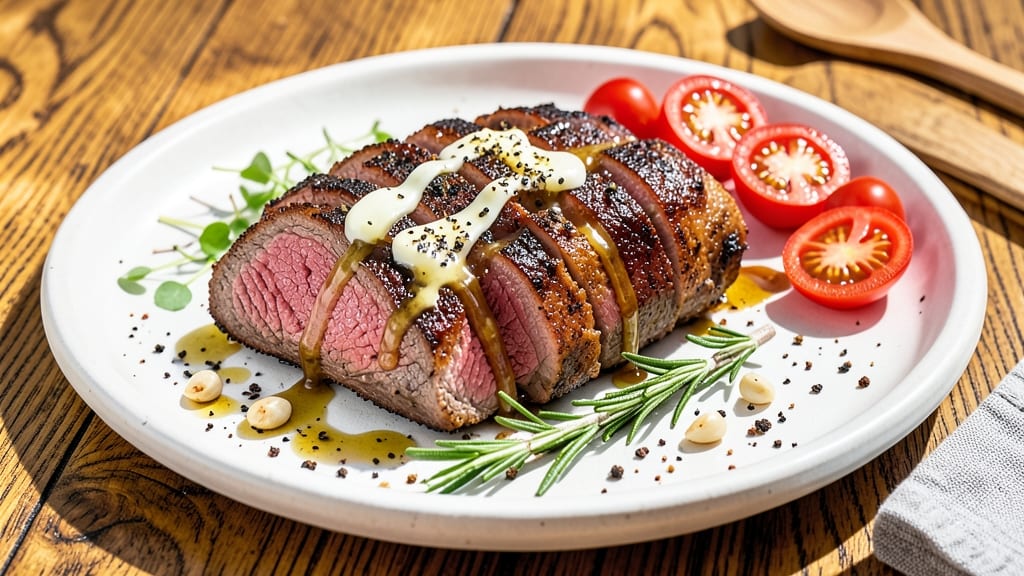
Baked beef tenderloin steak delivers the perfect balance of a juicy center and caramelized crust that will impress even the most discerning guests. After years of perfecting this technique, I've cracked the code for achieving restaurant-quality results at home with just a few key steps and precise temperature control. The secret lies in proper seasoning, gradual baking, and understanding when to pull it from the oven—without overcooking.
This recipe transforms a simple cut of beef into a showstopper main course that's surprisingly approachable. We'll start with a dry brine to enhance flavor penetration, then sear the steak to lock in juices before baking it to your desired doneness.
The internal temperature method ensures perfect results every time, while resting the steak properly guarantees that first cut delivers maximum juiciness.
What you'll achieve is a steak with a beautiful caramelized crust on the outside and a tender, pink center that melts in your mouth. The crust develops rich, deep flavors from the searing process, while the interior remains perfectly cooked throughout.
This technique works equally well for special occasions or casual weeknight dinners when you want to elevate your meal.
The beauty of this method is its flexibility—whether you're serving it sliced for a family dinner or presented whole as a centerpiece, the results are consistently impressive.
Pair it with classic sides like roasted potatoes or a fresh salad to complete the meal. Let's get started on creating your perfect baked beef tenderloin steak.
Ingredients for baked beef tenderloin steak
Twelve ingredients transform a simple beef tenderloin into a restaurant-quality centerpiece.
| Ingredient | Amount | Notes |
|---|---|---|
| Beef Tenderloin 🥩 | 2 lb | Center-cut, trimmed of fat |
| Kosher Salt 🧂 | 2 tbsp | Diamond Crystal preferred |
| Freshly Ground Black Pepper 🌶️ | 1 tbsp | Coarsely cracked |
| Unsalted Butter 🧈 | ½ cup | Cold, cut into 1-inch cubes |
| Extra-Virgin Olive Oil 🫒 | 2 tbsp | High smoke point preferred |
| Garlic Cloves 🧄 | 4 cloves | Smashed, skin-on |
| Fresh Rosemary 🌿 | ¼ cup | Chopped, woody stems removed |
| Fresh Thyme Leaves 🌿 | ¼ cup | Stems removed, finely chopped |
| Dried Mustard Powder 🌶️ | 1 tsp | For depth of flavor |
| Worcestershire Sauce 🍶 | 1 tbsp | High-quality, anchovy-free |
| Vegetable Oil 🫒 | ¼ cup | For searing |
| Fresh Parsley Leaves 🌿 | ⅛ cup | Chopped, for garnish |
The beef tenderloin is your star—look for a center-cut roast with even grain and minimal silver skin. Whole Foods or local butchers often carry the best quality, but the standard supermarket roast works perfectly. Trim any visible fat before seasoning—it can interfere with crust formation. For a 2-pound roast, you'll get about 4 generous servings, making this ideal for dinner parties or family gatherings. The key is room-temperature meat before cooking, so take it out of the fridge 30 minutes before starting.
No fresh rosemary? Dried works at half the amount, but fresh gives that piney aroma that's essential. The Worcestershire sauce adds depth—if you can't find anchovy-free, skip it entirely. For the butter, don't melt it ahead of time; cold cubes create the best crust. The garlic should be smashed (not minced) to release more flavor. Want extra richness? Add 1 tbsp of Dijon mustard to the butter mixture. The olive oil is for searing—use a high smoke point like avocado or grapeseed if you're worried about burning.
This steak tastes even better the next day—reheats beautifully in a 350°F oven for 15 minutes wrapped in foil. For long-term storage, vacuum-seal portions and freeze for up to 3 months. The herbs stay fresh longest if wrapped in damp paper towels and stored in a sealed container in the fridge. Garnish with parsley right before serving—it adds a pop of color and freshness that makes the dish look restaurant-worthy. Leftovers? Slice thinly for sandwiches or tacos—game-changer for lunch the next day.
Why You'll Love This Recipe
- No-Fuss Prep: I swear by this—just a quick sear in the oven, a sprinkle of salt and pepper, and a pat of butter. No marinating, no basting, no stress. The tenderloin does all the work.
- Butter-Basted Magic: That crispy, golden crust? Pure satisfaction. The butter bastes itself as it bakes, turning the outside into something so rich and caramelized, you’ll want to eat it with a knife.
- Weeknight or Dinner Party: Same recipe, two vibes. Serve it sliced thin for a casual family meal or as a showstopper centerpiece with roasted veggies. Honestly, it’s my go-to for both.
- Leftovers That Don’t Suck: Cold slices the next day? Still melt-in-your-mouth tender. Slice it thin, toss with olive oil, and it’s a wrap filling or salad topper that actually tastes like a meal. No sad, dry steak here.
Step-by-step instructions for baked beef tenderloin steak
This method transforms a simple cut of beef into a showstopping centerpiece with a perfect balance of tenderness and flavor.
Prepare the Beef Tenderloin for Maximum Flavor
Begin by removing the beef tenderloin from the refrigerator and patting it completely dry with paper towels. This step is absolutely critical—any moisture left on the surface will prevent that coveted caramelized crust from forming. I like to use two layers of paper towels and really press down firmly to ensure every inch is bone dry.
Next, create a dry rub by combining the 2 tbsp kosher salt, 1 tbsp freshly ground black pepper, 1 tsp dried mustard powder, and 1 tbsp Worcestershire sauce in a small bowl. The mustard powder adds subtle depth while the Worcestershire brings umami complexity. Rub this mixture all over the beef tenderloin, pressing it into the surface so it adheres evenly. Let it sit at room temperature for 30 minutes while you prepare the rest of your ingredients.
Sear the Tenderloin for Deep Flavor
Heat 0.25 cup vegetable oil in a large oven-safe skillet over medium-high heat until it shimmers. The oil should be hot enough that when you drop a small piece of the beef tenderloin into it, it sizzles immediately. This searing step creates the Maillard reaction that gives your steak its rich, complex flavors.
Sear the beef tenderloin on all sides for 2-3 minutes per side until it develops a deep golden-brown crust. Don't rush this step—you're building flavor foundation here. Once seared, remove the skillet from the heat and set it aside for now. The residual heat will help maintain temperature while you prepare the herb butter.
Create the Herb Butter and Prepare the Oven
In a small bowl, combine the 0.5 cup cold unsalted butter, 2 tbsp extra-virgin olive oil, 4 smashed garlic cloves, 0.25 cup chopped fresh rosemary, and 0.25 cup chopped fresh thyme leaves. The cold butter should still hold its shape when mixed. Spread this herb butter mixture evenly over the seared beef tenderloin, pressing it gently into the surface so it adheres.
Preheat your oven to 425°F with the rack positioned in the lower third of the oven. This high initial temperature helps create that beautiful caramelized crust. Place the skillet with the beef tenderloin in the preheated oven and bake for 10 minutes. This initial high-heat phase is crucial for developing that perfect crust before we finish at a lower temperature.
Finish Baking to Perfect Doneness
After the initial 10 minutes, reduce the oven temperature to 325°F. This lower temperature allows the center of the beef tenderloin to cook through gently while maintaining that beautiful crust. Continue baking for 20-25 minutes for medium-rare doneness, or until the internal temperature reaches 130°F when measured with a meat thermometer.
The reason we reduce the temperature is to prevent overcooking the exterior while the center catches up. The beef tenderloin is a relatively lean cut, so we want to be precise with our timing. You'll know it's done when the crust is deep mahogany brown and the internal temperature hits your target. For medium doneness, aim for 140°F internal temperature.
Rest and Serve for Maximum Juiciness
Remove the beef tenderloin from the oven and transfer it to a cutting board. Let it rest for 10-15 minutes before slicing. This resting period is absolutely essential—it allows the juices to redistribute throughout the meat, ensuring each slice is moist and flavorful. I know it's tempting to cut into it immediately, but patience here makes all the difference.
After resting, slice the beef tenderloin into 1-inch thick medallions against the grain. Garnish each slice with a sprinkle of 0.125 cup chopped fresh parsley leaves for a pop of color and freshness. Serve immediately with your choice of sides—roasted vegetables, mashed potatoes, or a simple green salad all pair beautifully with this elegant centerpiece.
Pro Tips For Making Baked Beef Tenderloin Steak
- USE A THERMOMETER: I learned this the hard way—baking tenderloin by eye leads to overcooking. Aim for 125°F (52°C) for medium-rare and pull it out immediately when it hits that temp; it’ll rise another 5°F (3°C) while resting.
- SALT THE MEAT FIRST: Season the tenderloin at least 40 minutes before baking—this lets the salt penetrate deeply instead of just coating the surface. Skip this, and you’ll end up with a dry crust and bland middle.
- DON’T SKIP THE OIL: Coat the pan with 2 tablespoons of olive oil before adding butter—this prevents the butter from burning and creates a better sear. I used to skip it, and the crust always came out uneven.
- REST IT UNDER FOIL: Give it a solid 10-15 minutes under foil after baking to redistribute juices. Cutting into it too soon means dry, stringy meat—no one wants that, even if you’re starving.
Flavor customization for these flavors
Herb Variations
Swap the rosemary and thyme for fresh sage and tarragon—this combo adds an earthy, slightly sweet depth perfect for spring meals. Or try fresh oregano and basil for a Mediterranean twist that pairs beautifully with lemon zest.
I love using fresh thyme and bay leaves for a classic French bistro vibe, especially when serving with a red wine reduction. 🌿
Spicy Heat Options
For a kick, add 1 tsp smoked paprika and ½ tsp cayenne pepper to the dry rub—this creates a beautiful crust with subtle heat. Or mix 1 tbsp gochujang into the herb butter for an umami-spicy fusion.
If you prefer fresh heat, stuff the tenderloin with 3-4 thin slices of chipotle pepper before searing. Trust me, the smoky depth elevates everything. 🌶️
Sweet Glaze Additions
Brush the steak with 2 tbsp honey or maple syrup during the last 5 minutes of baking for a caramelized glaze. For depth, combine 1 tbsp balsamic vinegar with the honey before applying.
I also love using 1 tbsp soy sauce in the glaze for a sweet-savory balance that works wonders with Asian-inspired sides. 🍯
Umami Boosters
Add 1 tbsp fish sauce or 1 tsp miso paste to the herb butter for an extra umami punch. Or mix 1 tbsp Dijon mustard with the Worcestershire sauce in the dry rub—this combo adds tangy complexity.
For a richer flavor, sear the steak in 1 tbsp sesame oil instead of vegetable oil before baking. 🍶
Citrus Zest Finish
Finish with a sprinkle of lemon or orange zest right before serving—this brightens the rich beef flavors beautifully. I also love adding 2 tbsp fresh orange juice to the herb butter for a citrusy twist. The acidity cuts through the richness and makes every bite feel fresh. 🍊
Nutrition facts
Frequently asked questions
How do I know when my beef tenderloin is done?
Use a meat thermometer to check the internal temperature: 130°F for medium-rare (recommended), 140°F for medium, or 145°F for medium-well. The crust should be deep mahogany brown, and the steak should feel firm but still slightly springy to the touch. Never rely on time alone—every oven varies!
Can I cook this recipe without searing first?
Technically yes, but you'll miss out on the rich, caramelized crust that creates the Maillard reaction for deep flavor. If you must skip searing, coat the tenderloin with the herb butter and bake at 425°F for 20-25 minutes (medium-rare), then reduce to 325°F until the internal temperature reaches 130°F. The texture will be more uniform but less flavorful.
What's the best way to reheat leftover beef tenderloin?
Slice the steak into medallions and reheat in a 350°F oven for 10-15 minutes wrapped in foil with a splash of beef broth. For quick reheating, use a skillet over medium-low heat for 2-3 minutes per side—never microwave, as it makes the meat tough. Leftover slices work great for sandwiches or tacos!
How much beef tenderloin should I buy for 6 people?
Plan for 1.5 pounds of beef tenderloin per person when serving as the main course. For 6 people, buy a 3-pound roast—this accounts for bone weight and allows for generous slices. If serving with multiple sides, you can reduce to 1.25 pounds per person. Always ask your butcher to trim excess fat before purchase.
Why did my steak turn out dry?
Overcooking is the most common cause—beef tenderloin is lean and dries out quickly. Always use a meat thermometer and pull it out at 130°F for medium-rare. Skipping the rest time (must be 10-15 minutes) also causes juices to escape. For extra moisture, baste with pan juices during the last 10 minutes of baking.