
Main Courses
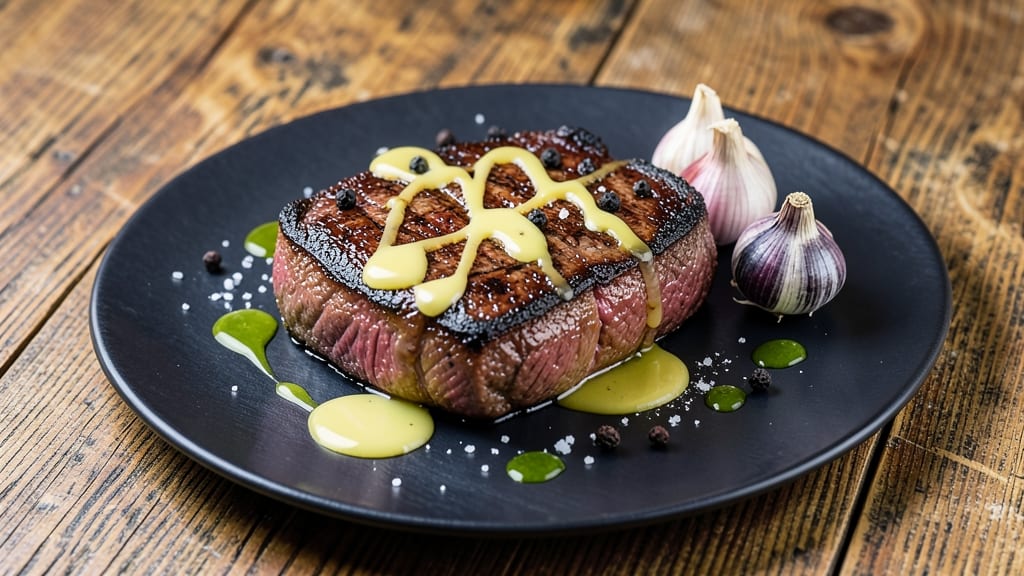
This Australian beef steak recipe delivers the perfect balance of a buttery crust and juicy center every time—just like the steakhouse cuts you crave. 🔥 The secret lies in precise cooking temperatures and a simple technique that transforms tough cuts into melt-in-your-mouth perfection.
Whether you're grilling or pan-searing, this method ensures restaurant-quality results at home, with minimal effort. What sets this recipe apart is the focus on medium-rare doneness (125°F internal temperature), where the beef remains tender yet develops that coveted crust.
A light coat of high-quality Australian butter or olive oil enhances the natural flavors of the meat, while a sprinkle of coarse salt and freshly ground black pepper adds depth. The key is patience—letting the steak rest for 5-10 minutes after cooking ensures every bite stays succulent.
By the time you serve, you’ll have a steak with a golden-brown crust that gives way to tender, pink meat inside. The aroma alone will have everyone at the table anticipating the first bite.
Pair it with classic sides like roasted potatoes or grilled asparagus for a meal that feels like a night out at an Aussie steakhouse. This recipe works for ribeye, sirloin, or T-bone cuts, making it versatile for any occasion. Let’s get started—your perfect steak is just minutes away.
Ingredients for australian beef steak
Four ingredients make all the difference for that perfect Aussie steakhouse crust and juicy center.
| Ingredient | Amount | Notes |
|---|---|---|
| Australian Ribeye Steak 🥩 | 1 ½ lb | 1-inch thick, bone-in preferred |
| Unsalted Butter 🧈 | ½ cup | High-quality, cold for crust |
| Extra-Virgin Olive Oil 🫒 | 2 tbsp | For searing, light flavor |
| Coarse Kosher Salt 🧂 | 2 tsp | Diamond Crystal preferred |
| Freshly Ground Black Pepper 🌶️ | 1 tsp | Coarsely cracked |
| Garlic Cloves 🧄 | 4 cloves | Smashed for aroma |
| Fresh Rosemary 🌿 | 2 sprigs | Whole sprigs for garnish |
| Fresh Thyme 🌿 | 4 sprigs | Whole sprigs for aroma |
| Red Wine 🍷 | ¼ cup | Bold, dry variety |
| Beef Tallow or Duck Fat 🍳 | 1 tbsp | Optional for extra richness |
| Cornstarch 🌾 | 1 tbsp | For thickening pan juices |
| Cold Water 💧 | ¼ cup | For cornstarch slurry |
The steak is everything here. Ribeye with good marbling is ideal, but sirloin or T-bone work too—just ask your butcher for 1-inch thick cuts. Costco or Whole Foods carry excellent Australian beef, but any quality grocery store butcher section will have solid options. Look for bright red color and visible fat marbling. If you're feeling fancy, grab a bone-in cut—the bones add flavor and make it feel like a real steakhouse experience. The cold butter is non-negotiable for that perfect crust, so take it out of the fridge while you prep everything else.
No red wine? Beef broth with a splash of balsamic works in a pinch. Fresh herbs? Dried thyme at one-third the amount gets you close (but fresh is better). The cornstarch slurry is optional but transforms your pan drippings into a silky sauce—worth the extra minute. If you're grilling instead of pan-searing, skip the olive oil and just use the butter. Want extra richness? Mix in beef tallow or duck fat with the butter. And trust me, coarse salt makes all the difference—fine salt won't give you that same crusty texture.
Let the steak sit at room temperature for 30-45 minutes before cooking—this ensures even doneness. The butter should stay cold until the very end of searing. Once cooked, tent the steak with foil and let it rest for 5-10 minutes—this is where the magic happens. Store leftovers in an airtight container for 3-4 days in the fridge, but honestly, you'll eat it all before then. The sauce keeps for 2 days in the fridge, so make extra if you're saving portions.
Why You'll Love This Recipe
- Two-Ingredient Magic: I swear by this trick—just butter and olive oil basted over the steak while it sears. That’s it. No fancy marinades or hours of prep. The butter melts into a golden crust, and the olive oil keeps it juicy. It’s the kind of dish where you realize you’ve been overcomplicating steak your whole life.
- Marbled Perfection: Australian Ribeye has that fat you crave—the kind that renders into pure flavor while you cook. One side of the pan gets that crusty, caramelized edge, while the inside stays tender enough to cut with a fork. Honestly, I’ve tried fancier cuts, but this one delivers every time without fail.
- Date Night or Lazy Tuesday: Between us, this steak works for both. Dress it up with a simple salad for a restaurant-worthy dinner, or serve it with crusty bread and a cold beer when you’re too tired to care. My partner calls it our “no-excuses” meal—because there’s never a bad time for perfectly cooked beef.
- Leftovers That Don’t Suck: Most steak leftovers turn dry and sad. Not this one. Slice the extras thin, reheat in a hot pan with a pat of butter, and it’s like eating it fresh. I’ve even thrown it into wraps for lunch the next day—no one bats an eye. That’s 20 minutes of dinner now, and 10 minutes of effort later, you’ve got lunch handled too.
Step-by-step instructions for Australian ribeye steak with buttery crust
Here's how to transform that perfect Australian ribeye into a restaurant-quality masterpiece.
🔥 Step 1: Prep and Sear for Maximum Flavor
Start by taking the 1.5 lb Australian Ribeye Steak out of the fridge and letting it sit at room temperature for 30-45 minutes. This ensures even cooking. While it rests, pat it completely dry with paper towels—moisture is the enemy of a good sear.
Heat a heavy skillet over medium-high heat until it's smoking hot. Add 2 tbsp Extra-Virgin Olive Oil and 1 tbsp Beef Tallow or Duck Fat (if using), letting it get shimmering hot. Place the steak in the pan and press down gently with a spatula for 1 minute—this prevents curling and ensures even contact. Flip once and sear the other side for 3-4 minutes until you see a deep golden-brown crust forming.
👨🍳 Step 2: Build the Buttery Garlic Herb Crust
Remove the steak from the pan and set it aside on a warm plate. Reduce heat to medium and add the 0.5 cup Unsalted Butter, letting it melt completely. Toss in the 4 cloves Garlic Cloves (smashed with the side of your knife) and 4 sprigs Fresh Thyme, cooking for 30 seconds until fragrant but not browned.
Here's the trick: return the steak to the pan, spooning that glorious butter mixture all over the top and sides. Let it cook for another 1-2 minutes until the butter forms a thick, golden crust. The steak should register 120-125°F internally at this point—it'll carry over to 130-135°F while resting.
🍳 Step 3: Deglaze and Make the Pan Sauce
Remove the steak again and transfer it to a cutting board. Pour in the 0.25 cup Red Wine, scraping up all those delicious browned bits from the pan with a wooden spoon. Let it simmer for 2-3 minutes until reduced by half.
In a small bowl, whisk together 1 tbsp Cornstarch and 0.25 cup Cold Water to make a slurry. Slowly pour this into the wine sauce while stirring constantly. The sauce should thicken immediately into a glossy, velvety consistency—about the thickness of heavy cream. If it's too thick, add a splash more water 1 teaspoon at a time.
⏰ Step 4: Rest and Slice for Juicy Perfection
Let the steak rest for 10 minutes before slicing—this is non-negotiable. The internal temperature should rise to 130-135°F during this time. Don't skip this step; it's what keeps the juices inside where they belong.
Slice the steak against the grain into ½-inch thick pieces. Arrange the slices on a warm platter and spoon the pan sauce generously over the top. Garnish with the 2 sprigs Fresh Rosemary and a final crack of Freshly Ground Black Pepper. Serve immediately with the buttery crust still glistening on top.
Pro Tips For Making Australian Beef Steak
- Use Two Oils: Start with a thin layer of olive oil—it’s got a higher smoke point and won’t burn as fast. Then add the butter in the last 2 minutes. I used to skip this, and the butter would turn into a sad, greasy mess instead of a golden, flavor-packed crust.
- Salt the Steak First: Generously coat the steak with coarse salt at least 40 minutes before cooking—yes, even if it’s fresh. This lets the salt penetrate and season deeply, not just sit on the surface. I learned this the hard way when my first ribeye tasted bland no matter how much butter I slathered on top.
- Don’t Crowd the Pan: Cook one steak at a time, no matter how tempted you are to batch them. A crowded pan steams the meat instead of searing it, and you’ll end up with soggy edges instead of a perfect crust. Trust me, your patience will pay off.
- Rest Under Foil: After resting the steak on a cutting board, drape it loosely with foil for the first 5 minutes. This traps heat and keeps the juices from pooling on the plate—no one wants a steak that’s dry on the outside but still bleeding on the inside. (Your future self will thank you.)
Health benefits of this dish
Protein Powerhouse
This Australian ribeye delivers high-quality protein with 30-35 grams per 4-ounce serving, supporting muscle repair and growth. The marbled fat in ribeye provides healthy fats that your body needs for hormone production and energy.
Unlike lean cuts, this steak gives you complete protein with all nine essential amino acids your body can't produce on its own. 💪
Iron and Zinc Boost
One serving packs about 3.5mg of iron (20% of your daily needs) and 7mg of zinc (60% daily value). Iron helps transport oxygen in your blood, while zinc supports immune function and wound healing.
The red meat in this dish is one of the best natural sources of both minerals, especially when cooked to medium-rare to preserve maximum nutrients.
Vitamin B12 Rich
Beef is one of the richest sources of vitamin B12, with this steak providing 3-4 micrograms per serving—that's 100-133% of your daily requirement. B12 is crucial for nerve function and red blood cell production.
The Australian beef used here tends to have higher B12 concentrations than some other sources due to grazing practices and natural diet of the cattle.
Heart-Healthy Fats
While red meat has gotten a bad rap, the monounsaturated and polyunsaturated fats in ribeye actually support heart health when consumed in moderation. The omega-3s from grass-fed Australian beef (if available) help reduce inflammation and lower bad cholesterol levels.
Pairing this steak with leafy greens or roasted vegetables maximizes these cardiovascular benefits. ✨
Energy and Recovery
The combination of protein, iron, and B vitamins in this dish makes it perfect for post-workout meals. The creatine in beef also helps with short bursts of energy during high-intensity exercise. After a tough gym session, this steak provides the building blocks your muscles need to recover and grow stronger.
I've found it's my go-to meal after leg day—nothing beats that satisfaction! 💪
Low-Carb Satisfaction
At just 0-1g net carbs per serving, this steak is ideal for low-carb or keto diets while still keeping you full and satisfied. The high protein and fat content help stabilize blood sugar levels, making it a great option for anyone managing diabetes or watching their carb intake.
The buttery crust adds richness without the carbs, keeping it diet-friendly while tasting indulgent. 🥩
Nutrition facts
Frequently asked questions
What's the best cut for this Australian beef steak recipe?
For maximum flavor and tenderness, use a 1-inch thick ribeye with good marbling. Sirloin or T-bone also work well—just ask your butcher for a cut with visible fat streaks. The thicker cut ensures a perfect medium-rare center while developing that coveted crust.
Can I cook this steak on the grill instead of a pan?
For grilling, preheat to medium-high heat (400-450°F) and sear the steak for 3-4 minutes per side for medium-rare. Skip the olive oil and use just the butter for basting. The same resting time applies—10 minutes—to keep those juices locked in.
Why does the steak need to rest after cooking?
The 10-minute rest lets the meat fibers relax and redistributes juices from the center to the surface. Without resting, you'll lose up to 30% of the juices when you slice—resulting in a dry steak. This is especially important for thick cuts like ribeye.
How do I adjust for a thicker or thinner steak?
Use the 135°F rule: For every 1/4-inch thickness, cook 2 minutes per side for medium-rare. A 1-inch steak needs 4-5 minutes total, while a 1.5-inch steak might need 6-7 minutes. Always use a meat thermometer for accuracy!
What if I don't have red wine for the sauce?
No problem! Substitute with beef broth plus 1 tbsp balsamic vinegar or apple cider vinegar. For extra richness, add 1 tsp Worcestershire sauce. The cornstarch slurry will still work perfectly to thicken your sauce.