
Main Courses
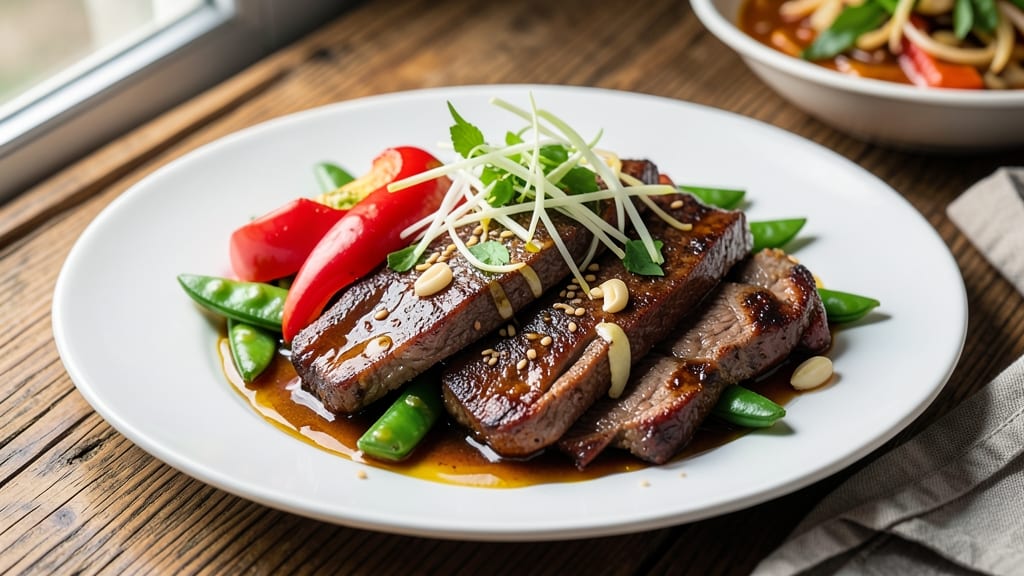
This awesome beef stir fry recipe delivers restaurant-quality flavor in just 20 minutes, proving you don’t need a wok to create a sizzling masterpiece. The secret lies in high-heat searing and a quick sauce that transforms simple ingredients into something extraordinary.
I've perfected this technique through countless weeknight dinners, and it never fails to impress—even skeptical family members.
What sets this stir fry apart is the balance of textures: tender beef strips with crisp-tender vegetables, all coated in a glossy sauce that's both sweet and savory.
We'll start by marinating the beef in a simple soy-ginger mixture, then sear it until caramelized before tossing everything together in the pan. The sauce comes together in minutes with pantry staples, ensuring maximum flavor with minimal effort.
By the time you're done, you'll have a foolproof dish that's packed with umami depth and vibrant colors—golden beef, bright vegetables, and a sauce that clings perfectly to every bite. Serve it over steamed rice or noodles for a complete meal that's ready in under half an hour.
This is the kind of recipe that turns a busy weeknight into a satisfying, flavorful experience.
The best part? This stir fry scales effortlessly for leftovers or entertaining, and the technique works just as well with chicken or shrimp if you're feeling adventurous. Once you master this method, you'll never settle for takeout again. Let's get cooking!
Ingredients for awesome beef stir fry
Quick grocery run for these flavor-packed ingredients—everything you need for restaurant-style beef stir fry.
| Ingredient | Amount | Notes |
|---|---|---|
| Flank Steak 🥩 | 1 lb | Thinly sliced against grain |
| Low-Sodium Soy Sauce 🥫 | ⅓ cup | For marinade and sauce |
| Sesame Oil 🫒 | 1 tbsp | Toasted for aroma |
| Fresh Ginger 🌿 | 2 tbsp | Finely grated |
| Garlic Cloves 🧄 | 4 cloves | Minced for marinade |
| Cornstarch 🌾 | 2 tbsp | For tenderizing beef |
| Bell Peppers 🍆 | 1 ½ cups | Red/yellow, sliced |
| Broccoli Florets 🥦 | 2 cups | Fresh or frozen |
| Snap Peas 🌱 | 1 cup | Thawed if frozen |
| Green Onions 🧅 | ¼ cup | Sliced for garnish |
| Brown Sugar 🍯 | 2 tbsp | Light or dark |
| Honey 🍯 | 1 tbsp | For sauce balance |
| Red Pepper Flakes 🌶️ | ½ tsp | Adjust to taste |
| Vegetable Oil 🫒 | 2 tbsp | High smoke point |
| Steamed Jasmine Rice 🍚 | 2 cups | Cooked separately |
The beef is non-negotiable here. Flank steak delivers that perfect chew and caramelizes beautifully when sliced thin. Look for grass-fed at Whole Foods if you want extra flavor, but the regular supermarket cut works too. Slice it against the grain—thin strips cook faster and stay tender. Pro tip: Let it sit at room temp for 15 minutes before cooking. The low-sodium soy sauce is key for balancing flavors without overpowering, and toasted sesame oil adds that signature aroma (just a whiff goes a long way).
No fresh ginger? Powdered works at half the amount, but fresh is ideal. Running low on bell peppers? Substitute snap peas or zucchini—whatever's bright and crisp. The sauce is where the magic happens: brown sugar and honey create that perfect sweet-savory balance, while red pepper flakes add just enough heat. For extra umami, a splash of fish sauce (if not avoiding it) or more soy sauce works wonders. The cornstarch isn't just for thickening—it tenderizes the beef when mixed in.
This keeps for 3-4 days in the fridge, but honestly, it tastes even better the next day as flavors meld. Portion into airtight containers with a little sauce on top to prevent drying. Freezes beautifully for up to 3 months—just reheat with a splash of water to revive the sauce. The rice? Cook it fresh or use day-old rice for extra texture. Leftovers make killer lunches or a quick dinner reheated with a splash of water.
Why You'll Love This Recipe
- One-Pan Magic: I swear by this recipe when I’m too tired to scrub pots—just sear the flank steak, toss in the veggies, and let the soy and sesame oil work their magic. Cleanup? One spatula, one pan. Done.
- Umami Bomb: That low-sodium soy sauce and sesame oil combo? It’s the secret weapon. The garlic and ginger sizzle into the beef until it’s tender but still holds its shape—crispy edges, juicy center, and a flavor that lingers.
- Lunchbox Hero: Between us, this is my go-to for meal prep. Slice it cold over rice the next day, or pack it in containers for work—still tastes fresh, still packs that punch. Even my picky teenager doesn’t complain.
- Budget Powerhouse: Flank steak stretches further than you’d think, and the ingredients? Affordable without sacrificing taste. A single pound feeds four, and leftovers reheat like a dream—no dry, sad stir-fry here.
Step-by-step instructions for wok-hot beef stir fry
Here's how to transform simple ingredients into restaurant-quality stir fry with perfect tenderness and bold flavors.
🍳 Step 1: Prep the Flank Steak for Maximum Tenderness
Place the 1 lb flank steak between two sheets of plastic wrap and pound it to an even ¼-inch thickness using a meat mallet. This step is critical—thin, even slices cook faster and stay tender. Cut the steak against the grain into ½-inch wide strips, working quickly to prevent the meat from drying out.
In a small bowl, combine the 2 tbsp cornstarch with 1 tbsp of the 0.33 cup low-sodium soy sauce. Add the steak strips to this marinade and toss gently to coat evenly. Let it sit for 10 minutes while you prepare the vegetables. The cornstarch creates a delicate crust that locks in juices during cooking, while the soy sauce adds depth of flavor.
🍳 Step 2: Sear the Beef for Perfect Texture
Heat a wok or large skillet over high heat until it's smoking hot. Add the 2 tbsp vegetable oil and let it shimmer for 30 seconds. Working in batches if needed, add the marinated steak strips and sear for 1-2 minutes until they're browned on the outside but still slightly pink in the center. The high heat is key here—it creates that signature wok-hei flavor while keeping the meat tender.
Remove the beef from the wok and set it aside on a plate. Don't drain the wok yet—those flavorful browned bits are essential for building the sauce. If the beef releases easily from the pan, it's ready. If it sticks, let it cook a few seconds longer before gently lifting with a spatula.
🍳 Step 3: Stir-Fry Vegetables with Aromatics
In the same wok, add the 2 tbsp sesame oil and swirl to coat the bottom. Add the 2 tbsp finely grated fresh ginger and 4 minced garlic cloves, stirring constantly for 30 seconds until fragrant. Add the 1.5 cups sliced bell peppers, 2 cups broccoli florets, and 1 cup snap peas. Stir-fry for 3-4 minutes until the vegetables are tender-crisp but still vibrant in color.
Here's where the magic happens: the vegetables should maintain their bright colors and crisp texture. If they start to wilt too quickly, reduce the heat slightly. The bell peppers should be just tender enough to yield to gentle pressure, while the broccoli should still have a slight bite. This balance of textures is what makes a great stir fry.
🥘 Step 4: Combine and Create the Sauce
Return the seared beef to the wok along with any accumulated juices. Add the remaining 0.23 cup low-sodium soy sauce (you used 1 tbsp earlier), 2 tbsp brown sugar, 1 tbsp honey, and 0.5 tsp red pepper flakes. Stir everything together vigorously for 1-2 minutes until the sauce thickens slightly and coats the beef and vegetables evenly.
The sauce should glisten and cling to the ingredients. If it's too thick, add 1-2 tablespoons of water to loosen it. Taste and adjust seasoning—you might want to add a pinch more salt or a touch more honey for balance. The red pepper flakes should add just a hint of heat without overpowering the dish.
🍽️ Step 5: Finish and Serve Immediately
Remove the stir fry from heat and immediately garnish with the 0.25 cup sliced green onions. Serve the beef stir fry hot over the 2 cups steamed jasmine rice. The rice should be fluffy and slightly warm, providing the perfect base for the flavorful stir fry. Each bite should deliver tender beef, crisp vegetables, and a perfectly balanced sauce that's sweet, savory, and slightly spicy.
For best results, serve immediately while the vegetables are still crisp-tender. The flavors will continue to meld as it sits, but the texture will suffer if you wait too long. This dish is all about that wok-hei flavor—hot, vibrant, and full of energy. Enjoy it fresh from the wok for the ultimate experience!
Pro Tips For Making Awesome Beef Stir Fry
- Slice Against the Grain: Flank steak’s fibers run long—cutting perpendicular to them (about ¼-inch thick slices) guarantees tender bites. I learned this the hard way after serving chewy strips to guests who swore they’d never order steak again. Use a sharp knife and angle it like you’re slicing through butter.
- Salt the Steak First: Toss the raw flank steak with 1 teaspoon of salt and let it sit uncovered on a plate for 10 minutes. This seasons the surface and helps the meat hold onto moisture during the high-heat sear. Skip this, and your stir-fry will dry out faster than your patience when the wok’s too crowded.
- Prep Ginger Like a Pro: Use a microplane or the edge of a spoon to mash fresh ginger into a paste—no peeling or chopping required. This releases more flavor and blends seamlessly into the sauce. I was skeptical until I tried it; now I refuse to go back to grating.
- Start Hot, End Low: Crank your wok or skillet to max heat before adding oil, then immediately throw in the steak. Once it’s browned (about 2 minutes), push it to the side, add veggies, and drop the heat to medium-high. High heat sears; low heat finishes. Rushing this step turns a perfect stir-fry into a sad, steamed mess.
Regional styles of awesome beef stir fry
Classic Chinese Style
Inspired by Cantonese home cooking, this version focuses on wok-hei—the smoky, charred flavor that comes from high-heat stir-frying. Use a carbon steel wok for authentic results, and keep your heat at high throughout.
I like adding 1 tsp Shaoxing wine to the marinade for depth, and a splash of light soy sauce at the end to brighten flavors. Garnish with toasted sesame seeds for extra crunch—this is how my grandmother always served it. 🔥
Thai-Inspired Spicy Kick
Transform this stir fry into a Thai-inspired dish by swapping the sauce for 2 tbsp fish sauce, 1 tbsp lime juice, and 1 tsp palm sugar. Add 1 tbsp minced lemongrass and 1 tsp chili paste to the marinade for a fragrant, fiery twist.
Serve with jasmine rice and top with crushed peanuts and cilantro. The heat level is adjustable—start with ½ tsp red pepper flakes if you prefer mild spice. 🌶️
Korean Bulgogi Twist
For a Korean-inspired version, marinate the beef in 0.25 cup soy sauce, 1 tbsp brown sugar, 1 tbsp honey, 1 tbsp grated pear (or apple), and 1 tsp sesame oil for 30 minutes.
Cook with thinly sliced carrots and scallions, then finish with a drizzle of gochujang (Korean chili paste) for a sweet-spicy sauce. Serve with steamed rice and kimchi on the side. This version is sweeter and stickier than the classic. 💛
Japanese Teriyaki Fusion
Create a Japanese-inspired teriyaki stir fry by using 0.25 cup teriyaki sauce (store-bought or homemade) instead of the soy-honey mixture. Add 1 tbsp mirin and 1 tsp grated ginger to the marinade, then cook the beef until caramelized.
Toss with shredded bok choy and shiitake mushrooms for extra umami. Finish with a sprinkle of furikake (Japanese seasoning) for a salty, nutty crunch. This version is sweeter and glossier. 🍶
Vietnamese Caramelized Style
For a Vietnamese-inspired take, use fish sauce, black pepper, and garlic in the marinade, then caramelize the beef with 1 tbsp sugar before adding vegetables. Add bean sprouts and mint leaves at the end for freshness.
Serve with rice noodles or steamed rice and a side of pickled carrots. The fish sauce adds a deep, savory punch that’s signature to Vietnamese cuisine. 🌱
Nutrition facts
Frequently asked questions
Can I use a different cut of beef instead of flank steak?
Sirloin or ribeye work beautifully—just slice them thinly against the grain. For extra tenderness, try chuck roast (pounded extra thin) or tenderloin (though it's pricier). Avoid tougher cuts like round steak unless you marinate them for 1-2 hours first. The key is thin, even slices that cook quickly over high heat.
How do I prevent the beef from drying out?
Three secrets: pound the meat thin (¼-inch max), marinate with cornstarch (it creates a protective crust), and don't overcook. The beef should be slightly pink inside—it'll finish cooking from residual heat. Also, rest the meat 5 minutes after cooking before serving to redistribute juices. High heat is your friend here!
What if I don't have a wok? Can I use a regular pan?
Yes! A heavy-bottomed skillet or cast iron pan works perfectly—just make sure it's smoking hot before adding oil. For better results, use a 12-inch pan or larger to mimic wok space. The secret is high heat and constant stirring to prevent sticking. If your pan isn't hot enough, the beef will steam instead of sear.
Can I make this stir fry ahead of time?
You can prep components ahead: marinate the beef for up to 24 hours (covered in fridge), chop all veggies, and mix the sauce ingredients. However, cook it fresh for best texture—veggies lose crispness when reheated. If making ahead, cook the beef separately, refrigerate, then reheat gently in the pan with fresh veggies and sauce for 2-3 minutes.
How can I make this spicier or sweeter?
For more heat, add 1-2 tsp sriracha or extra red pepper flakes (up to 1 tsp). For sweeter flavor, increase honey to 2 tbsp or add 1 tbsp hoisin sauce to the marinade. Pro tip: Toast the sesame seeds separately and sprinkle on top for nutty depth—this adds complexity without extra heat or sweetness. Adjust to taste at the end!