
Main Courses
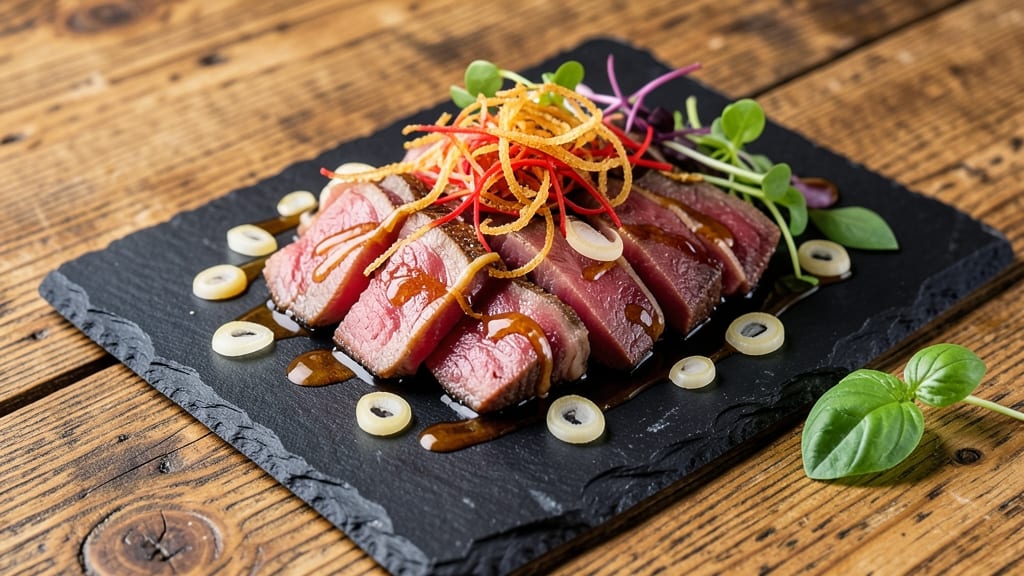
This Asian beef tartare recipe transforms raw beef into a luxurious, crispy-finished dish with bold soy-ginger flavors and golden fried shallots. The secret lies in ultra-fresh beef sliced paper-thin, marinated just long enough to develop depth without overpowering its natural richness.
Safety comes first—always source top-quality beef and handle it with care, but the reward is a dish that balances raw meat's intensity with warm, aromatic seasonings.
The foundation is a silky soy-ginger base that's both tangy and umami-packed, where toasted sesame oil and a touch of mirin add complexity. Fried shallots provide that signature crunch, while pickled ginger and scallions cut through the richness.
This isn't your average tartare—it's a fusion of Japanese precision and Korean boldness, with modern twists like chili crisp or wasabi for heat lovers.
What you'll achieve is a visually stunning dish with crispy fried shallots scattered over velvety beef, each bite delivering a perfect balance of textures and flavors. The soy-ginger marinade infuses the beef without cooking it, preserving its natural tenderness while adding layers of savory depth.
Serve immediately on a chilled plate with toasted buns or crisp lettuce cups for the full experience.
For those new to raw beef dishes, this recipe includes foolproof techniques for slicing and handling meat safely while delivering restaurant-quality results at home.
The plating is just as important as the flavors—think elegant swirls of marinade, precise placement of garnishes, and that irresistible contrast of crispy shallots against tender beef.
Ingredients for asian beef tartare
Ultra-fresh beef and aromatic seasonings create this luxurious Asian-inspired tartare with perfect texture contrast.
| Ingredient | Amount | Notes |
|---|---|---|
| Top-Quality Beef Tenderloin 🥩 | 1 lb | Paper-thin slices, sourced from butcher |
| Fresh Shallots 🧅 | 1 cup | Sliced paper-thin for frying |
| Extra-Virgin Olive Oil 🫒 | ½ cup | For frying shallots, high smoke point |
| Toasted Sesame Oil 🫒 | 1 tbsp | For aromatic depth |
| Fresh Ginger 🧄 | 2 tbsp | Finely grated, organic preferred |
| Mirin 🍶 | 2 tbsp | For sweetness and balance |
| Soy Sauce 🍶 | 3 tbsp | High-quality, reduced variety |
| Sesame Seeds 🌾 | 1 tbsp | Toasted for garnish |
| Pickled Ginger 🧄 | 2 tbsp | Thinly sliced, for garnish |
| Scallions 🧅 | 4 whole | Thinly sliced, green parts only |
| Fresh Chili Crisp 🌶️ | 2 tbsp | For heat lovers, optional |
| Diamond Crystal Kosher Salt 🧂 | ½ tsp | Fine grain for seasoning |
| Black Peppercorns 🌶️ | ¼ tsp | Freshly cracked |
| Wasabi Paste 🌱 | 1 tsp | For serving, optional |
| Toasted Buns or Lettuce Cups 🍞 | 4 whole | For serving, chilled |
The beef is non-negotiable—source tenderloin from a trusted butcher (or pre-sliced for convenience). Look for bright red, well-marbled meat with no graying, and ask for it sliced paper-thin (about 1/16-inch). Costco or Whole Foods often carry pre-sliced beef tartare cuts, but if slicing yourself, use a sharp sashimi knife for clean, even slices. Keep everything ice-cold until serving to maintain safety and texture. For the shallots, yellow or red varieties work best—they fry crispier than white. Slice them paper-thin using a mandoline for precision, and pat completely dry before frying.
No sesame oil? Toast 1 tbsp sesame seeds in a dry pan until golden, then grind into oil as a substitute. Mirin hard to find? Dry sherry plus 1 tsp sugar mimics the sweetness. For the soy sauce, reduced varieties like Kikkoman Gold or Japanese tamari add depth. The pickled ginger should be bright pink—discard any that smells off. Scallions can be swapped for green onions, but the milder flavor means you'll need double the amount. For heat lovers, chili crisp or sriracha can replace wasabi, but traditionalists swear by the umami-packed chili crisp found at Asian markets. Always taste your marinade before adding to beef—balance is key.
Beef must stay ice-cold until serving—use a chilled platter and keep it covered with plastic wrap until ready to plate. The fried shallots will stay crisp for 2-3 hours at room temperature, but best served immediately. Portion marinade into small containers to prevent over-marinating the beef. Leftover beef? Freeze for up to 2 months in an airtight container, but never refreeze once thawed. The fried shallots keep for 1 week in the fridge if stored in a single layer to maintain crispness. For presentation, chill your serving plates** in the freezer for 10 minutes before plating—keeps everything looking fresh.
Why You'll Love This Recipe
- No Knife Marathon: I slice the tenderloin thin—no dice, no fuss—then let the beef and shallots sit in the fridge while I chop ginger. Ten minutes later, I’m done. Honestly, the hardest part is resisting seconds while it chills.
- Umami Bomb: That first bite? The beef’s buttery richness meets the bright, nutty sesame oil and zesty ginger like a flavor explosion. No heavy sauces, just pure, savory satisfaction—every spoonful tastes like a tiny victory.
- Party or Pantry: Serve it as a fancy appetizer with crispy rice crackers or toss it into ramen for a quick dinner. Between us, I’ve even used leftover tartare in lettuce wraps when I forgot to plan ahead. Works every time.
- Budget-Friendly Luxury: Tenderloin feels fancy, but a little goes a long way—this recipe stretches further than you’d think. Plus, the sesame oil and ginger make it taste like a splurge without breaking the bank. My wallet thanks me.
Step-by-step instructions for Asian beef tartare
This method delivers perfectly textured beef with a silky soy-ginger base and addictive crispy shallots.
Prepare the Beef for Maximum Tenderness
Begin by slicing the 1 lb top-quality beef tenderloin against the grain into paper-thin strips, about ⅛-inch thick. I use a sharp boning knife for clean cuts that prevent tearing. Arrange the slices on a plate and season immediately with 0.5 tsp Diamond Crystal kosher salt and 0.25 tsp freshly cracked black peppercorns—this draws out moisture for better texture.
Place the seasoned beef in the refrigerator uncovered for 30 minutes. This drying step is crucial—it creates that signature crisp edge while keeping the interior silky. After chilling, pat the slices dry with paper towels one final time before assembly. The beef should feel slightly tacky but not wet.
Create the Silky Soy-Ginger Base
In a small bowl, whisk together 3 tbsp soy sauce, 2 tbsp mirin, 2 tbsp finely grated fresh ginger, and 1 tbsp toasted sesame oil. This mixture should be smooth with no visible ginger particles—strain through a fine-mesh sieve if needed. The ratio is precise: the mirin adds sweetness while balancing the soy's saltiness, and the ginger provides aromatic depth.
Taste the base and adjust seasoning if needed. It should be bold but not overpowering—you'll be adding the beef and shallots next. Keep this mixture at room temperature until ready to combine with the beef.
Fry the Shallots to Perfect Crispness
Heat 0.5 cup extra-virgin olive oil in a small saucepan over medium-low heat until it reaches 325°F—use a candy thermometer for accuracy. Add the 1 cup sliced paper-thin fresh shallots in batches to avoid overcrowding. Fry for 2-3 minutes until they turn a delicate golden color and become crisp but not brittle.
Drain the fried shallots on paper towels immediately and sprinkle with 1 tbsp toasted sesame seeds while still warm. These shallots should shatter slightly when pressed between your fingers but maintain their shape. If they brown too quickly, reduce the heat—you want caramelization without burning.
Assemble the Tartare with Precision
Gently fold the chilled beef slices into the soy-ginger base using a silicone spatula, working in small batches to maintain even distribution. The beef should be completely coated but still visible—this ensures each bite delivers both textures. Add 2 tbsp thinly sliced pickled ginger and 2 tbsp fresh chili crisp (if using), reserving some for garnish. The pickled ginger adds brightness while the chili crisp introduces heat.
Taste and adjust seasoning if needed. The dish should be balanced between umami, sweetness, and heat. Let the tartare rest for 10 minutes at room temperature before serving—this allows the flavors to meld without overcooking the beef.
Serve with Crispy Toppings and Fresh Garnishes
Divide the tartare evenly among the 4 whole toasted buns or lettuce cups. Top each serving with the fried shallots, sliced scallions, and any reserved pickled ginger and chili crisp. For an extra kick, serve with a small dollop of 1 tsp wasabi paste on the side—this adds a sharp contrast to the rich beef.
The perfect bite should deliver crispy shallots, silky beef, and a burst of fresh scallions with each mouthful. Serve immediately with additional soy sauce or mirin for dipping if desired. The contrast between the cold, crisp components and the warm, aromatic base is what makes this dish truly special.
Pro Tips For Making Asian Beef Tartare
- CHILL THE BEEF FIRST: I learned this the hard way—skipping the fridge step makes the meat turn to mush when you dice it. Wrap the tenderloin tightly in plastic and refrigerate for 30–45 minutes before cutting. Cold beef holds its shape and slices cleaner, which matters when you’re aiming for those perfect, uniform cubes.
- MINCE SHALLOTS, DON’T CHOP: I used to hack them roughly, and the texture always felt off—too chunky, too sharp. Grab a sharp knife, place the shallot flat on the board, and mince finely, almost like a paste. The goal is to dissolve them into the oil later, not have them fight for space in every bite.
- TOAST SESAME OIL IN BATCHES: This isn’t the prettiest method, but it’s the tastiest. Heat the sesame oil in a small pan over low heat—just until it shimmers and smells nutty, about 2–3 minutes. Pour it into a bowl to cool, then repeat with fresh oil. Overheating once turns it bitter, and you’ll taste it in every bite. (Yes, even if you’re impatient like me.)
- GINGER: PEEL THEN FREEZE: Peeling fresh ginger is a pain, but freezing it first makes it easier to grate. Rub the whole knob under cold water, then zap it in the freezer for 10 minutes—it’ll release from the skin like magic. Grate it directly into the oil while it’s still cold, so it blends smoothly without clumping. (Your future self will thank you.)
Storing and reheating your asian beef tartare
Refrigerator Storage
Store any leftover beef tartare in an airtight container with a tight-fitting lid, pressing plastic wrap directly on the surface to prevent oxidation. Keep it refrigerated at 40°F or below for up to 2 days—never exceed this timeframe due to the raw beef.
The fried shallots should be stored separately in a single layer on a wire rack to maintain crispness, covered loosely with a clean kitchen towel. The soy-ginger marinade can be refrigerated separately for up to 3 days in a small sealed container. 🥩
Freezing Components
Freeze the raw beef in a single layer on a parchment-lined tray for 1 hour before transferring to a freezer-safe bag—this prevents clumping. Label with the date and freeze for up to 2 months. Thaw overnight in the fridge before using.
The fried shallots lose crispness when frozen, so I recommend making them fresh each time. The soy-ginger marinade freezes beautifully for up to 3 months in an ice cube tray—portion into single-serving cubes for easy use. 🧊
Reheating Safely
Never reheat raw beef tartare—it's designed to be served immediately for optimal texture and safety. If you must use previously frozen beef, thaw it overnight in the fridge and prepare fresh. For the soy-ginger marinade, reheat gently in a small saucepan over low heat until just warm, then adjust seasoning.
The fried shallots should be made fresh when reheating the dish, as reheating destroys their crispness. Always check internal temperatures reach 165°F if using pre-cooked components. ⚡
Reviving Crispy Toppings
If your fried shallots lose crispness overnight, revive them by spreading on a baking sheet and heating in a 350°F oven for 3-4 minutes until just crisp again. For extra crunch, sprinkle with 1 tsp toasted sesame seeds while warm.
Store any revived shallots in an airtight container with a paper towel to absorb moisture. The pickled ginger and scallions can be stored in the fridge for up to 1 week in sealed containers, but their freshness is best when used within 3 days. 🌟
Serving Leftovers
Transform leftover beef tartare into a quick beef salad by tossing with 2 tbsp chopped cucumber, 1 tbsp rice vinegar, and 1 tsp sesame oil. Serve on toasted baguette slices with a side of the original marinade for dipping.
Alternatively, use the beef as a filling for hand rolls with rice paper wrappers, soy sauce, and fresh herbs. Always serve with fresh fried shallots to maintain that essential crunch element. 🍜
Nutrition facts
Frequently asked questions
Can I use ground beef instead of tenderloin for this recipe?
Absolutely not! Ground beef lacks the delicate texture needed for tartare. The recipe specifically calls for tenderloin because its lean, tender fibers create that signature silky mouthfeel. If you must use ground beef, it would need to be extra-fine grade (like for steak tartare) and still wouldn't match the quality. For a similar texture, try filet mignon or sirloin sliced paper-thin.
How do I know when the fried shallots are done?
They're perfect when they turn a delicate golden color and become crisp but not brittle. Press between your fingers—they should shatter slightly but maintain their shape. If they brown too quickly, reduce the heat to 300°F and fry in smaller batches. Overcooking turns them dark and bitter, so watch closely during the 2-3 minute frying time.
What's the safest way to handle raw beef for tartare?
Always source beef from a trusted butcher and keep it ice-cold until serving. Use separate cutting boards and utensils for raw meat, and wash everything thoroughly. Pat the beef dry before assembling to prevent moisture from diluting the marinade. If you're concerned, freeze the beef for 24 hours first—this kills parasites while preserving texture.
Can I make this dish ahead of time?
Not the complete dish—raw beef tartare must be assembled fresh for safety and texture. However, you can prep components ahead: marinate the beef (up to 4 hours in fridge), fry shallots (store in airtight container for 2 days), and make the soy-ginger base (up to 3 days). Keep everything chilled until ready to assemble.
What's the difference between this and Japanese beef tartare?
This recipe blends Japanese precision with Korean boldness. Traditional Japanese tartare uses ponzu sauce and yuzu kosho, while this version features soy-ginger and chili crisp. The crispy fried shallots are inspired by Korean banchan, adding a texture contrast missing in classic Japanese preparations. For an authentic Japanese version, swap the marinade for 1 tbsp ponzu + 1 tsp yuzu kosho.