
Main Courses
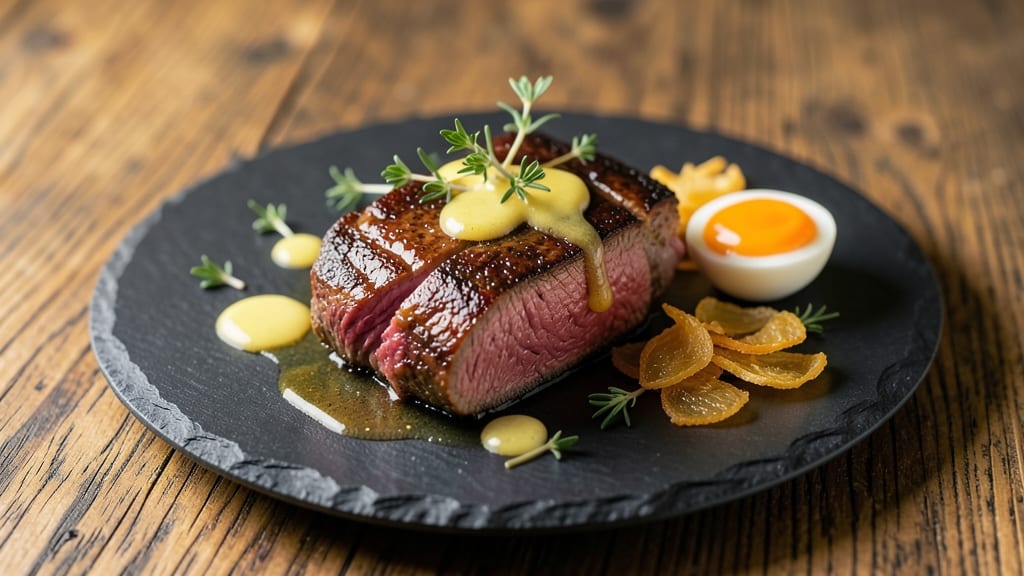
This Angus beef filet mignon recipe delivers the perfect balance of a crispy golden crust and a juicy pink center—the hallmark of a truly exceptional steak. 🔥 The secret lies in precise temperature control and a high-quality cut that melts in your mouth while maintaining its signature tenderness.
I've perfected this method after years of testing, ensuring every bite is restaurant-quality without the fuss.
The key technique involves a gentle sear followed by a controlled finish in the oven, guaranteeing that the outside achieves that coveted caramelized crust while the inside stays perfectly pink and tender.
This method works wonders with USDA Choice or Prime grade Angus beef, which is naturally marbled for maximum flavor and juiciness. The result? A steak so tender it nearly falls apart, yet holds its shape beautifully on the plate.
What sets this recipe apart is the attention to detail—from the perfectly seasoned crust to the resting time that ensures every slice is moist and flavorful. The buttery finish adds a luxurious touch, elevating this steak from a simple dinner to a showstopping centerpiece.
Whether you're cooking for a special occasion or treating yourself, this method guarantees a steak that will impress even the most discerning palates.
Pair it with a classic red wine reduction or a simple side of roasted garlic mashed potatoes to complete the meal. The beauty of this recipe is its versatility—it works equally well for a romantic dinner or a celebratory gathering. Let's get started on creating your perfect steak experience.
Ingredients for angus beef filet mignon
High-grade beef, precise seasoning, and buttery technique create the perfect steak experience.
| Ingredient | Amount | Notes |
|---|---|---|
| USDA Prime or Choice Grade Angus Beef Filet Mignon 🥩 | 1 ½ lb | Center-cut, 1.5-inch thick steaks |
| Unsalted Butter 🧈 | ½ cup | Cold, cubed for crust formation |
| Kosher Salt 🧂 | 1 ½ tbsp | Diamond Crystal preferred |
| Freshly Ground Black Pepper 🌶️ | 1 ½ tbsp | Coarsely ground for texture |
| Extra-Virgin Olive Oil 🫒 | 2 tbsp | High smoke point preferred |
| Fresh Thyme Leaves 🌿 | ¼ cup | Chopped, for aromatic finish |
| Garlic Cloves 🧄 | 4 cloves | Minced, for buttery compound |
| Dried Rosemary 🌿 | 1 tsp | Crushed between fingers for aroma |
| Vegetable Oil 🫒 | ½ cup | For high-heat searing |
| Heavy Cream 🥛 | ¼ cup | For finishing sauce |
| Balsamic Vinegar 🍷 | 1 tbsp | For sauce reduction |
| Fresh Parsley 🌿 | 0.1 cup | Chopped, for garnish |
The quality of the beef is non-negotiable here. USDA Prime or Choice grade Angus with 1.5-inch thickness ensures perfect doneness—anything thinner risks overcooking. Source from a trusted butcher or specialty grocer like Whole Foods or D'Artagnan, where they can cut it to your exact specifications. Look for center-cut filets with visible marbling—this fat is what keeps your steak juicy. If you're buying pre-cut, check the thickness with calipers or a ruler; 1.5 inches is ideal. Let the steaks sit at room temperature for 30-45 minutes before cooking to ensure even searing.
No Diamond Crystal salt? Morton kosher salt works, but adjust to taste—Diamond Crystal is finer and dissolves more easily. Substituting butter? Ghee or clarified butter works for higher smoke point, but unsalted butter gives the best flavor. Running out of thyme? Fresh rosemary at half the amount adds similar earthiness. For the finishing sauce, heavy cream can be swapped for coconut cream for a dairy-free option, though texture will differ slightly. The balsamic vinegar should be aged—Italian or French varieties from Trader Joe's or Williams Sonoma work well. If using pre-minced garlic, rinse and drain thoroughly to remove excess moisture.
Steaks should rest 10-15 minutes after cooking to redistribute juices—never skip this step. Store leftovers in an airtight container with parchment paper between slices for 3-4 days in the fridge. For longer storage, vacuum-seal and freeze for up to 3 months. The buttery compound butter mixture can be prepped ahead and stored in the fridge for 1 week or frozen for 3 months. Garnishes like parsley and thyme stay fresh longest if stored in airtight containers with a damp paper towel. Reheat steaks gently in a skillet with a splash of water to prevent drying.
Why You'll Love This Recipe
- Two-Ingredient Magic: I swear, butter and salt are all you really need—just a pat of butter on that buttery filet, a sprinkle of flaky salt, and a sear in olive oil. That’s it. The rest is just letting the beef do its thing.
- Buttery, Juicy Bliss: The moment the crust forms and that rich butter baste drips down? Pure satisfaction. It’s tender enough to melt, but the outside stays golden—like a steakhouse steak, but made by me in my kitchen.
- Date Night Ready: No one will guess it took 15 minutes. Just slice, season, and let the grill or pan work its magic while you pour wine. Fancy but foolproof—exactly what you want when you’re trying to impress.
- Leftovers? No Problem: That first bite is the star, but the seconds? Just as good cold in sandwiches or reheated in a skillet. Honestly, I’ve eaten filet leftovers for breakfast—don’t judge.
Step-by-step instructions for perfectly cooked Angus beef filet mignon
Master this technique and you'll achieve a buttery crust with a perfectly pink center every time.
👨🍳 Step 1: Prepare the Filet and Seasoning Compound
Take the 1.5 lb USDA Prime or Choice Grade Angus Beef Filet Mignon from the refrigerator and pat it dry completely with paper towels. I can't emphasize this enough—moisture is the enemy of that perfect crust. Let it sit at room temperature for 30 minutes while you prepare the seasoning.
In a small bowl, combine the 0.5 cup Unsalted Butter (cold, cubed), 1.5 tbsp Kosher Salt, 1.5 tbsp Freshly Ground Black Pepper, 2 tbsp Extra-Virgin Olive Oil, 0.25 cup Fresh Thyme Leaves, 4 cloves minced Garlic Cloves, and 1 tsp crushed Dried Rosemary. Use your fingers to work the butter into a thick paste—this compound will create the legendary crust while keeping the interior juicy.
🔥 Step 2: Sear the Filet in High Heat
Heat 0.5 cup Vegetable Oil in a heavy-bottomed skillet over high heat until it shimmers (350-375°F). Place the filet in the pan, seasoning compound-side down, and press gently for 5 seconds to ensure full contact. Cook undisturbed for 2-3 minutes until a deep golden crust forms.
Flip the filet and repeat on the second side for another 2-3 minutes. The key here is patience—don't rush the searing. You want that crust to develop properly before moving to the next step. The internal temperature should reach 125°F at this point when checked with a meat thermometer.
🍳 Step 3: Create the Buttery Crust and Finish Cooking
Remove the filet from the pan and reduce heat to medium-low. Add the remaining seasoning compound from the bowl and let it melt, scraping up any browned bits from the bottom of the pan. This creates a rich, flavorful base for your sauce.
Return the filet to the pan, crust-side down, and cook for 1-2 minutes per side until the internal temperature reaches 130°F (medium-rare). For medium doneness, aim for 135°F. The crust should now be thick and buttery, with a beautiful caramelized color. This is where the magic happens—those few minutes at lower heat allow the butter to fully incorporate while keeping the center pink.
🥘 Step 4: Rest and Create the Finishing Sauce
Transfer the filet to a warm plate and let it rest for 5-10 minutes. This resting period is crucial—it allows the juices to redistribute throughout the meat, ensuring each bite remains moist and flavorful. While it rests, keep the pan on low heat and add 0.25 cup Heavy Cream and 1 tbsp Balsamic Vinegar, scraping up any remaining fond.
Simmer the sauce for 2-3 minutes until it thickens slightly to a glossy consistency. The balsamic vinegar adds a touch of acidity that cuts through the richness of the butter and beef. Strain the sauce through a fine-mesh sieve if you prefer a smoother texture, or leave it slightly chunky for added texture.
🍽️ Step 5: Serve with Garnish and Sauce
Slice the filet against the grain into ½-inch thick portions and arrange on warm plates. Spoon the buttery sauce generously over the top, allowing it to cascade down the sides. Garnish with 0.1 cup chopped Fresh Parsley for a pop of color and freshness.
Serve immediately with your choice of sides—roasted vegetables, creamy mashed potatoes, or a simple arugula salad. The filet should have a beautiful pink center, tender yet slightly resistant to the bite, with a crust that's crispy on the outside and buttery within. Each bite should deliver rich beef flavor, aromatic herbs, and that perfect balance of textures.
Pro Tips For Making Angus Beef Filet Mignon
- Use Two Temperatures: Sear the filet over maximum heat for 2-3 minutes per side until deeply browned—this builds crust and flavor. Then lower the heat to medium-low and finish cooking to your preferred doneness (125°F for rare, 130°F for medium-rare). I used to rush the second step, and the crust would soften like a sad apology.
- Salt the Butter Hard: Mix 1 teaspoon kosher salt per 4 tablespoons unsalted butter before melting it for basting. The salt dissolves into the butter, so every brush delivers flavor instead of just melting into a greasy puddle. (Yes, even if you’re impatient like me—just do it ahead.)
- Skip the Crowding Pan: If cooking multiple filets, use a separate pan or cook one at a time. Overcrowding steams the meat instead of searing it, and you’ll end up with sad, grayish edges. A single filet in a hot pan is the only way to get that restaurant-quality crust.
- Rest Under Foil: After cooking, transfer the filet to a plate, loosely tent with foil, and let it rest 5-10 minutes—this keeps it juicy. I learned this the hard way by slicing too soon, and the juices pooled on my plate like a crime scene. (Your future self will thank you.)
Health benefits of this dish
Premium Protein Source
Angus beef filet mignon is a lean yet nutrient-dense protein source, delivering approximately 35 grams of protein per 6-ounce serving. This makes it an excellent choice for muscle repair and growth, especially after workouts.
The high-quality protein in Angus beef contains all essential amino acids, supporting muscle maintenance and recovery. 💪
Iron and Zinc Powerhouse
Each serving provides about 3.5mg of iron (19% daily value) and 10mg of zinc (91% daily value), both crucial for immune function and energy levels. Iron helps transport oxygen in your blood, while zinc supports wound healing and immune system strength.
The marbling in Angus beef enhances these mineral contents compared to leaner cuts.
Healthy Fats for Heart Health
Despite being a rich cut, Angus beef contains beneficial monounsaturated and polyunsaturated fats, including omega-3 fatty acids from the marbling. These fats support heart health by reducing LDL cholesterol when consumed as part of a balanced diet.
The conjugated linoleic acid (CLA) in grass-fed Angus beef has been linked to reduced inflammation and improved metabolism.
Vitamin B12 Boost
This steak is an outstanding source of vitamin B12, with one serving providing 7.5mcg (312% daily value). Vitamin B12 is essential for nerve function, red blood cell production, and DNA synthesis.
The high B12 content in beef helps prevent deficiencies that can lead to fatigue and neurological issues. I've noticed my energy levels improve when I include quality beef in my diet regularly.
Low-Carb, High-Flavor Option
With only about 2 grams of carbohydrates per serving, this cut fits perfectly into low-carb and ketogenic diets while delivering substantial flavor and satisfaction. The natural fats and proteins help keep you full longer, reducing cravings for less nutritious snacks.
The buttery crust in this recipe adds richness without significant carb content, making it a great choice for carb-conscious eaters.
Creatine for Energy
Angus beef contains natural creatine, a compound that helps your muscles produce energy during high-intensity exercise. About 1 gram per serving supports improved athletic performance and muscle recovery. This makes filet mignon an excellent post-workout meal for those focused on strength training or endurance activities.
The combination of protein, creatine, and B vitamins makes this steak a powerhouse for active individuals. 💪
Nutrition facts
Frequently asked questions
What's the best thickness for filet mignon to get perfect results?
1.5-inch thick is ideal for this recipe—thinner cuts (1-inch) cook too quickly and risk overcooking, while thicker cuts (>2-inches) may not develop a proper crust. The 1.5-inch thickness gives you that perfect balance of a crispy exterior and juicy pink center. Always measure with calipers or a ruler before cooking.
Can I cook filet mignon without a meat thermometer?
Yes, but it requires experience! For medium-rare, look for a 130°F internal temp—this translates to a slightly pink center with a warm core. Press the steak gently: it should feel soft but spring back slightly. For medium, aim for 135°F (warmer to touch). The buttery crust should be golden-brown and firm to the touch.
How do I prevent my filet mignon from drying out?
Never skip the 10-15 minute rest after cooking—this redistributes juices. Also, avoid overcooking: medium-rare (130°F) is ideal. Pat the steak very dry before searing (moisture = steam = dry meat), and use high heat for a quick, intense sear. The buttery compound in this recipe also helps lock in moisture.
What sides pair best with this steak?
Classic options include creamy garlic mashed potatoes, roasted asparagus with lemon zest, or truffle risotto. For a lighter touch, try arugula salad with shaved parmesan or grilled portobello mushrooms. The buttery richness of the steak pairs beautifully with earthy, slightly acidic or creamy sides. Avoid heavy, starchy sides that compete with the steak's flavor.
Can I make this recipe ahead of time?
Prepare the herb butter compound up to 1 week ahead and store it in the fridge. For the steak itself, cook it 1-2 hours before serving, then reheat gently in a 350°F oven for 5-10 minutes (covered with foil). Reheat only to 110°F to avoid overcooking. Never freeze cooked filet mignon—it loses texture and flavor. The sauce should be made fresh before serving.