
Side Dishes
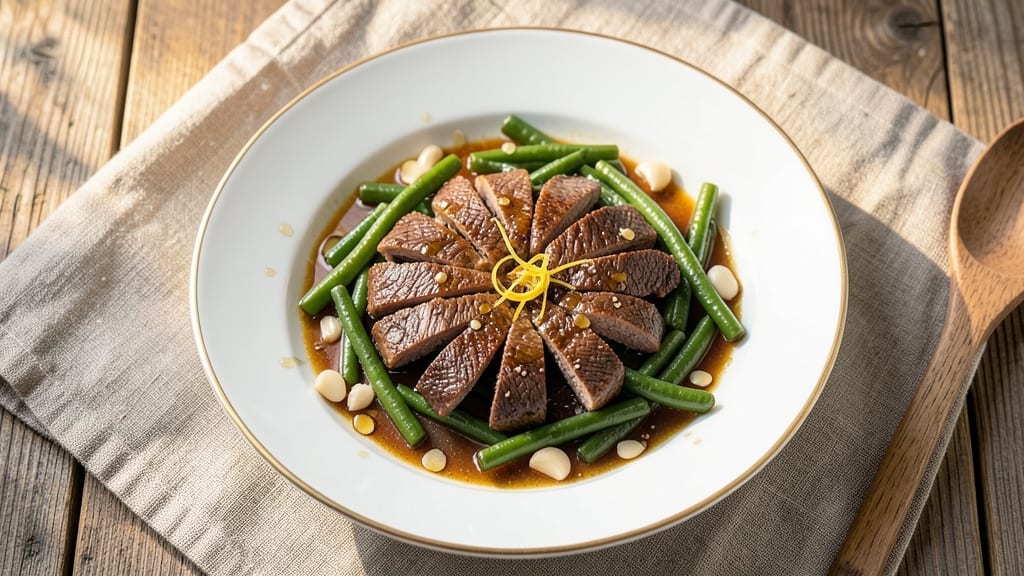
This beef and green beans Chinese recipe delivers the perfect balance of tender beef, crisp-tender green beans, and aromatic soy-ginger flavors that define classic stir-fry dishes. The key lies in proper marinating and high-heat stir-frying to preserve texture while building deep umami through traditional seasonings.
I've refined this recipe over years of home cooking to capture that authentic restaurant experience without requiring professional equipment.
The beauty of this dish comes from its simplicity: just a handful of ingredients that work together to create complex flavors. Thinly sliced beef absorbs the marinade perfectly, while green beans maintain their vibrant color and satisfying crunch.
The secret weapon is a well-balanced sauce featuring soy sauce, ginger, garlic, and a touch of chili for depth—each element playing its part in creating that signature Chinese stir-fry harmony.
What you'll achieve is a restaurant-quality dish with perfectly seared beef pieces, bright green beans that stay crisp, and a sauce that coats everything evenly. The aroma alone will have everyone gathering at the table, and each bite delivers that perfect combination of savory, slightly sweet, and aromatic notes.
This recipe serves beautifully over steamed rice or noodles, making it equally perfect for weeknight dinners or special occasions.
Whether you're recreating a Cantonese-style dish or adding your own modern twist, this recipe provides the foundation for creating something truly special. The techniques here translate well to other stir-fry combinations, so once you master this one, you'll be ready to explore other Chinese-inspired dishes with confidence.
Let's get started on creating this flavorful harmony in your own kitchen.
Ingredients for beef and green beans chinese
These carefully chosen ingredients create a symphony of textures and flavors in every bite of your stir-fried beef and green beans.
| Ingredient | Amount | Notes |
|---|---|---|
| Flank Steak 🥩 | 1 ½ lb | Thinly sliced against grain |
| Green Beans 🥬 | 1 ½ lb | Trimmed, cut into 2-inch pieces |
| Soy Sauce 🍶 | ½ cup | High-quality, preferably Japanese |
| Sesame Oil 🫒 | 1 tbsp | Toasted, for aroma |
| Ginger Root 🌿 | 1 tbsp | Freshly grated, finely minced |
| Garlic Cloves 🧄 | 4 cloves | Minced, aromatic base |
| Sugar 🍬 | 1 tbsp | White or brown for balance |
| Red Chili Flakes 🌶️ | ½ tsp | Adjust for heat preference |
| Vegetable Oil 🫒 | 2 tbsp | High smoke point for stir-fry |
| Cornstarch 🌾 | 1 tbsp | For tenderizing beef |
| Sesame Seeds 🌱 | 1 tsp | Toasted, for garnish |
| Green Onion 🧅 | 2 whole | Thinly sliced, for freshness |
| Salt 🧂 | ½ tsp | Kosher or sea salt |
| Black Pepper 🌶️ | ¼ tsp | Freshly ground for depth |
| White Wine 🍷 | ¼ cup | Dry, for deglazing |
The flank steak is your secret weapon here—it's lean but tender when sliced thinly against the grain. Ask your butcher for pre-sliced if you're short on time, or grab a high-quality cut from Whole Foods or Costco for the best marbling. Look for vibrant red color and minimal fat—this ensures maximum tenderness. The green beans should be crisp and bright, so farmers markets often have the freshest selection. If using frozen, thaw and pat completely dry before cooking to maintain that satisfying crunch. For the soy sauce, Japanese brands like Kikkoman or Yamasa deliver that authentic umami punch that separates homemade from store-bought.
No sesame oil? Toasted peanut oil works in a pinch, though it'll have a different flavor profile. Fresh ginger and garlic are non-negotiable for that authentic aroma, but if you're in a bind, powdered ginger at half the amount will get you close. The white wine can be swapped for extra chicken or vegetable broth—just add a splash of lemon juice to brighten it up. For heat lovers, Sichuan peppercorns ground with the chili flakes add a tingling dimension. The cornstarch is essential for tenderizing the beef—don't skip it! If you can't find it, arrowroot powder works just as well. And that sesame seed garnish? Toast them in a dry pan for 30 seconds until fragrant—worth the extra minute for that restaurant-quality finish.
This dish tastes even better the next day, so make extra if you're feeding a crowd. Store leftovers in airtight containers for up to 4 days in the fridge, or freeze for 3 months by portioning into meal-sized containers. The green beans will soften over time, but the beef stays tender. For reheating, steam with a splash of water to revive crispness. Pro tip: Serve over jasmine rice cooked in a rice cooker—it absorbs all that delicious sauce. The aromas alone will have your kitchen smelling like a bustling Cantonese restaurant, and every bite delivers that perfect harmony of tender beef, crisp green beans, and aromatic sauce.
Why You'll Love This Recipe
- One-Pan Magic: I swear by this—just toss the flank steak, green beans, and a splash of soy sauce in one pan. No chopping mountains of veggies, no fussing with multiple dishes. The green beans blister while the beef caramelizes, and honestly? That’s half the battle won.
- Umami Bomb: That first bite of tender flank steak with the crisp-tender green beans? The soy sauce and ginger root create this perfect balance—salty, bright, and just a hint of heat. A drizzle of sesame oil at the end ties it all together like a flavor hug.
- Lunchbox Hero: Between us, this is my go-to for meal prep. Slice the cooled beef and toss it with the green beans, and suddenly you’ve got a lunch that feels fancy but costs next to nothing. Pack it in containers, and you’re golden for the week—no sad desk salads here.
- Budget Steakhouse: Flank steak is affordable, and a pound goes a long way when you’re stretching it with green beans. I’ll be real: it’s the kind of dish where you can afford to make it twice in one week without blinking. Plus, the leftovers reheat like a dream—just add a splash of soy sauce to revive the flavors.
Step-by-step instructions for soy-ginger beef with green beans
Transform tender flank steak and crisp green beans into a restaurant-worthy stir-fry with bold flavors and perfect texture.
Marinate the Flank Steak for Maximum Tenderness
In a bowl, combine the 1.5 lb flank steak (sliced thinly against the grain), 1 tbsp cornstarch, 0.5 tsp salt, and 0.25 tsp black pepper. The cornstarch acts like a meat tenderizer, breaking down muscle fibers for a melt-in-your-mouth texture. Add 0.5 cup soy sauce and 0.25 cup white wine to create a glossy, flavorful marinade that will infuse the beef deeply.
Mix everything thoroughly with your hands, ensuring each slice is evenly coated. Cover and refrigerate for at least 30 minutes—this allows the marinade to penetrate fully. For best results, I recommend marinating for up to 2 hours, flipping the slices occasionally to ensure even exposure. The longer it marinates, the more flavorful and tender your beef will become.
Blanch the Green Beans for Crisp-Tender Perfection
While the beef marinates, prepare the 1.5 lb green beans by trimming the ends and cutting them into 2-inch pieces. This size ensures they cook evenly without becoming mushy. Bring a large pot of salted water to a boil and blanch the green beans for exactly 2 minutes. The goal is to soften them slightly while preserving their vibrant green color and crisp texture.
Drain immediately in a colander and plunge them into ice water to stop the cooking process. This shock treatment locks in their bright color and crisp bite. Drain again thoroughly and set aside. The beans should be tender enough to eat but still hold their shape—if they feel too soft, they've been overcooked. Perfectly blanched green beans will be just slightly pliable but still snap when bent.
Stir-Fry the Beef to Juicy Perfection
Heat 2 tbsp vegetable oil in a wok or large skillet over high heat until shimmering. Add the marinated beef in a single layer, working in batches if needed to avoid overcrowding. Let the beef sear undisturbed for 1-2 minutes until the edges turn golden brown and the bottoms develop a beautiful crust. This initial sear locks in juices and creates that essential wok hei flavor.
Stir-fry the beef for an additional 1-2 minutes until it's 80% cooked but still slightly pink in the center. Remove the beef from the wok and set it aside on a plate. The residual heat will carry it to perfect doneness. Here's the thing—overcooking beef in the wok turns it tough, so aim for just until it's nearly done. It'll finish cooking when combined with the vegetables.
Build the Stir-Fry Sauce with Aromatics
In the same wok, reduce the heat to medium-high and add 1 tbsp sesame oil, 1 tbsp ginger root, and 4 cloves garlic cloves. Let them sizzle for 30 seconds until fragrant—this releases their essential oils and forms the aromatic base of your dish. Add 0.5 tsp red chili flakes and 1 tbsp sugar, stirring constantly for 1 minute until the mixture becomes fragrant and slightly caramelized.
Pour in the blanched green beans and toss them with the aromatic mixture for 2 minutes, allowing them to absorb those incredible flavors. The sugar helps balance the acidity of the soy sauce and adds a subtle sweetness that complements the savory beef. If you're worried about the heat level, taste the mixture now—you can always adjust with more chili flakes later if needed.
Combine and Finish with Sesame Seeds
Return the beef to the wok along with any accumulated juices from the plate. Stir everything together for 1-2 minutes until the beef is fully cooked and the green beans are heated through. The combination of beef juices and residual heat will create a glossy, flavorful sauce that coats everything beautifully. Taste and adjust seasoning with additional soy sauce if needed—this is where you can fine-tune the balance of salty, sweet, and umami flavors.
Remove from heat and stir in 1 tsp sesame seeds and 2 whole green onion (thinly sliced). The sesame seeds add a nutty crunch and visual appeal, while the green onion provides a fresh, bright finish. Serve immediately over steamed rice, where the beef and green beans will create a perfect harmony of textures and flavors. Each bite should deliver tender beef, crisp green beans, and a complex sauce that's both savory and slightly sweet.
Pro Tips For Making Beef And Green Beans Chinese
- SEAR FLANK STEAK FAST: Get your pan smoking hot—think "oil shimmering like a mirage"—before adding the beef. Cut it against the grain into ¼-inch strips first; they’ll cook faster and stay tender. I used to drag this step out, and the meat always ended up chewy. High heat for 2-3 minutes max, then pull it off the heat while it’s still bright red inside.
- TRIM GREEN BEANS LIKE A PRO: Snap off the ends at a 45-degree angle with your fingers—no knife needed—and discard the tough stems. For this dish, keep the beans whole or cut into 2-inch pieces; over-chopping turns them mushy. I learned this the hard way after serving a batch where half the guests picked out the stems.
- DON’T BOIL THE GINGER: Finely mince the ginger (no need to peel it) and add it raw to the pan with the beef—just let it bloom for 30 seconds before adding soy sauce. Cooking it first burns the flavor, and that’s a crime in a dish where ginger’s the backbone. My grandmother swore by this, and she was right: raw ginger adds a bright kick without bitterness.
- SAVE TIME WITH COLD BEANS: Toss blanched green beans straight from the ice bath into the pan with the beef—no need to drain them. The cold shock stops cooking, and they’ll reheat perfectly while the meat finishes. I skip this when I’m lazy, but the dish is noticeably better when I don’t: the beans stay crisp, and the sauce clings better.
Serving suggestions for leftovers
Rice Pairings
Steamed jasmine rice is my go-to base for this dish—its delicate floral aroma complements the beef's richness without overpowering it. Cook 1.5 cups of rice with 2 cups water in a rice cooker for perfectly fluffy grains that soak up the stir-fry sauce beautifully.
For extra authenticity, try Chinese long-grain rice from H Mart or Asian markets, which stays separate and absorbs flavors exceptionally well. 🍚
Noodle Alternatives
For a heartier meal, serve over egg noodles or rice noodles—both pair wonderfully with the dish's savory-sweet profile. Cook 8 oz dried noodles according to package instructions, then toss with 1 tsp sesame oil before serving.
I love using ramen-style noodles for a satisfying chew, or vermicelli noodles for a lighter option. The noodles' texture contrasts perfectly with the crisp green beans and tender beef.
Garnish Elevations
Fresh cilantro leaves or Thai basil add a bright, herbaceous note that cuts through the richness. Tear ¼ cup cilantro over each serving just before eating, or sprinkle 1 tbsp toasted peanuts for added crunch.
For a smoky touch, finish with ½ tsp smoked paprika—it adds depth without overpowering the dish's natural flavors. These garnishes transform the dish from home-cooked to restaurant-worthy in seconds.
Side Dish Harmony
A simple cucumber salad with rice vinegar and sesame seeds balances the meal's richness. Toss 1 cup sliced cucumbers with 1 tbsp rice vinegar, ½ tsp sugar, and ½ tsp sesame seeds>.
The cool, crisp texture contrasts perfectly with the warm stir-fry. For a protein boost, add ½ cup shredded rotisserie chicken>—it's a crowd-pleasing addition that keeps everyone satisfied.
Presentation Tips
Serve the beef and green beans in a wide, shallow bowl to showcase the vibrant colors and textures. Arrange the beef in a circular pattern with green beans fanned around it, then drizzle any extra sauce from the wok over the top.
A sprinkle of red chili oil adds a pop of color and heat. For a modern twist, plate over warm, buttered noodles and garnish with pickled ginger** for a tangy contrast that cleanses the palate between bites.
Nutrition facts
Frequently asked questions
Can I substitute flank steak with another beef cut?
For this Chinese stir-fry, sirloin or ribeye work well—just slice them thinly against the grain for tenderness. Flank steak is ideal because of its lean texture and flavor, but skirt steak also works if you marinate it for at least 1 hour. Avoid fatty cuts like ribeye unless you trim excess fat first, as it can make the dish greasy.
Why do the green beans need blanching?
Blanching preserves the beans' vibrant color and crisp texture while ensuring they cook evenly with the beef. The 2-minute boil softens them slightly, while the ice bath stops cooking instantly. Without blanching, the beans would either stay too crunchy or turn mushy during stir-frying. For extra crispness, try steaming for 1 minute instead of boiling.
How can I make this dish spicier?
Add 1 tsp Sichuan peppercorns (ground) or ½ tsp gochujang (Korean chili paste) to the sauce for a tingling heat. For a smoky kick, stir in ½ tsp smoked paprika at the end. If you prefer fresh heat, toss in 1 chopped Thai chili with the green beans. Remember: start with half and adjust to taste!
Can I make this dish ahead of time?
Yes! Store leftovers in an airtight container for 4 days in the fridge. Reheat gently in a skillet with 1 tsp sesame oil to revive crispness. For freezing, portion into meal-sized containers (beef and beans together) and freeze for 3 months. Thaw overnight in the fridge—never microwave directly from frozen.
What if I don't have a wok?
No problem! Use a large skillet or cast-iron pan with high sides to contain the stir-fry. The key is maintaining high heat—preheat your pan for 3 minutes before cooking. A 12-inch nonstick skillet works well for this recipe. Just stir frequently to mimic wok hei (smoky flavor) as much as possible.