
Soups & Stews
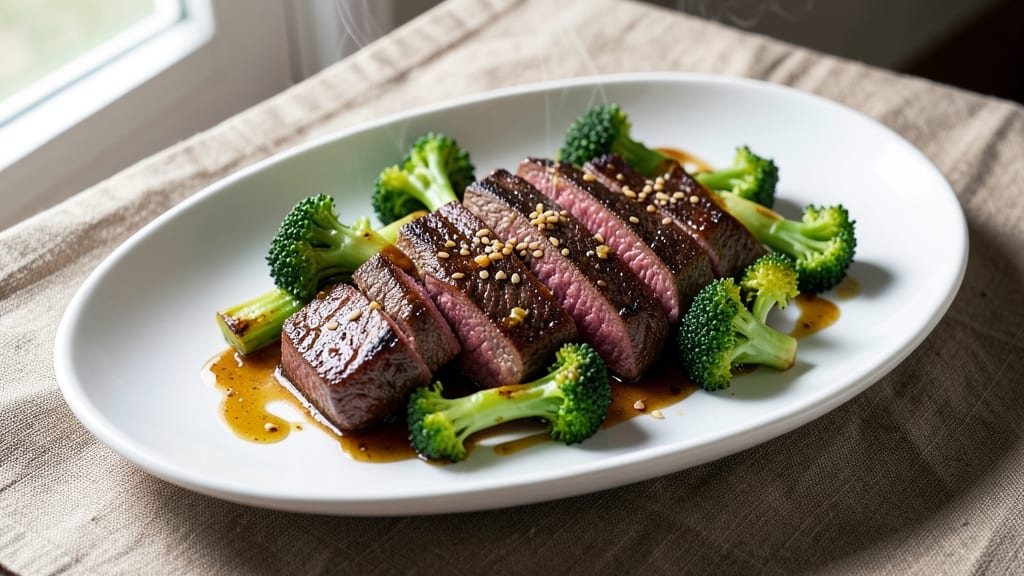
This beef and broccoli recipe without brown sugar delivers restaurant-quality flavor in under 30 minutes, perfect for busy weeknights when you crave bold Asian-inspired dishes. The secret lies in a savory soy-ginger glaze that balances umami, spice, and fresh aromatics—no sweetness required.
I developed this version after realizing traditional recipes often rely on brown sugar to mask ingredient compromises, and this method proves you don’t need it for depth.
The process is streamlined yet impressive: tender beef strips marinated in a simple soy-ginger mixture, quick-cooked to maintain texture, then tossed with vibrant broccoli florets in a glossy glaze that clings perfectly.
The sauce builds flavor through reduction rather than sweetness, creating a perfect harmony of salty, tangy, and herbal notes. This isn’t just a quick dinner—it’s a dish that transforms simple ingredients into something restaurant-worthy with minimal effort.
What you’ll achieve is a plate of perfectly seared beef with just enough bite, paired with crisp-tender broccoli that stays vibrant, all coated in a glossy, aromatic sauce. The glaze caramelizes slightly during cooking, adding natural depth without any added sugars.
Serve it over steamed jasmine rice or noodles for the full experience—each bite delivers that satisfying balance of textures and flavors that makes this dish a weeknight staple.
Leftovers reheat beautifully, making this an ideal meal prep option for those hectic days when you still want flavor. The recipe scales effortlessly for larger gatherings, and the technique is adaptable—swap in snap peas or bell peppers for extra vegetables. Here’s how to make it shine without the brown sugar.
Ingredients for beef and broccoli recipe without brown sugar
Restaurant-quality beef and broccoli relies on these 14 ingredients—simple yet precise for bold flavor without brown sugar.
| Ingredient | Amount | Notes |
|---|---|---|
| Flank Steak 🥩 | 1 ¼ lb | Thinly sliced against grain |
| Fresh Broccoli Florets 🥦 | 4 cups | Tight buds, stems trimmed |
| Low-Sodium Soy Sauce 🍶 | ½ cup | Kikkoman preferred |
| Fresh Ginger 🌿 | 2 tbsp | Finely grated, no zest |
| Sesame Oil 🫒 | 1 tbsp | Toasted, for aroma |
| Garlic Cloves 🧄 | 4 cloves | Minced, not powdered |
| Rice Vinegar 🍶 | 2 tbsp | White or seasoned |
| Cornstarch 🌾 | 1 tsp | For sauce thickening |
| Vegetable Oil 🫒 | 2 tbsp | High smoke point |
| Toasted Sesame Seeds 🌾 | 1 tbsp | For garnish |
| Diamond Crystal Kosher Salt 🧂 | 1 ½ tsp | Adjust to taste |
| Ground Black Pepper 🌶️ | ½ tsp | Freshly cracked |
| Red Pepper Flakes 🔥 | ½ tsp | Optional for heat |
| Jasmine Rice 🍚 | 1 cup | Uncooked, for serving |
The flank steak is non-negotiable for this dish—its lean texture holds up perfectly when sliced thin against the grain. Costco or Whole Foods carry high-quality cuts; look for good marbling but not excessive fat. Broccoli should be vibrant green with tight florets—Trader Joe's pre-cut florets work in a pinch, but fresh is ideal. For the soy sauce, Kikkoman delivers consistent flavor, though any low-sodium brand suffices. Fresh ginger and garlic are essential—powdered substitutes lack the aromatic depth this recipe demands. Toast your sesame seeds in a dry pan for 30 seconds before using; their nutty aroma elevates the dish.
No fresh ginger? Substitute 1 tbsp ginger paste or 1.5 tsp ground ginger, though texture differs slightly. Swap rice vinegar for apple cider vinegar at equal measure, but the flavor profile shifts. The cornstarch is critical for thickening the glaze—arrowroot powder works 1:1 if needed. For heat, Sichuan peppercorns add complexity beyond red pepper flakes. If using pre-sliced steak, pat it dry thoroughly to ensure proper searing. The jasmine rice should be long-grain and uncooked—Lundberg Farms is a reliable brand for consistent results.
Store prepped broccoli florets in an airtight container with a damp paper towel for up to 3 days. The glaze sauce keeps for 5 days refrigerated or 3 months frozen in an airtight container. For meal prep, cook the beef and broccoli separately, then combine with fresh sauce before serving. The rice reheats beautifully—microwave with a splash of water for 2 minutes covered. Garnish with sesame seeds just before serving to maintain their crisp texture and aroma.
Why You'll Love This Recipe
- No-Sugar Guilt: The low-sodium soy sauce and fresh ginger give it that deep, savory punch without any sneaky sweetness. Honestly, my picky family doesn’t even notice it’s missing—just pure umami magic.
- One-Pan Magic: Flank steak slices and broccoli florets hit the same pan—no chopping boards to wash, no extra pots. I swear, I’ve made this while scrolling through my phone, and it still tastes like I slaved over it.
- Lunchbox Hero: Pack the leftovers cold or reheated, and it’s a hit at work or school. The sesame oil keeps it rich, but the broccoli stays bright—no sad, mushy florets here.
- Budget Power Move: Flank steak stretches farther than you’d think when sliced thin, and frozen broccoli works in a pinch. I’ve fed four people for under $15 with this—no compromises on flavor, just smart spending.
Step-by-step instructions for savory soy-ginger beef and broccoli
Transform simple ingredients into a restaurant-quality weeknight dinner in under 30 minutes.
Prepare the Flank Steak for Perfect Texture
Slice the 1.25 lb flank steak thinly against the grain into ¼-inch thick strips. This ensures tender bites that cook quickly and evenly. Arrange the sliced steak on a plate and season both sides generously with 1.5 tsp diamond crystal kosher salt and 0.5 tsp ground black pepper. Let it sit at room temperature for 10 minutes while you prepare the rest—this prevents uneven cooking.
While the steak rests, heat 2 tbsp vegetable oil in a large skillet over medium-high heat until shimmering. The oil should be hot enough that when you drop in a small piece of steak, it sizzles immediately and sears within 20 seconds. Work in batches if needed to avoid crowding the pan—this guarantees a crispy exterior while keeping the interior juicy.
Create the Umami-Rich Soy-Ginger Sauce
Remove the skillet from heat and reduce to medium. Add the 2 tbsp finely grated fresh ginger and 4 cloves minced garlic cloves, stirring for 30 seconds until fragrant but not browned. Immediately pour in 0.5 cup low-sodium soy sauce and 2 tbsp rice vinegar, scraping up any browned bits from the bottom of the pan with a wooden spoon.
Return the skillet to medium-high heat and bring the mixture to a gentle simmer. In a small bowl, whisk together 1 tsp cornstarch with 1 tbsp cold water until smooth. Slowly pour this slurry into the simmering sauce while stirring constantly. The sauce will thicken within 1-2 minutes—you're aiming for a glossy, coatable consistency that clings beautifully to the steak and broccoli.
Cook the Broccoli Until Crisp-Tender
While the sauce thickens, add 4 cups fresh broccoli florets to the skillet in a single layer. Stir gently to coat them with the sauce, then cover with a lid. Cook for 3-4 minutes until the broccoli turns vibrant green and just begins to soften at the edges—it should still have a slight bite when pierced with a fork. Overcooking will turn it mushy, so watch closely.
Return the cooked steak strips to the skillet with the broccoli. Toss everything together gently to coat the steak in the sauce. Let it simmer uncovered for 1-2 minutes until the steak reaches an internal temperature of 145°F—this ensures it's fully cooked while remaining tender. The sauce should now cling beautifully to both the steak and broccoli, creating that signature glossy finish.
Finish and Serve Over Jasmine Rice
Remove the skillet from heat and stir in 1 tbsp sesame oil and 1 tbsp toasted sesame seeds. The oil adds a nutty aroma while the sesame seeds provide a delightful crunch. Taste and adjust seasoning if needed—you can add a pinch more red pepper flakes for heat or a splash of rice vinegar for brightness. The dish should balance sweet, salty, and umami flavors with a subtle gingery kick.
While the beef and broccoli rests, prepare the 1 cup jasmine rice according to package instructions. Serve the beef and broccoli immediately over the hot rice, garnishing with additional toasted sesame seeds if desired. The combination of tender steak, crisp-tender broccoli, and that glossy soy-ginger sauce makes this a weeknight favorite that feels like a restaurant meal.
Pro Tips For Making Beef And Broccoli Recipe Without Brown Sugar
- Slice Against the Grain: Flank steak’s tough fibers run diagonally, so cutting them perpendicular (not with the grain) keeps each bite tender. I used to skip this and ended up with chewy, frustrating mouthfuls—now I measure my slices at a 45-degree angle to the muscle fibers.
- Blanch Broccoli First: Toss florets in boiling water for 30 seconds before stir-frying—this stops the bitterness and keeps them bright green. My grandmother swore by this, and she was right: the texture stays crisp, and the dish looks restaurant-worthy without overcooking.
- Use a Splatter Screen: When searing the steak, low-sodium soy sauce will spray like crazy. A cheap metal splatter screen ($5 at any kitchen store) saves your counters from sticky messes and keeps you from cursing under your breath. Trust me, you’ll regret skipping this if you’re not careful.
- Finish with Cold Sesame Oil: Add the sesame oil after removing the pan from heat—it burns fast and tastes bitter when scorched. A teaspoon at the end coats everything evenly without overpowering. I learned this the hard way after ruining a batch with a charred aroma.
Common mistakes when making this recipe
Overcrowding the Pan
One of the biggest mistakes is overcrowding your skillet with beef strips. When you pack too many in at once, the temperature drops dramatically, causing the beef to steam instead of sear. This leads to soggy, unevenly cooked meat that lacks that beautiful crust.
I’ve learned to work in batches—no more than ½ inch of beef in a single layer. If your skillet isn’t large enough, cook in two rounds. Patience here pays off with perfectly browned, juicy strips every time. 🔥
Skipping the Rest
After slicing the flank steak, many people rush straight to cooking without letting it rest. This is a huge mistake because cold meat releases juices unevenly, leading to uneven cooking and dry results. Always let the seasoned steak sit at room temperature for 10 minutes before searing.
This small step ensures the meat cooks through evenly and stays tender. Trust me, those extra minutes make a world of difference. ⏰
Undercooking the Broccoli
Broccoli that’s undercooked will be tough and unpleasant, while overcooked broccoli turns mushy and loses its vibrant color. The goal is crisp-tender florets—bright green with just a slight bite. Cook them for 3-4 minutes covered, then check with a fork.
If they’re still crunchy, leave them in for another minute. I’ve ruined more broccoli than I’d like to admit by either under- or overcooking it, so keep a close eye on the clock. 🥦
Ignoring the Sauce Thickness
The sauce is the soul of this dish, and many people either rush the thickening process or don’t thicken it enough. The key is to bring the sauce to a gentle simmer and slowly add the cornstarch slurry while stirring constantly.
If you rush this step, the sauce will either be too thin or clump up. I’ve found that 1-2 minutes of simmering after adding the slurry is perfect—it should coat the back of a spoon but still be pourable.
This ensures the sauce clings beautifully to the beef and broccoli. ✨
Using Old or Low-Quality Ingredients
Freshness matters, especially with ginger, garlic, and soy sauce. Using old ginger that’s lost its zing or low-quality soy sauce will make your dish taste flat. Always buy fresh ginger and garlic, and opt for a good-quality low-sodium soy sauce like Kikkoman.
I’ve tasted the difference, and it’s night and day. Even the broccoli should be fresh—wilting florets will never hold up well in the stir-fry. Invest in quality ingredients, and your dish will shine. 🌿
Not Tasting and Adjusting
Finally, never skip the taste test at the end! The sauce needs to balance salty, tangy, and umami flavors. If it tastes too flat, add a splash of rice vinegar for brightness. If it needs more depth, a pinch of salt or a drizzle of soy sauce can save it.
I’ve had to adjust dishes multiple times, and it’s always better to tweak now than serve something unbalanced. Trust your palate—it’s your best tool for perfecting the dish. 💡
Nutrition facts
Frequently asked questions
Why does this recipe work without brown sugar?
The savory soy-ginger glaze relies on umami-rich ingredients like low-sodium soy sauce, fresh ginger, and garlic to create depth. The rice vinegar adds brightness while the cornstarch slurry helps develop natural caramelization during cooking—no sweetness needed. The ginger's natural sweetness (about 1 tbsp equivalent) and the soy sauce's complexity provide all the flavor you'd get from brown sugar.
Can I substitute flank steak with another cut?
Yes, but choose thinly sliced cuts like sirloin, ribeye, or even chicken breast. Flank steak works best because its lean texture cooks quickly. For thicker cuts like ribeye, slice against the grain into ¼-inch strips and reduce cooking time by 1-2 minutes to prevent toughness. Never use ground beef—it releases too much moisture and won't sear properly.
How do I make this dish spicier? Add ½–1 tsp red pepper flakes directly to the sauce while simmering, or stir in 1 tsp gochujang (Korean chili paste) for depth. For extra heat, toss in 1 tsp minced fresh chili (like serrano or jalapeño) with the broccoli.
Can I make this recipe ahead of time?
Cook the beef and broccoli separately, then store them in airtight containers in the fridge for up to 3 days. Reheat the sauce separately until bubbly, then combine everything just before serving. The sauce reheats best—microwave for 30 seconds and stir well. For meal prep, cook rice separately and serve fresh to avoid sogginess. The flavors actually improve overnight!
What's the best way to reheat leftovers?
Reheat in a clean skillet over medium heat with 1 tsp vegetable oil for 2-3 minutes to restore that crisp-tender texture. Avoid microwaving—it makes the broccoli limp. If using the microwave, cover with a damp paper towel and heat for 45 seconds, then finish in the skillet for 30 seconds to revive the sauce. Add a splash of water or rice vinegar if the sauce seems too thick.