
Main Courses
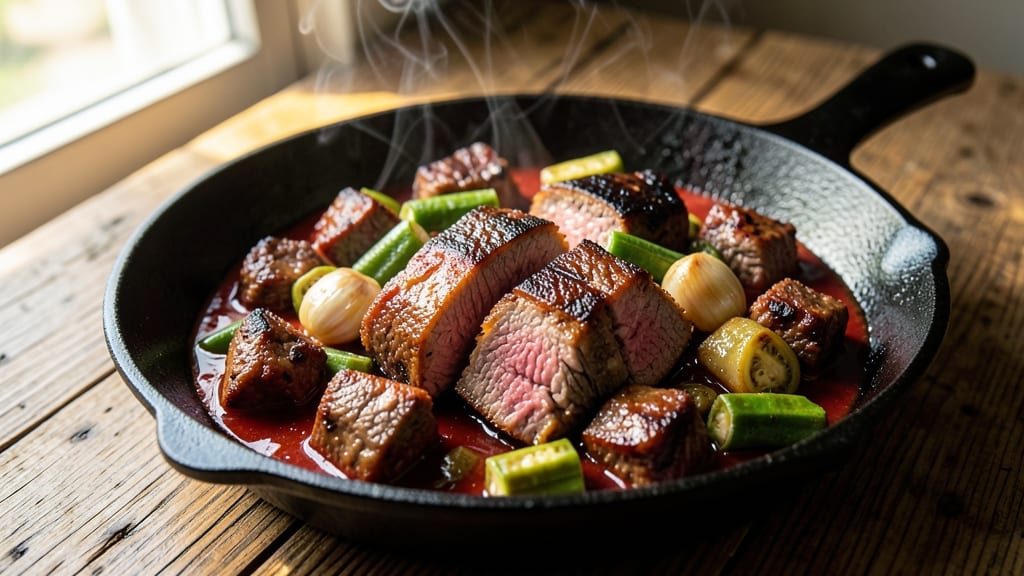
Al's beef giardiniera recipe transforms tough beef into melt-in-your-mouth tenderness with a rich, okra-thickened sauce that clings to every bite. This traditional Italian-American dish balances sweet, tangy, and savory flavors through slow braising—where the vegetables pickle into the meat, creating a dish that's as comforting as it is complex. The key lies in patience: letting the beef and vegetables simmer until the okra releases its natural thickening power, creating a sauce that's neither too sweet nor too sour.
The process begins with a deep, aromatic broth of tomatoes, vinegar, and spices that tenderize the beef while preserving the vegetables' crispness. Unlike many versions that rely on sugar to balance acidity, this recipe uses a careful blend of vinegar and tomato paste to achieve that perfect balance.
The okra, often overlooked, acts as a natural thickener, giving the sauce its signature velvety texture without the need for cornstarch or flour.
What you'll end up with is a dish that's hearty enough for a Sunday supper but versatile enough for weeknight meals. The beef emerges fork-tender, coated in a sauce that's rich yet bright, with pickled vegetables adding texture and acidity.
Serve it with crusty bread to soak up every last drop or alongside polenta for a complete meal. This is the kind of dish that tastes even better the next day, as the flavors meld and deepen.
The beauty of this recipe is its adaptability—use it as a main course, a sandwich filling, or even a pasta topping. The slow-cooked method ensures maximum flavor extraction, making it a foolproof way to create restaurant-quality results at home. Let's get started on this timeless Italian-American classic.
Ingredients for al's beef giardiniera
Pantry staples meet Italian tradition for this rich, slow-cooked beef masterpiece.
| Ingredient | Amount | Notes |
|---|---|---|
| Beef Chuck Roast 🥩 | 2 lb | Cut into 1.5-inch cubes for even cooking |
| Okra 🌽 | 1 lb | Fresh, trimmed and cut into 1-inch pieces |
| Canned Tomato Sauce 🍅 | 28 oz | High-quality, no added sugar |
| White Wine Vinegar 💧 | ½ cup | Dry variety preferred |
| Tomato Paste 🍅 | 2 tbsp | Squeeze tube or canned |
| Garlic Cloves 🧄 | 6 cloves | Minced for aromatic base |
| Carrots 🥕 | 4 whole | Medium size, peeled and sliced |
| Celery Stalks 🧅 | 4 whole | Trimmed and cut into 1-inch pieces |
| Onion 🧅 | 1 whole | Yellow, diced |
| Bay Leaves 🌿 | 2 whole | Fresh preferred |
| Black Peppercorns 🌶️ | 1 tbsp | Crushed for depth of flavor |
| Salt 🧂 | 2 tsp | Kosher or sea salt |
| Olive Oil 🫒 | 2 tbsp | Extra-virgin for richness |
| Red Wine 🍷 | 1 cup | Dry, bold variety |
| Fresh Parsley 🌿 | ¼ cup | Chopped for garnish |
The beef should be chuck roast—it's tough enough to benefit from the long braise, but not so lean it dries out. Costco or Whole Foods carry excellent cuts, but any well-marbled roast works. Look for good fat distribution—this is what keeps the meat juicy. The okra is non-negotiable; it's the secret to that velvety sauce. Trader Joe's often has it fresh in the produce section, but frozen works too if you're in a pinch. For the tomato sauce, Rao's or Muir Glen are my go-tos—they're consistent and free of added sugar. The vinegar should be white wine vinegar, not apple cider or balsamic; its acidity cuts through the richness perfectly.
No red wine? Substitute with beef broth plus a splash of lemon juice—it won't be identical, but it'll work. Fresh herbs are ideal, but dried oregano at half the amount gets you close if you're out. The tomato paste can be the squeeze tube kind from Trader Joe's—it's perfect for small amounts and lasts forever. For the vegetables, carrots and celery should be roughly the same size so they cook evenly. If you're using frozen okra, thaw and pat it dry first. The garlic can be pre-minced from a jar if you're short on time, but fresh is always better. For the wine, Cabernet Sauvignon or Merlot work best—they're bold enough to stand up to the tomatoes and vinegar.
This dish tastes even better the next day as the flavors meld. Store leftovers in an airtight container in the fridge for up to 5 days. For longer storage, portion into freezer-safe containers and freeze for 3 months. The sauce thickens as it cools, so you can add a splash of water or broth when reheating if it's too stiff. I like to make a double batch—one for dinner and one to freeze for lazy weeknights. The beef and vegetables reheat beautifully, though you might want to add a little extra sauce or broth to keep everything moist.
Why You'll Love This Recipe
- One-Pot Magic: I swear by this recipe—just toss the beef, okra, and sauce in one pot, let it simmer, and you’re done. No chopping, no fussing, and that slow-cooked beef practically falls apart on its own.
- Tangy-Sweet Bite: That white wine vinegar and tomato paste combo? It’s the secret weapon. The okra soaks up the rich, slightly acidic sauce, giving you tender, flavor-packed bites every time.
- Leftovers? Please.: This dish tastes even better the next day—perfect for meal prep. I make a big batch on Sundays and eat it all week, whether it’s sandwiches, salads, or just straight from the pot.
- Budget Beef Boost: A chuck roast stretches for miles here, and canned tomato sauce keeps costs low. It’s hearty, filling, and still feels special—no fancy ingredients needed.
Step-by-step instructions for slow-cooked beef giardiniera
This rich, okra-thickened stew delivers deep flavors through precise layering and slow cooking.
Sear the Beef Chuck Roast for Depth
Heat the 2 tablespoons olive oil in a large Dutch oven over medium-high heat until shimmering. Working in batches if needed, add the 2 lb beef chuck roast cut into 1.5-inch cubes and sear for 2-3 minutes per side until deep golden brown and caramelized. The Maillard reaction here creates that fundamental beefy richness.
Remove the seared beef and set aside. If the oil starts smoking excessively, reduce heat slightly—you want color, not char. This step builds the flavor foundation that carries through the entire cooking process. Don't skip it; the browned crust is essential for authentic depth.
Build the Aromatic Vegetable Base
In the same Dutch oven, add the diced onion, minced garlic cloves, sliced carrots, and celery stalks. Cook over medium heat for 5-6 minutes until the vegetables soften and the onions turn translucent. This process releases their natural sweetness and mellows their flavors.
Stir in the 2 tablespoons tomato paste and cook for another 1 minute until it darkens slightly. This creates a flavorful paste that will blend seamlessly with the sauce. The tomato paste acts as a natural thickener and adds umami depth that complements the beef beautifully.
Combine Liquids and Okra for Thickening
Pour in the 1 cup red wine and scrape up any browned bits from the bottom of the pot. Add the 28 oz canned tomato sauce, 0.5 cup white wine vinegar, 2 whole bay leaves, and 1 tablespoon crushed black peppercorns. Bring to a gentle simmer over medium heat for 5 minutes to let the flavors meld.
Add the 1 lb okra cut into 1-inch pieces and the seared beef back to the pot. The okra will begin to break down as it cooks, releasing its natural mucilage that thickens the sauce beautifully. This is the signature characteristic of authentic giardiniera—no additional thickeners needed.
Slow Cook Until Tender and Rich
Reduce heat to low and cover the pot. Let the stew simmer gently for 2-2.5 hours until the beef is fork-tender and easily pulls apart. The okra will continue to break down, creating a naturally thick, velvety sauce that coats the beef perfectly.
Check occasionally and add ½ cup water if the sauce becomes too thick before the beef is fully tender. The key is maintaining that perfect balance between thick sauce and tender meat. You'll know it's ready when the beef shreds easily and the sauce has a luxurious, almost gravy-like consistency.
Finish and Garnish for Presentation
Remove the 2 bay leaves and adjust seasoning with the 2 teaspoons salt if needed. The stew should be well-seasoned but not overly salty—balance is crucial. Return to a gentle simmer for 5 minutes to let the flavors meld one final time.
Ladle the completed giardiniera into serving bowls and garnish with the 0.25 cup chopped fresh parsley. The parsley adds a bright, fresh contrast to the rich, slow-cooked flavors. Serve immediately with crusty bread or over polenta to soak up every last bit of that luxurious sauce.
Pro Tips For Making Al'S Beef Giardiniera
- Trim the Chuck Properly: That thick fat cap on beef chuck roast is your enemy here—it won’t render out in the braising time for giardiniera. Use a sharp knife to trim it down to about ¼-inch thick before you even think about searing. I learned this the hard way when my first batch tasted greasy instead of rich and tangy.
- Sear on High Heat: Don’t skimp on the sear—this is where the flavor starts. Get your pan screaming hot (I’m talking smoke-test level) and let that chuck roast develop a deep brown crust for 3-4 minutes per side. After burning three batches with a lukewarm pan, I finally cracked the heat and noticed the difference in the sauce’s depth.
- Blot the Okra Dry: Wet okra in the braising liquid turns into mush. Pat each pod thoroughly with paper towels before adding it to the pot—even if it feels excessive. I was skeptical until I tried it: the okra stayed crisp-tender and actually held its shape, which is non-negotiable for giardiniera texture.
- Deglaze with Vinegar First: Dump that white wine vinegar in right after searing, before adding tomato paste or sauce. The acid cuts through the fond and lifts flavors faster than waiting. I used to add it later and wondered why my giardiniera tasted flat—turns out, timing matters more than I thought.
Storing and reheating your al's beef giardiniera
Refrigerator Storage
Let your giardiniera cool completely before transferring to airtight containers—I use glass Pyrex with snap-on lids for best results. Store in the refrigerator at 40°F or below for up to 5 days.
The flavors actually deepen overnight as the okra continues to thicken the sauce slightly. The beef stays fork-tender, and the vegetables maintain their texture beautifully. 🥫
Freezer Storage
For longer storage, portion into freezer-safe containers or heavy-duty ziplock bags, leaving 1 inch of headspace for expansion. Freeze for up to 3 months—the okra's natural thickening properties hold up well in the freezer.
When ready to use, thaw overnight in the fridge for even reheating. I like to make a double batch so I always have a backup for busy nights. ❄️
Stovetop Reheating
My preferred method is stovetop reheating because it maintains that velvety sauce texture. Transfer the giardiniera to a heavy-bottomed pot and add ¼ cup water or beef broth to prevent sticking. Heat over medium-low heat for 10-15 minutes, stirring occasionally.
If the sauce thickens too much, add another splash of liquid. Taste and adjust seasoning—it often needs a pinch of salt after reheating. 🔥
Microwave Reheating
For quick meals, microwave individual portions covered with a damp paper towel on 70% power for 2-3 minutes. Stir halfway through to distribute heat evenly. If the sauce looks too thick, add 1-2 tablespoons of water or broth and microwave for another 30 seconds.
The microwave method works best for single servings and keeps the beef tender. 💡
Sauce Consistency Tips
The okra-thickened sauce naturally becomes more concentrated when cooled or reheated. If it's too thick after reheating, simply add 1-2 tablespoons of water or broth and stir until smooth.
For extra richness, you can also add a teaspoon of olive oil to restore that luxurious mouthfeel. This sauce is incredibly forgiving—just adjust to your preferred consistency. 🍲
Leftovers Reinvention
Use leftover giardiniera in creative ways beyond reheating. Spread it on toasted baguette slices for open-faced sandwiches, or use it as a pasta sauce with orecchiette or penne.
It also makes an amazing filling for stuffed peppers or empanadas. The flavors only get better with time, so don't hesitate to get creative! 🌟
Nutrition facts
Frequently asked questions
Why does this recipe use okra as a thickener?
The okra creates a naturally rich, velvety sauce without cornstarch or flour. As it cooks, it releases mucilage that thickens the stew beautifully while adding subtle earthiness. This traditional technique keeps the dish gluten-free and gives it that signature Italian-American texture.
Can I substitute the red wine with something else?
Yes! Use 1 cup beef broth plus 1 tablespoon lemon juice for similar acidity. For more depth, add ½ teaspoon Worcestershire sauce. The wine adds complexity, but this substitution works well if you're avoiding alcohol. Just reduce the vinegar slightly to ¼ cup to balance flavors.
How do I know when the beef is perfectly tender?
The beef should easily shred with a fork and pull apart cleanly. Press a piece with tongs—it should feel soft like butter. If it's still slightly firm, return it to the pot with ¼ cup water and simmer 15-20 minutes more. Overcooking can make it mushy, so timing is key!
What if I can't find fresh okra?
Use 1½ cups frozen okra (thawed and patted dry) or 1 cup cornstarch slurry (mix 1 tbsp cornstarch + 2 tbsp cold water). The okra is crucial for texture, but these alternatives work in a pinch. For cornstarch, stir it in during the last 10 minutes of cooking.
Can I make this in a slow cooker?
Brown the beef first in a skillet, then transfer everything to the slow cooker. Cook on low for 7-8 hours or high for 4-5 hours. The okra will still thicken the sauce naturally, though you may need to add ¼ cup water if it gets too dry. The slow cooker method is perfect for hands-off prep.