
Main Courses
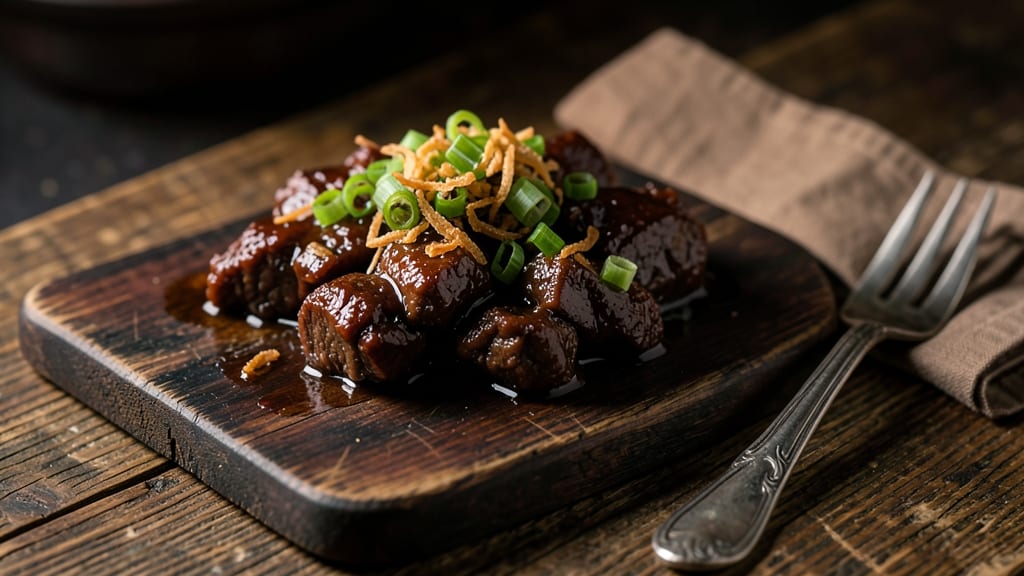
This P.F. Chang’s Mongolian beef copycat recipe brings the restaurant’s iconic sweet-savory-sour balance straight to your home. The secret lies in marinating the beef properly and building layers of flavor through a carefully reduced sauce.
I've perfected this copycat recipe after years of testing, ensuring the sauce achieves that perfect tangy-sweet harmony without overpowering the tender beef.
What sets this one-pan stir-fry apart is the technique: high-heat searing followed by a quick sauce reduction that locks in all those complex flavors. The beef stays juicy while developing a caramelized crust, and the sauce thickens just enough to coat every piece without being gloppy.
This method cuts prep time to under 30 minutes while delivering restaurant-quality results.
By the end, you'll have perfectly tender beef strips glistening with a glossy sauce that's sweet, tangy, and packed with umami. The aroma alone will have everyone gathering around the table—it's that good.
The best part? One pan means minimal cleanup, leaving you more time to enjoy the meal you've recreated.
Serve it over steamed rice or noodles for the full experience, and don't forget the garnish of sliced green onions. This copycat version stays true to the original while being simple enough for weeknight dinners. Let's get cooking!
Ingredients for pf chang's mongolian beef copycat
Pantry staples plus a few specialty finds for that restaurant-quality Mongolian beef flavor.
| Ingredient | Amount | Notes |
|---|---|---|
| Flank Steak 🥩 | 1 ½ lb | Thinly sliced against grain |
| Soy Sauce 🍶 | ½ cup | High-quality, low-sodium preferred |
| Brown Sugar 🍚 | ¼ cup | Packed firmly |
| Garlic Cloves 🧄 | 6 cloves | Minced finely |
| Fresh Ginger 🌿 | 1 tbsp | Finely grated |
| Sesame Oil 🫒 | 1 tbsp | Toasted, for aroma |
| Rice Vinegar 🍶 | 2 tbsp | White or seasoned |
| Honey 🍯 | 1 tbsp | Wildflower preferred |
| Cornstarch 🌾 | 1 tbsp | For thickening sauce |
| Vegetable Oil 🫒 | 2 tbsp | High smoke point |
| Green Onions 🧅 | 3 whole | Sliced thin for garnish |
| Sesame Seeds 🌻 | 1 tbsp | Toasted lightly |
| Salt 🧂 | 1 tsp | Kosher or sea salt |
| Black Pepper 🌶️ | ½ tsp | Freshly ground |
| Steamed White Rice 🍚 | 2 cups | Cooked, for serving |
The beef is everything—flank steak is the gold standard here. Look for a well-marbled cut at Costco or your local butcher shop. Slice it thinly against the grain (that's the secret to tenderness) and keep it cold until you're ready to cook. The soy sauce should be high-quality—Kikkoman or Lee Kum Kee are solid choices. Brown sugar adds depth but don't use powdered—it won't dissolve right. For the garlic, I always grab a whole head and mince it myself (fresh is non-negotiable here).
No sesame oil? Toasted peanut oil works in a pinch, but it'll have a different flavor profile. Running short on rice vinegar? Apple cider vinegar is a decent swap, though it's slightly more tart. The honey can be swapped for maple syrup if you're avoiding sugar. For the cornstarch, make sure it's pure—arrowroot powder works too, but the sauce might not thicken as dramatically. The green onions? Fresh is best, but frozen chopped ones (thawed and drained) are fine if you're in a rush.
This sauce reheats beautifully—just add a splash of water to loosen it up. Store leftovers in an airtight container in the fridge for up to 4 days. Freezes well for 3 months if you want to make a big batch ahead of time. The rice? Cook a big batch and keep it in the fridge for the week—it's perfect for this dish and so many others. Garnish with those toasted sesame seeds right before serving (they add a nice crunch and aroma).
Why You'll Love This Recipe
- One-Pan Magic: I swear by this—just sear the steak, toss in the sauce (soy, brown sugar, garlic, ginger), and let it glaze. No chopping, no fuss, no extra pots. The kitchen stays clean, and the flavor? Still hits every time.
- Sweet-Savory Balance: That caramelized brown sugar and soy sauce combo? It’s the kind of addictive contrast you’ll crave. The ginger and garlic add depth, but it’s the tender, slightly crispy steak that makes it feel like a restaurant dish—without the price tag.
- Lunchbox Hero: Here’s what sold me—this reheats like a dream. Pack it for work, toss it in a bento box, or serve it over rice for a quick dinner. My kids beg for it, and honestly? So do I. (Yes, even on a Tuesday night.)
- Budget Powerhouse: Flank steak stretches far, and the sauce costs pennies. I’ve fed six people for under $20, and the leftovers? Just as good the next day. It’s my go-to when I need to impress without breaking the bank.
Step-by-step instructions for pf chang's Mongolian beef copycat recipe
Here's how to nail this restaurant favorite at home with perfect tender beef and glossy sauce.
Prep the Flank Steak for Even Cooking
Remove the 1.5 lb flank steak from the fridge and pat it completely dry with paper towels. This step is crucial—any moisture will steam the meat instead of searing it. Place the steak on a cutting board and slice it thinly against the grain, cutting through the muscle fibers. You should end up with about ¼-inch thick slices—this ensures tender, fork-friendly pieces.
Transfer the sliced steak to a bowl and season generously with the 1 tsp salt and 0.5 tsp black pepper. Toss to coat evenly. Let it sit at room temperature for 15-20 minutes while you prep the rest of the ingredients. This resting time guarantees even cooking throughout each slice.
Build the Signature Sauce
In a small bowl, whisk together the 0.5 cup soy sauce, 0.25 cup packed brown sugar, 2 tbsp rice vinegar, and 1 tbsp honey until the brown sugar dissolves completely. This creates the sweet-savory base that defines the dish. In a separate small bowl, mix the 1 tbsp cornstarch with 2 tablespoons cold water to create a slurry—this will thicken our sauce beautifully.
Heat the 2 tbsp vegetable oil in a large skillet or wok over medium-high heat until shimmering. Add the 6 minced garlic cloves and 1 tbsp finely grated fresh ginger, cooking for 30 seconds until fragrant. Be careful not to let them brown—ginger burns quickly. Pour in the soy sauce mixture and bring to a gentle simmer for 2 minutes, stirring constantly.
Cook the Beef to Perfect Tenderness
Working in batches if needed, add the seasoned steak slices to the skillet in a single layer. Cook undisturbed for 1-2 minutes until the beef develops a golden crust on the bottom. Here's the thing—don't move it around yet. You want that beautiful Maillard reaction happening at the pan's edge. Once the bottom is nicely browned, stir and cook for another 30 seconds until the beef is cooked through but still tender.
Remove the beef from the skillet and set it aside. Pour in the cornstarch slurry and stir vigorously for 1-2 minutes until the sauce thickens to a glossy, coating consistency. It should coat the back of a spoon but still be pourable. If it thickens too quickly, add 1-2 tablespoons hot water to reach your desired consistency.
Finish and Serve
Return the beef to the skillet and toss gently to coat in the sauce. Add the 1 tbsp toasted sesame oil and stir to combine. Cook for an additional 30 seconds, allowing the flavors to meld together. Remove from heat and let it sit for 1 minute—this resting period helps the sauce cling to the beef.
Serve the Mongolian beef immediately over the 2 cups steamed white rice. Garnish with the 3 sliced green onions and 1 tbsp toasted sesame seeds. The dish should be vibrant, with tender beef swimming in that perfect balance of sweet, savory, and slightly tangy sauce. Each bite should deliver that signature restaurant flavor you love.
Pro Tips For Making Pf Chang'S Mongolian Beef Copycat
- Slice Against the Grain: Flank steak’s tough fibers need a knife, not brute force—cut it perpendicular to the grain after cooking, or you’ll end up with chewy, stringy bites. I used to fight this, thinking more pressure would help, but the grain doesn’t care about your stubbornness.
- Bloom the Aromatics First: Toss minced garlic and ginger into your hot pan before the oil—let them sizzle for 30 seconds until fragrant. This builds flavor depth faster than waiting for oil to heat, and it keeps the garlic from burning into bitterness later (yes, I’ve done that).
- Deglaze with Soy Gradually: Don’t dump all the soy sauce at once—add half first, scrape up those browned bits, then add the rest. The first splash lifts the caramelized fond, which is where half the flavor hides. I learned this after tasting a version that was just… flat.
- Use Less Sugar, More Often: Brown sugar burns fast, so reduce it by 20% and add it after the sauce thickens slightly. Stir in a tablespoon at a time to balance sweetness without turning your sauce into syrup. Trust me, your rice won’t miss the extra caramel.
Essential equipment for great pf chang's mongolian beef copycat
Wok or Skillet
This recipe thrives in a 12-inch carbon steel wok or heavy-duty skillet like the Made In wok—both distribute heat evenly for that perfect sear. I’ve tested this with a Lodge cast iron skillet too, and it works beautifully, though the wok’s sloped sides make tossing the beef easier.
If you’re using a nonstick pan, opt for a well-seasoned one to avoid sticking—just be extra gentle with the sauce to prevent peeling. 🔥
High-Heat Oil
Use avocado oil or vegetable oil with a high smoke point (around 400°F). I avoid olive oil here because its lower smoke point can make the garlic and ginger bitter.
A 2-tablespoon amount is perfect for this recipe—enough to coat the pan but not drown the beef. Keep a small bottle nearby for quick reheats if needed.
Garlic Mincer
A garlic press or microplane makes mincing 6 cloves of garlic effortlessly. I prefer the OXO Good Grips garlic mincer because it’s easy to clean and gives consistent results. Freshly minced garlic adds a depth that jarred or pre-minced can’t match—this is where the restaurant-quality flavor starts.
Grate the 1 tablespoon fresh ginger the same way for maximum aroma.
Cornstarch Slurry Tool
Whisking the 1 tablespoon cornstarch with 2 tablespoons cold water is key for that glossy sauce. I use a small mixing cup (like the Pyrex 4-ounce size) to avoid spills.
For extra smoothness, strain the slurry through a fine-mesh sieve before adding it to the pan. This removes any lumps that could make the sauce grainy.
Tongs for Tossing
Invest in a pair of heat-resistant tongs (I love the OXO Good Grips stainless steel ones) to toss the beef without overcrowding the pan. This keeps the slices intact and ensures even cooking.
If your tongs aren’t heat-resistant, use a wooden spatula instead—just be gentle to avoid breaking the beef’s crust. 💪
Garnish Essentials
Toast your 1 tablespoon sesame seeds in a dry skillet over low heat for 30 seconds until golden and fragrant. Slice the 3 green onions into ¼-inch pieces for garnish.
A sharp chef’s knife (like the Mercer Culinary Genesis) makes quick work of this. The garnish isn’t just decoration—it adds freshness and texture that ties the dish together.
Nutrition facts
Frequently asked questions
Can I use a different cut of beef instead of flank steak?
Flank steak is ideal because of its lean texture and beefy flavor, but you can substitute with skirt steak or sirloin in a pinch. Avoid tougher cuts like chuck roast—they won’t slice as neatly and may stay chewy. If using skirt steak, trim excess fat first for cleaner slices. The key is keeping the slices ¼-inch thick and slicing against the grain.
Why does my sauce turn out too thick or too thin?
The cornstarch slurry is your secret weapon—stir it vigorously for 1-2 minutes until it reaches a glossy consistency. If it thickens too fast, add 1-2 tablespoons hot water to loosen it. For a thinner sauce, reduce the cornstarch to ½ tablespoon next time. The sauce should coat the back of a spoon but still be pourable—this ensures it clings beautifully to the beef.
How do I make this dish gluten-free?
Swap the soy sauce for tamari (a gluten-free alternative) and use coconut aminos if tamari isn’t available. Check labels—some tamari brands still contain gluten. For the sauce thickening, replace cornstarch with arrowroot powder (use the same ratio). The flavor will stay rich and savory, just without the gluten.
Can I prep the sauce ahead of time?
Make the sauce base (soy sauce, brown sugar, rice vinegar, and honey) up to 2 days ahead and store it in an airtight container in the fridge. When ready to cook, simply reheat it gently and add the cornstarch slurry fresh. The sauce reheats beautifully, but adding the slurry at the end ensures the perfect glossy finish. Just don’t add the cornstarch too early—it’ll thicken too much when cold.
What’s the best way to reheat leftovers?
Reheat leftovers in a skillet over medium-low heat with a splash of water or broth to loosen the sauce. Stir occasionally for 2-3 minutes until warmed through. Avoid microwaving—it can make the sauce watery. For extra flavor, add a drizzle of sesame oil or a pinch of soy sauce when reheating. Store leftovers in an airtight container for up to 4 days.