
Soups & Stews
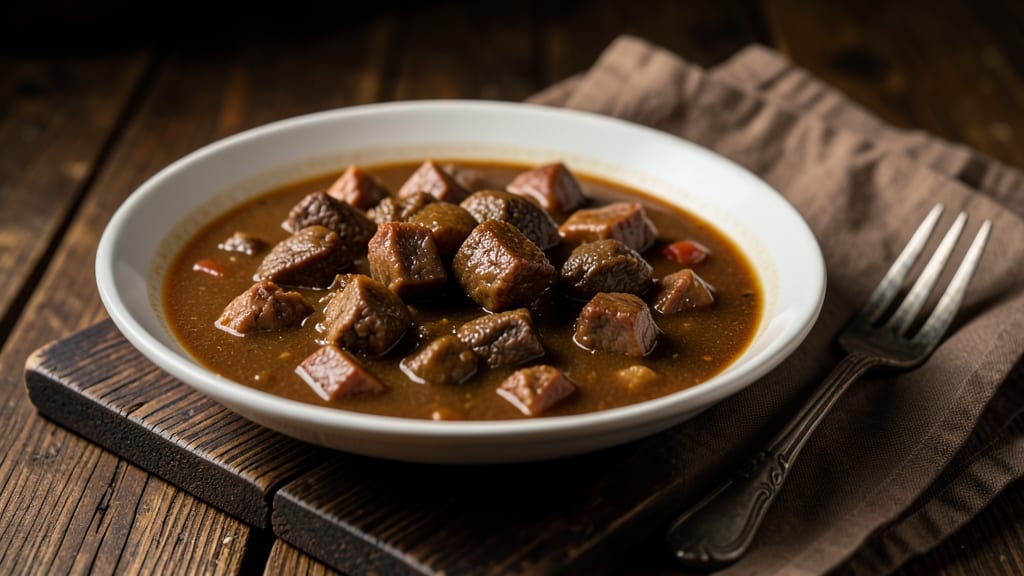
This old-fashioned goulash recipe with beef broth delivers the deep, rich flavors of a classic Hungarian stew in one satisfying pot. The beef broth isn't just a liquid—it's the foundation that builds layers of savory complexity as the meat tenderizes and spices meld together.
After years of perfecting this technique, I've found the key lies in proper browning and slow simmering, which transforms tough beef into melt-in-your-mouth perfection.
The beauty of this recipe is its simplicity combined with professional results. You'll start with searing beef to develop that essential meaty depth, then build flavor through sautéed onions, garlic, and paprika before letting everything simmer in rich beef broth.
The process requires patience, but the reward is a pot that fills your kitchen with aromatic warmth and delivers hearty, restaurant-quality goulash.
By the time you're done, you'll have tender beef chunks swimming in a velvety sauce with just the right balance of paprika's earthy warmth and sour cream's tangy finish.
This is the kind of meal that feels like a hug on a cold day—substantial enough to satisfy a hungry crowd but simple enough for a weeknight dinner. The beef broth ensures every spoonful carries that authentic, deeply savory character that defines classic goulash.
Serve with crusty bread to soak up every last drop of that flavorful sauce, or pair it with buttery dumplings for the full Hungarian experience. The leftovers reheat beautifully, making this an excellent make-ahead option for busy families. Let's create this comforting classic together.
Ingredients for old fashioned goulash recipe with beef broth
A few hearty ingredients transform into a deeply flavorful goulash that tastes like home.
| Ingredient | Amount | Notes |
|---|---|---|
| Beef Chuck Roast 🥩 | 2 ½ lb | Cut into 1.5-inch cubes |
| Yellow Onions 🧅 | 2 whole | Chopped into 1/2-inch pieces |
| Garlic Cloves 🧄 | 4 cloves | Minced for depth of flavor |
| Sweet Paprika 🌶️ | 2 tbsp | Smoked paprika for extra depth |
| Ground Black Pepper 🌶️ | 1 tsp | Freshly cracked for sharpness |
| Salt 🧂 | 1 ½ tsp | Diamond Crystal kosher |
| Beef Broth 💧 | 4 cups | Homemade or high-quality store-bought |
| Tomato Paste 🍅 | 2 tbsp | Squeeze tube preferred for convenience |
| Red Wine 🍷 | 1 cup | Bold dry red like Cabernet Sauvignon |
| Fresh Thyme Leaves 🌿 | ½ cup | Or 1 tbsp dried thyme |
| Bay Leaves 🌿 | 2 whole | Removed before serving |
| Sour Cream 🥛 | ½ cup | Full-fat for creaminess |
| Extra-Virgin Olive Oil 🫒 | 2 tbsp | For searing beef |
| Fresh Parsley 🌿 | ¼ cup | Chopped for garnish |
The beef is the star—chuck roast with good marbling delivers that melt-in-your-mouth texture. Grab it from the butcher counter if possible (they often have it pre-cut), or ask for a 2.5-pound piece to cube yourself. I prefer Costco's pre-cubed chuck for convenience, but any grocery store carries it too. Look for pieces with visible fat—it renders down during cooking and keeps the meat juicy. If you're feeling ambitious, trim any large fat caps before searing. The onions? Yellow onions work best—they caramelize beautifully and won't overpower the beef's natural flavor. Chop them while you're waiting for the beef to brown.
No red wine? Beef broth with 1 tbsp balsamic vinegar works in a pinch—just add it with the tomato paste. Fresh thyme is ideal, but dried thyme at one-third the amount gets you close. The tomato paste can be the squeeze-tube kind from Trader Joe's—it's perfect for this recipe since you only need a little. For the paprika, smoked paprika adds that extra depth, but sweet works too. If you're using pre-cubed beef, pat it dry with paper towels before searing—this ensures a good crust. The sour cream at the end? Full-fat only—it's worth the extra few cents for that velvety finish.
This goulash tastes even better the next day as the flavors meld. Store leftovers in the fridge for up to 5 days, or freeze portions for 3 months. I like to portion it into containers with a scoop of sour cream on top—ready for quick lunches. The beef broth can be made ahead too—simmer beef bones with carrots, celery, and onions for 6-8 hours, then strain. Keep it in the freezer in 1-cup portions for future goulash nights. The fresh herbs? Store them in a jar of water in the fridge—they'll stay fresh for up to a week.
Why You'll Love This Recipe
- One-Pot Magic: I swear by this recipe when I’m too tired to scrub pots. Brown the chuck roast in the same Dutch oven you’ll simmer it in—no extra dishes, just layers of flavor building right in the broth.
- Paprika Kiss: That sweet paprika? It’s the secret weapon. A teaspoon or two turns this humble beef stew into something rich and slightly smoky, like a warm hug in a bowl—especially when it caramelizes at the edges.
- Leftovers That Shine: Between us, my goulash only gets better the next day. The beef gets fork-tender, the onions melt into the broth, and I’ll happily reheat it for lunch—no sad, dry leftovers here.
- Budget Beef Feast: A chuck roast stretches for days, and onions/garlic/paprika cost pennies. This recipe feeds my whole family for under $15, with enough left for takeout containers. (Yes, even on a Tuesday night.)
Step-by-step instructions for old fashioned beef goulash
This one-pot wonder delivers deep, savory flavor through careful layering and slow simmering.
Sear the Beef Chuck Roast for Rich Foundation
Heat a heavy Dutch oven over medium-high heat until hot. Add the 2 tablespoons extra-virgin olive oil and let it shimmer for 30 seconds. Working in batches to avoid crowding, add the 2.5 lb beef chuck roast cut into 1.5-inch cubes, searing each side until deeply browned and crisp in spots—about 3-4 minutes per side.
Here's the thing—don't rush this step. You want that Maillard reaction happening to build maximum flavor. If your pan gets too crowded, reduce the heat slightly to prevent steaming instead of searing. Transfer the browned beef to a plate as you work.
Once all beef is seared, return it to the pot and sprinkle evenly with the 2 tablespoons sweet paprika, 1.5 teaspoons salt, and 1 teaspoon ground black pepper. Toss gently to coat the beef in the spices, letting them cling to those beautiful browned surfaces.
Build the Aromatic Base with Onions and Garlic
Add the 2 whole yellow onions chopped into ½-inch pieces to the Dutch oven. Stir to combine with the beef and sear for 4-5 minutes until the onions begin to soften and caramelize at the edges. This step develops the goulash's signature depth of flavor.
Push the onions to one side of the pot and add the 4 cloves minced garlic cloves. Let them sizzle in the rendered beef fat for 30 seconds until fragrant—don't let them burn, or you'll get bitter notes. Stir to combine with the onions and beef.
Here's where it gets fun—add the 2 tablespoons tomato paste and stir vigorously for 1 minute to create a rich, concentrated base. The tomato paste will deepen the color and add umami complexity that carries through the entire dish. Let it cook for another 30 seconds until it loses its raw taste.
Deglaze and Simmer with Wine and Broth
Pour in the 1 cup red wine and scrape up all those delicious browned bits from the bottom of the pot using a wooden spoon. This deglazing step captures all the flavor you've built so far. Let the wine simmer for 3-4 minutes until reduced by about half, allowing the alcohol to cook off and concentrate the flavors.
Add the 4 cups beef broth, 0.5 cup fresh thyme leaves, and 2 whole bay leaves. Bring the mixture to a gentle boil, then reduce heat to medium-low to maintain a steady simmer. Here's the critical part: cover the pot and let it cook for 1 hour and 15 minutes, stirring occasionally, until the beef is fork-tender and the sauce has thickened slightly.
I know it seems like a long time, but patience is key. The beef should pull apart easily with a fork, and the sauce should coat the back of a spoon. If the sauce reduces too much before the beef is tender, simply add ½ cup hot water to maintain the proper consistency.
Finish with Sour Cream and Fresh Herbs
Once the beef is tender, remove the 2 whole bay leaves and stir in the 0.5 cup sour cream. This step adds a beautiful creamy contrast to the rich, savory base. Simmer gently for 2-3 minutes just until the sour cream is warmed through but not curdled—you should see it thicken slightly but remain silky.
Taste and adjust seasoning if needed. This is your chance to balance the flavors—add a pinch more salt if the dish tastes flat, or a crack of black pepper if it needs more heat. The goulash should be rich, slightly sweet from the caramelized onions, and deeply savory from the beef and broth.
Remove from heat and let it rest for 5 minutes to allow the flavors to meld. Stir in the 0.25 cup chopped fresh parsley just before serving. The parsley adds a bright, fresh note that cuts through the richness and makes the dish visually appealing.
Serve with Crusty Bread for Perfect Pairing
Ladle the goulash into warm bowls and serve immediately with crusty bread for soaking up every last drop of that delicious sauce. The contrast between the tender beef, creamy sauce, and crusty bread makes this old-fashioned goulash a true comfort food masterpiece.
Real talk: this dish tastes even better the next day as the flavors continue to develop. Store leftovers in an airtight container in the refrigerator for up to 3 days, or freeze for up to 3 months. The beef will continue to tenderize, making each bite more flavorful with time.
Pro Tips For Making Old Fashioned Goulash Recipe With Beef Broth
- Sear in Batches: I learned this the hard way—crowding the beef in the Dutch oven turns searing into steaming. Work in batches, even if it takes a little longer, so each piece gets that deep golden crust. The flavor difference is night and day.
- Caramelize Those Onions: Don’t just soften the onions—let them actually brown at the edges for 4-5 minutes. That caramelization turns sweet and adds a depth that plain cooking misses. (Yes, even if it looks messy.)
- Don’t Rush the Wine: Let the red wine reduce by half—about 3-4 minutes—before adding the broth. Skipping this step leaves the sauce thin and the alcohol flavor too sharp. Patience here makes all the difference in the final richness.
- Stir the Sour Cream Gently: When adding the sour cream, simmer it just until it’s warmed through—no boiling. Stir in slow circles to avoid curdling, and keep the heat low. One overzealous stir can turn creamy into lumpy, and nobody wants that.
Regional styles of this dish
Hungarian Heartland
This goulash traces its roots to Hungary's Great Plains, where hearty stews were essential for surviving harsh winters. The original version relied on whatever meat was available—beef, pork, or even game—simmered with onions, paprika, and spices.
I love how the beef broth in this recipe mirrors the traditional approach, using whatever rich, homemade stock you have on hand. The key Hungarian touch? Sweet paprika—don't substitute with cayenne or smoked paprika, as the authentic flavor comes from Hungary's Kecskemét variety. 🌶️
In rural Hungarian households, goulash was often cooked in a cast-iron pot over an open fire, allowing the flavors to develop slowly. The dish was typically served with nokedli (Hungarian egg dumplings) or crusty bread.
For an authentic touch, try serving with Lángos, a deep-fried dough topped with sour cream and garlic. The contrast between the crispy dough and rich goulash is pure comfort food magic.
Austrian Influence
As goulash spread across Central Europe, it absorbed regional influences. In Austria, cooks often added carrots and celery to the base for extra depth, creating a version that's slightly sweeter and more aromatic.
I recommend adding ½ cup diced carrots and ½ cup chopped celery when sautéing the onions for this Austrian-inspired twist. The vegetables add natural sweetness that balances the richness of the beef broth beautifully.
Austrian goulash also frequently includes apples or prunes for a subtle sweetness. Try adding ½ cup diced tart apples (like Granny Smith) during the final 10 minutes of simmering. The acidity cuts through the fat, creating a more complex flavor profile.
This variation works especially well if you prefer your goulash with a touch of brightness rather than heavy creaminess.
Slovakian Twist
Slovakia's version of goulash often incorporates potatoes directly into the stew, turning it into a complete one-pot meal. For this adaptation, add 1.5 lbs baby potatoes, halved, along with the beef broth.
The potatoes absorb the rich flavors while adding a satisfying heartiness. I find this works particularly well when serving to a crowd—everyone gets a balanced bite with meat, potatoes, and sauce.
Slovakian cooks also frequently use sauerkraut as a garnish or even incorporate it into the stew. Add 1 cup chopped sauerkraut during the last 20 minutes of cooking to let its tangy flavor meld with the beef.
The acidity from the sauerkraut helps cut through the richness, creating a perfect balance. This variation adds a probiotic boost and makes the goulash feel even more substantial.
Romanian Paprika Power
Romania takes goulash to another level by using Ardeal paprika, a spicier variety that adds both color and heat. For this version, replace the sweet paprika with 1 tbsp sweet paprika and 1 tsp Ardeal paprika (available at specialty stores or online).
The extra heat complements the beef broth's depth while adding a smoky character that's distinctly Romanian. Look for Paprika Shop or Kalustyan's for authentic imports.
Romanian goulash often includes bell peppers for added sweetness and texture. Sauté 1 red bell pepper, diced, along with the onions for a vibrant color and slightly sweet contrast. The peppers caramelize beautifully in the beef fat, adding another layer of complexity to the dish.
This variation works especially well when served with polenta instead of bread, as the Italian staple pairs perfectly with the Romanian spices.
Modern American Adaptation
In the US, goulash became a staple in home cooking during the early 20th century, often served as a quick weeknight meal. The American version frequently includes tomato sauce instead of paste, creating a slightly sweeter, more approachable flavor.
For this adaptation, replace the tomato paste with 1 cup tomato sauce (like Rao's) and add it with the wine. The extra liquid helps create a thicker, more familiar sauce that's perfect for picky eaters.
Modern American goulash often gets a finishing touch of shredded cheese on top, particularly cheddar or Monterey Jack. Sprinkle ½ cup shredded cheese over the goulash just before serving and let it melt slightly from the residual heat.
This addition makes the dish feel extra indulgent while keeping the traditional flavors intact. It's also a great way to get kids to try this classic comfort food—just call it "cheesy beef stew"! 🧀
Nutrition facts
Frequently asked questions
Can I substitute beef broth with another liquid?
While beef broth is essential for authentic flavor, you can use a mix of 4 cups water and 2 tbsp Worcestershire sauce in a pinch. For depth, add 1 tbsp soy sauce and 1 tsp beef bouillon powder to mimic the umami richness. Avoid vegetable broth—it lacks the meaty base that defines this dish.
Why does my goulash sauce turn out watery?
Watery sauce usually means the beef wasn't cooked long enough or the broth wasn't reduced properly. After adding the 4 cups beef broth, simmer uncovered for the last 10-15 minutes to thicken naturally. If needed, mix 1 tbsp cornstarch with 2 tbsp cold water, stir into the sauce, and simmer until thickened.
What's the best way to reheat leftovers?
Reheat goulash gently on the stove over low heat with a splash of beef broth or water to prevent drying. Stir occasionally and simmer for 5-7 minutes until warmed through. Avoid microwaving—it makes the sauce rubbery. For extra richness, add a dollop of sour cream when serving.
Can I make this goulash in a slow cooker?
Sear the beef and build the base as directed, then transfer everything to the slow cooker. Add the 4 cups beef broth, red wine, and spices. Cook on low for 6-7 hours or high for 3-4 hours. The slow cooker's gentle heat ensures tender beef without overcooking. Stir in the sour cream just before serving to prevent curdling.
How do I know when the beef is fully tender?
The beef is done when it easily pulls apart with a fork and the edges are soft. For 1.5-inch cubes, this typically takes 1 hour and 15 minutes of simmering. Test a piece—it should feel tender like pulled pork, not chewy. If it's still firm after the full time, add ½ cup more broth and cook another 20-30 minutes.