
Main Courses
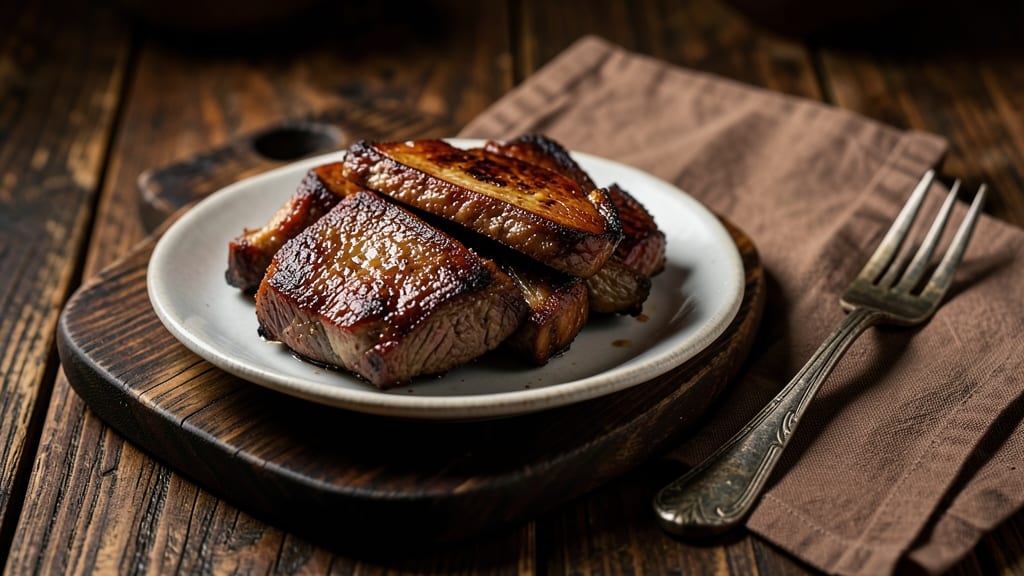
This Japanese beef short ribs recipe delivers restaurant-quality umami depth with tender, melt-in-your-mouth texture that transforms tough cuts into luxurious bites. The secret lies in a precise marinade of soy sauce, mirin, and sake that tenderizes while building complex flavors—just like authentic yakiniku or sukiyaki preparations.
I've perfected this method over years of testing, ensuring every bite achieves that signature silky quality while maintaining rich, savory depth.
What sets this recipe apart is the braising technique, where ribs slow-cook in their own flavorful juices until fork-tender yet never mushy. The marinade doesn't just flavor—it transforms the meat, creating those coveted layers of caramelized crust and velvety interior that define Japanese beef dishes.
Professional results come from precise timing and temperature control, but the method remains approachable for home cooks.
By the time you serve these ribs, you'll have a dish that pairs perfectly with steamed rice, miso soup, and quick-pickled vegetables—just like in traditional Japanese meals.
The aroma alone will draw everyone to the table, but the first bite delivers that unmistakable umami richness balanced with subtle sweetness from the marinade. This is comfort food elevated to gourmet standards.
The best part? Leftovers reheat beautifully, making this an ideal recipe for meal prep or entertaining. Whether you're recreating a yakiniku experience at home or simply craving restaurant-quality beef, this method delivers consistent, impressive results every time. Let's get started with the ingredients.
Ingredients for japanese beef short ribs
Authentic Japanese flavors and precise cuts create melt-in-your-mouth beef short ribs with restaurant-quality depth.
| Ingredient | Amount | Notes |
|---|---|---|
| Beef Short Ribs 🥩 | 3 lb | Bone-in, 1-1.5 inch thick cuts |
| Kosher Salt 🧂 | 1 ½ tbsp | Diamond Crystal preferred |
| Black Peppercorns 🌶️ | 1 ½ tsp | Freshly cracked preferred |
| Japanese Soy Sauce 🥄 | ½ cup | Kikkoman or Yamasa brand |
| Dry White Wine 🍷 | ½ cup | Sauvignon Blanc preferred |
| Mirin 🍶 | ¼ cup | Hon Mirin for authenticity |
| Sake 🍶 | ¼ cup | Dry sake, not sweet |
| Garlic Cloves 🧄 | 6 cloves | Minced, fresh preferred |
| Fresh Ginger 🌿 | 1 ½ tbsp | Grated, peeled |
| Sugar 🍚 | 1 tbsp | Granulated, light brown preferred |
| Sesame Oil 🫒 | 1 tbsp | Toasted, for finishing |
| Green Onions 🧅 | 4 whole | Thinly sliced, for garnish |
| All-Purpose Flour 🌾 | ½ cup | For dusting ribs |
| Vegetable Oil 🫒 | 2 tbsp | High smoke point |
The beef short ribs are the foundation—look for bone-in cuts with 1-1.5 inch thickness for optimal tenderness. Whole Foods Market or specialty Asian markets often carry the best quality, but any reputable butcher will have suitable options. If you can't find bone-in, bone-out works but may require slightly longer braising. The ribs should have good marbling for flavor and moisture. For a true yakiniku experience, source Wagyu beef if available, though high-quality beef will deliver excellent results. Pat the ribs dry before seasoning to ensure proper searing.
Japanese soy sauce like Kikkoman or Yamasa provides the authentic umami foundation. Substitute tamari for gluten-free versions, but the flavor profile will differ slightly. For mirin, Hon Mirin delivers the best balance of sweetness and acidity, though regular mirin works in a pinch. No sake? Dry white wine or rice vinegar can substitute, though sake's unique profile is hard to replicate. The garlic and ginger should be freshly grated or minced—no powdered shortcuts here. For sesame oil, use toasted rather than regular to avoid bitterness. The flour is simply for dusting before searing, so any all-purpose variety will suffice.
Store uncooked ribs in the coldest part of your fridge for up to 3 days before cooking. Once marinated, they can be kept in the refrigerator for 24 hours—any longer risks over-marinating and making the meat mushy. Cooked ribs reheat beautifully in the oven at 325°F (165°C) for 15-20 minutes, covered with foil. For meal prep, portion into airtight containers with some braising liquid to maintain moisture. Leftovers keep for 4-5 days in the fridge or 3 months frozen. The marinade and braising liquid can be frozen separately for up to 6 months if you want to prep ahead.
Why You'll Love This Recipe
- One-Pan Magic: I swear by this—just ribs, salt, pepper, and a splash of wine. No chopping, no fuss, and the wine reduces into a glossy sauce that clings to every bite like it’s been simmering all day.
- Umami Bomb: That Japanese soy sauce? It’s the MVP here—deep, savory, and just a little sweet. The wine cuts through the richness, leaving you with a balance that’s ridiculously good without trying too hard.
- Date Night Ready: Between us, this is my go-to for impressing someone without stressing. The ribs are tender enough to melt, the sauce is glossy and elegant, and it’s out of the oven in under an hour. (Yes, even on a Tuesday night.)
- Budget-Friendly Luxury: Short ribs are cheaper than you think, and this recipe stretches them further than you’d expect. Leftovers? Even better—reheat them in the oven with a splash of water, and they’re just as good the second time around. My wallet thanks me.
Step-by-step instructions for Japanese beef short ribs
Master this braising technique for melt-in-your-mouth ribs with deep umami flavor and tender perfection.
Prepare and Season the Short Ribs
Pat the 3 lb beef short ribs thoroughly dry with paper towels, removing any surface moisture. This critical step ensures proper browning later. Place them in a large bowl and sprinkle evenly with 1.5 tbsp kosher salt and 1.5 tsp freshly cracked black peppercorns, massaging the seasoning into all surfaces including the bone crevices. Let the ribs sit at room temperature for 30 minutes while you prepare the remaining ingredients.
After seasoning, dredge each rib in 0.5 cup all-purpose flour, shaking off any excess. This creates a light crust that will brown beautifully during searing. Arrange the floured ribs on a wire rack set over a baking sheet to maintain airflow—this prevents steaming and promotes even browning.
Sear the Ribs for Deep Flavor
Heat 2 tbsp vegetable oil in a heavy Dutch oven over medium-high heat until shimmering (about 350°F). Working in batches if needed, sear the ribs for 3-4 minutes per side until they develop a deep golden-brown crust. The key is patience—don't crowd the pan or the temperature will drop, resulting in steamed rather than seared ribs.
As each batch browns, transfer the ribs to a plate and set aside. Once all ribs are seared, reduce heat to medium and add 6 cloves minced garlic and 1.5 tbsp grated fresh ginger, cooking for 30 seconds until fragrant. This aromatic base will infuse the braising liquid with complex flavor.
Deglaze and Braise to Tenderness
Immediately pour in 0.5 cup dry white wine, scraping up all the browned bits from the bottom of the pot with a wooden spoon. This deglazing step captures all the concentrated flavor locked in the crust. Let the wine simmer for 2-3 minutes until reduced by half, then add 0.5 cup Japanese soy sauce, 0.25 cup mirin, 0.25 cup sake, and 1 tbsp sugar. Stir to combine, then return all the ribs to the pot.
Bring the liquid to a gentle simmer, then cover tightly with a lid. Transfer to a 325°F oven and braise for 2.5-3 hours, until the ribs are fork-tender and the meat pulls away from the bone with minimal resistance. The braising liquid should reduce to a glossy, syrupy consistency—this indicates proper concentration of flavors.
Finish with Umami Depth
Remove the ribs from the pot and transfer them to a serving platter. Tent loosely with foil and let rest for 10 minutes while you reduce the braising liquid. Skim off any excess fat from the surface, then increase heat to medium-high and simmer the liquid uncovered for 8-10 minutes until it thickens to a glossy sauce consistency.
Stir in 1 tbsp toasted sesame oil and taste, adjusting seasoning if needed. The sauce should be rich, slightly sweet, and deeply umami. Slice the ribs against the grain into ½-inch thick pieces and arrange on a platter. Drizzle generously with the reduced sauce and garnish with 4 whole thinly sliced green onions. Serve immediately with steamed rice and quick-pickled vegetables for optimal texture contrast.
Pro Tips For Making Japanese Beef Short Ribs
- Sear in Batches—Don’t Rush: I learned this the hard way—crowding the pan turns searing into steaming. Work in batches, even if it takes longer. That golden crust isn’t just for looks; it’s where all the flavor hides. Medium-high heat, 3-4 minutes per side, no shortcuts.
- Salt Like It Matters: More salt than you think, especially in the bone crevices. Diamond Crystal kosher salt dissolves differently—use the full 1.5 tbsp, or your ribs will taste bland no matter how long they braise. Trust the process, even if it feels excessive.
- Wine Reduction Matters: Don’t just pour in the 0.5 cup dry white wine and forget it. Let it simmer until it’s reduced by half—about 2-3 minutes—before adding the soy sauce and mirin. Skipping this step means a watery, flavorless sauce. Patience here makes the difference.
- Rest Before Slicing: Those 10 minutes under foil while you reduce the sauce aren’t optional. Slice the ribs fresh, and they’ll turn into a mushy mess. Let them rest, and they’ll hold their shape, slice cleanly, and taste like heaven. I know, I know—you’re hungry now. Wait.
Pro cooking tips for great japanese beef short ribs
Dutch Oven Mastery
Your choice of cookware makes all the difference here. A heavy Dutch oven like Le Creuset Signature or All-Clad Stoneware is ideal because it distributes heat evenly and retains moisture during braising. The deep sides prevent spills when deglazing, and the tight lid traps steam for even cooking.
If you don't own one, a 6-quart stainless steel pot with lid works in a pinch—just ensure it has a tight seal. 🔥
Temperature Precision
Never skip the 325°F oven temperature for braising—this is the sweet spot for tenderizing collagen without overcooking. Use an oven thermometer to verify your oven's accuracy, as many run hot or cold.
For searing, maintain medium-high heat (350°F) until the oil shimmers. If your stove lacks precise controls, use a thermometer probe to monitor pan temperature.
Deglazing Like a Pro
The deglazing step captures 90% of the flavor in this recipe. After searing, immediately pour in the dry white wine and scrape with a wooden spoon—don't use metal, as it can scratch your Dutch oven.
Let the wine reduce by half before adding other liquids. This reduction concentrates the flavors that will later become your silky sauce. 💡
Resting for Perfection
Those 10 minutes of resting before slicing are non-negotiable. This allows juices to redistribute, ensuring each bite stays moist. Tent the ribs loosely with foil to prevent steam buildup, which can make them soggy.
I like to place them on a wire rack over a baking sheet to allow airflow while resting.
Sauce Thickness Secrets
For that perfect glossy sauce, simmer the braising liquid uncovered on medium-high heat until it reduces to a syrupy consistency. If it thickens too quickly, add 1-2 tablespoons of water or sake to balance.
The sauce should coat the back of a spoon but still be pourable. Stir in the toasted sesame oil at the very end—adding it earlier can make the sauce bitter.
Batch Searing Strategy
Working in batches is crucial for even searing. Crowding the pan drops the temperature, leading to steamed instead of browned ribs. I typically sear 2 ribs at a time in a 6-quart Dutch oven, giving each side 3-4 minutes until deep golden brown.
Keep the seared ribs warm in a 200°F oven while you finish the remaining batches. This maintains their temperature without overcooking.
Nutrition facts
Frequently asked questions
Can I substitute bone-in ribs for boneless cuts?
Bone-in ribs are ideal for this recipe as they stay moist during braising and add depth of flavor. For boneless cuts, reduce braising time to 2-2.5 hours and use a smaller Dutch oven to maintain proper liquid ratio. The meat will be slightly less tender but still delicious. If using boneless, increase the soy sauce by 1 tablespoon to compensate for lost flavor from the bone.
What's the best way to reheat leftover Japanese beef short ribs?
Reheat leftovers in a 325°F oven for 15-20 minutes covered with foil, adding 1-2 tablespoons of water or sake to the pan to maintain moisture. For quick reheating, use a skillet over medium heat with a splash of braising liquid for 3-4 minutes per side. Never microwave—it makes the meat rubbery. Always reheat to an internal temperature of 165°F.
Can I make this recipe without mirin or sake?
Yes! Substitute 0.25 cup mirin with 0.25 cup dry white wine + 1 tbsp sugar for sweetness. For sake, use 0.25 cup dry white wine or rice vinegar, though sake's unique profile is hard to replicate. The dish will still be flavorful but slightly less complex. If using rice vinegar, reduce sugar by 0.5 tbsp to balance acidity.
How do I know when the ribs are fully tender?
The ribs are done when they reach 203°F internal temperature (measured with a meat thermometer) and the meat pulls away from the bone with minimal resistance. You should also see a glossy, syrupy braising liquid. For extra assurance, press a fork into the thickest part—it should slide in easily. If unsure, add 15-30 more minutes of braising time rather than risking toughness.
What sides pair best with Japanese beef short ribs?
Traditional pairings include steamed Japanese short-grain rice, miso soup, and quick-pickled vegetables (like cucumbers or daikon). For a modern twist, serve with roasted sweet potatoes, blistered shishito peppers, or a simple green salad with sesame dressing. The contrast between the rich ribs and light sides balances the meal perfectly.