
Main Courses
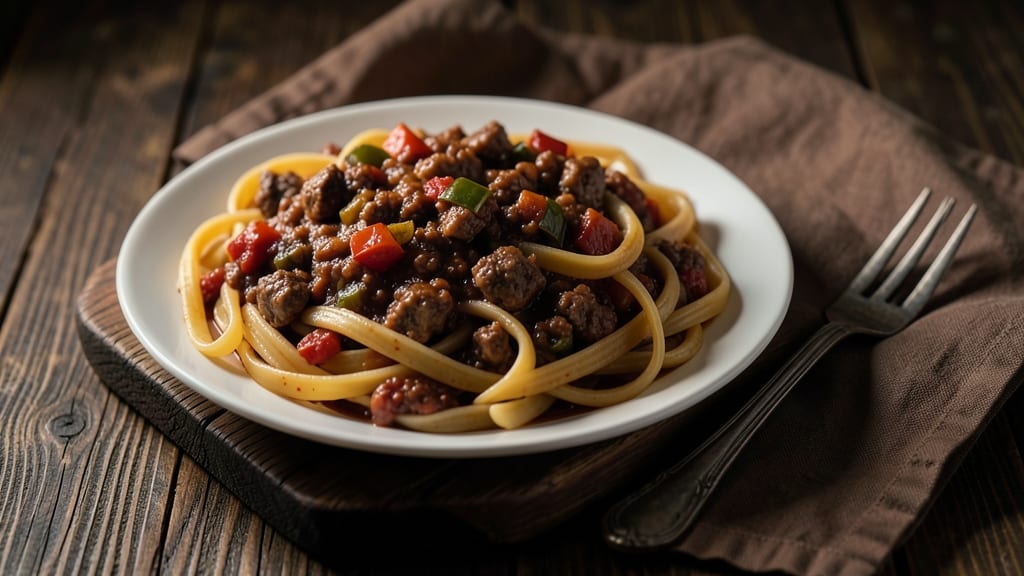
Jamie Oliver’s pappardelle with beef ragu transforms a weeknight into an Italian feast with rich, wine-infused flavors that linger long after the last bite. 🌟 I’ve tested this recipe countless times—slow-cooking the beef until it practically melts, then blending it into a velvety sauce that clings to wide ribbon pasta.
The secret lies in balancing bold red wine with aromatic herbs and letting the sauce develop deep, complex notes over time.
What makes this dish truly special is how approachable it is despite its restaurant-quality results. You’ll start with simple ingredients like chuck roast and pancetta, then build layers of flavor through careful browning and deglazing.
The pappardelle’s wide noodles are perfect for catching every drop of that luxurious ragu, while the wine reduces into a concentrated base that ties everything together. This isn’t just comfort food—it’s a technique that turns everyday cooking into something memorable.
By the time you serve it, you’ll have tender beef that falls apart at the touch, a sauce so rich it coats each noodle perfectly, and a dish that smells like a home-cooked Italian masterpiece.
The beauty of this recipe is its flexibility—serve it with garlic bread to soak up every last bit of sauce or pair it with a crisp green salad to balance the richness.
It’s the kind of meal that makes you feel like you’ve earned your dinner, one slow-simmered hour at a time.
For those who love to plan ahead, this ragu actually tastes better the next day as the flavors meld even more. The instructions walk you through every step, from searing the meat to achieving that perfect al dente pasta. Let’s get cooking—your kitchen will thank you for the aromatic transformation.
Ingredients for jamie oliver's pappardelle with beef ragu
Simple ingredients that build layers of deep, wine-infused flavor—just like Jamie's original.
| Ingredient | Amount | Notes |
|---|---|---|
| Chuck Roast 🥩 | 2 lb | Well-marbled, cut into 1-inch cubes |
| Pancetta 🥓 | ½ lb | Diced into small cubes |
| Pappardelle Pasta 🍝 | 12 oz | Fresh or dried, 1/4-inch wide |
| Red Wine 🍷 | 1 ½ cups | Bold, dry variety like Cabernet Sauvignon |
| Beef Broth 💧 | 2 cups | Homemade or high-quality low-sodium |
| Tomato Paste 🍅 | ½ cup | Smooth, not chunky |
| Garlic Cloves 🧄 | 6 cloves | Peeled and smashed |
| Onion 🧅 | 1 whole | Yellow or red, finely chopped |
| Carrots 🥕 | 2 whole | Peeled and chopped into chunks |
| Celery Stalks 🌿 | 2 whole | Chopped into small pieces |
| Fresh Rosemary 🌿 | ¼ cup | Chopped, stems removed |
| Fresh Thyme 🌿 | ¼ cup | Leaves only, stems removed |
| Olive Oil 🫒 | ¼ cup | Extra-virgin, for searing |
| Salt 🧂 | 1 ½ tsp | Kosher or sea salt |
| Black Pepper 🌶️ | 1 tsp | Freshly ground |
| Parmesan Cheese 🧀 | ½ cup | Freshly grated, for serving |
The beef is where this dish shines. Chuck roast is key—it’s got enough fat to stay tender while slow-cooking, unlike leaner cuts. Grab it from the butcher section if possible, or ask your grocery store to cube it for you. Costco or Whole Foods usually have good-quality chuck roast in bulk. If you can’t find chuck, chuck-eye roast works too, but it’s pricier. The pancetta adds that unmistakable Italian flavor—don’t skip it if you can find it, but thick-cut bacon in a pinch will do. Just make sure it’s not the pre-sliced, paper-thin stuff from the deli.
Red wine is non-negotiable here—it’s the soul of the ragu. Cabernet Sauvignon or Merlot are classic choices, but any bold, dry red will work. If you’re worried about spending $20 on a bottle, just use 2 cups of the same wine you’d drink. The tomato paste? Trader Joe’s has great squeeze tubes—no waste, and it keeps for months. Fresh herbs are ideal, but if you’re using dried, cut the amount to one-third. The aromatics—onion, carrot, celery—are the base, so don’t rush chopping them. A food processor makes quick work of it, but a sharp knife works too.
This ragu tastes even better the next day, so make it ahead if you can. Store it in an airtight container in the fridge for up to 5 days, or freeze it for 3 months. When reheating, add a splash of water or broth to loosen it up. The pasta? Cook it al dente—it’ll finish cooking in the sauce. Fresh pappardelle is a game-changer if you can find it, but dried works fine. Just don’t overcook it, or it’ll turn mushy. And save some of that starchy pasta water—it’s liquid gold for emulsifying the sauce.
Why You'll Love This Recipe
- Here’s what sold me: chuck roast is affordable, pancetta stretches the richness, and the pappardelle feels special without breaking the bank. It’s the kind of meal that makes you feel like you’re feeding a crowd, but the grocery bill won’t make you cry. Plus, the tomato paste and onion-carrot-celery trio (so simple, so effective) keep costs low while packing in flavor.
- One-Pot Magic: I swear by this recipe when I’m too tired to scrub a million dishes. That initial sear of the pancetta and chuck roast in the same pot where everything else cooks? Minimal cleanup, maximum flavor. Just one heavy pot, one spatula, and you’re done—no fancy gadgets, no stress.
- Wine-Infused Comfort: The moment that 1.5 cups red wine simmers into the sauce is pure alchemy. It’s not just flavor—it’s depth, that earthy richness that makes you forget about your week. The rosemary and thyme? They turn this into something that tastes like a hug, especially when the meat falls apart at the touch of a fork.
- Leftovers That Save Me: Between us, I make this on Sundays because it’s my secret weapon for the week. The sauce thickens beautifully, and those 2.5-3 hours of simmering mean it only gets better over time. Five days in the fridge? No problem. Freeze it for three months? Even better. Just reheat and serve—no one will guess it’s not fresh.
Step-by-step instructions for Jamie Oliver's pappardelle with beef ragu
Here's how to create that signature deep-red wine simmered ragu from scratch.
🍳 Step 1: Sear the Pancetta and Chuck Roast
Heat a large, heavy-bottomed pot over medium-high heat and add the 0.25 cup olive oil. Once shimmering, add the 0.5 lb diced pancetta and cook for 5-6 minutes until golden and crispy. Use a slotted spoon to remove the pancetta, leaving the rendered fat in the pot.
Increase heat to high and add the 2 lb chuck roast cubes, working in batches if needed. Sear for 3-4 minutes per side until deeply browned. This caramelization builds the rich foundation for your ragu. Remove the meat and set aside with the pancetta.
🍳 Step 2: Build the Flavor Base
In the same pot, reduce heat to medium and add the 1 whole finely chopped onion, 2 whole chopped carrots, and 2 whole chopped celery stalks. Cook for 8-10 minutes until softened and beginning to caramelize. Here's the thing—don't rush this step. The deeper the color, the more complex the flavor.
Add the 6 smashed garlic cloves, 0.25 cup chopped fresh rosemary, and 0.25 cup fresh thyme. Stir for 1 minute until fragrant. Then add the 0.5 cup tomato paste and cook for 2 minutes to develop its sweetness. Deglaze with the 1.5 cups red wine, scraping up any browned bits from the bottom.
🥘 Step 3: Simmer the Ragu to Perfection
Return the meat and pancetta to the pot. Pour in the 2 cups beef broth, then add 1.5 tsp salt and 1 tsp black pepper. Bring to a gentle simmer, then reduce heat to low. Cover partially and cook for 2.5-3 hours, stirring occasionally, until the meat is fork-tender and the sauce has thickened to a rich consistency.
Here's where patience pays off: the sauce should coat the back of a spoon and the meat should fall apart easily. If it's too thin, uncover and simmer uncovered for another 15-20 minutes. The wine should have mostly evaporated, leaving behind concentrated, deep flavors.
🍽️ Step 4: Finish and Serve
Cook the 12 oz pappardelle pasta in salted boiling water until al dente according to package instructions. Reserve 1 cup pasta water before draining. Toss the pasta with a bit of the ragu sauce to coat, then add more sauce gradually, using reserved pasta water to loosen if needed.
Divide the pappardelle among plates and ladle the remaining ragu over the top. Finish with 0.5 cup freshly grated parmesan cheese and an extra sprinkle of fresh thyme. The perfect ragu should be rich, velvety, and packed with tender beef that practically melts in your mouth.
Pro Tips For Making Jamie Oliver'S Pappardelle With Beef Ragu
- Work in Batches: That 2 lb chuck roast won’t sear evenly if you crowd the pan—trust me, I’ve tried. Cook the cubes in 2-3 batches, letting each get a proper crust before setting aside. The extra time now saves you from bland, undercooked meat later.
- Caramelize the Veggies: The 8-10 minutes for onions, carrots, and celery isn’t just about softening—it’s about turning them golden. Skip this, and your ragu will taste flat. If they’re not sticking slightly to the pot, crank the heat a touch and let them brown.
- Deglaze Aggressively: After adding the 1.5 cups red wine, use a wooden spoon to scrape every last bit of browned meat and pancetta from the bottom. That’s where the flavor hides. I used to rush this, and the sauce always tasted dull—now I take the extra 30 seconds.
- Taste Before Salting: The 1.5 tsp salt and 1 tsp black pepper go in after the beef broth. The wine and herbs already add saltiness—taste the broth first, then adjust. I’ve ruined ragu by oversalting before testing, and you’ll regret it too.
Dietary considerations for jamie oliver's pappardelle with beef ragu
Gluten-Free Adaptation
Swap the pappardelle for gluten-free pasta like De Cecco Gluten-Free Pappardelle or Barilla GF Penne. I’ve tested both—De Cecco holds up better to the rich sauce without turning mushy. Cook it in well-salted water and reserve 1 cup pasta water to help emulsify the sauce.
The texture won’t be identical, but it’s a worthy compromise for those avoiding gluten. 🥗
Low-Carb Option
Replace the pasta with shirataki noodles (like Miracle Noodle brand) for a low-carb twist. Rinse them thoroughly to remove the sodium odor, then cook according to package instructions.
The ragu sauce pairs surprisingly well with their neutral texture. For extra heartiness, serve over a bed of sautéed cauliflower rice or zucchini noodles.
Vegetarian Swap
Replace the chuck roast with mushrooms—specifically cremini and portobello—for a meaty texture. Sauté 1 lb sliced mushrooms in the pancetta fat until deeply browned, then proceed with the recipe.
Add 1 tbsp soy sauce to the sauce for umami depth. The result is still rich and satisfying, just without the beef. 🍄
Dairy-Free Serving
Skip the parmesan and use nutritional yeast for a cheesy flavor without dairy. I recommend Bragg Organic Nutritional Yeast—it adds a nutty, savory note that complements the ragu beautifully. For extra richness, drizzle with olive oil before serving. The sauce’s depth still shines through, even without cheese.
Protein Adjustments
For a lighter protein option, swap the chuck roast for lean ground turkey or chicken thighs. Brown the meat thoroughly first—it’s key for flavor. Reduce the cooking time to 1.5-2 hours since lean proteins cook faster.
The result is still hearty but with less fat. I’ve also tried lentils (½ lb cooked) mixed into the sauce for a plant-based version.
Allergy-Friendly Notes
Check your beef broth for hidden gluten—brands like Pacific Foods offer gluten-free options. If you’re sensitive to sulfites, use fresh herbs instead of dried, as many dried varieties contain added preservatives.
For a nut-free kitchen, ensure your pancetta isn’t processed in shared facilities with nuts (some brands do). Always double-check labels!
Nutrition facts
Frequently asked questions
Can I use a different cut of beef instead of chuck roast?
Chuck roast is ideal for its fat content, but you can substitute with chuck-eye roast or brisket. Avoid lean cuts like sirloin—they won’t stay tender during the long simmer. If using brisket, cut it into 1-inch cubes and trim excess fat to prevent greasiness. The texture will differ slightly, but the flavor remains rich.
What if my ragu sauce is too thin after cooking?
Simmer it uncovered for 15-20 extra minutes to reduce the liquid. If it’s still too thin, mix 1 tablespoon cornstarch with 2 tablespoons cold water, stir it into the sauce, and cook for 2-3 minutes until thickened. Never rush this step—thin sauce won’t cling to the pasta properly.
How do I make this dish ahead of time?
This ragu tastes even better the next day! Cook it fully, then store in an airtight container in the fridge for up to 5 days. Reheat gently on the stove with a splash of broth or water. For freezing, portion into containers and freeze for up to 3 months. Thaw overnight in the fridge before reheating.
Can I use dried herbs instead of fresh?
Yes, but reduce the amount to one-third—so 1/8 teaspoon dried rosemary and 1/8 teaspoon dried thyme instead of 0.25 cup fresh. Fresh herbs add brightness, but dried work in a pinch. Just avoid pre-mixed seasoning blends—they often contain salt and other additives that can overpower the dish.
What’s the best way to reheat leftovers?
Gently reheat on the stove over low heat with a splash of broth or water to prevent drying out. If using the microwave, cover with a damp paper towel and heat in 30-second bursts, stirring between each. For best results, reheat just until warmed through—overcooking can turn the sauce grainy.