
Main Courses
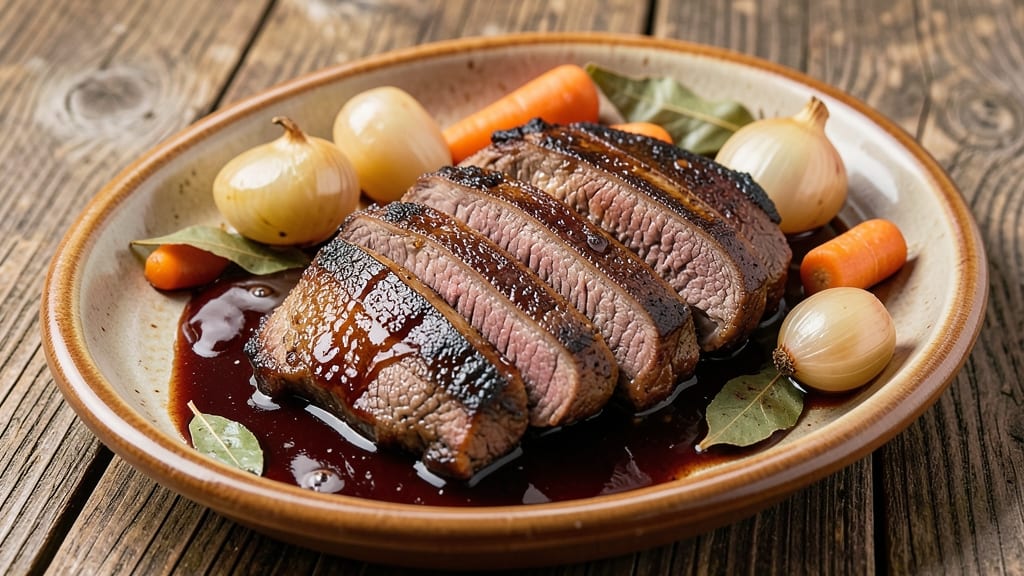
This Guinness stout corned beef recipe transforms a classic into something deeply rich and complex—where the deep maltiness of the stout infuses every bite. The marriage of slow-braised beef and dark beer creates a dish that’s both hearty and refined, perfect for special occasions or weekend meals.
I’ve perfected this method over years of testing, ensuring the meat stays tender while absorbing the stout’s caramelized depth.
The process begins with a 3-day cure using traditional corned beef spices, then a long braise in Guinness that reduces into a velvety, slightly sweet glaze.
This isn’t just corned beef—it’s a showstopping centerpiece with layers of flavor that pair beautifully with crisp cabbage, buttery mashed potatoes, or even a simple green salad. The stout’s bitterness balances the saltiness, while its roasted malt notes add unexpected complexity.
By the time you slice into this restaurant-quality centerpiece, you’ll have perfectly tender beef that falls apart with just a fork, coated in a glossy, beer-infused reduction.
The aroma alone—warm spices mingling with caramelized malt—will have everyone at the table anticipating the first bite. This is comfort food elevated, where tradition meets modern technique.
Serve with classic sides or experiment with modern pairings like roasted root vegetables or a bright horseradish cream. The recipe scales effortlessly, making it ideal for gatherings or meal prep. Let’s get started on creating a dish that feels like a celebration every time.
Ingredients for guinness stout corned beef
A symphony of rich flavors where Guinness stout transforms corned beef into a velvety, restaurant-quality centerpiece.
| Ingredient | Amount | Notes |
|---|---|---|
| Beef Brisket 🥩 | 4 lb | Whole packer cut, trimmed of excess fat |
| Guinness Stout 🍺 | 2 bottles | 12 fl oz each, chilled |
| Yellow Mustard 🥬 | ½ cup | Dijon preferred for depth |
| Brown Sugar 🍯 | ½ cup | Light or dark, packed |
| Kosher Salt 🧂 | ½ cup | Diamond Crystal preferred |
| Black Peppercorns 🌶️ | 2 tbsp | Freshly cracked, coarse |
| Garlic Cloves 🧄 | 6 whole | Peeled, smashed |
| Bay Leaves 🌿 | 4 whole | Fresh preferred |
| Onions 🧅 | 2 whole | Yellow, peeled, halved |
| Carrots 🥕 | 4 whole | Whole, scrubbed |
| Beef Broth 💧 | 2 cups | Low-sodium, homemade preferred |
| Olive Oil 🫒 | 2 tbsp | Extra-virgin for high heat |
| Fresh Thyme 🌿 | 2 sprigs | Stems removed |
| Allspice Berries 🌶️ | 4 whole | Crushed lightly |
| Cloves 🌿 | 4 whole | Whole, lightly crushed |
The beef brisket is the foundation—whole packer cuts from Whole Foods or your butcher deliver the best marbling for tender results. Look for cuts with visible fat cap (about 1/4-inch thick) to keep the meat moist during the long braise. Costco often carries pre-portioned briskets, but if buying whole, ask for it trimmed to 4 lbs—any larger risks uneven cooking. The Guinness must be fresh (check the bottle date—stale beer ruins the depth). Guinness Draught works if you can find it, but the standard stout is fine. Brown sugar here isn’t just for sweetness—it caramelizes beautifully during the braise, adding a toffee-like richness that pairs perfectly with the malt. Diamond Crystal kosher salt dissolves completely, unlike table salt, ensuring even curing.
No Guinness? Murphy’s Irish Stout or Black Label are excellent substitutes, though the flavor profile shifts slightly toward roasted notes. Dijon mustard can be swapped for whole-grain if preferred, but the tangier flavor of Dijon cuts through the richness better. Fresh thyme is ideal, but dried (1 tbsp) works in a pinch—just steep it in the braising liquid earlier. Allspice berries and cloves are traditional, but if unavailable, 1 tsp ground allspice or 1/2 tsp ground cloves will suffice. Onions can be swapped for leeks (same quantity) for a milder flavor, and carrots may be omitted entirely if you’re serving with a vegetable side. Beef broth should be low-sodium—homemade is best, but Swanson or Pacific Foods brands are reliable store-bought options.
The cured brisket keeps 3 days in the fridge before braising—use this time to marinate the meat in its own curing liquid. Fresh herbs (thyme, bay leaves) should be stored in damp paper towels in sealed containers for up to 5 days. Whole spices (allspice, cloves) last 6-12 months in airtight containers. Guinness can be refrigerated for up to 1 month after opening (though it’s best fresh). The braised brisket reheats beautifully—slowly in the oven at 300°F with a splash of Guinness or beef broth to revive the juices. Portion leftovers into airtight containers for up to 5 days in the fridge or 3 months in the freezer. The reduction sauce freezes well separately for up to 2 months—just reheat gently and stir in a splash of Guinness to restore depth.
Why You'll Love This Recipe
- No-Brainer Prep: I’ll be honest—this dish is ridiculously simple. The brisket goes in a pot, the Guinness and mustard do the heavy lifting, and the brown sugar caramelizes right into the sauce. Honestly, I’ve made it while scrolling through my phone.
- Deep, Rich Magic: That dark, malty Guinness transforms tough brisket into something tender and unexpectedly luxurious. The mustard cuts through the richness, while the brown sugar adds just enough sweetness to make every bite feel like a reward.
- Budget-Friendly Luxury: You’re getting restaurant-quality flavor without breaking the bank. A brisket on sale, a bottle of Guinness, and pantry staples? That’s a meal that feels special without the splurge. (My wallet thanks me every time.)
Step-by-step instructions for Guinness stout corned beef
This method transforms tough brisket into melt-in-your-mouth perfection through slow braising.
Prepare the Brisket and Seasoning Base
Begin by trimming the 4 lb beef brisket to remove any excess fat, leaving about ¼-inch thickness on the fat cap. This creates a more even cooking surface while preserving flavor. Pat the meat dry with paper towels—moisture on the surface prevents proper browning later.
In a small bowl, combine the 0.5 cup kosher salt, 0.5 cup brown sugar, 2 tbsp freshly cracked black peppercorns, 6 whole smashed garlic cloves, 4 whole lightly crushed allspice berries, and 4 whole cloves. This dry rub forms the aromatic foundation that will penetrate the meat during cooking. Rub this mixture evenly over all sides of the brisket, pressing firmly so it adheres. Let the seasoned brisket sit at room temperature for 30 minutes before cooking to ensure even heat distribution.
Sear the Brisket and Sauté Aromatics
Heat a large Dutch oven over medium-high heat until hot. Add the 2 tbsp olive oil and swirl to coat the bottom evenly. Place the seasoned brisket fat-side down in the pot and sear undisturbed for 8-10 minutes until a deep golden-brown crust forms. Flip the brisket and sear the other side for another 5-6 minutes. This initial searing locks in juices and develops the rich Maillard reactions that create depth of flavor.
Remove the brisket from the pot and set it aside. In the same Dutch oven, add the 2 whole peeled and halved onions, 4 whole scrubbed carrots, and 2 sprigs fresh thyme. Sauté for 5 minutes until the onions soften and begin to caramelize slightly. Add the 4 whole bay leaves and continue cooking for another 2 minutes. This aromatic base will infuse the braising liquid with complex flavors.
Braise with Guinness and Build the Sauce
Pour the 2 bottles chilled Guinness stout into the Dutch oven, scraping up any browned bits from the bottom with a wooden spoon. This deglazing step captures all the flavor compounds that would otherwise be lost. Add the 0.5 cup yellow mustard and 2 cups beef broth, stirring to combine. The mustard adds a subtle tang that balances the richness of the beer.
Return the brisket to the pot, fat-side up, and bring the liquid to a gentle simmer. The liquid should just barely bubble at the edges—this ensures the meat cooks slowly and evenly. Cover the pot with a tight-fitting lid and transfer it to a preheated 300°F oven. Braise for 3 hours, turning the brisket occasionally to ensure even exposure to the cooking liquid and heat.
Complete the Braising and Rest
After 3 hours, check the internal temperature of the brisket using a meat thermometer. It should register between 195°F and 205°F, indicating it's fork-tender. If it hasn't reached this temperature, continue braising for another 30-60 minutes. The meat should pull apart easily with two forks, signaling it's reached the ideal tenderness promised in the title.
Remove the brisket from the pot and transfer it to a cutting board. Tent loosely with aluminum foil and let it rest for 20-30 minutes. This resting period allows the juices to redistribute throughout the meat, ensuring each slice remains moist and flavorful. Skim any excess fat from the braising liquid if desired, then return the pot to the stove over low heat to reduce the sauce slightly if you prefer a thicker consistency.
Pro Tips For Making Guinness Stout Corned Beef
- Don’t Rush the Sear: I learned this the hard way—skipping the full 8-10 minutes on the first side means you’ll end up with patchy browning and a weaker crust. That dark, caramelized layer isn’t just for looks; it traps flavor and moisture. Get impatient? At least hit 5 minutes per side, but don’t cut corners here.
- Chill That Beer First: Cold Guinness stout hits the pot at a steady simmer instead of a rolling boil, which keeps the brisket from cooking too fast and turning tough. I used to use it straight from the fridge, and the difference in texture is noticeable—your meat stays tender, not rubbery.
- Check the Fat Cap: That ¼-inch fat cap isn’t just decoration—it’s your insurance against dry brisket. If your cut’s fat is too thin, add a thin slice of beef fat or bacon to the pot during braising. Trust me, you’ll regret skipping this if your meat ends up stringy.
- Deglaze Aggressively: Scrape every last bit of browned goodness from the Dutch oven with that wooden spoon—those bits are pure flavor. I used to slap the beer in and stir once, but now I take 10 seconds to really work at it. The sauce will taste richer, and you’ll waste less of that expensive stout.
Regional styles of this dish
Irish Pub Tradition
The Irish pub version of this dish is all about slow-cooked simplicity with Guinness as the star.
In traditional Irish pubs, the corned beef is often braised for 4-5 hours in a mix of Guinness and beef broth, then sliced thick and served with boxty (potato pancakes) or soda bread.
The key difference is the lack of curing—many pubs use pre-cured corned beef packs, which saves time but sacrifices some depth. I’ve found that adding 1 tbsp of wholegrain mustard to the braising liquid enhances the classic pub flavor profile. 🍺
New York Delicatessen Twist
New York delis take this dish to another level by curing the beef overnight in a mix of beer and spices, then steaming it for 3-4 hours until fork-tender. The secret?
A layer of brown sugar and coriander in the curing brine, which gives the meat a slightly sweet, citrusy edge. Delis like Katz’s or Russ & Daughters often serve it with mustard sauce (a mix of Dijon, beer, and a touch of honey) and pickled onions on the side.
For a true NYC touch, add 1 tsp of ground coriander to your curing rub. 🌟
British Sunday Roast Adaptation
In the UK, this dish is often reimagined as part of a Sunday roast, where the Guinness-braised beef replaces traditional roast beef. The British version includes Yorkshire puddings and horseradish cream as staples.
The braising time is slightly shorter (2.5-3 hours), and the beer is often reduced first to create a glossy, concentrated sauce. For a British-inspired plate, serve slices of the beef with roasted root vegetables (carrots, parsnips) and a side of braised red cabbage. 🥕
Modern Fusion Approach
For a contemporary twist, I love adding smoked paprika and a splash of balsamic vinegar to the braising liquid. This fusion style works beautifully with charred cornbread or crispy polenta on the side.
The balsamic adds a tangy depth that cuts through the richness of the beef, while the smoked paprika introduces a subtle heat. This version is perfect for foodies who want to elevate the classic dish with global influences while keeping the Guinness at its heart. 🔥
Caribbean Spiced Variation
Inspired by Caribbean flavors, this version swaps some of the traditional spices for allspice, thyme, and a pinch of nutmeg. The braising liquid includes a splash of dark rum (about 2 tbsp) to complement the Guinness.
Serve with coconut rice and grilled plantains for a tropical-meets-Irish fusion that’s unexpected but delicious. The rum adds a warm, caramelized note that pairs beautifully with the beer’s maltiness. 🌶️
Vegetarian Beer-Braised Mushrooms
For a plant-based take, replace the beef with portobello mushrooms or hearty root vegetables like carrots and parsnips. The same Guinness braising method works beautifully, with added soy sauce and garlic for umami depth.
This version is perfect for meat-free Sundays but still delivers that rich, beer-infused flavor. Serve with mashed potatoes or crusty bread to soak up the sauce. 🌱
Nutrition facts
Frequently asked questions
Can I use a different beer instead of Guinness?
While Guinness adds a unique roasted malt flavor, you can substitute with other stouts like Murphy’s Irish Stout or Black Label. For a lighter profile, try porter or even dark ale, though the sweetness will differ. The key is using 12 fl oz total of beer—just adjust seasoning if your beer has more bitterness.
How do I know when the beef is fully tender?
Use a meat thermometer to check the internal temperature—it should reach 195°F-205°F. The beef will also pull apart easily with two forks. If it resists, continue braising for another 30-60 minutes. Pro tip: The longer it cooks past 203°F, the more it shines in sandwiches!
Can I make this recipe in a slow cooker?
Yes! Sear the brisket first, then transfer everything (including the braising liquid) to your slow cooker. Cook on Low for 8 hours or High for 5-6 hours. The slow cooker’s gentle heat works perfectly for tenderizing the meat. Just add ½ cup extra broth to prevent drying out.
What's the best way to reheat leftovers?
Reheat slices in a 350°F oven for 15-20 minutes with a splash of Guinness or beef broth to revive moisture. For quick reheating, use the stovetop on low heat with the sauce—never microwave dry slices! Leftovers keep 5 days refrigerated or 3 months frozen.
Why does my corned beef turn out tough?
Most likely, the braising time was insufficient or the oven temperature too high. Always cook at 300°F and aim for 3+ hours minimum. Another common mistake is not using enough liquid—aim for 3 cups total (beer + broth). Finally, check your brisket cut—some leaner cuts need extra time.