
Main Courses
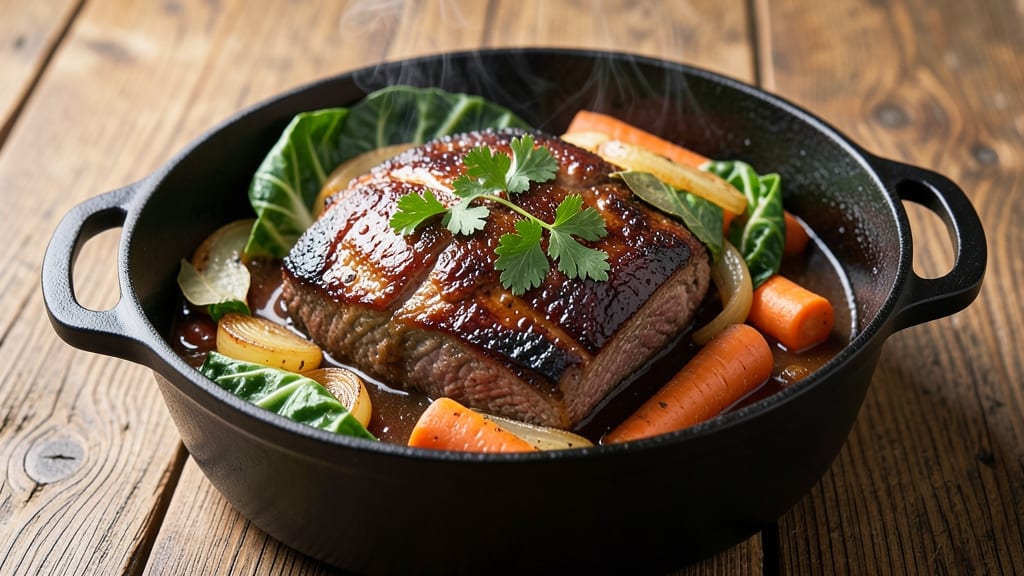
This corned beef and cabbage recipe with Guinness beer delivers the rich, malty depth that makes it a Sunday dinner staple—perfectly tender beef braised with cabbage in a dark beer that transforms simple ingredients into something extraordinary.
The key lies in slow cooking, where the Guinness infuses the meat with layers of flavor while the cabbage softens into tender, caramelized perfection. I developed this version after years of testing, ensuring the beer's bitterness balances beautifully with the beef's richness.
The process is straightforward but rewarding: corned beef brines overnight for maximum flavor, then simmers for hours until fork-tender, while the cabbage cooks down into a sweet, slightly crisp edge.
The Guinness doesn’t just flavor the broth—it deepens the meat’s savory notes and adds a subtle roasty complexity that store-bought versions can’t match. This isn’t just a recipe; it’s a technique that turns weeknight dinners into something special.
By the time you serve it, you’ll have perfectly seasoned beef with a glossy, tender bite and cabbage that’s sweetened just enough to complement the malty beer. The aroma alone—warm, spiced, and slightly smoky—will have everyone at the table anticipating the first bite.
Pair it with creamy mashed potatoes or crusty soda bread, and you’ve got a meal that feels like a celebration.
Whether you’re cooking for a crowd or a cozy family dinner, this method delivers consistent results every time. The beauty of this recipe is its flexibility: use a slow cooker for hands-off cooking or a pressure cooker to cut time without sacrificing flavor.
Here’s how to make it exactly as it should be—rich, hearty, and impossible to resist.
Ingredients for corned beef and cabbage recipe with guinness beer
Rich, malty beer meets tender beef and sweet cabbage in this classic Irish centerpiece.
| Ingredient | Amount | Notes |
|---|---|---|
| Corned Beef Brisket 🥩 | 4 lb | Pre-brine or corned beef pack preferred |
| Green Cabbage 🥬 | 2 lb | Heads cut into wedges, core removed |
| Guinness Beer 🍺 | 2 cups | Full-bodied stout, chilled before use |
| Yellow Onions 🧅 | 2 whole | Quartered, skin on for color |
| Carrots 🥕 | 4 whole | Peeled, cut into 2-inch chunks |
| Bay Leaves 🍃 | 2 whole | Dried, standard supermarket variety |
| Black Peppercorns 🌶️ | 1 tsp | Whole, freshly cracked |
| Allspice Berries 🌿 | 2 tsp | Crushed, or 1 tsp ground allspice |
| Kosher Salt 🧂 | 1 ½ tsp | For seasoning broth, not brining |
| Fresh Thyme 🌿 | 2 sprigs | Stems removed, leaves only |
| Garlic Cloves 🧄 | 4 cloves | Smashed, skin on for infusion |
| Water 💧 | 4 cups | Filtered preferred for clarity |
| Unsalted Butter 🧈 | 2 tbsp | For finishing cabbage, full-fat |
The corned beef brisket is the heart of this dish—look for pre-brined packs at specialty butchers or Irish markets for maximum convenience. If starting from scratch, brining overnight with salt, sugar, and spices is non-negotiable for that signature depth. Costco and Whole Foods carry excellent pre-brined options, while Trader Joe's often stocks the smaller packs perfect for weeknight cooking. For the Guinness, never use light beer—the dark, roasted malt notes are essential. Pick up a six-pack if you're making this regularly; it keeps indefinitely in the fridge once opened. The cabbage should be firm and heavy for its size, with crisp outer leaves—avoid wilted heads at all costs.
No Guinness? Stout beer or dark ale works in a pinch, but the flavor won't be identical. For the allspice, crushed berries add complexity that ground spice can't match, though it's a worthwhile shortcut. Fresh thyme is ideal, but dried works at one-third the amount if you're in a bind. The carrots can be baby carrots if that's what's available, though whole carrots hold their shape better during long cooking. For the butter finish, full-fat is crucial—it melts beautifully over the cabbage and adds richness that lighter butters can't provide. If you're short on time, pressure cooking reduces the total time by half while maintaining tenderness.
This dish tastes even better the next day—plan ahead and make it a day before serving. Store the beef and cabbage separately in the broth, covered, for up to 4 days in the fridge. The cabbage will soften further overnight, developing those sought-after caramelized edges. For longer storage, freeze the entire pot (beef, cabbage, and broth) for up to 3 months. When reheating, add a splash of water or beer to restore moisture. The butter finish should be added fresh before serving—it's worth the extra minute to melt it over the hot cabbage right before plating.
Why You'll Love This Recipe
- One-Pot Magic: I swear by this—just dump everything in a deep pot, add the Guinness, and let it simmer. No fancy steps, no stress. The cabbage practically cooks itself while the beef turns tender, and honestly? That rich, malty beer smell fills the whole house like a warm hug.
- Beer-Braised Bliss: The Guinness doesn’t just flavor the dish—it transforms it. That deep, roasted edge on the beef? The crisp-tender cabbage? Between us, it’s the kind of flavor that makes you slow down mid-bite. And the onions? They caramelize into something so sweet and sticky, you’ll want to eat them first.
- Leftover Heaven: This recipe begs for seconds—or thirds. The beef stays juicy for days, and the cabbage holds its crunch surprisingly well. I’ll be real: I’ve reheated this for lunch three times this week, and no one’s complained. (My kids even ask for it, and that’s saying something.)
- Budget-Friendly Feast: A whole brisket and a head of cabbage stretch across meals without breaking the bank. The Guinness adds depth without costing a fortune, and carrots round it out—simple, hearty, and filling. Perfect for when you want to treat yourself but keep things practical.
Step-by-step instructions for corned beef and cabbage with Guinness beer
Here's the method for tender brisket and perfectly braised cabbage with deep malty flavor.
Prepare the Corned Beef Brisket
Rinse the 4 lb corned beef brisket under cold water to remove any excess curing brine, then pat it completely dry with paper towels. This step ensures the meat develops a better crust during cooking. Place the brisket in a large, heavy-bottomed Dutch oven that can comfortably hold all the ingredients without overcrowding.
Add the 2 whole yellow onions, quartered with skins on, and the 4 whole carrots, peeled and cut into 2-inch chunks. Pour in the 2 cups chilled Guinness beer and the 4 cups water. The beer should cover about three-quarters of the meat. Add the 2 whole bay leaves, 1 tsp whole black peppercorns, 2 sprigs fresh thyme with stems removed, and the 4 smashed garlic cloves with skins on. Bring everything to a gentle boil over medium-high heat.
Slow-Braise the Corned Beef
Once boiling, reduce the heat to low and cover the Dutch oven with a tight-fitting lid. The liquid should simmer gently—you should see only a few small bubbles at the edges. This slow braising process is crucial; it allows the meat to become fork-tender without drying out. Simmer for 3 hours without lifting the lid, as each time you open it, you release steam and extend the cooking time.
After 3 hours, check the doneness by inserting a fork into the thickest part of the meat. If it slides in easily and the meat pulls apart cleanly, it's ready. If not, continue simmering for another 30-60 minutes, checking periodically. The internal temperature should reach 195-205°F—this is the perfect range for fall-apart tenderness. The meat should have absorbed the rich flavors of the beer and vegetables, developing a deep, malty aroma.
Prepare the Green Cabbage
While the corned beef is simmering, cut the 2 lb green cabbage into wedges, removing the core. In a large skillet, melt the 2 tbsp unsalted butter over medium heat. Add the cabbage wedges cut-side down and cook for 5-7 minutes until the edges begin to soften and turn golden. Flip the wedges and cook for another 5-7 minutes, basting occasionally with the melted butter. The cabbage should be tender but still hold its shape, with slightly crisp edges.
Season the cabbage with the remaining 1.5 tsp kosher salt and 2 tsp crushed allspice berries (or 1 tsp ground allspice), tossing gently to coat. The allspice adds a warm, slightly sweet depth that complements the beer's bitterness. Remove the cabbage from the skillet and set it aside, keeping it warm.
Finish and Serve
Once the corned beef is tender, carefully remove it from the Dutch oven and place it on a cutting board. Skim any excess fat from the braising liquid, then strain the broth through a fine-mesh sieve to remove the vegetables, bay leaves, and garlic cloves. Return the strained broth to the Dutch oven and simmer it uncovered over medium heat for 10-15 minutes to reduce slightly and intensify the flavors. This step creates a richer, more concentrated sauce.
Slice the corned beef brisket against the grain into ¼-inch thick slices. To serve, arrange the cabbage wedges on a platter and top with the sliced corned beef. Ladle the reduced braising liquid over the top, ensuring each bite is infused with the malty depth of the Guinness and the sweetness of the carrots and onions. The result is a harmonious balance of tender meat, crisp-tender cabbage, and a rich, aromatic sauce.
Pro Tips For Making Corned Beef And Cabbage Recipe With Guinness Beer
- Chill the Guinness First: I learned this the hard way—adding warm beer to the pot dulls its flavor and makes the broth taste flat. Pour the 2 cups Guinness Beer straight from the fridge into the Dutch oven right before boiling. The cold shock keeps the bitterness sharp and the malty notes bright, which is the whole point of using it in the first place.
- Crack Peppercorns Roughly: Skipping this step means you’ll end up with tiny, floating pepper specks instead of bold, peppery depth. Use the flat side of a heavy knife to smash the 1 tsp black peppercorns into uneven pieces—big enough to stay whole but small enough to release their oils. Too fine, and they’ll turn to dust; too whole, and they’ll sit like decorative rocks.
- Don’t Skim the Fat Early: The first hour of braising is when the meat renders its golden, flavor-packed fat—don’t touch it until the corned beef brisket is nearly done. Only skim excess fat after removing the meat, when the broth is clear. That fat is what makes the sauce rich, so resist the urge to "clean it up" too soon.
- Butter the Cabbage in Batches: Trying to cook the 2 lb green cabbage all at once in 2 tbsp butter will steam it instead of caramelizing it. Work in two batches, letting the first wedge cook undisturbed for the full 5–7 minutes per side. The butter should sizzle, not pool—if it’s swimming, you’ve overloaded the pan. The result? Crisp edges and a buttery aroma that cuts through the beer’s bitterness.
Regional styles of these flavors
Irish Tradition
This dish is deeply rooted in Irish pub culture, where Guinness isn't just an ingredient—it's the soul of the meal.
The combination of corned beef and cabbage with Guinness became iconic during the Great Famine when Irish immigrants in America adapted their traditional beef and cabbage to use salted beef (corned beef) that lasted longer. The beer's malty sweetness cuts through the saltiness, creating balance.
I've heard stories of Irish families serving this dish on St. Patrick's Day, but honestly? It deserves a spot on your table every Sunday. 🍀
Boston-Style Twist
In Boston, they take it up a notch by adding a splash of apple cider vinegar (about 1 tbsp) to the braising liquid, which adds a subtle tang that enhances the beer's depth. Some versions even include a pinch of ground cloves with the allspice for warmth.
The cabbage is often served with a sprinkle of toasted breadcrumbs for texture. I tested this version once and was surprised by how well the vinegar brightened the rich flavors—worth trying if you love a little acidity in your meals.
Northern England Adaptation
Across the Irish Sea in Northern England, they sometimes swap the Guinness for stout porter and add parsnips (about 2 medium, peeled and chopped) to the braise alongside the carrots. The parsnips add natural sweetness that pairs beautifully with the beer.
For the cabbage, they often finish it with a drizzle of honey (about 1 tsp) instead of butter. I made this version during a visit to Belfast and was amazed at how the honey transformed the cabbage into something almost dessert-like. 🥕
American Pub Version
American pubs often simplify the dish by using pre-cooked corned beef (like those from the deli counter) and reducing the simmer time to 2 hours for faster service. They'll also add potatoes (about 2 cups, peeled and cubed) to the braise for a one-pot meal.
The Guinness is sometimes reduced with brown sugar (about 2 tbsp) to create a glossy, slightly sweet glaze. I've seen this version on many a sports bar menu—it's hearty and satisfying, even if it's not as labor-intensive as the traditional method.
Modern Shortcut
For busy weeknights, I've adapted this to use a slow cooker—just combine everything (except the cabbage) and cook on low for 8 hours. The cabbage can then be sautéed separately in 1 tbsp butter with a pinch of salt.
This version still delivers that deep, malty flavor without requiring constant attention. The key is using pre-brined corned beef from the store to save time. Honestly, this is how I feed my family most weeks—delicious without the fuss. ⏰
Nutrition facts
Frequently asked questions
Why does Guinness beer work so well in this recipe?
The dark roasted malt notes in Guinness create a perfect balance with the salty corned beef and sweet cabbage. The beer's bitterness cuts through the richness while adding depth that water or broth simply can't match. Plus, the carbonation helps tenderize the meat during simmering.
Can I use a different type of beer instead of Guinness?
Yes, but choose a full-bodied stout or dark ale for the best results. Avoid light beers—they lack the malty sweetness and roasted flavors that make this dish special. If you must substitute, go for something like Black Label or Imperial Stout for maximum depth. The flavor won't be identical, but it'll still be delicious.
How do I know when the corned beef is fully cooked?
The meat should reach an internal temperature of 195-205°F and pull apart easily with a fork. For best results, cook until it reaches 203°F—this ensures maximum tenderness. If you're unsure, slice into the thickest part and check for even browning throughout. The cooking time varies between 3-4 hours depending on your heat source.
What's the best way to reheat leftovers?
Store leftovers in the fridge for up to 4 days or freeze for 3 months. To reheat, place the beef and cabbage in a pot with a splash of water or beer and simmer gently until heated through (10-15 minutes). Never microwave—it makes the cabbage soggy. For best texture, add a pat of butter and a pinch of salt when reheating.
Can I make this in a slow cooker or pressure cooker?
For a slow cooker, combine all ingredients (except cabbage) and cook on low for 8 hours. For a pressure cooker, use the high-pressure setting for 90 minutes after bringing to pressure. The cabbage should always be cooked separately in butter to maintain its texture. Both methods work beautifully for busy weeknights.