
Soups & Stews
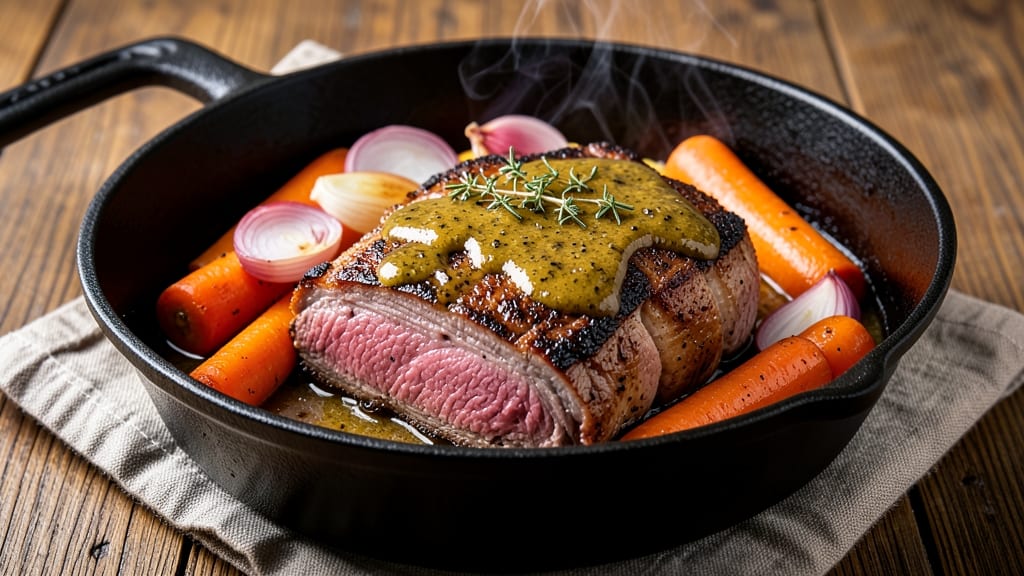
This beef and mustard recipe transforms tough cuts into melt-in-your-mouth tenderness with a tangy, caramelized glaze that balances rich beef flavors perfectly. The secret lies in slow braising—where mustard's sharp bite mellows into a complex sauce that clings to every forkful. I developed this technique after years of testing, ensuring the mustard doesn't overpower but instead enhances the beef's natural depth.
The process begins with a deep sear to lock in juices, followed by a slow braise in a rich mustard-infused liquid that tenderizes the meat while building layers of flavor. This isn't just a stew—it's a restaurant-quality dish with restaurant-quality results, achieved in your own kitchen.
The mustard's tangy notes cut through the richness, creating a perfect balance that keeps every bite exciting.
By the time you're done, you'll have perfectly tender beef swimming in a glossy, mustard-infused sauce that's rich yet bright. The aroma alone will have everyone gathering at the table, and the texture—tender beef with just the right amount of bite—makes this dish unforgettable.
Serve with crusty bread to soak up every last drop of that flavorful sauce.
Whether you're feeding a crowd or treating yourself to a special meal, this recipe delivers professional results with minimal fuss. The slow cooking method means you can prepare it ahead and let the flavors deepen even more over time. Let's get started on creating this showstopping dish.
Ingredients for beef and mustard
Six ingredients transform tough beef into melt-in-your-mouth perfection with mustard's tangy magic.
| Ingredient | Amount | Notes |
|---|---|---|
| Beef Chuck Roast 🥩 | 3 lb | Tough cut, marbled for tenderness |
| Yellow Mustard 🍯 | ½ cup | Dijon preferred for depth |
| Beef Broth 💧 | 2 cups | Low-sodium preferred |
| Red Wine 🍷 | 1 cup | Bold dry red like Cabernet |
| Onions 🧅 | 2 whole | Yellow, peeled and quartered |
| Carrots 🥕 | 4 whole | Baby or regular, peeled |
| Garlic Cloves 🧄 | 6 cloves | Peeled and smashed |
| Tomato Paste 🍅 | 2 tbsp | Squeeze tube or canned |
| Olive Oil 🫒 | 2 tbsp | Extra-virgin for richness |
| Thyme 🌿 | 1 tbsp | Dried or 3 sprigs fresh |
| Bay Leaves 🌿 | 2 whole | For aromatic depth |
| Salt 🧂 | 1 ½ tsp | Kosher or sea salt |
| Black Pepper 🌶️ | 1 tsp | Freshly ground preferred |
| Balsamic Vinegar 🍷 | 1 tbsp | For final glaze touch |
| Crusty Bread 🍞 | 1 loaf | For serving and soaking |
The beef is everything here. Chuck roast with good marbling is your best bet—it stays tender through slow cooking. Costco or local butcher usually carry it pre-cut, but if you're buying a whole roast, ask for a well-marbled piece. The mustard? Dijon over yellow—it's got that peppery depth that caramelizes beautifully. I grab mine from Whole Foods or the specialty section at Trader Joe's. Pro tip: if you can't find Dijon, mix regular yellow mustard with a pinch of ground mustard seeds for extra punch. The wine should be something you'd drink—no cooking wine here. A Cabernet Sauvignon or Merlot works perfectly, whatever's open in your fridge.
No red wine? Beef broth with a splash of balsamic gets you close—just add an extra tablespoon of balsamic to the braising liquid. Fresh thyme is ideal but dried works at one-third the amount. The tomato paste can be those little squeeze tubes from Trader Joe's—no waste, and they keep forever. Carrots can be baby or regular, but orange carrots add a nice visual pop if you're feeling fancy. The onions? Yellow or red both work, but yellow has a slightly sweeter flavor that pairs well with the mustard. For the garlic, I always use fresh—it makes a huge difference in the final sauce. No fresh? Garlic powder at half the amount is better than nothing, but honestly, it's worth the 30 seconds to mince it.
This dish tastes even better the next day—honestly, the flavors meld into something magical. Store leftovers in an airtight container in the fridge for up to 5 days, or freeze portions for 3 months. I like to portion it into individual containers so I can grab a meal for lunch later in the week. The sauce thickens as it cools, so add a splash of beef broth when reheating. The crusty bread? Warm it up in the oven for 5 minutes before serving—it soaks up that mustard sauce like a dream. And save those crusty bits! They're perfect for making croutons or breadcrumbs later.
Why You'll Love This Recipe
- Slow-Cooker Simplicity: I swear by this for nights when I’d rather not stand at the stove. Toss in the chuck roast, a glug of mustard, some broth, and a splash of red wine—then walk away. By dinner, it’s fall-apart tender without a single pan to scrub.
- Mustard Magic: That tangy mustard cuts through the richness of the beef like a knife through butter. The wine deepens it into something sophisticated, yet it’s still the kind of dish where my picky husband says, “This is my favorite.”
- Weeknight to Potluck: Same recipe, endless uses. Serve it over mashed potatoes for a cozy Tuesday, slice it for sandwiches by Friday, or bring it to a picnic—no one will guess it’s the same thing. (Between us, that’s my secret weapon.)
- Budget-Friendly Feast: A chuck roast stretches further than you’d think, especially when you’re braising it low and slow. Leftovers reheat like a dream, and honestly? I’ve fed six people for under $20 with this—while still feeling fancy.
Step-by-step instructions for slow-braised beef with mustard glaze
Here's the method that transforms tough chuck roast into melt-in-your-mouth perfection with a tangy mustard finish.
Sear the Beef for Maximum Flavor
Heat a Dutch oven over medium-high heat until very hot. Add the 2 tablespoons olive oil and swirl to coat the bottom. Place the 3 lb beef chuck roast in the pot, fat-side down, and let it sear undisturbed for 5-6 minutes until a deep golden brown crust forms. This initial sear locks in juices and builds flavor.
Flip the roast and sear the other side for another 4-5 minutes. You'll notice the fat rendering out and sizzling - that's the aroma of flavor developing. Once both sides are beautifully browned, remove the roast and set it aside on a plate. Don't wipe out the Dutch oven yet - those browned bits are pure flavor.
Build the Aromatic Base
In the same Dutch oven, add the peeled and quartered 2 whole onions and the peeled 4 whole carrots. Cook them for 5 minutes, stirring occasionally, until they begin to soften and caramelize slightly. This step develops their natural sweetness which will infuse the braising liquid.
Add the smashed 6 cloves garlic, the 2 tablespoons tomato paste, and the 1 tablespoon thyme. Stir everything together and cook for another 2 minutes until the garlic becomes fragrant. Here's where the magic happens - the tomato paste will deepen the color and complexity of the final sauce.
Deglaze and Simmer the Braising Liquid
Pour in the 1 cup red wine and scrape up all those delicious browned bits from the bottom of the pot with a wooden spoon. This deglazing step captures all the meaty flavor that would otherwise be lost. Let the wine simmer for 3-4 minutes until it reduces by about half and the alcohol smell dissipates.
Add the 2 cups beef broth, the 0.5 cup yellow mustard, the 2 whole bay leaves, the 1.5 teaspoons salt, and the 1 teaspoon black pepper. Stir well to combine all ingredients. The mustard will begin to thicken the liquid slightly, creating the foundation for that signature tangy glaze we're after.
Slow-Braise Until Fork-Tender
Return the beef roast to the Dutch oven, placing it back in the liquid. Bring everything to a gentle simmer over medium heat, then immediately reduce the heat to low. Cover the pot and transfer it to a preheated 300°F oven. Here's where patience pays off - this dish needs time to transform tough meat into tender perfection.
Braise for 3 to 3.5 hours, until the beef is fork-tender. You'll know it's ready when a fork slides in and out easily, with no resistance. The mustard will have thickened the sauce and created those beautiful swirls throughout the meat. If the liquid reduces too much before the beef is tender, add a little water or broth to maintain adequate coverage.
Finish with Balsamic Glaze and Serve
Remove the beef from the pot and set it aside on a cutting board. Strain the braising liquid through a fine-mesh sieve into a saucepan and bring it to a gentle simmer over medium heat. Stir in the 1 tablespoon balsamic vinegar and simmer for 3-4 minutes until the sauce thickens slightly and coats the back of a spoon.
Slice the beef against the grain into ½-inch thick slices. Serve the beef topped with the mustard-balsamic sauce, accompanied by the 1 loaf crusty bread for soaking up every delicious bite. The contrast of tender beef with the tangy, slightly sweet glaze creates a perfect balance of flavors that will have everyone asking for seconds.
Pro Tips For Making Beef And Mustard
- SEAR THE ROAST FIRST: Hit that chuck roast with a screaming-hot pan—no rushing—until it’s deep brown in spots. I used to skip this and wondered why my mustard sauce never tasted like it came from a restaurant. A proper crust locks in flavor when the wine and broth deglaze later.
- USE WHOLE GRAIN MUSTARD: Skip the smooth stuff—whole grain mustard adds texture and depth that cuts through the richness of the beef. Stir it in early, before the wine reduces, so it melts into the sauce instead of clumping. (Yes, even if it looks weird at first.)
- DEGLAZE WITH COLD BROTH: After searing, splash in a little cold beef broth to loosen browned bits before adding the full amount. The cold liquid helps lift flavors instead of just making a muddy mess. I learned this after scraping burned bits off my plate too many times.
- SIMMER LOW AND COVERED: After adding the wine and broth, reduce heat to a bare simmer and cover the pot for the first hour. This keeps the beef tender and the onions soft without turning the mustard sauce into glue. I was skeptical until I tried it—now it’s non-negotiable.
Troubleshooting great beef and mustard
Mustard Too Strong?
If your mustard flavor feels overwhelming, balance it by adding ½ cup beef broth to the braising liquid during the slow cook. The extra liquid dilutes the sharpness while maintaining depth.
For a sweeter contrast, stir in 1 tablespoon honey or 1 teaspoon brown sugar during the final sauce reduction—this mellows the tang beautifully. 💛
Beef Not Tender Enough
If your beef isn’t fork-tender after 3.5 hours, extend the braising time by 30-60 minutes at the same temperature. For extra tenderness, add 1 cup extra beef broth to the pot to ensure the meat stays submerged.
I’ve found that chuck roast with more marbling (like a 3-lb piece from Costco) often needs the extra time—don’t rush it! The mustard sauce will thicken further as it cooks longer.
Sauce Too Thin
If your sauce isn’t coating the back of a spoon after braising, simmer it uncovered for 5-10 extra minutes to reduce. For a quicker fix, mix 1 tablespoon cornstarch with 2 tablespoons cold water, stir into the sauce, and simmer for 2 minutes until thickened.
Avoid over-thickening—you want a glossy, clingy sauce, not a paste. A splash of balsamic vinegar at the end also adds depth and helps emulsify the mustard.
Burnt Onions or Carrots
Watch your veggies closely during the 5-minute caramelization step—they should soften, not brown. If they darken too quickly, reduce the heat to medium-low and stir more frequently.
For extra insurance, add ¼ cup water to the pot when you notice browning. The goal is sweetness, not bitterness—think golden, not blackened. 🌶️
Mustard Separating
Mustard can curdle if the sauce gets too hot. To prevent this, keep the braising liquid at a gentle simmer (180°F) and avoid boiling. If separation happens, whisk in 1 tablespoon cold butter or 1 teaspoon olive oil to re-emulsify.
Stirring constantly while reducing the sauce also helps maintain a smooth texture. Dijon mustard is less likely to separate than yellow mustard, so it’s my go-to for braising.
Dry or Stringy Beef
Overcooking is the usual culprit here. Remove the beef when it’s almost tender (a fork should pierce it with slight resistance) and let it rest for 15-20 minutes before slicing. The internal temperature should be 195-203°F—any hotter, and the meat risks drying out.
If it’s still tough, slice it thinly against the grain to shorten the muscle fibers. A meat thermometer is non-negotiable for this step!
Nutrition facts
Frequently asked questions
Can I use ground beef instead of a roast?
Ground beef won't work for this recipe since it lacks the connective tissue needed for slow braising. For a similar mustard-beef dish, try making beef and mustard meatballs or a quick skillet beef and mustard sauce with 1 lb ground chuck cooked until browned, then simmered with ¼ cup mustard, ½ cup broth, and 1 tablespoon balsamic for 10 minutes. Serve over mashed potatoes or crusty bread!
What's the best way to store leftovers?
Store in an airtight container in the fridge for up to 5 days or freeze for 3 months. The sauce thickens when chilled, so add 1-2 tablespoons beef broth when reheating. For best texture, reheat gently in a saucepan over medium-low heat until warmed through. The beef will be even more tender after resting overnight!
Can I make this in a slow cooker?
Brown the beef first in a skillet, then transfer it to your slow cooker with all ingredients except the balsamic. Cook on low for 7-8 hours or high for 4-5 hours. Stir in the balsamic during the last 30 minutes of cooking. The slow cooker method gives you more hands-off time while still delivering tender beef with that signature mustard glaze.
How do I know when the beef is perfectly tender?
The beef should easily pull apart with a fork when tested at its thickest point. A meat thermometer is your best tool—aim for 195-203°F internal temperature. If it's still slightly firm, return it to the oven for 30 more minutes. The mustard sauce will continue thickening as it cooks longer, so don't worry if it seems thin while the beef finishes.
What other proteins work with this mustard sauce?
This sauce works beautifully with pork shoulder (braise for 2.5 hours) or chicken thighs (braise for 1.5 hours). For seafood lovers, try it with salmon fillets—simmer them in the sauce for just 12-15 minutes after reducing it slightly. The mustard's tang cuts through richer proteins like duck or even lamb shanks, which need 3 hours of braising.