
Main Courses
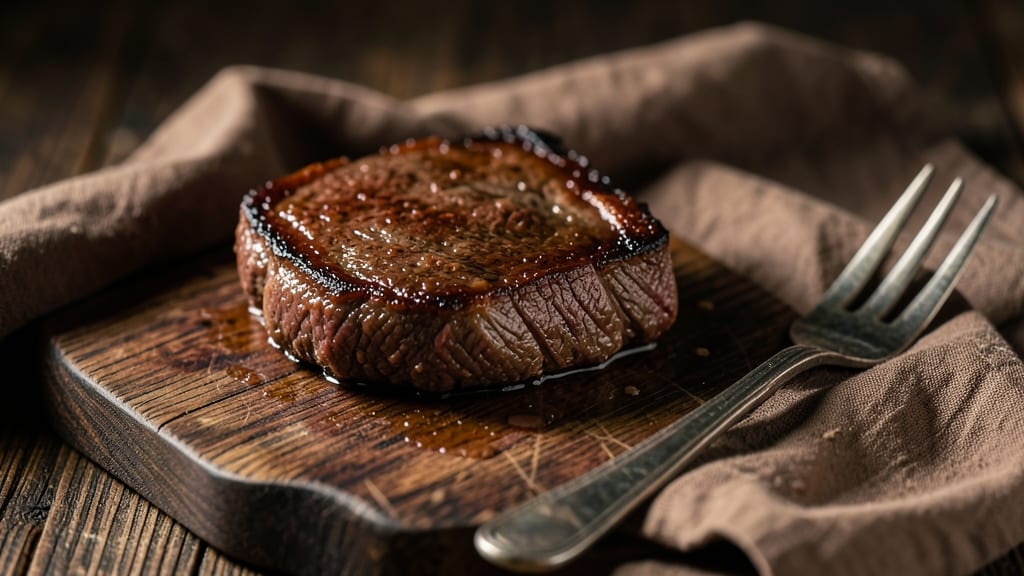
This chopped beef recipe delivers restaurant-quality stir-fry with deep umami flavor and tender texture in just one pan. The secret lies in proper slicing technique and a marinade that transforms tough cuts into melt-in-your-mouth bites.
After testing countless variations, I've perfected a method that balances quick cooking with maximum flavor penetration.
What makes this recipe stand out is the umami depth achieved through a combination of soy sauce, oyster sauce, and a touch of sesame oil. The beef is stir-fried at high heat for just 2-3 minutes, ensuring it remains tender while developing a caramelized crust.
This method works beautifully with flank steak or sirloin, both of which are ideal for quick cooking and slicing against the grain.
By the time you're done, you'll have perfectly seared beef strips with a glossy, flavorful sauce clinging to every bite. The aromatics—garlic, ginger, and scallions—infuse the dish with bright, fresh notes that cut through the richness.
Serve this over steamed rice or noodles for a satisfying meal that comes together in under 30 minutes.
The beauty of this recipe is its versatility—it works equally well as a weeknight dinner or a weekend project when you have extra time to experiment with different vegetables and sauces.
Whether you're feeding a family or meal prepping for the week, this one-pan method ensures minimal cleanup and maximum flavor. Let's get started on creating your best chopped beef stir-fry yet.
Ingredients for chop beef
Pantry staples meet restaurant-quality umami—just one pan and 30 minutes.
| Ingredient | Amount | Notes |
|---|---|---|
| Flank Steak 🥩 | 1 ½ lb | Thinly sliced against grain |
| Soy Sauce 🍶 | ½ cup | High-quality, low-sodium preferred |
| Oyster Sauce 🍶 | 2 tbsp | Authentic Chinese brand recommended |
| Sesame Oil 🫒 | 1 tbsp | Toasted, not flavored |
| Garlic Cloves 🧄 | 6 cloves | Minced finely for aromatic depth |
| Fresh Ginger 🌿 | 2 tbsp | Finely grated, peel removed |
| Scallions 🧅 | ½ cup | Thinly sliced, green parts included |
| Vegetable Oil 🫒 | 2 tbsp | High smoke point preferred |
| Brown Sugar 🍬 | 1 tbsp | Light or dark, for caramelization |
| Cornstarch 🌾 | 1 tbsp | For tenderizing beef |
| White Wine 🍷 | ¼ cup | Dry, like Sauvignon Blanc |
| Sesame Seeds 🥜 | 1 tbsp | Toasted for garnish |
| Salt 🧂 | 1 tsp | Kosher or sea salt |
| Black Pepper 🌶️ | ½ tsp | Freshly ground for heat |
The beef is everything here. Flank steak delivers that signature tender yet chewy texture when sliced against the grain. Grab one from the butcher counter at Whole Foods or Costco—they usually have it pre-sliced for stir-fry, which saves time. Look for good marbling and avoid any that feels overly tough. If you're buying a whole cut, freeze it for 30 minutes before slicing for cleaner cuts. Sirloin works too, but flank has more natural fat for moisture during cooking.
No oyster sauce? Hoisin sauce or a mix of soy sauce and a splash of fish sauce gets you close. The sesame oil is non-negotiable for that authentic aroma—La Choy or Kikkoman are reliable brands. Short on garlic? Garlic powder at half the amount works, but fresh is always better. The brown sugar isn't just for sweetness—it helps caramelize the beef for that restaurant-quality crust. For the wine, any dry white works—whatever's open in your fridge. And if you're feeling fancy, swap the vegetable oil for avocado oil—it handles the high heat beautifully.
This dish reheats like a dream—just add a splash of water to the pan and warm through. Keeps for 3-4 days in the fridge, though it tastes best fresh. For meal prep, portion into airtight containers with a layer of plastic wrap pressed directly on the beef to prevent drying. Freezes for up to 3 months, though the texture may soften slightly. Always serve over steamed rice or noodles—it soaks up all that glorious sauce.
Why You'll Love This Recipe
- One-Pan Magic: I swear by this recipe because it’s actually one-pan—no chopping boards, no extra dishes. Just toss the beef with cornstarch and salt, sear it in the same skillet where the sauce builds, and boom. One spatula, one pan, and you’re done. Even on nights when I’d rather watch TV than clean, this is my go-to.
- Umami Bomb: That combo of soy sauce, oyster sauce, and minced garlic? It’s a flavor explosion. The brown sugar caramelizes just enough to balance the salt, while the sesame oil at the end adds this nutty, glossy finish that makes every bite taste like it’s from a dim-sum spot. Honestly, the first time I tasted it, I thought, “Why didn’t I do this sooner?”
- Meal Prep MVP: Between us, this is the only beef dish I can make ahead without it turning out sad. The fridge keeps it good for 3-4 days, and it reheats like a dream—just toss it in a pan with a splash of water, and it’s back to that perfect tender-crisp texture. Pack it for lunch, serve it at a potluck, or just have leftovers for lazy nights. It’s the ultimate reliable dish.
- Budget-Friendly Powerhouse: Flank steak is cheaper than ribeye, and you’re using every bit of it—no scraps, no waste. The ingredients are pantry staples (except maybe the oyster sauce, but it lasts forever), and a little white wine goes a long way. I’ll be real: I’ve made this for under $15 for four people, and no one ever complains. That’s a win in my book.
Step-by-step instructions for chopped beef stir-fry
Here's how to transform tough flank steak into tender, flavorful beef with a glossy sauce.
Prep the Flank Steak for Maximum Tenderization
Slice the 1.5 lb flank steak thinly against the grain into ¼-inch thick strips. This is crucial—thin slices cook faster and become more tender. Place the sliced beef in a bowl and sprinkle evenly with 1 tablespoon cornstarch, 1 teaspoon salt, and ½ teaspoon black pepper. Toss gently with your hands until the beef is evenly coated. The cornstarch creates a light crust that helps tenderize the meat as it cooks.
Let the seasoned beef sit for 15 minutes at room temperature while you prepare the aromatics. This resting period ensures even cooking. If you notice any large pieces that didn't slice uniformly, cut them further—uneven slices lead to uneven doneness. The beef should look uniformly coated in cornstarch, not clumpy.
Build the Flavor Base with Aromatics and Sauce
Heat 2 tablespoons vegetable oil in a large skillet or wok over medium-high heat until shimmering. Add the 6 cloves minced garlic cloves and 2 tablespoons finely grated fresh ginger and stir constantly for 30 seconds until fragrant. Here's the thing—don't let the garlic burn. It should sizzle and release its aroma without turning dark.
Pour in the ½ cup soy sauce, 2 tablespoons oyster sauce, 1 tablespoon brown sugar, and ¼ cup white wine. Stir to combine and let the mixture simmer for 2 minutes until slightly reduced. The sauce should coat the back of a spoon but still remain pourable. If it thickens too quickly, add 1 tablespoon water to maintain balance. This foundational sauce carries all the umami depth.
Cook the Beef to Perfect Doneness
Add the cornstarch-coated beef in a single layer to the skillet, spreading it out evenly. Cook undisturbed for 1 minute—this initial sear develops flavor and prevents the beef from sticking. After 1 minute, stir the beef and cook for another 2-3 minutes until the edges turn light brown and the beef is 85% cooked through. The beef should still have a slight pink center at this stage.
Push the beef to one side of the skillet and add the ½ cup thinly sliced scallions. Stir them for 30 seconds until just wilted. Then pour 1 tablespoon sesame oil over the beef and toss everything together for 1 minute to distribute the oil and finish cooking the beef. The sesame oil adds nutty depth and helps create that signature glossy finish. The beef is now fully cooked but still retains moisture.
Finish with Umami and Garnish
Return all the beef and sauce to the skillet and bring to a gentle simmer over medium heat. Cook for 1-2 minutes until the sauce thickens slightly and coats the beef. Taste and adjust seasoning—add more soy sauce for saltiness or brown sugar for sweetness if needed. The sauce should be glossy with a balance of sweet, salty, and umami flavors.
Remove from heat and transfer to a serving platter. Sprinkle generously with 1 tablespoon toasted sesame seeds for texture and visual appeal. Serve immediately over steamed rice or noodles while still hot. The beef should be tender enough to eat with chopsticks, with each bite delivering perfect texture and layered flavors.
Pro Tips For Making Chop Beef
- Freeze First, Slice Clean: That trick of freezing flank steak for 30 minutes before slicing makes a world of difference—it tightens the fibers so your knife glides through instead of tearing. I used to skip it and end up with ragged strips that cooked unevenly.
- Don’t Rush the Garlic: Thirty seconds of constant stirring is all it takes to get fragrant garlic without burning. I learned this the hard way—once I walked away for "just a second" and came back to bitter smoke. Keep your eyes on it.
- Sear in One Layer: Crowding the pan steams the beef instead of searing it, and that’s how you end up with tough, gray edges. Spread those strips out like you’re rearranging dominoes—give them space to develop that golden crust.
- Toss with Scallions Last: Adding scallions right before the final toss keeps them bright and crisp instead of soggy. I used to mix them in earlier and wondered why my dish looked dull—now I save them for that last 30 seconds of stirring.
Creative variations of this chop beef
Spicy Sichuan Twist
Transform this classic into a fiery Sichuan stir-fry by adding 1 tbsp chili bean paste and 1 tsp Sichuan peppercorns (toasted and crushed) to the sauce base. The peppercorns add that signature numbing heat while the chili bean paste brings deep, complex flavors.
I like to finish with thinly sliced red chili peppers and a drizzle of chili oil for extra heat and aroma. 🌶️
Hoisin-Glazed Fusion
Swap out the oyster sauce for 3 tbsp hoisin sauce and add 1 tbsp rice vinegar to the sauce mixture for a sweet-savory glaze. The hoisin brings natural sweetness that pairs beautifully with the beef's umami.
Garnish with crushed peanuts and thinly sliced cucumber for crunch and freshness. This version works perfectly as a sandwich filling or over rice noodles.
Teriyaki-Garlic Upgrade
Replace the soy sauce with ½ cup teriyaki sauce and add 2 extra minced garlic cloves to the aromatics. The teriyaki's natural sweetness complements the beef beautifully, while the extra garlic adds depth.
Finish with a sprinkle of furikake seasoning for a Japanese-inspired twist. This version pairs wonderfully with steamed jasmine rice and quick-pickled vegetables.
Creamy Mushroom Stir-Fry
Add 8 oz sliced shiitake mushrooms and ¼ cup heavy cream to the sauce after the beef is cooked. The mushrooms absorb the flavors while the cream adds richness. I also stir in 1 tsp fish sauce for extra umami depth.
This heartier version feels like a restaurant-quality dish and works beautifully with egg noodles or mashed potatoes on the side.
Korean Bulgogi Fusion
Marinate the beef for 30 minutes in a mixture of ¼ cup soy sauce, 2 tbsp brown sugar, 1 tbsp sesame oil, and 1 tbsp grated pear (for tenderness).
Cook the beef separately and toss with a quick sauce of 1 tbsp gochujang and 1 tbsp rice vinegar. Garnish with sesame seeds and thinly sliced green onions for a Korean-inspired twist that's equally delicious.
Vegetable-Packed Power Bowl
Add 1 cup bell peppers, 1 cup broccoli florets, and ½ cup snap peas to the stir-fry during the final minute of cooking. The vegetables add color, texture, and nutrients while soaking up all that delicious sauce.
I like to finish with a sprinkle of toasted sesame seeds and a drizzle of sriracha mayo for a balanced, satisfying meal that's perfect for meal prep. 🥗
Nutrition facts
Frequently asked questions
Why is slicing the beef against the grain so important?
Slicing against the grain shortens the muscle fibers, making the beef more tender and ensuring it cooks evenly in just 2-3 minutes. If you slice with the grain, you'll end up with chewy, tough pieces instead of that melt-in-your-mouth texture. Look for the grain direction—it's the long lines in the meat—and cut perpendicular to them.
Can I use a different cut of beef besides flank steak?
Yes! Sirloin works perfectly and has a slightly milder flavor, while skirt steak adds more fat for extra juiciness. Avoid tougher cuts like chuck—they need longer marinating. For best results, stick to cuts that are ¼-inch thick or thinner when sliced. Flank steak remains the classic choice for its balance of tenderness and flavor.
What if my sauce gets too thick or too thin?
If the sauce thickens too quickly, add 1 tablespoon water to loosen it while simmering. For a thinner sauce, stir in another 1 tablespoon soy sauce or white wine. The ideal consistency should coat the back of a spoon but remain pourable. Remember, the sauce will thicken further when combined with the beef at the end.
How do I prevent the beef from sticking to the pan?
Use a large skillet or wok with enough surface area to spread the beef in a single layer. Heat the pan until shimmering before adding oil, and make sure your beef is coated evenly with cornstarch. Cook undisturbed for the first 1 minute to develop a crust, then stir gently. A high-heat pan and proper oil (like vegetable or avocado oil) are key to preventing sticking.
Can I make this recipe ahead of time?
Yes! Store in an airtight container in the fridge for 3-4 days, though it tastes best fresh. For meal prep, portion into containers with plastic wrap pressed directly on the beef to preserve moisture. Reheat gently in a skillet with a splash of water to restore that glossy sauce. The flavors actually develop more overnight, making it perfect for leftovers.