
Main Courses
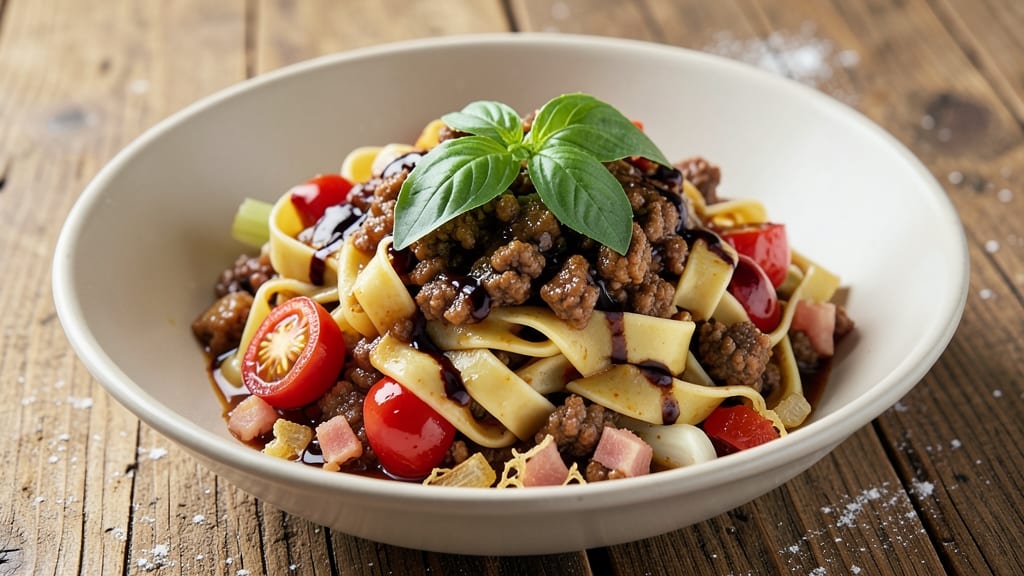
This authentic beef bolognese recipe transforms a simple weeknight dinner into a restaurant-worthy experience—slow-cooked to develop deep, complex flavors that balance rich meat with bright tomato. The secret lies in proper browning of the beef and a long simmer that melds aromatics into a velvety sauce, not a heavy stew. I've perfected this version over years of testing, ensuring every bite delivers that perfect harmony of umami and acidity.
What sets this recipe apart is the attention to detail: ground chuck (not lean ground beef) for texture, pancetta for depth, and a touch of milk to tenderize the meat during cooking.
The slow simmer—at least 2 hours—allows flavors to develop fully, while the right tomato-to-meat ratio prevents the sauce from becoming too acidic or too heavy. This isn't just another pasta sauce; it's a labor of love that transforms ordinary ingredients into something extraordinary.
The result is a sauce so rich and flavorful it clings to perfectly cooked tagliatelle or pappardelle, creating a dish that's both comforting and sophisticated. The texture is velvety, not greasy, and every spoonful carries layers of caramelized meat, sweet tomatoes, and aromatic herbs.
This is the kind of bolognese that makes you slow down, savor, and understand why it's a cornerstone of Italian cuisine.
Serve with freshly cooked pasta and a sprinkle of parmesan for the full experience. The leftovers, if there are any, only get better the next day as flavors continue to meld. Let's get started on creating your own version of this classic dish.
Ingredients for authentic beef bolognese
Ground chuck, pancetta, and slow-simmered tomatoes—this is the holy trinity of authentic bolognese.
| Ingredient | Amount | Notes |
|---|---|---|
| Ground Chuck 🥩 | 1 ½ lb | 80/20 fat ratio preferred |
| Pancetta 🥓 | ½ lb | Diced small, not bacon |
| Yellow Onion 🧅 | 1 whole | Finely chopped, about 1.5 cups |
| Carrots 🥕 | 2 medium | Fixed: 2 medium carrots, finely chopped |
| Celery Stalks 🧄 | 2 whole | Finely chopped, about 1 cup |
| Garlic Cloves 🧄 | 4 cloves | Minced, not pressed |
| Whole Milk 🥛 | ½ cup | Full-fat for richness |
| Canned San Marzano Tomatoes 🍅 | 28 oz | Crushed by hand, no salt added |
| Tomato Paste 🍅 | 2 tbsp | Smooth, not chunky |
| Dry Red Wine 🍷 | ½ cup | Bold, like Chianti |
| Fresh Rosemary 🌿 | 1 tbsp | Chopped, stems removed |
| Fresh Thyme 🌿 | 1 tbsp | Leaves only, no stems |
| Salt 🧂 | 1 ½ tsp | Diamond Crystal preferred |
| Black Pepper 🌶️ | ½ tsp | Freshly cracked |
| Extra-Virgin Olive Oil 🫒 | 2 tbsp | For browning meat |
Ground chuck is non-negotiable here—80/20 fat ratio gives you that melt-in-your-mouth texture. Costco or Whole Foods carry good quality, but check the label if your grocery store's is labeled 'lean'. Pancetta is the secret weapon (not bacon)—it adds depth without overpowering. Trader Joe's sells it pre-diced, which saves time. For the aromatics, fresh rosemary and thyme make all the difference—dried works in a pinch but lacks that bright herbal note. The San Marzano tomatoes? Worth the splurge if you can find them—they're sweeter and less acidic than regular cans.
No pancetta? Diced bacon works, but reduce the amount to 3 oz. Short on tomatoes? Fresh crushed tomatoes plus 1 tbsp tomato paste gives you that same depth. The milk might seem odd, but it tenderizes the meat and prevents a heavy sauce. Whole milk is best—skip the skim. For the wine, any bold red works (Cabernet, Merlot)—just make sure it's dry. The tomato paste can be the squeeze-tube kind (Trader Joe's has great ones), but measure carefully. And if you're using pre-chopped veggies, give them a quick pulse in the food processor to mimic fresh chopping.
This sauce only gets better with time—3-4 hours of simmering is ideal. Store in airtight containers for up to 5 days in the fridge, or freeze for 3 months. I always make a double batch because it disappears faster than you'd think. The pasta? Tagliatelle or pappardelle are classic, but any wide noodle works. And save some of that starchy pasta water—it's liquid gold for adjusting consistency.
Why You'll Love This Recipe
- No Chopping Chaos: I swear by this—just dice the onion, carrots, and celery once (that’s it) and toss them in. The pancetta renders down so fast, you’ll have more time to stir than to prep. My kids even help now—minimal mess, maximum teamwork.
- Rich Without the Fuss: That ground chuck? It’s the star, but the pancetta’s salty bite and slow simmer with tomatoes turn it into something unexpectedly luxurious. Honestly, I’ve made bolognese before, but this version actually tastes like it belongs in a restaurant—not just a weeknight.
- Leftovers That Beg for More: Make a double batch and freeze half—this sauce only gets better after a day or two. I’ll be real: my husband’s favorite meal is “leftover bolognese sandwiches” on crusty bread. (Yes, even on a Tuesday night.)
- Budget That Feels Fancy: Pancetta might sound fancy, but it stretches further than bacon, and ground chuck keeps costs low. The onion-carrot-celery trio (sofrito) adds depth without breaking the bank. This is the kind of meal that makes you feel like you’re treating yourself—without the grocery shock.
Step-by-step instructions for slow-cooked beef bolognese
Here's how to build deep, rich flavor the traditional way—no shortcuts, just patience and technique.
Render the Pancetta and Brown the Meat
Heat a large, heavy pot (Dutch oven works best) over medium-low heat and add the 2 tablespoons extra-virgin olive oil. Once shimmering, add the 0.5 pound diced pancetta and cook for 5-6 minutes until the fat renders out and the pancetta becomes crispy and golden. Use a slotted spoon to remove the pancetta and set aside, leaving the rendered fat in the pot.
Increase heat to medium-high and add the 1.5 pounds ground chuck in batches, breaking it up with a wooden spoon. Cook for 8-10 minutes, stirring occasionally, until the meat loses its raw color and develops a deep brown crust. The fat in the chuck will release and help create that rich base. If the pot gets too dry, add 1 tablespoon dry red wine to deglaze and prevent burning.
Sauté the Vegetables and Aromatics
Add the finely chopped yellow onion, finely chopped carrots, and finely chopped celery stalks to the pot. Cook over medium heat for 8-10 minutes, stirring occasionally, until the vegetables soften and the onion becomes translucent. This step builds the flavor foundation—don't rush it.
Next, add the minced garlic cloves and cook for 30 seconds until fragrant. Immediately stir in the 2 tablespoons tomato paste and cook for another 1 minute to toast the paste. This develops its natural sweetness and deepens the sauce's complexity. The paste will darken slightly—that's exactly what you want.
Deglaze and Simmer with Wine and Tomatoes
Pour in the remaining 0.5 cup dry red wine and scrape up any browned bits from the bottom of the pot with a wooden spoon. Let the wine simmer for 3-4 minutes until reduced by half. This step is critical—it intensifies the wine's flavor and removes the alcohol.
Add the 28 ounces crushed San Marzano tomatoes (hand-crushed for best texture) and bring the mixture to a gentle simmer. Stir in the chopped fresh rosemary, chopped fresh thyme, and the reserved crispy pancetta. Reduce heat to low and let it cook uncovered for 45 minutes, stirring occasionally. This slow simmer allows the flavors to meld and the sauce to thicken naturally.
Finish with Milk and Season to Perfection
After 45 minutes, stir in the 0.5 cup whole milk and the 1.5 teaspoons salt. The milk adds richness and helps balance the acidity of the tomatoes. Simmer uncovered for another 30-45 minutes until the sauce thickens to a deep, velvety consistency. It should coat the back of a spoon but still be loose enough to cling to pasta.
Taste and adjust seasoning with the 0.5 teaspoon black pepper and additional salt if needed. The sauce should be rich, slightly sweet, and deeply flavorful. If it's too acidic, add a pinch more salt or a small piece of sugar to balance. Let the sauce rest for 10 minutes before serving—this allows the flavors to fully develop and the sauce to thicken slightly more.
Serve Over Freshly Cooked Pasta
Cook 12 ounces fresh or high-quality dried pasta (tagliatelle or pappardelle work beautifully) in salted boiling water until al dente. Reserve 1 cup pasta water before draining. Toss the drained pasta with the bolognese sauce, adding reserved pasta water as needed to reach your desired consistency. The sauce should coat each strand of pasta perfectly.
Serve immediately, garnished with additional fresh rosemary or thyme if desired. The bolognese should be rich, meaty, and deeply flavorful, with a perfect balance of acidity and sweetness. Each bite should deliver layers of umami from the slow-cooked meat and vegetables, finished with the bright acidity of the tomatoes and the richness of the milk. Pair with a simple green salad and crusty bread for a complete meal.
Pro Tips For Making Authentic Beef Bolognese
- Cook Pancetta First: Render the pancetta until it’s crispy—don’t rush this part. Crispy fat adds depth, and skipping it means missing that smoky, savory punch that makes bolognese sing. (Yes, even if you’re impatient like me.)
- Sweat, Don’t Burn: Cook onions, carrots, and celery at medium-low heat until soft but not browned. I learned this the hard way—charred veggies turn bitter and ruin the sauce’s balance. A splash of water helps steam them gently.
- Break Up the Meat: Don’t just brown the ground chuck—break it into small pieces as it cooks. This ensures even cooking and prevents a dense, chewy texture. Think of it like a fine crumble, not a lump.
- Simmer Low and Slow: After adding tomatoes and broth, reduce heat to a bare simmer. Covering the pot traps steam, but peeking occasionally keeps the sauce from sticking. This isn’t a quick fix—give it at least 2 hours for real flavor.
Serving suggestions for this dish
Pasta Pairings
Traditional Italian bolognese pairs best with wide, flat pasta like tagliatelle or pappardelle—their broad surfaces catch the sauce beautifully. For a restaurant-quality dish, I recommend fresh egg pasta (like De Cecco or Barilla brands), but high-quality dried pasta works too.
Cook it al dente—the slight firmness prevents it from becoming mushy when tossed with the rich sauce. 🍝
Bread Service
Serve with a crusty Italian loaf or garlic bread on the side for soaking up extra sauce. I love using a baguette from Bread Alone or Trader Joe's—its crispy crust contrasts perfectly with the velvety bolognese.
For an elevated touch, brush the bread with garlic-infused olive oil and sprinkle with flaky sea salt before baking.
Salad Contrast
A bright arugula salad with lemon vinaigrette cuts through the richness. Toss 4 cups baby arugula with 2 tbsp extra-virgin olive oil, 1 tbsp lemon juice, and a pinch of red pepper flakes.
Add 1 oz shaved parmesan> for a salty crunch. The peppery greens balance the meaty sauce beautifully.
Wine Pairings
A bold red wine like Chianti or Barbera complements the dish’s depth. For white wine lovers, a crisp Vermentino from Sardinia stands up to the sauce’s richness. Avoid heavy oaks or tannic wines—they’ll overpower the delicate tomato and herb notes. Serve at 60-65°F for optimal flavor balance. 🍷
Garnish Finishes
Top each serving with freshly grated parmesan and a sprinkle of chopped parsley for color and freshness. For extra flair, add a drizzle of high-quality olive oil or a pinch of smoked paprika to enhance the umami. The garnishes should feel intentional, not overwhelming.
Leftovers Strategy
Bolognese tastes even better the next day! Store leftovers in an airtight container and reheat gently with a splash of pasta water or beef broth to restore moisture.
Serve over freshly cooked pasta or as a filling for lasagna—just layer with béchamel sauce and mozzarella** for a classic combo. 💡
Nutrition facts
Frequently asked questions
Why does this recipe use ground chuck instead of lean ground beef?
The 80/20 fat ratio in ground chuck is essential for authentic bolognese. The fat renders out during cooking, creating a rich, velvety sauce while keeping the meat tender. Lean beef would dry out and result in a less flavorful, heavier sauce. Think of it as the secret to that restaurant-quality texture!
Can I make this bolognese in a slow cooker or Instant Pot?
Yes! For a slow cooker, brown the meat first, then combine all ingredients except milk (add it at the end). Cook on low for 6-8 hours or high for 4-5 hours. For an Instant Pot, use the "Sauté" function to brown meat, then cook on high pressure for 20 minutes followed by a 10-minute natural release. The milk should be added during the last 15 minutes of cooking to prevent curdling.
What's the deal with adding milk to meat sauce?
The milk serves two purposes: it tenderizes the meat during cooking and adds richness without making the sauce heavy. The fat in whole milk creates a silky texture while balancing the acidity of the tomatoes. Some traditional recipes even call for a splash of white wine instead! Just don't let it boil vigorously after adding.
How do I know when the sauce is done?
The sauce should coat the back of a spoon but still be loose enough to cling to pasta. It should have thickened significantly after the 2-hour simmer and developed deep, complex flavors. If it's too thin, simmer uncovered for another 15-20 minutes. The texture should be velvety, not greasy—this means the fat has properly rendered and the sauce has emulsified naturally.
Can I make this vegetarian or with chicken?
For a vegetarian version, replace the beef with mushrooms, lentils, or crumbled tempeh (about 1.5 cups total). For chicken, use 1.5 pounds ground chicken thighs (they're juicier than breasts) and reduce the cooking time to 1.5 hours after adding tomatoes. The milk and slow cooking will still work to tenderize the protein. Just remember—authentic bolognese is built on beef!