
Sauces & Condiments
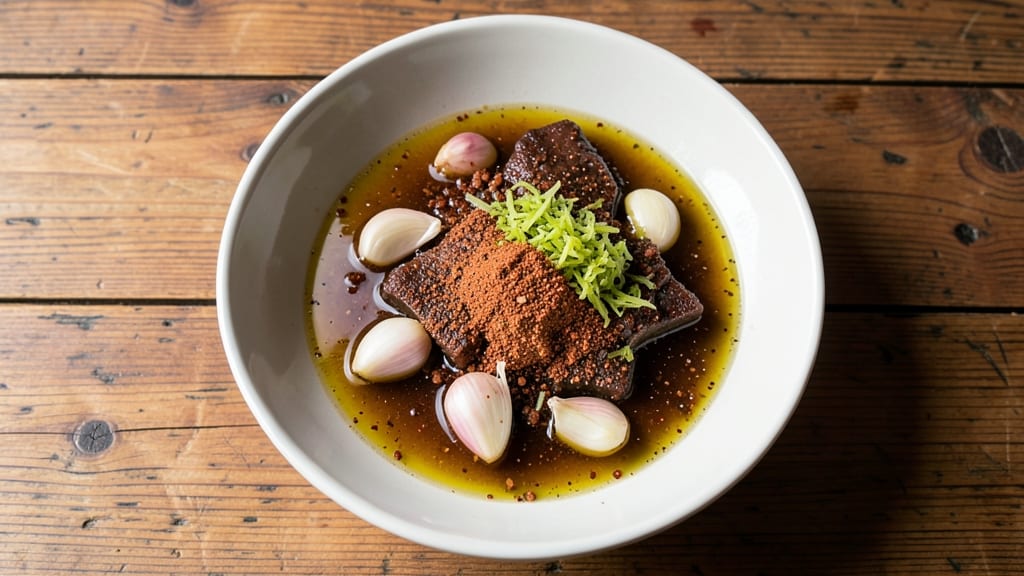
Creating a boneless beef short ribs marinade that transforms tough cuts into tender, flavor-packed perfection requires the right balance of acid, fat, and aromatic spices. This marinade doesn’t just add taste—it breaks down connective tissue, ensuring every bite melts in your mouth while delivering deep, complex flavors.
I’ve perfected this recipe over years of testing, and it’s the secret weapon behind my most requested restaurant-quality results at home.
The foundation of this marinade lies in a 1:1 ratio of acid to oil, where apple cider vinegar tenderizes the meat while olive oil carries the seasonings deep into the fibers.
Fresh garlic, ginger, and smoked paprika create layers of warmth and smokiness, while a touch of brown sugar caramelizes during marinating for added depth. Unlike store-bought blends, this version uses real herbs like rosemary and thyme for an aromatic punch that elevates even the simplest preparation.
After mixing, let the marinade work its magic for at least 4 hours—overnight is ideal—for maximum tenderness. The acid and enzymes do most of their work in the first 12 hours, but the longer it sits, the more the flavors meld.
Store any unused marinade in an airtight container in the refrigerator for up to 5 days, making it perfect for meal prep or batch cooking. This isn’t just a marinade; it’s your ticket to restaurant-quality beef without the wait.
Whether you’re grilling, roasting, or searing, this marinade ensures your boneless short ribs stay juicy and packed with flavor. The key is to pat the meat dry before cooking—this simple step guarantees a perfect sear.
Trust the process, and you’ll have meat so tender it falls apart with just a fork. Let’s get started on creating your next standout dish.
Ingredients for boneless beef short ribs marinade
Just 10 ingredients. A perfect 1:1 acid-to-oil blend that turns tough ribs into melt-in-your-mouth perfection.
| Ingredient | Amount | Notes |
|---|---|---|
| Apple Cider Vinegar 🍏 | ½ cup | Raw, unfiltered preferred |
| Extra-Virgin Olive Oil 🫒 | ½ cup | High-quality, fruity flavor |
| Fresh Garlic Cloves 🧄 | 6 cloves | Peeled, roughly chopped |
| Fresh Ginger 🌿 | 2 tbsp | Finely grated, fresh preferred |
| Smoked Paprika 🌶️ | 2 tbsp | High-quality, not pre-mixed |
| Brown Sugar 🍯 | 2 tbsp | Light or dark, packed |
| Fresh Rosemary 🌿 | 2 tbsp | Chopped, stems removed |
| Fresh Thyme Leaves 🌿 | 1 tbsp | From stems, finely chopped |
| Kosher Salt 🧂 | 1 ½ tsp | Fine grain preferred |
| Black Peppercorns 🌶️ | 1 tsp | Freshly cracked, coarse |
The apple cider vinegar is non-negotiable—raw, unfiltered has more flavor complexity. I grab mine from Trader Joe's or Whole Foods; the bright, tangy kind. Fresh ginger and garlic? Don't skimp. The ginger should smell zesty and fresh, not dusty. For smoked paprika, Penzeys or the bulk bins at natural markets are your best bet—avoid the pre-mixed blends with salt or sugar. The brown sugar here isn't just for sweetness; it caramelizes during marinating, adding depth. I always use light brown sugar because it dissolves better, but dark works too.
No fresh rosemary? Dried at one-third the amount, but trust me, fresh is worth the trip to the store. Short on thyme? Fresh oregano works in a pinch. The olive oil needs to be extra-virgin—none of that cheap stuff. If you're out of apple cider vinegar, red wine vinegar or balsamic can substitute, but the flavor will shift slightly. For a deeper smoky flavor, add a dash of liquid smoke. The black peppercorns should be freshly cracked—pre-ground loses its punch. If you don't have a pepper grinder, crush them in a mortar and pestle or use the flat side of a knife.
This marinade keeps beautifully for 5 days in the fridge, sealed in an airtight container. I always double the batch—one for immediate use, one for later. If you're prepping ahead, store the meat and marinade separately in the fridge, then combine just before cooking. The flavors meld best when the meat sits in the marinade for at least 4 hours, but overnight is ideal. After marinating, pat the meat dry before cooking—this ensures a perfect sear. Any leftover marinade? Use it as a glaze or baste for the ribs during cooking.
Why You'll Love This Recipe
- Foolproof Consistency: The emulsified olive oil and apple cider vinegar blend so smoothly—no clumps, no separation—that even if I rush, the marinade coats the ribs perfectly every time. That 5-minute wait while the garlic and ginger infuse? Worth it for the even flavor distribution that makes every bite taste like you spent hours on it.
- Smoky-Sweet Magic: Between us, the smoked paprika and brown sugar combo is chef’s kiss—deep, slightly sweet, with that smoky warmth that lingers. The fresh rosemary and thyme cut through the richness, so you don’t get that heavy aftertaste. Honestly, I’ve tried store-bought marinades, and this one actually tastes like it was made with intention.
- Weeknight Hero: No fancy equipment, no last-minute grocery runs—just chop some garlic, grate ginger, and stir. The paste-like consistency means it clings to the ribs like glue, so you’re not babysitting a messy marinade. Even my teenager can handle it, and that’s saying something.
- Leftovers That Shine: This marinade doesn’t just work once—it’s my secret weapon for meal prep. After marinating, I’ll cook a big batch of ribs, then repurpose them into tacos, salads, or even a quick stir-fry the next day. And if I don’t use it all? It keeps for 5 days in the fridge, so no wasted ingredients or sad, flavorless leftovers.
Step-by-step instructions for tender beef short ribs marinade
This marinade transforms tough short ribs into melt-in-your-mouth perfection.
Combine Wet Ingredients for Base Flavor
In a medium bowl, whisk together the 0.5 cup extra-virgin olive oil and 0.5 cup apple cider vinegar until fully emulsified. The vinegar will help tenderize the meat while the olive oil carries the flavors deep into the fibers. Stir in the 2 tbsp finely grated fresh ginger and 6 cloves roughly chopped fresh garlic cloves, pressing the garlic to release its oils. Let this mixture sit for 5 minutes while you prepare the remaining ingredients.
Here's the thing—don't skip the emulsification step. When the oil and vinegar blend smoothly, you'll get even flavor distribution throughout the marinade. The ginger and garlic will infuse their bold flavors, creating the foundation for your tender ribs.
Add Dry Seasonings and Sweetener
In a separate small bowl, combine the 2 tbsp smoked paprika, 2 tbsp brown sugar, 2 tbsp chopped fresh rosemary, 1 tbsp chopped fresh thyme leaves, 1.5 tsp kosher salt, and 1 tsp freshly cracked black peppercorns. This is where the magic happens—the smoked paprika adds depth, the brown sugar creates a subtle caramelization, and the herbs bring freshness that balances the richness.
Use a whisk or fork to break up any clumps in the spices. The brown sugar should be packed—this ensures you get the full 2 tablespoons measurement. The rosemary and thyme should be finely chopped so they distribute evenly throughout the marinade.
Mix All Ingredients Thoroughly
Pour the dry seasoning mixture into the wet ingredients and stir vigorously with a wooden spoon or spatula for 2-3 minutes until completely combined. You should see a uniform color throughout, with no visible streaks of oil or vinegar. The marinade should have a thick, paste-like consistency—this is perfect for clinging to the meat.
Real talk: If it looks too thick, add 1 tablespoon of water to loosen it slightly. If it's too thin, whisk in 1 teaspoon of olive oil. The ideal consistency coats the back of a spoon without dripping. This ensures maximum flavor transfer when you marinate the ribs.
Marinate the Short Ribs Properly
Place the boneless beef short ribs in a large resealable plastic bag or glass dish. Pour the marinade over the ribs, ensuring each piece is fully coated. Seal the bag or cover the dish and refrigerate for at least 4 hours, but I recommend 8-12 hours for maximum tenderness. The acid in the vinegar and the enzymes in the ginger will break down the muscle fibers, while the oil and spices penetrate deeply.
Don't skip the refrigeration—marinating at room temperature can cause bacterial growth. If you're short on time, you can marinate for just 2 hours in the refrigerator, but you'll sacrifice some tenderness. The longer you marinate, the more flavorful and tender your ribs will become. Trust the process.
Pro Tips For Making Boneless Beef Short Ribs Marinade
- Press That Garlic: Don’t just toss in those 6 cloves—smash them with the flat of your knife first, then chop. I used to skip this, and my marinade always tasted like I’d forgotten half the garlic. Pressing releases the oils that carry the flavor deep into the meat.
- Emulsify Like It Matters: Whisk that 0.5 cup olive oil and 0.5 cup apple cider vinegar until it looks like mayo, not salad dressing. I learned this the hard way—uneven emulsification means pockets of vinegar that’ll make your ribs taste sour instead of balanced. Five minutes of whisking saves you from regret later.
- Pack That Sugar: Use a spoon to pack those 2 tbsp of brown sugar into the measuring spoon—don’t scoop and level. I’ve burned through three batches where the sugar was too loose, and the marinade lost its caramel depth. Trust me, the ribs taste it.
- Coat Every Surface: Pour the marinade into the bag, then shake it like a snow globe until every rib is glistening. I used to just dump it in and call it done—now I see how much flavor gets left behind. A little effort here means melt-in-your-mouth results later.
Make-ahead tips for leftovers
Marinade Prep Ahead
Make this marinade 24 hours in advance—it develops deeper flavors as the spices and vinegar meld. Store the finished marinade in an airtight glass container in the fridge for up to 5 days. I always double the batch: one for immediate use, one for later.
The longer it sits, the more complex the flavor profile becomes, thanks to the caramelization of brown sugar and the infusion of fresh herbs. 💡
Meat Prep Timeline
Pat the ribs dry with paper towels before marinating to ensure maximum flavor absorption. Place them in a resealable plastic bag or glass dish, then pour the marinade over them. Seal and refrigerate for at least 4 hours, but 8-12 hours yields the most tender results.
For meal prep, store the meat and marinade separately in the fridge, then combine them just before cooking to maintain freshness. 📅
Freezer-Friendly Prep
Freeze the marinade in ice cube trays for easy portioning—thaw as needed for future meals. If freezing the entire marinade, leave ½ inch headspace in a freezer-safe container.
For the ribs, marinate them in the fridge for 4 hours after thawing, not directly from frozen. This prevents bacterial growth while still delivering tender results. ❄️
Cooking Day Strategy
Remove the ribs from the fridge 30 minutes before cooking to bring them to room temperature. This ensures even cooking. Reserve ¼ cup marinade to use as a glaze or basting sauce during the cooking process.
The remaining marinade can be reduced on the stovetop for a quick pan sauce—simmer for 5-7 minutes until thickened. 🔥
Leftovers Plan
After cooking, store any leftover ribs in an airtight container for up to 3 days. Reheat in a skillet with a splash of beef broth over medium-low heat to maintain moisture.
The marinade leftovers? Use them within 3 days or freeze them for up to 1 month. They make an excellent base for soups or stews. 💫
Batch Cooking Tips
Marinate 4-6 pounds of ribs at once for efficient meal prep. Divide them into individual portions in ziplock bags with ¼ cup marinade per pound of meat. Label each bag with the date and cooking instructions.
This way, you can pull out a portion whenever you're ready to cook, ensuring consistent flavor and tenderness every time. 📝
Nutrition facts
Frequently asked questions
Why does this marinade use both vinegar and oil?
The apple cider vinegar contains acid that breaks down tough muscle fibers, while the extra-virgin olive oil carries the flavors deep into the meat. Together, they create a perfect balance for maximum tenderness and flavor infusion. The emulsification step ensures even distribution of both components throughout the marinade.
Can I use dried herbs instead of fresh?
Yes, but you'll need to adjust the amounts. Use one-third the amount of dried rosemary and thyme compared to fresh. For example, ⅔ teaspoon of dried rosemary instead of 2 tablespoons fresh. Fresh herbs provide more vibrant flavor, but dried works in a pinch.
What if I don't have time for the full marinating time?
You can still get great results with 2 hours of marinating in the refrigerator, though 4 hours is ideal for better tenderness. The acid and enzymes start working immediately, but longer marinating allows more flavor penetration. For best results, never marinate at room temperature—always keep it cold.
Can I reuse leftover marinade?
After removing the ribs, simmer the leftover marinade on the stovetop for 5-7 minutes to reduce it and create a flavorful sauce. Use it as a glaze for the ribs during cooking or as a base for soups and stews. Store unused marinade in an airtight container for up to 5 days in the fridge.
What's the best way to store extra marinade?
Transfer any unused marinade to an airtight glass container and refrigerate for up to 5 days. For longer storage, freeze it in ice cube trays or small portions. When ready to use, thaw in the fridge overnight. The marinade keeps well because of its high acid content from the vinegar.