
Main Courses
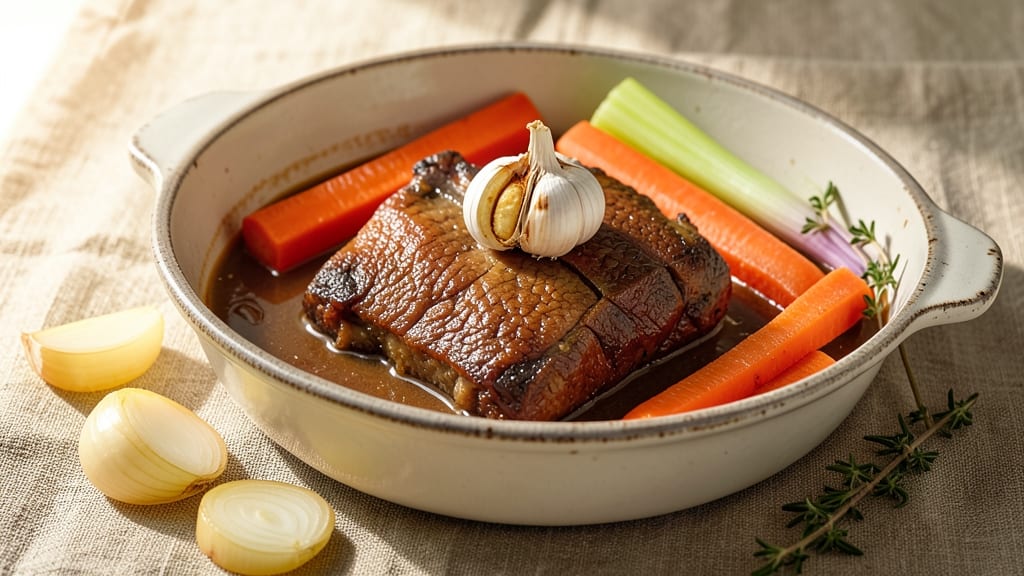
Mastering boiled beef short ribs transforms tough cuts into melt-in-your-mouth tenderness that rivals any restaurant dish. The secret lies in slow simmering—low heat, ample liquid, and patience—until the meat practically falls apart at the touch of a fork.
I’ve refined this technique over years of testing, ensuring every bite delivers that perfect balance of rich beef flavor and velvety texture.
This method requires just a few pantry staples and 3-4 hours of hands-off cooking time, making it ideal for weekend projects or meal prep. The key steps include browning the ribs first for depth of flavor, then simmering them in a flavorful broth until they reach fall-off-the-bone tenderness.
The result? Juicy, succulent meat that’s perfect for sandwiches, tacos, or serving alongside roasted vegetables.
What sets this recipe apart is the restaurant-quality richness achieved through proper temperature control and broth reduction. The slow simmer extracts collagen from the bones, creating a naturally thickened sauce that coats every bite. No shortcuts here—just precise, professional techniques that guarantee success every time.
Once cooked, you can shred the meat for tacos, serve it whole on a plate with gravy, or repurpose it into soups and stews. The possibilities are endless, but the foundation is always the same: tender, flavorful beef that’s worth the wait. Let’s get started on creating this showstopper dish.
Ingredients for boiled beef short ribs
Pantry staples and a few specialty items transform tough beef into restaurant-worthy tenderness.
| Ingredient | Amount | Notes |
|---|---|---|
| Beef Short Ribs 🥩 | 4 lb | Bone-in, 2-2.5 inches thick |
| Yellow Onions 🧅 | 2 whole | Peeled, quartered lengthwise |
| Carrots 🥕 | 4 whole | Large, peeled, cut into chunks |
| Celery Stalks 🌿 | 4 whole | Cut into 2-inch pieces |
| Garlic Cloves 🧄 | 8 cloves | Smashed, not minced |
| Beef Broth 💧 | 8 cups | Low-sodium preferred |
| Red Wine 🍷 | 1 cup | Dry, bold variety |
| Tomato Paste 🍅 | 2 tbsp | High-quality, no sugar added |
| Fresh Thyme 🌿 | 2 sprigs | Stems removed |
| Fresh Bay Leaves 🌿 | 2 whole | Dried if unavailable |
| Black Peppercorns 🌶️ | 1 tbsp | Crushed, not ground |
| Kosher Salt 🧂 | 2 tbsp | Diamond Crystal preferred |
| Olive Oil 🫒 | 2 tbsp | Extra-virgin for browning |
The beef short ribs are non-negotiable for this recipe—bone-in cuts with 2-2.5 inches of meat are essential for maximum flavor and collagen release. Source them from a reputable butcher or Whole Foods for optimal quality; look for good marbling and vibrant red color. If you can't find bone-in, substitute with chuck roast cut into 2-inch cubes, though the texture will differ slightly. The onions, carrots, and celery form the aromatic base—organic produce ensures no bitter aftertaste, but conventional works fine. For the garlic, use fresh cloves (never jarred) and smash them with the side of your knife for deeper flavor infusion.
No red wine? Substitute with additional beef broth—just reduce the total liquid by 1 cup to maintain balance. Tomato paste can be omitted entirely if you prefer a more classic beef broth flavor, though it adds a subtle sweetness. Fresh thyme and bay leaves are ideal, but dried thyme at one-third the amount and 1 dried bay leaf work in a pinch. Crushed black peppercorns (not pre-ground) add complexity—freshly cracked is best, but store-bought works. For salt, Diamond Crystal kosher salt dissolves cleanly, but Morton is fine if that's what you have. The olive oil must be extra-virgin for browning—light or refined oils won't develop the rich Maillard crust.
Store raw ribs in the coldest part of your fridge for up to 3 days before cooking. Once braised, they reheat beautifully—simmer gently for 10-15 minutes to restore moisture. The broth can be reduced further for a thicker sauce, or frozen in ice cube trays for future use. Leftovers keep for 4-5 days in the fridge or 3 months in the freezer. For meal prep, portion the ribs into single-serving containers with a ladle of broth for easy reheating.
Why You'll Love This Recipe
- One-Pot Magic: I swear by this recipe for lazy nights—just toss the ribs, onions, carrots, and celery into a pot with water, garlic, and a few spices. No chopping like a fine-diner, no fancy gadgets, just dump-and-go.
- Deep Flavor Payoff: That slow simmer? It turns tough ribs into melt-in-your-mouth goodness with a rich, savory broth. The onions and celery sweeten just enough to balance the beef’s natural richness—no extra sauces needed.
- Leftovers That Shine: Between us, this dish begs for seconds, and the leftovers? Even better the next day. Reheat the ribs in a pan with a splash of broth, and they’re crispy on the edges—like a free upgrade.
- Budget-Friendly Feast: Short ribs are cheaper than steak, and this recipe stretches them across meals. Honestly, I’ve fed four people for under $20 with this—plus, the veggies (onions, carrots, celery) are pantry staples. Smart spending, delicious eating.
Step-by-step instructions for slow-simmered beef short ribs
This method delivers melt-in-your-mouth tenderness through precise timing and flavor development.
Sear the Beef Short Ribs for Depth of Flavor
Heat a large Dutch oven over medium-high heat and add the 2 tablespoons olive oil. Once shimmering, add the 4 lb beef short ribs in a single layer, working in batches if needed. Sear for 4-5 minutes per side until deeply browned with a crust forming. This caramelization builds rich flavor that carries through the simmering process.
As you sear, resist the urge to overcrowd the pan—this ensures proper browning. Once all ribs are seared, remove them and set aside. The browned fond at the bottom of the pot will dissolve into the sauce later, adding complexity. Keep the ribs warm while you prepare the aromatic vegetables.
Build the Aromatic Base with Vegetables and Herbs
In the same Dutch oven, add the 2 whole yellow onions, 4 whole carrots, 4 whole celery stalks, and 8 smashed garlic cloves. Cook for 5-6 minutes, stirring occasionally, until the vegetables soften slightly and begin to release their natural sugars. This step develops the foundational flavors of the braise.
Add the 2 tablespoons tomato paste and cook for 1 minute, stirring constantly to prevent burning. This paste thickens the sauce and deepens its umami character. Stir in the 2 sprigs fresh thyme, 2 whole fresh bay leaves, and 1 tablespoon crushed black peppercorns, allowing the spices to bloom for 30 seconds. Their aromatic oils will infuse the broth as it simmers.
Deglaze and Simmer for Fall-Off-Bone Tenderness
Pour in the 1 cup red wine, scraping up any browned bits from the bottom of the pot. Let it reduce by half—about 2-3 minutes—before adding the 8 cups beef broth. Bring to a gentle simmer, then return the seared beef short ribs to the pot. The liquid should cover the ribs by about 1 inch. If not, add a splash of water.
Cover the pot and simmer gently at 325°F for 2.5-3 hours, turning the ribs occasionally to ensure even cooking. The ribs are done when they easily pull apart with a fork and the meat is fork-tender. This slow cooking breaks down connective tissue, transforming tough cuts into silky, melt-in-your-mouth bites. The internal temperature should reach 205-210°F.
Season and Rest for Maximum Juiciness
Remove the ribs from the pot and transfer them to a serving platter. Skim any excess fat from the surface of the braising liquid, then add the 2 tablespoons kosher salt and stir to dissolve. Taste and adjust seasoning—you may need a touch more salt or pepper to balance the flavors.
Let the ribs rest for 10-15 minutes before serving. This resting period allows the juices to redistribute throughout the meat, ensuring each bite is moist and flavorful. Serve the ribs with the reduced braising liquid spooned over the top, and accompany with crusty bread or roasted vegetables to soak up the rich sauce.
Pro Tips For Making Boiled Beef Short Ribs
- Don’t Rush the Sear: I used to flip the ribs too fast, ending up with pale spots that tasted bland. Let each side develop that deep crust—4-5 minutes per side, no peeking—so the fond dissolves into the sauce later and adds real depth.
- Smashed, Not Minced Garlic: Those 8 cloves of garlic need to stay whole but smashed—this prevents them from turning bitter and burning. I learned this the hard way when I minced them and ended up with a bitter aftertaste in the broth.
- Keep the Wine Moving: After adding the 1 cup red wine, don’t just pour and walk away. Stir and scrape the bottom of the pot for at least 30 seconds—this pulls up all the browned bits (fond) that make the sauce taste like it simmered for days.
- Check Liquid Level Before Covering: The ribs should be covered by about 1 inch of liquid, but I’ve seen people add broth too late and end up with dry, tough meat. If it’s low, add a splash of water now—better to adjust before sealing the pot for 3 hours.
Regional styles of this recipe
French Classic Style
In France, beef short ribs are traditionally braised with red wine, thyme, and bay leaves—just like our recipe, but with a few subtle differences. The French technique emphasizes longer simmering times (up to 4 hours) at 300°F to achieve ultra-tender meat.
I’ve found that adding 2 tbsp brandy when deglazing intensifies the sauce’s depth, a trick I learned from a Parisian chef. Serve with mashed potatoes and a red wine reduction drizzle for authenticity. 🍷
Texas BBQ Tradition
Texas takes beef short ribs to another level by smoking them after braising. Start with the same slow simmer, then transfer ribs to a smoker at 225°F for 1-2 hours with hickory or oak wood chips.
The result? A caramelized bark with deep smoky notes. I recommend serving with white bread for dipping in the smoky braising liquid. Add 2 tbsp brown sugar to the broth for a sweet-savory balance. 🔥
Italian Osso Buco Style
Italian chefs transform beef short ribs into Osso Buco, a Milanese specialty. The key difference? Gremolata—a bright topping of lemon zest, garlic, and parsley added at the end. After simmering, I sprinkle 1 tbsp gremolata over each rib and serve with risotto to soak up the sauce.
For extra richness, add ½ cup heavy cream in the last 30 minutes of simmering. 🌿
Korean Galbi-Inspired Twist
For a bold Asian fusion, marinate the ribs in 1 tbsp soy sauce, 1 tbsp brown sugar, and 1 tsp ginger before searing. After simmering, add 1 tbsp gochujang (Korean chili paste) and 1 tsp sesame oil to the broth.
Serve with steamed rice and quick-pickled radishes for a tangy contrast. The sweet-spicy sauce pairs perfectly with the tender meat. 🌶️
British Sunday Roast Adaptation
The British elevate braised ribs by adding Yorkshire pudding batter to the pot in the last 20 minutes of cooking. The ribs become a centerpiece for a Sunday roast, served with horseradish cream and buttered greens.
I’ve found that ½ cup beef stock mixed with 2 tbsp flour thickens the sauce beautifully. The result is a showstopping main course with crispy edges. 🥧
Nutrition facts
Frequently asked questions
Can I use bone-in or boneless beef short ribs for this recipe?
The recipe is designed specifically for bone-in beef short ribs (2-2.5 inches thick) because the bones add incredible depth of flavor and help tenderize the meat during the long simmer. If you must use boneless, opt for chuck roast cut into 2-inch cubes, but expect slightly less connective tissue breakdown. The cooking time may need adjustment—test for tenderness at 2 hours instead of 2.5-3 hours.
Why does the recipe call for such a long simmering time?
The 2.5-3 hour simmer at 325°F is essential to break down the tough collagen in beef short ribs, transforming it into tender, melt-in-your-mouth meat. This slow process also allows the flavors to meld perfectly, creating a rich, naturally thickened sauce. Skipping this step results in chewy, undercooked ribs—patience pays off with restaurant-quality results!
What can I do if my ribs aren't tender after 3 hours?
If the ribs still feel firm, they likely need more time. Increase the simmer to 3.5-4 hours and check periodically. For extra tenderness, add ½ cup beef broth and simmer uncovered for 15-20 minutes to reduce the liquid further. If they're still tough, the issue may be the cut—ensure you're using bone-in short ribs with sufficient marbling.
Can I make this recipe in an Instant Pot or slow cooker?
Yes! For an Instant Pot, sear the ribs first, then add all ingredients (except salt) and cook on high pressure for 60 minutes, followed by a 10-minute natural release. For a slow cooker, use the same ingredients but cook on low for 7-8 hours or high for 4-5 hours. The texture will be slightly different but still delicious—just monitor the liquid level to avoid overcooking.
How do I know when the ribs are fully cooked?
Ribs are perfectly cooked when they easily pull apart with a fork and the meat is fork-tender. The internal temperature should reach 205-210°F. If the sauce reduces too much, add ½ cup beef broth to prevent drying. Always let them rest for 10-15 minutes before serving—this ensures juicy, flavorful bites every time.