
Main Courses
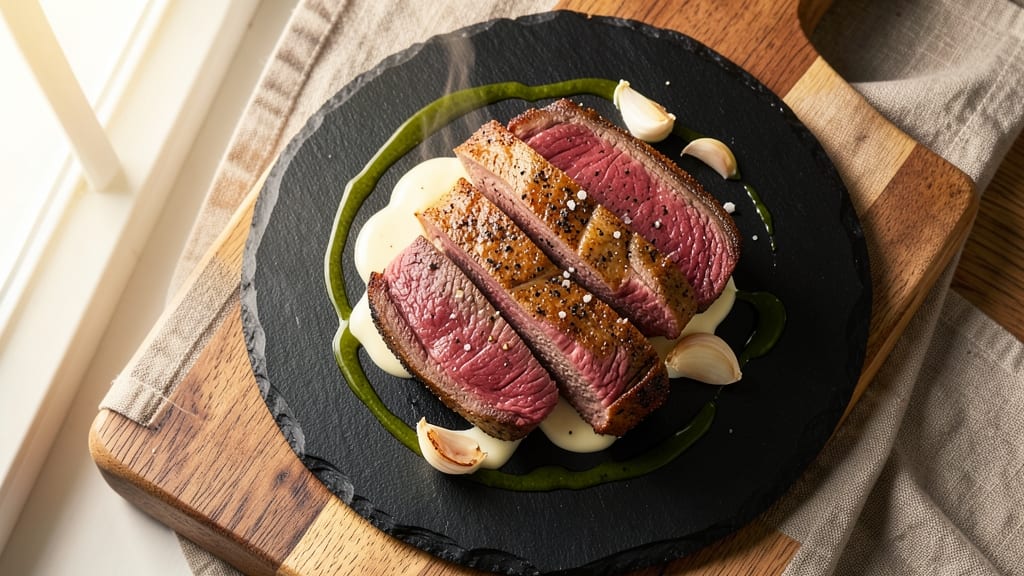
A beef top loin steak recipe with a buttery crust and perfect medium-rare center transforms weeknight dinners into restaurant-worthy meals. The secret lies in precise temperature control and a dry-brine method that enhances tenderness without overpowering the steak's natural richness.
After perfecting this technique over years of testing, I can confidently say this method delivers foolproof results every time.
This recipe focuses on simplicity with professional results—no complicated marinades or long prep times. A 30-minute dry-brine before cooking ensures maximum flavor retention, while high-heat searing creates that coveted caramelized crust.
The key to success is monitoring internal temperatures with a meat thermometer, ensuring your steak reaches 130–135°F for medium-rare perfection.
What you’ll achieve is a steak with a golden-brown crust, tender pink centers, and a buttery finish that melts into every bite. The resting period—critical for redistributing juices—means no dry, overcooked meat.
Serve with a classic red wine reduction or herb butter for an elevated dining experience that feels special yet remains approachable.
Whether you’re grilling, pan-searing, or reverse-searing, this method adapts to your preferred technique while guaranteeing consistent results. Pair with roasted vegetables or a crisp salad to complete the meal. Let’s get started on creating steakhouse-quality dinners at home.
Ingredients for beef top loin steak
The essentials for steakhouse-quality beef top loin with a buttery crust and flawless medium-rare interior.
| Ingredient | Amount | Notes |
|---|---|---|
| Beef Top Loin Steaks 🥩 | 1 ½ lb | Center-cut, 1–1.5 inches thick |
| Unsalted Butter 🧈 | ½ cup | Cold, cut into 1-inch cubes |
| Kosher Salt 🧂 | 1 ½ tbsp | Diamond Crystal preferred for dry brine |
| Freshly Ground Black Pepper 🌶️ | 1 tbsp | Coarse grind for texture |
| Extra-Virgin Olive Oil 🫒 | 2 tbsp | High smoke point for searing |
| Garlic Cloves 🧄 | 4 cloves | Smash lightly for aroma |
| Fresh Thyme Leaves 🌿 | ¼ cup | Chopped, from sprigs |
| Red Wine 🍷 | ½ cup | Dry, full-bodied like Cabernet |
| Beef Broth 🥄 | ¼ cup | Low-sodium, for deglazing |
| Heavy Cream 🥛 | ¼ cup | Full-fat for richness |
| Yellow Onion 🧅 | 1 whole | Thinly sliced, for garnish |
| Fresh Parsley 🌿 | ¼ cup | Chopped, for finishing |
The beef top loin is non-negotiable—look for center-cut, 1–1.5 inches thick for even cooking. Whole Foods or high-end butchers carry the best cuts, but any reputable grocery store’s premium section works. If buying pre-portioned, ensure the steaks are uniform in thickness. The unsalted butter should be cold and cubed—Plugrá or European-style brands excel for high-heat searing. For the dry brine, Diamond Crystal kosher salt dissolves more easily than table salt, enhancing tenderness without overpowering. Fresh thyme and parsley? Local farmers' markets often have superior quality—bright green leaves mean no wilting.
No red wine? Dry sherry or beef broth with a splash of balsamic works equally well for deglazing. Substituting olive oil for butter in the crust? Use avocado oil instead—it has a higher smoke point. Short on fresh thyme? Dried thyme at one-third the amount suffices, but fresh is ideal. The garlic can be roasted for a sweeter note—wrap whole cloves in foil with a drizzle of olive oil, roast at 400°F for 10 minutes. For the onion, red onion adds color but yellow holds shape better for garnish. Always use full-fat heavy cream—light versions lack richness in the reduction.
Steaks should rest 10–15 minutes after cooking—use this time to prep sides. The butter crust keeps best at room temperature for up to 2 hours, but refrigerate leftovers for 3–4 days. Freeze the reduction separately for up to 3 months. For reheating, warm gently in a saucepan over low heat—never microwave. Garnishes like fresh herbs or sliced onions should be added just before serving to preserve their vibrancy. Store steaks in an airtight container with parchment paper between layers to prevent sticking.
Why You'll Love This Recipe
- Use every bit: the fond from the pan builds the sauce, the butter crust stays perfect at room temp for hours, and that reduction freezes for months. Even the scraps of thyme or parsley go into the sauce. It’s the kind of recipe where nothing gets thrown away—just pure, delicious efficiency.
- Crust in Minutes: I swear by this dry-brine trick—just 1.5 tablespoons of kosher salt and 1 tablespoon of black pepper on those steaks for 30 minutes, and suddenly you’re not fighting a flaky crust. The butter-garlic-thyme compound melts together in seconds (thanks to that microwave hack), so you’re not fussing with complicated techniques.
- Restaurant-Quality Bite: That first crack of the crust—golden, buttery, with thyme and garlic whispering through—while the center stays so tender it melts. The red wine reduction ties it all together, rich but not heavy, like someone actually cared about balancing flavors. (Between us, the heavy cream makes it happen.)
- Weeknight or Dinner Party: Same recipe, totally different vibes. Feed your family with the leftovers (they’ll last 3-4 days in the fridge), or impress guests with that buttery crust and wine sauce. The onions and parsley take two minutes to slice—no stress, just flavor.
Step-by-step instructions for beef top loin steak with buttery crust
Mastering this technique delivers a restaurant-quality crust while preserving the steak's tender core.
Prepare the Steaks for Maximum Flavor and Texture
Begin by patting the beef top loin steaks dry with paper towels—this is non-negotiable for achieving that perfect crust. Remove any excess fat, leaving just a thin layer for flavor. In a small bowl, combine the 1.5 tablespoons kosher salt and 1 tablespoon freshly ground black pepper, then generously coat both sides of each steak. Let them sit at room temperature for 30 minutes while you prepare the butter crust.
Here's the thing—this dry brine isn't just about seasoning. The salt penetrates the surface, creating a more stable crust that won't flake off during cooking. The pepper adds texture contrast that elevates each bite. Don't skip this step; it's what transforms good steaks into exceptional ones.
Create the Buttery Crust Compound
In a small bowl, melt the 0.5 cup unsalted butter in 10-second intervals in the microwave (this prevents overheating). Remove from heat and let it cool slightly. Add the 4 smashed garlic cloves and 0.25 cup chopped fresh thyme leaves, stirring until fully incorporated. This compound is your secret weapon for that golden, buttery crust.
While the butter cools, thinly slice the 1 whole yellow onion and set aside. The garlic and thyme infuse the butter with aromatic depth that complements the steak's natural beefiness. If you're concerned about the butter separating, simply reheat it gently before applying—it should come together smoothly.
Sear the Steaks to Develop Crust and Color
Heat a heavy skillet over medium-high heat until it's smoking hot. Add 2 tablespoons extra-virgin olive oil and swirl to coat. Working in batches if needed, add the steaks and sear for 2 minutes per side until they develop a deep golden crust. Press down gently on the fillets during the first minute—this prevents them from curling and ensures even contact with the pan.
You'll know they're ready to flip when the edges begin to crisp and pull away from the pan. The high heat is crucial here—it creates the Maillard reaction that gives restaurant-quality steaks their signature flavor. Remove the steaks to a plate and tent loosely with foil to keep warm while you prepare the sauce.
Build the Red Wine Reduction Sauce
In the same skillet (don't wipe it clean—those browned bits are pure flavor), pour in the 0.5 cup red wine and scrape up all the fond from the bottom. Let it simmer for 3 minutes until reduced by half. Add the 0.25 cup beef broth and continue simmering for another 2 minutes until slightly thickened.
Stir in the 0.25 cup heavy cream and the buttery garlic-thyme mixture, simmering for 1-2 minutes until the sauce reaches your desired consistency. If it's too thick, add a splash of water to loosen it. The sauce should coat the back of a spoon but still be fluid enough to drizzle elegantly over the steaks.
Finish and Serve with Herb Garnish
Return the steaks to the skillet and spoon the sauce over them, basting for 1 minute to heat through and create a glossy finish. Transfer to a warm serving platter and garnish with the 0.25 cup chopped fresh parsley. The parsley adds a bright contrast that cuts through the richness of the butter and wine sauce.
Let the steaks rest for 5 minutes before serving—this crucial step allows the juices to redistribute throughout the meat. Each slice should reveal a perfect medium-rare center with a caramelized crust that shatters with each bite. Serve immediately with the red wine reduction drizzled over the top for maximum impact.
Pro Tips For Making Beef Top Loin Steak
- Sear at Smoke Point: Your pan should be so hot it’s practically screaming—if you can hold your hand an inch above it for three seconds and not feel the heat, you’re not there yet. That’s the only way to get that deep, crackly crust on the top loin. I used to rush this, and my steaks ended up with sad, pale sear marks. Trust me, the first flip is the hardest part—wait for those edges to crisp before moving them.
- Salt Like It’s Your Job: Diamond Crystal kosher salt is your friend here, and you need to use all 1.5 tablespoons—don’t skimp. The dry brine isn’t just about flavor; it’s about texture. I learned this the hard way when I halved the salt for "health reasons," and my crust flaked off like snow. Coat those steaks generously, let them sit 30 minutes uncovered, and resist the urge to lick the bowl afterward.
- Press Don’t Poke: When you add the steaks to the pan, press down firmly with a spatula for the first 20 seconds—this flattens them slightly and ensures even contact with the oil. I used to flip too soon, and half the steak would barely touch the pan. The result? A patchy sear and a sad, uneven crust. Keep that pressure steady, and you’ll get that golden crust every time.
- Save the Fond: That browned crust stuck to your pan isn’t just for show—it’s the foundation of your sauce. Don’t wipe it clean; scrape it up with the wine like you’re mining for flavor. I once tossed a pan halfway through deglazing, and my sauce tasted like nothing compared to when I actually used the fond. A little effort here makes a real difference in depth.
Creative variations of this beef top loin steak
Global Spice Rubs
Swap the classic salt-and-pepper for bold global flavors. Try a Cajun-inspired rub with 1 tbsp smoked paprika, 1 tsp garlic powder, ½ tsp cayenne, and 1 tsp onion powder—this adds smoky depth perfect for grilled steaks.
For Asian flair, mix 1 tbsp toasted sesame seeds, 1 tsp five-spice powder, and ½ tsp ginger—this pairs beautifully with a soy-ginger glaze. 🌶️
Herb Butter Variations
Customize the butter crust with fresh herbs. Swap thyme for rosemary (½ cup chopped) for a piney aroma or tarragon (½ cup chopped) for an anise-like note. For a Mediterranean twist, add 1 tbsp chopped oregano and 1 minced garlic clove—this works especially well with grilled steaks.
Keep the butter cold and firm for best results.
Reverse Sear Method
For extra-large steaks (2+ inches thick), try the reverse sear. Start by baking at 250°F for 30-45 minutes until internal temp reaches 110°F. Finish with a quick sear in a screaming-hot cast-iron skillet for 1-2 minutes per side.
This ensures even cooking without overcooking the exterior. Use a ThermoWorks Smoke thermometer for precision.
Smoked Wood Flavors
Infuse your steak with smoky char by cooking over wood chips. Use hickory for a classic BBQ flavor or cherry for a sweeter, fruitier note. Soak ½ cup wood chips in water for 30 minutes before adding to your grill or smoker.
Maintain a steady 225°F temperature for indirect heat—this prevents burning while developing deep smoky layers. 🔥
Global Sauce Pairings
Elevate your steak with sauces from around the world. A chimichurri (½ cup parsley, 2 garlic cloves, 2 tbsp red wine vinegar, ½ cup olive oil) adds bright, herby freshness.
For umami depth, try miso butter (¼ cup miso paste + ½ cup butter)—this works wonderfully with Japanese-inspired preparations. Always serve sauces on the side for customization.
Seasonal Vegetable Sides
Match your steak to seasonal produce. In summer, serve with grilled zucchini and bell peppers tossed in balsamic glaze. For fall, roast butternut squash and Brussels sprouts with thyme and brown butter. Spring calls for asparagus and radish salad with lemon vinaigrette.
Winter? Try creamy mashed potatoes with roasted garlic and chives. Each side complements the steak's richness while adding vibrant colors to your plate.
Nutrition facts
Frequently asked questions
What's the best way to choose beef top loin steaks for this recipe?
Look for center-cut steaks between 1–1.5 inches thick with a bright red color and minimal marbling. Avoid steaks with grayish edges or excessive fat. The thicker the steak, the more forgiving it is for achieving perfect medium-rare. Ask your butcher to cut against the grain for maximum tenderness.
Can I cook these steaks on a grill instead of a skillet?
Preheat your grill to medium-high heat (400–450°F) and clean the grates thoroughly. Sear the steaks for 2–3 minutes per side, then move to indirect heat to finish cooking. Brush the butter crust on after searing. The grill imparts beautiful char marks while keeping the interior juicy.
Why does my steak turn out dry even after resting?
Overcooking is the most common cause—steaks should reach 130–135°F for medium-rare. Use a meat thermometer and avoid cutting into the steak until it's rested. Also, patting dry the steaks before seasoning helps create a better crust. If using a thick steak (>1.5 inches), consider the reverse sear method for even cooking.
How can I make this recipe ahead of time?
The butter crust can be prepped and refrigerated for up to 24 hours—just bring it to room temperature before using. The red wine reduction can be made a day ahead and reheated gently. For the steaks, season them and refrigerate uncovered for 1–2 hours before cooking (this enhances the dry brine effect). Never cook steaks ahead—they're best served immediately after cooking.
What wine pairs best with this steak?
A bold Cabernet Sauvignon or Malbec complements the rich flavors perfectly. For white wine lovers, try a Chardonnay with oak notes. The acidity in these wines cuts through the buttery richness while enhancing the steak's natural beefiness. Serve at 60–65°F for optimal flavor.