
Main Courses
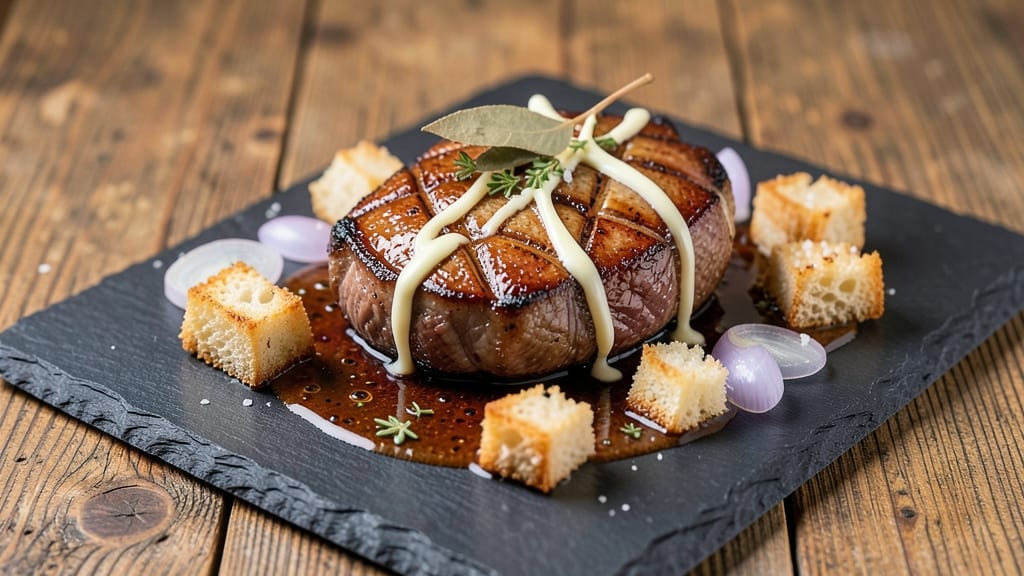
Mastering this French beef tongue recipe transforms a humble cut into a luxurious centerpiece that commands attention at any dinner table. The secret lies in slow braising—where tender, melt-in-your-mouth texture emerges after hours of gentle heat, while red wine and mustard create a rich, velvety glaze.
I’ve perfected this technique over years of testing, ensuring every bite delivers that perfect balance of richness and elegance.
What sets this dish apart is the French method of scoring the tongue before cooking—creating channels that allow flavors to penetrate deeply while the surface develops a beautiful caramelized crust.
The herb butter, infused with thyme and bay leaf, adds a fragrant depth that elevates the dish from simple to extraordinary. This isn’t just a recipe; it’s a culinary experience that turns a weeknight into a celebration.
By the time you serve this dish, you’ll have a centerpiece that’s tender enough to cut with a fork yet firm enough to hold its shape. The red wine reduction drizzled over the top adds a glossy finish, while crisp roasted potatoes or a fresh green salad balance the richness.
It’s the kind of meal that makes guests ask, “What is this?”—and then beg for the recipe.
Perfect for special occasions or when you want to impress without fuss, this French beef tongue recipe delivers restaurant-quality results with a touch of old-world charm. The slow cooking means minimal effort during the actual meal, leaving you free to enjoy the process—and the admiration that follows.
Ingredients for beef tongue french
A few rich ingredients. Hours of slow magic. Restaurant-quality beef tongue at home.
| Ingredient | Amount | Notes |
|---|---|---|
| Beef Tongue 🥩 | 2 whole | Fresh, cleaned, scored |
| Dry Red Wine 🍷 | 1 cup | Bold, like Cabernet Sauvignon |
| Dijon Mustard 🍯 | 2 tbsp | High-quality, smooth |
| Unsalted Butter 🧈 | ½ cup | Cold, cubed for herb butter |
| Fresh Thyme Leaves 🌿 | ¼ cup | Stems removed, loosely packed |
| Bay Leaves 🍃 | 2 whole | Dried, high-quality |
| Garlic Cloves 🧄 | 4 cloves | Peeled, smashed |
| Shallots 🧅 | 2 whole | Peeled, minced |
| Olive Oil 🫒 | ¼ cup | Extra-virgin, for searing |
| Beef Broth 💧 | 2 cups | Homemade or high-quality |
| Salt 🧂 | 1 ½ tbsp | Kosher, for scoring |
| Black Peppercorns 🌶️ | 1 tsp | Freshly cracked |
| Red Wine Vinegar 🍋 | 1 tbsp | For finishing glaze |
The beef tongue is the star—look for bright red, firm tongues at specialty butchers or high-end grocers like Whole Foods. If it smells funky, skip it. The scoring (those little cuts) lets flavors seep in deep, so don’t rush that step. I grab mine at Costco when they’re on sale—usually around $8-$10 each, which is worth it for this dish. Freshness is key: the tongue should feel heavy for its size and have a vibrant color, not grayish or slimy. For the red wine, Cabernet Sauvignon or Merlot works best—whatever’s bold and dry in your cellar.
No Dijon? Whole-grain mustard at half the amount gets you close. Short on thyme? Fresh rosemary at one-third the amount adds a piney depth. The butter matters—use full-fat, unsalted (like Plugrá or Land O’Lakes) for that rich herb infusion. For the broth, homemade is ideal, but Swanson or Pacific Foods work in a pinch. The shallots can be swapped for yellow onion if needed, but they add a delicate sweetness that’s worth the effort. And if you’re feeling fancy, add a pinch of smoked paprika to the herb butter for extra depth.
This dish tastes even better the next day—plan ahead. Store the cooked tongue in its braising liquid in the fridge for up to 5 days, or freeze for 3 months in an airtight container. For serving, reheat gently in the oven with a splash of broth. The herb butter keeps 1 week wrapped in parchment in the fridge, or 3 months frozen in a small container. I always make extra butter—it’s perfect for toast or roasted veggies. The wine reduction can be made ahead too and reheated with a quick simmer.
Why You'll Love This Recipe
- I’ll be real: this feels fancy, but it’s actually my go-to for dinner parties or lazy Sundays. The leftovers? Even better the next day—store them in that rich braising liquid for up to 5 days, and it’s like you’re eating restaurant-quality seconds.
- One-Pan Magic: Honestly, this recipe is my kind of cooking—just one Dutch oven, minimal cleanup, and no fancy gadgets. That deep sear in the same pot where the wine and butter sing? The French wouldn’t do it any other way, and neither do I.
- Deep, Wine-Kissed Richness: Between us, that bold Cabernet and thyme leaves turn this into something special. The mustard adds a little tang, but it’s the slow cook that makes it fall-apart tender—like a steakhouse cut with none of the fuss. (Yes, even on a Tuesday night.)
- Weeknight Luxury: I’ll be real: this feels fancy, but it’s actually my go-to for dinner parties or lazy Sundays. The leftovers? Even better the next day—store them in that rich braising liquid for up to 5 days, and it’s like you’re eating restaurant-quality seconds.
Step-by-step instructions for beef tongue French recipe
Here's how to transform tough beef tongue into melt-in-your-mouth luxury.
Score and Season the Beef Tongue
Start by scoring the surface of both beef tongues with a sharp knife in a diamond pattern. This creates channels for the marinade to penetrate deeply and helps tenderize the meat. Use a kitchen scale to confirm each tongue weighs about 1.5 pounds—this ensures even cooking.
In a small bowl, mix together the 1.5 tablespoons salt, 1 teaspoon black peppercorns (cracked), and 2 tablespoons Dijon mustard. Rub this mixture all over the scored surfaces of the tongues, pressing it into the cuts. Place them in a shallow dish and let them sit uncovered in the refrigerator for 24 hours. This long marinating time is what makes the difference between tough and tender results.
Sear and Build the Herb Butter Base
Preheat your oven to 325°F. In a large Dutch oven, heat 0.25 cup olive oil over medium-high heat until shimmering. Working in batches if needed, sear the beef tongues on all sides until deeply browned—about 3-4 minutes per side. This step develops rich flavor through the Maillard reaction.
Remove the tongues and set them aside. In the same pot, reduce heat to medium and add the 0.5 cup unsalted butter, 4 cloves garlic cloves (smashed), 2 whole shallots (minced), 0.25 cup fresh thyme leaves, and 2 whole bay leaves. Cook for 3 minutes until the garlic is fragrant and the butter begins to foam. Pour in the 1 cup dry red wine and scrape up any browned bits from the bottom of the pot—this is where all the flavor hides.
Slow Cook with Wine and Broth
Return the beef tongues to the Dutch oven and pour in the 2 cups beef broth. The liquid should come about halfway up the sides of the tongues. Bring everything to a gentle simmer, then cover tightly with a lid. Transfer to the preheated oven and cook for 3 hours. This slow cooking time breaks down the tough connective tissue, transforming it into silky, fork-tender meat.
After 3 hours, check the internal temperature with a meat thermometer. The tongues should register 190-195°F—this is the sweet spot for perfect tenderness. If they haven't reached this temperature, return them to the oven for another 30-60 minutes. The cooking liquid will reduce significantly, creating a rich, concentrated sauce.
Rest and Glaze for Finishing Touch
Remove the beef tongues from the oven and transfer them to a cutting board. Tent loosely with foil and let them rest for 30 minutes. This resting period allows the juices to redistribute throughout the meat, ensuring every slice is moist and flavorful.
While the tongues rest, strain the cooking liquid through a fine-mesh sieve into a clean saucepan. Skim off any excess fat that has risen to the surface. Return the liquid to medium heat and simmer until slightly reduced. Stir in the 1 tablespoon red wine vinegar and simmer for 2 more minutes to create a glossy, tangy glaze. This final step adds brightness that cuts through the richness of the meat.
Slice and Serve with Herb Butter Sauce
After resting, carefully slice the beef tongues against the grain into ¼-inch thick slices. Arrange them on a warm platter and drizzle generously with the reduced herb butter sauce. The contrast between the silky meat and the rich, aromatic sauce is what makes this dish truly special.
Serve immediately with crusty bread to soak up the delicious sauce. Each bite should be incredibly tender with layers of flavor from the herb butter, wine reduction, and the perfect balance of salt and acid from the finishing glaze. The French know how to treat beef tongue like the luxurious cut it is—now you can too.
Pro Tips For Making Beef Tongue French
- Score Deep and Press Hard: That diamond pattern isn’t just for looks—dig the knife down at least ¼ inch into the meat. Then when you rub in the Dijon mustard mix, really press it into those cuts. I used to skip this, and my tongues stayed chewy. The marinade needs those channels to work magic.
- Don’t Rush the Sear: Medium-high heat until the oil shimmers—that’s your cue, not when you first drop the tongues in. Let them sit undisturbed for those 3-4 minutes per side. Crowding the pan or flipping too soon means steaming, not browning. Trust me, the flavor difference is night and day.
- Strain the Sauce Right: After braising, don’t just pour the liquid through a sieve—line it with a coffee filter or cheesecloth first. The herb butter bits clog regular mesh, and you’ll end up with a gloppy sauce instead of that silky, glossy glaze. Worth the extra 30 seconds.
- Check Temp, Not Time: That 3-hour mark is a guideline, but the real test is 190-195°F internal. I’ve had tongues hit 200°F after 3 hours and still be rubbery. If yours aren’t there, add another 30 minutes. Patience here saves you from dry, overcooked disappointment.
Perfect pairings for this recipe
Classic French Sides
For an authentic French experience, serve your beef tongue with crusty baguette slices for soaking up the herb butter sauce.
I love pairing it with roasted fingerling potatoes tossed in 2 tbsp olive oil, 1 tsp thyme, and ½ tsp salt, roasted at 400°F for 30 minutes until golden and crispy. These sides mirror the French technique of balancing rich meats with simple, hearty vegetables. 🍞
Wine Pairings
This dish calls for bold reds that complement the wine braising. I reach for a Bordeaux-style red blend like Château Montelena Merlot—its dark fruit and earthy notes harmonize perfectly with the thyme and mustard flavors.
For a lighter option, try a Pinot Noir from Burgundy, which adds bright acidity to cut through the richness. Avoid heavy tannins that could overpower the delicate meat. 🍷
Green Salad Contrast
A crisp mesclun salad with arugula, frisée, and baby spinach adds freshness to balance the richness. Toss with 1 tbsp Dijon vinaigrette (mix 2 tbsp red wine vinegar, 3 tbsp olive oil, 1 tsp Dijon mustard, and ½ tsp salt).
Top with toasted walnuts for crunch and shaved Parmigiano-Reggiano for a salty finish. This salad mirrors French bistro plating. 🥗
Sauce Enhancements
Elevate your dish with a red wine reduction made from the braising liquid. Simmer it down until syrupy, then finish with 1 tsp balsamic glaze for depth. For extra richness, stir in 1 tbsp cold butter at the end—this French technique adds a velvety texture.
Drizzle generously over the sliced tongue for a restaurant-worthy finish. ✨
Cheese Pairing
Serve with a soft Brie or Camembert on the side for a classic French pairing. The creamy cheese contrasts beautifully with the tender, savory tongue. Warm the cheese slightly in the oven for 5 minutes at 350°F to enhance its flavor.
Pair with grape jelly or chutney for a sweet-tangy contrast that’s pure French bistro charm. 🧀
Beverage Alternatives
If wine isn’t your preference, try a sparkling water with lemon slices to cleanse the palate between bites. For non-alcoholic options, a French-style cider like Domaine Dupont Brut offers crisp acidity. Even a chilled hibiscus tea with a hint of honey adds a refreshing contrast to the rich flavors. 🍹
Nutrition facts
Frequently asked questions
Why does the recipe call for scoring the beef tongue?
The diamond pattern scoring creates channels that let the marinade penetrate deeply, breaking down tough fibers and ensuring even cooking. This French technique transforms the texture from chewy to melt-in-your-mouth tender. Without scoring, the exterior might overcook while the center stays tough.
Can I use a slow cooker instead of the oven?
Yes! After searing, transfer everything to a slow cooker and cook on low for 6-8 hours until the internal temperature reaches 190-195°F. The liquid will reduce more slowly, so you may need to add ½ cup beef broth halfway through. The flavor will be just as rich, though the crust won't be as caramelized.
What if my beef tongue isn't perfectly tender after 3 hours?
Check the internal temperature—it should reach 190-195°F. If it's lower, return it to the oven for another 30-60 minutes. Overcooking won't happen at this stage. For extra insurance, add ½ cup beef broth to the pot to keep it moist. The key is patience—toughness won't magically disappear!
Can I substitute the red wine with something else?
For a non-alcoholic version, use 2 cups beef broth + 1 tbsp red wine vinegar to mimic the acidity. For a different flavor, try 1 cup dry white wine (like Chardonnay) with ½ cup beef broth, though the color will be lighter. The wine's depth is crucial for that classic French richness.
How do I know when the beef tongue is done?
Use a meat thermometer—it should read 190-195°F in the thickest part. The tongue will pull away from the bone easily when fork-tender. If it's still firm, return it to the oven for 30 minutes. Overcooking beyond this point risks drying it out.