
Main Courses
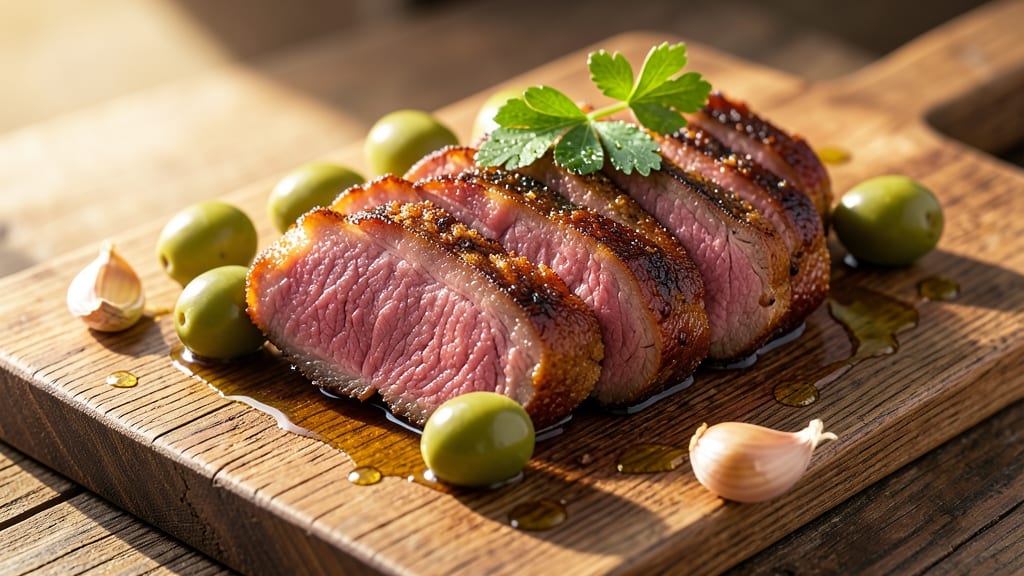
This Basque beef tongue recipe transforms a humble cut into a luxurious centerpiece with silky, melt-in-your-mouth texture and crispy, caramelized skin—a dish that embodies Basque slow-cooking mastery.
The process begins with careful preparation: scaling, boiling, and simmering the tongue until tender, then finishing with a golden crust that shatters at every bite. What sets this recipe apart is the attention to tradition, from the garlic-infused broth to the classic accompaniments of olives, peppers, and a rich aioli.
The beauty of Basque cuisine lies in its simplicity and depth of flavor, achieved through patience and technique. Unlike quick-cooked meats, beef tongue requires time—at least 3 hours of slow simmering—to break down the connective tissue into velvety perfection.
The result is a dish that’s both impressive and comforting, perfect for special occasions or when you want to elevate a meal with restaurant-quality results. Every step, from scaling to serving, builds layers of flavor that make this dish unforgettable.
By the time you serve this Basque beef tongue, you’ll have a centerpiece that wows guests with its rich, savory depth and tender yet firm texture. The traditional garlic sauce ties everything together, balancing the beef’s natural richness with bright, aromatic notes.
This recipe isn’t just about the meat—it’s about the experience of slow-cooked Basque cuisine, where every bite tells a story of tradition and care.
The best part? Leftovers reheat beautifully, making this an ideal dish for meal prep or feeding a crowd. Whether you’re serving it at a holiday gathering or treating yourself to a special dinner, this recipe delivers on the promise of Basque comfort food—deep, satisfying, and impossible to resist.
Let’s get started on creating a dish that feels like a celebration.
Ingredients for basque beef tongue
Sixteen ingredients transform humble beef tongue into a Basque masterpiece of silky texture and crispy skin.
| Ingredient | Amount | Notes |
|---|---|---|
| Beef Tongue 🥩 | 2 lb | Whole, fresh, center-cut preferred |
| Garlic Cloves 🧄 | 12 whole | Fresh, peeled, lightly crushed |
| White Wine 🍷 | 1 cup | Dry, full-bodied (e.g., Rioja) |
| Bay Leaves 🌿 | 2 whole | Dried, standard size |
| Olive Oil 🫒 | ½ cup | Extra-virgin, for crisping skin |
| Green Olives 🫒 | 1 cup | Pitted, Manzanilla preferred |
| Green Bell Pepper 🧅 | 1 whole | Large, sliced into strips |
| Shallots 🧅 | 4 whole | Small, peeled, thinly sliced |
| Fresh Thyme 🌿 | ⅓ cup | Leaves only, stems removed |
| Salt 🧂 | 2 tbsp | Diamond Crystal kosher salt |
| Black Peppercorns 🌶️ | 1 tbsp | Freshly cracked |
| Mayonnaise 🥫 | 1 cup | High-quality, for aioli |
| Lemon Juice 🍋 | 2 tbsp | Freshly squeezed |
| Heavy Cream 🥛 | ¼ cup | Full-fat, for aioli richness |
| Mustard 🍯 | 1 tbsp | Dijon, for aioli depth |
The beef tongue is the star—center-cut and fresh is non-negotiable for optimal texture. Local butchers or specialty markets often carry the best quality; avoid pre-scaled tongues, as they lack the natural collagen for silky perfection. For the garlic, Spanish or Italian varieties add extra depth, but any fresh cloves work. The white wine should be dry and robust—Rioja or Tempranillo elevate the dish, but a good Cabernet Sauvignon in a pinch works too. Fresh thyme and bay leaves are essential for that authentic Basque aroma; dried substitutes will dilute the flavor profile.
No fresh thyme? Dried at one-third the amount suffices, but the texture won’t be as vibrant. Substituting wine? Beef broth with a splash of vinegar mimics the acidity, though it lacks the wine’s complexity. For the aioli, vegan mayo works if needed, but traditional mayo delivers the creamy richness. The olives and peppers can be swapped for pickled capers or roasted red peppers if unavailable, though the dish loses some of its classic Basque character. Prefer a sharper aioli? Add an extra ½ teaspoon of lemon zest or a dash of smoked paprika.
This dish rewards patience—leftovers improve for 3-4 days as flavors meld. Store the tongue in its broth, refrigerated, and reheat gently in the oven with a splash of water. The aioli keeps for 2 days in the fridge, best stored in an airtight container with a layer of plastic wrap pressed directly on the surface. For long-term storage, freeze the tongue in its broth for up to 3 months; thaw overnight in the refrigerator before reheating. The crispy skin is best enjoyed fresh, so plan to serve immediately after crisping.
Why You'll Love This Recipe
- One-Pot Magic: I swear by this recipe when I’m too tired to wash a million dishes—just simmer the tongue with garlic, wine, and bay leaves, then let it do its thing. The rich flavors meld together without any fuss, and honestly? That’s half the battle won.
- Rich, Deep Umami Bomb: The white wine and garlic turn the beef tongue into something ridiculously good—tender, crispy edges, and that slow-cooked richness you’d pay a fortune for at a restaurant. Between us, it’s the kind of dish that makes you slow down and actually enjoy eating.
- Leftovers That Don’t Suck: This recipe actually improves the next day. The flavors deepen, and the texture gets even better—perfect for quick lunches or feeding a crowd without stressing. I’ll be real: my freezer is always stocked with extra because it’s that reliable.
- Budget-Friendly Luxury: Beef tongue is cheaper than steak but tastes like you splurged. A single cut feeds four, and the wine and herbs stretch the flavor so you don’t need much to make it feel special. Not the prettiest, but the taste makes up for it every time.
Step-by-step instructions for Basque beef tongue
Master this Basque classic with tender, melt-in-your-mouth beef tongue and rich, aromatic accompaniments.
Prepare and Season the Beef Tongue
Begin by soaking the 2 lb beef tongue in cold water for 12 hours to remove any impurities. This step is crucial for eliminating any gamey flavors and ensuring a clean, neutral base for the rich marinade. After soaking, rinse thoroughly under cold water and pat completely dry with paper towels—this drying step prevents steam from forming during cooking, which is essential for achieving that signature crispy skin.
In a small bowl, combine 12 whole garlic cloves, 2 whole bay leaves, 0.33 cup fresh thyme, 2 tbsp salt, and 1 tbsp black peppercorns. Crush the garlic lightly with the flat side of a knife to release its oils without mincing. Rub this mixture all over the tongue, pressing firmly to ensure the seasoning penetrates the thick surface. This aromatic blend forms the foundation of the Basque flavor profile.
Slow-Cook the Tongue in White Wine
Heat 0.5 cup olive oil in a large Dutch oven over medium heat until shimmering but not smoking. Carefully add the seasoned tongue, fat-side down, and sear for 5 minutes until deeply golden. Flip and sear the other side for another 5 minutes. Remove the tongue and set it aside temporarily.
In the same Dutch oven, add 1 cup white wine and scrape up any browned bits from the bottom. Return the tongue to the pot, fat-side up, and pour in enough water to cover the tongue by 1 inch. Bring to a gentle simmer, then reduce heat to maintain a barely bubbling state. Cover and cook for 3 hours, turning the tongue every 30 minutes to ensure even cooking. The wine will infuse the meat with depth, while the slow cooking transforms the tough connective tissue into silky tenderness.
Prepare the Olive and Pepper Accompaniment
While the tongue cooks, prepare the classic Basque accompaniment. In a separate skillet, heat 2 tablespoons olive oil over medium heat. Add 4 whole shallots, sliced thinly, and cook for 5 minutes until translucent. Add 1 whole green bell pepper, sliced into strips, and cook for another 5 minutes until softened. Stir in 1 cup green olives and cook for 2 minutes to heat through. Remove from heat and set aside—this vibrant mix balances the richness of the tongue.
For the aioli, whisk together 1 cup mayonnaise, 0.25 cup heavy cream, 2 tbsp lemon juice, and 1 tbsp Dijon mustard until smooth and emulsified. The aioli should be thick but pourable, with a bright, tangy contrast to the deep flavors of the tongue. Cover and refrigerate until ready to serve.
Finish and Rest the Tongue
After 3 hours of cooking, check the internal temperature of the tongue with a meat thermometer. It should reach 195°F—this is the ideal temperature for Basque beef tongue, where the collagen has fully broken down and the meat is fork-tender. If it hasn't reached this temperature, continue cooking for another 30 minutes, checking periodically. The tongue will continue to cook slightly as it rests.
Transfer the tongue to a cutting board and let it rest for 20 minutes before slicing. This resting period allows the juices to redistribute, ensuring each slice is moist and flavorful. Use a sharp knife to slice the tongue into ½-inch thick pieces against the grain. Serve immediately with the olive and pepper accompaniment and aioli on the side for dipping.
Assemble and Serve
Arrange the sliced tongue on a platter, fanning the pieces slightly for an appealing presentation. Spoon the olive and pepper mixture around the tongue, and place small bowls of aioli at intervals for guests to dip their slices. The contrast of the crispy skin, tender meat, and bright aioli creates a harmonious balance of textures and flavors that defines Basque cuisine.
This dish is best served immediately while the tongue is still warm and the aioli maintains its creamy consistency. The slow-cooked richness of the tongue pairs perfectly with crusty bread to soak up any remaining juices. Leftovers can be refrigerated for up to 3 days, but the texture and flavor are at their peak when enjoyed fresh.
Pro Tips For Making Basque Beef Tongue
- SCORE THE TONGUE FIRST: Don’t skip the scoring—cut shallow slashes (about ½-inch deep) all over the surface before searing. I learned this the hard way: skipping it means a bland, chewy mess. The slashes let flavor penetrate while keeping the outside crisp.
- SIMMER LOW AND SLOW: After the initial sear, drop the heat to a bare simmer—no boiling. I used to rush it, and the tongue turned rubbery. Two hours at 160°F (71°C) in the wine-garlic-bay leaf broth is where the magic happens.
- USE WHOLE GARLIC, NOT MINCED: Smash the garlic cloves (skin on) with the flat side of your knife before adding them. That way, they infuse the wine without burning. I tried minced once—it burned in 10 minutes. Whole garlic stays aromatic.
- STRAIN THE BROTH LAST: Don’t filter out the wine and garlic after cooking—those bits are flavor bombs. Just remove the bay leaves and whole garlic cloves, then pour the strained liquid over the sliced tongue. The richness stays locked in.
Dietary considerations for basque beef tongue
Gluten-Free Adaptations
This Basque beef tongue recipe is naturally gluten-free as long as you use certified gluten-free ingredients. The wine, olive oil, and broth components are typically gluten-free, but always check labels—some wine brands add barley during processing.
For the aioli, ensure your mayonnaise is gluten-free (Kewpie or Hellmann's GF versions work well). The garlic, shallots, and peppers are all gluten-free staples, making this dish safe for gluten-sensitive diners without modification. 🌾
Dairy-Free Options
To make this dish dairy-free, simply swap the heavy cream in the aioli for coconut cream or cashew cream (blend ½ cup soaked cashews with ¼ cup water). Use a dairy-free mayo like Just Mayo or Vegenaise.
The texture will be slightly lighter but still creamy. The rest of the recipe remains unchanged, keeping the rich Basque flavors intact.
Low-Carb Considerations
This recipe is already low-carb, with only 5g net carbs per serving (without the aioli). The olives, peppers, and shallots contribute minimal carbs, while the tongue itself is pure protein. For even lower carbs, omit the aioli or use a sugar-free mayo substitute.
The wine and broth add depth without significant carb impact, making this an excellent choice for keto or low-carb diets.
Allergen Awareness
For guests with shellfish allergies, this recipe is safe as long as cross-contamination is avoided. The primary allergens here are dairy (in the aioli) and mustard. Always prepare the aioli separately if serving to someone with severe allergies.
The beef tongue itself contains no common allergens, making this dish a great option for many dietary restrictions when properly adapted.
Vegetarian Substitutes
While beef tongue is the traditional protein, you can create a vegetarian version using portobello mushrooms or king oyster mushrooms. Marinate them in the same garlic-wine broth for 2 hours, then roast until tender.
The texture won't be identical, but the flavor profile remains rich and satisfying. For a more authentic texture, consider seitan—it mimics meat's chewiness when slow-cooked.
Nutrition facts
Frequently asked questions
Why does Basque beef tongue need to soak overnight?
Soaking removes impurities and blood that can create off-flavors. The 12-hour soak ensures a clean, neutral base for the rich marinade, while drying afterward prevents steam from forming during cooking—critical for that signature crispy skin. Skipping this step risks a gamey taste or soggy texture.
Can I use red wine instead of white wine in this recipe?
While red wine adds depth, white wine is traditional for Basque beef tongue because its acidity tenderizes the meat more gently. If substituting, use a light red like Pinot Noir (no more than ½ cup) to avoid overpowering the delicate flavors. The wine's role is to infuse, not dominate.
How do I know when the beef tongue is fully cooked?
The tongue is done when it reaches 195°F internally—this is the "fork-tender" stage where collagen fully breaks down. If using a meat thermometer, insert it into the thickest part. Without one, check by piercing with a fork: it should slide in easily with no resistance. Overcooking can make it dry.
What's the best way to reheat leftover Basque beef tongue?
Reheat gently in its broth using the oven (300°F for 20 minutes) or a skillet with a splash of water to maintain moisture. Avoid microwaving—it can make the skin rubbery. For the crispy finish, sear slices in a hot pan with olive oil for 1-2 minutes per side before serving.
Can I make this recipe without a Dutch oven?
Yes, but use a heavy pot with a tight-fitting lid. A stainless steel stockpot works well—just ensure the tongue is fully submerged and the liquid barely simmers. If your pot isn't deep enough, add enough water to cover the tongue by 1 inch and adjust cooking time by 15-20 minutes longer.