
Sauces & Condiments
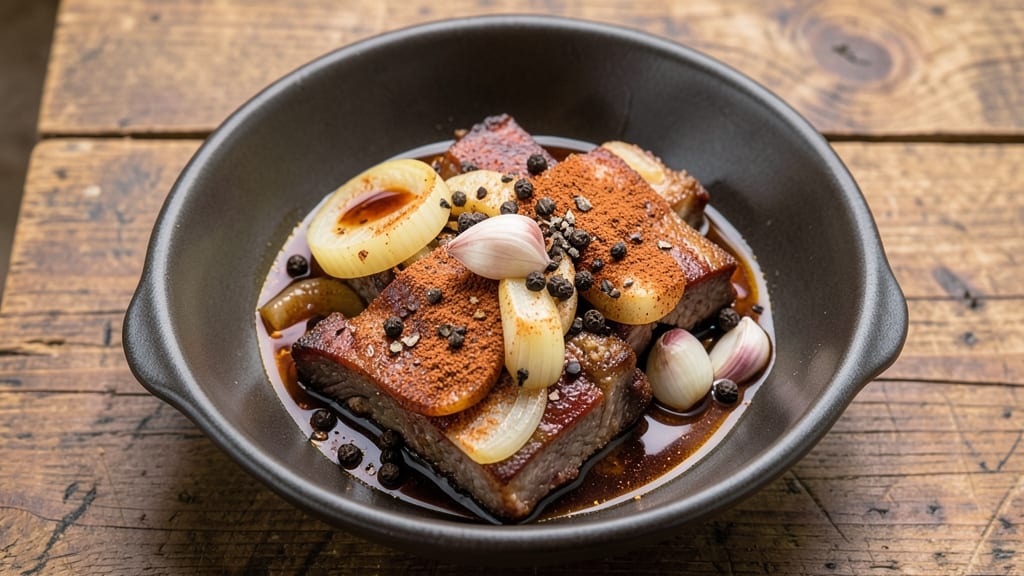
This beef spare ribs marinade recipe transforms tough cuts into melt-in-your-mouth tenderness with a perfect balance of smoky, sweet, and umami flavors. The secret lies in a carefully balanced blend of acids, oils, and spices that penetrate deeply while preserving natural richness.
After years of perfecting this marinade, I can confidently say it elevates ribs from the grill, smoker, or oven to restaurant-quality results every time.
The marinade works by breaking down connective tissue through gentle acidity while infusing bold flavors through time. You'll need just four simple ingredients—soy sauce for umami depth, brown sugar for caramelization, apple cider vinegar for tenderness, and a blend of spices including garlic, onion, and smoked paprika.
The mixture is designed to be applied generously and allowed to work its magic for at least 4 hours, though overnight results yield maximum tenderness.
What makes this marinade truly effective is its ability to create a flavorful bark while keeping the meat juicy inside. The combination of vinegar and sugar creates a subtle caramelization during cooking, while the spices add complexity that stands up to any cooking method.
Whether you're grilling, smoking, or braising, this marinade ensures your ribs will be tender, flavorful, and impossible to resist—no matter how you prepare them.
For best results, apply the marinade liberally and let the ribs rest for at least 30 minutes before cooking to allow the flavors to fully penetrate. This marinade is equally effective for beef short ribs or pork ribs, making it a versatile addition to your cooking arsenal.
Let's get started on creating ribs that will impress even the most discerning palates.
Ingredients for beef spare ribs marinade
Four core ingredients plus a handful of pantry spices. This marinade transforms tough ribs into melt-in-your-mouth perfection.
| Ingredient | Amount | Notes |
|---|---|---|
| Soy Sauce 🍶 | ½ cup | High-sodium for deeper flavor |
| Light Brown Sugar 🍚 | ½ cup | Packed for accurate measurement |
| Apple Cider Vinegar 🍏 | ¼ cup | Raw, unfiltered preferred |
| Smoked Paprika 🌶️ | 1 tbsp | High-quality for smoky depth |
| Garlic Cloves 🧄 | 6 cloves | Freshly minced for potency |
| Yellow Onion 🧅 | 1 whole | Medium size, finely chopped |
| Ground Black Pepper 🌶️ | 1 tsp | Freshly cracked for sharpness |
| Kosher Salt 🧂 | 1 tsp | Diamond Crystal preferred |
| Olive Oil 🫒 | 2 tbsp | Extra-virgin for richness |
| Ground Cumin 🌿 | ½ tsp | Toasted for deeper flavor |
The soy sauce is non-negotiable here—Kikkoman or Lee Kum Kee are my go-tos, but any good-quality brand works. Look for raw apple cider vinegar at Whole Foods or Trader Joe's if you can; it has more flavor than the pasteurized stuff. The brown sugar should be light, not dark—it caramelizes better and won't overpower the smoky notes. For the spices, Penzeys or the bulk bins at natural markets are worth the splurge if you're serious about flavor. The olive oil matters too—use something fruity and peppery, not the cheap supermarket stuff.
No smoked paprika? Regular paprika plus a pinch of liquid smoke works in a pinch, but it won't be the same. Short on garlic? Garlic powder at double the amount gets you close, but fresh is always better. The onion can be swapped for onion powder at half the amount, but fresh has more depth. If you're making this ahead, store the dry spices separately until ready to mix—keeps them fresher longer. The vinegar and soy sauce can be pre-measured in a jar with a tight lid for easy storage. And trust me, the extra-virgin olive oil is worth the few extra bucks—it makes all the difference in the final bark.
This marinade keeps for 1 week in the fridge once mixed, but the flavors actually improve after 24 hours—the sugar and vinegar work their magic. For longer storage, freeze in ice cube trays and transfer to a bag—each cube makes a perfect single-use portion. When ready to use, let it come to room temperature before applying to ribs. The ribs should marinate for at least 4 hours, but overnight is ideal. Pat them dry before cooking for the best bark, and don't skip the rest after cooking—it keeps them juicy.
Why You'll Love This Recipe
- Here’s what sold me: this marinade works for everything. Grilling ribs for a backyard BBQ? Perfect. Slow-cooking a weeknight dinner? Even better. The 0.25 cup vinegar and 0.5 cup soy sauce keep it balanced whether you’re smoking, braising, or even tossing the ribs on the grill for 10 minutes. And because the flavors get richer after 24 hours, you can prep it ahead for parties or meal prep without stress.
- Flavor Bomb in a Bowl: I’ll be honest—this marinade is ridiculously good. That smoky depth from the 1 tbsp smoked paprika and the bright tang of 0.25 cup apple cider vinegar cut through the richness of the beef, while the 0.5 cup light brown sugar caramelizes into a sticky, savory crust. The minced 6 cloves garlic and toasted 0.5 tsp cumin? Pure flavor magic. It’s the kind of taste that makes you slow down and savor every bite.
- One-Bowl, Zero Stress: Between us, I’ve tried complicated marinades that take forever to prep. This one? Just 10 ingredients, a quick whisk, and 30 seconds of stirring to emulsify the 2 tbsp olive oil and 0.5 cup soy sauce. Chop the 1 whole yellow onion and mince the garlic while you’re waiting for the sugar to dissolve—that’s it. No fancy tools, no mess, and honestly? It’s the kind of recipe that lets you sip your coffee while you work.
- Game for Any Gathering: Here’s what sold me: this marinade works for everything. Grilling ribs for a backyard BBQ? Perfect. Slow-cooking a weeknight dinner? Even better. The 0.25 cup vinegar and 0.5 cup soy sauce keep it balanced whether you’re smoking, braising, or even tossing the ribs on the grill for 10 minutes. And because the flavors get richer after 24 hours, you can prep it ahead for parties or meal prep without stress.
Step-by-step instructions for beef spare ribs marinade
This marinade transforms tough spare ribs into melt-in-your-mouth tenderness with bold flavors.
Combine Wet Ingredients for Flavor Foundation
In a medium mixing bowl, whisk together the 0.5 cup soy sauce and 0.5 cup light brown sugar until the sugar fully dissolves. This creates a syrupy base that will cling to the ribs and caramelize during cooking. The high-sodium soy sauce enhances umami depth while the brown sugar adds natural sweetness that balances the acidity.
Next, pour in the 0.25 cup apple cider vinegar and 2 tbsp olive oil. The vinegar tenderizes the meat by breaking down proteins, while the olive oil helps distribute the marinade evenly and adds richness. Stir vigorously for 30 seconds until completely emulsified. You'll notice the mixture becomes slightly thickened and glossy—this is ideal for maximum penetration into the ribs.
Blend Aromatics and Spices for Complex Flavor
Finely chop the 1 whole yellow onion and mince the 6 cloves garlic cloves using a sharp knife. For the onion, aim for ¼-inch dice—this size ensures flavor without overwhelming the ribs. The garlic should be minced to a paste-like consistency for even distribution.
Add these aromatics to the wet mixture along with the 1 tbsp smoked paprika, 1 tsp kosher salt, 1 tsp ground black pepper, and 0.5 tsp ground cumin. The smoked paprika contributes deep, smoky notes that pair perfectly with beef, while the cumin adds earthy warmth. Stir well to combine all ingredients thoroughly. Here's the thing—this is where the marinade gets its signature complexity, so don't skip the cumin.
Test for Balance and Marinade the Ribs
Taste the marinade before applying it to the ribs. It should be tangy from the vinegar, slightly sweet from the sugar, and well-seasoned. Adjust the seasoning if needed—add a pinch more salt if it tastes flat, or a splash of vinegar if it needs more acidity. The marinade should coat the back of a spoon with a smooth, balanced flavor profile.
Place the beef spare ribs in a resealable plastic bag or shallow dish. Pour the marinade over the ribs, ensuring they're completely coated. For best results, marinate in the refrigerator for at least 4 hours, but I recommend overnight for maximum tenderness. Turn the ribs occasionally to ensure even exposure to the marinade. This long marinating time is what guarantees that fork-tender result you're after.
Pro Tips For Making Beef Spare Ribs Marinade
- Whisk the Sugar First: Don’t just dump everything in—whisk the 0.5 cup soy sauce and 0.5 cup light brown sugar until the sugar fully dissolves before adding anything else. I used to skip this, and the marinade would clump when I poured it over the ribs. A smooth, syrupy base clings better and caramelizes more evenly during cooking.
- Mince Garlic Like Paste: Those 6 cloves of garlic need to be minced fine—almost like a paste—so every bite gets that punch. I learned this the hard way when I left chunks in; they’d burn before the ribs were tender. A sharp knife and a little elbow grease here make all the difference.
- Skip the Crowding in the Bag: When marinating, don’t stack the ribs on top of each other in the bag. Lay them flat or in a single layer so the apple cider vinegar and olive oil can penetrate evenly. I once ignored this and ended up with half the rack barely marinated—wasted effort.
- Toast the Cumin First: Warm the 0.5 tsp ground cumin in a dry pan for 30 seconds until fragrant before mixing it in. Sounds weird, but it works: the toasted spice adds depth that raw cumin can’t match. (Yes, even if you’re impatient like me.)
Essential equipment for this recipe
Mixing Essentials
Start with a medium mixing bowl—I prefer stainless steel for durability and easy cleaning. A whisk is ideal for combining the wet ingredients, but a sturdy fork works in a pinch.
The bowl should be large enough to hold all ingredients without spilling, especially when you add the chopped onion and minced garlic. 🥄
Measuring Tools
Precision matters here, so grab a liquid measuring cup for the soy sauce, vinegar, and olive oil. Use a dry measuring cup for the brown sugar, then pack it firmly for accurate measurement.
A microplane or garlic press speeds up mincing the garlic, while a sharp chef's knife handles the onion efficiently. I keep a small measuring spoon set nearby for the spices.
Storage Containers
For prepping ahead, use glass jars with airtight lids—I love Mason jars for their durability. If storing leftovers, opt for resealable plastic bags or shallow glass dishes for easy reheating.
For freezing, ice cube trays are perfect for single-use portions. Label everything with the date to track freshness—this marinade tastes best when used within 1 week. ❄️
Marinating Setup
A large resealable plastic bag or shallow dish works best for marinating ribs. If using a bag, squeeze out excess air before sealing to maximize flavor penetration.
For dishes, choose something non-reactive like glass or ceramic. A meat thermometer (like the ThermoWorks Smoke) ensures ribs reach the perfect internal temperature after marinating.
Knife & Cutting
Invest in a sharp 8-inch chef's knife for chopping the onion and mincing garlic. A cutting board with a juice groove prevents messes while prepping. For even more efficiency, a food processor can quickly chop the onion, though hand-chopping gives better control.
Always keep your knife sharp—dull blades crush garlic instead of mincing it properly. 🔪
Optional Pro Tools
For extra precision, a digital kitchen scale helps measure spices accurately. A fine-mesh strainer removes any onion bits if you prefer a smoother marinade. If you're smoking ribs, a smoker with a water pan maintains consistent temperature.
And don’t forget a tongs set for flipping ribs during cooking—Ozeri 12-inch tongs are my go-to for their grip and reach. 🔥
Nutrition facts
Frequently asked questions
Can I use this marinade for pork ribs instead?
This marinade works beautifully with pork ribs too. The acidity and spices help tenderize the meat while adding rich, smoky flavors. Just follow the same marinating time—at least 4 hours or overnight for best results. The sugar and vinegar combo ensures a perfect balance of tenderness and caramelization, whether you're grilling or smoking.
What if I don't have smoked paprika?
No problem! Use 1 tbsp regular paprika and add ½ tsp liquid smoke for a similar smoky depth. If you can't find liquid smoke, a pinch of cayenne pepper adds a subtle heat that complements the flavors. The marinade will still taste great, though the smokiness won't be as pronounced.
How do I know when the ribs are properly marinated?
The ribs are ready when they're fully coated and the marinade has penetrated deeply. For best results, marinate for overnight, but even 4 hours will work. Look for a glossy sheen on the meat—this indicates the marinade is clinging well. If you're short on time, a 2-hour marinade still adds flavor, though tenderness won't be as dramatic.
Can I reuse leftover marinade?
Never reuse marinade that's touched raw meat—it can contain harmful bacteria. However, you can save the unused portion of the marinade in an airtight container in the fridge for up to 1 week. It’s perfect for basting ribs during cooking or even as a dipping sauce. Just heat it gently before using.
Will this marinade work for slow cooker ribs?
Yes! This marinade is ideal for slow-cooked ribs too. Apply it generously before cooking, then add a splash of the marinade to the slow cooker during the process for extra flavor. The acidity and spices help break down collagen, ensuring tender meat even in low-and-slow cooking. Just reduce the marinating time to 2-3 hours before slow cooking.