
Main Courses
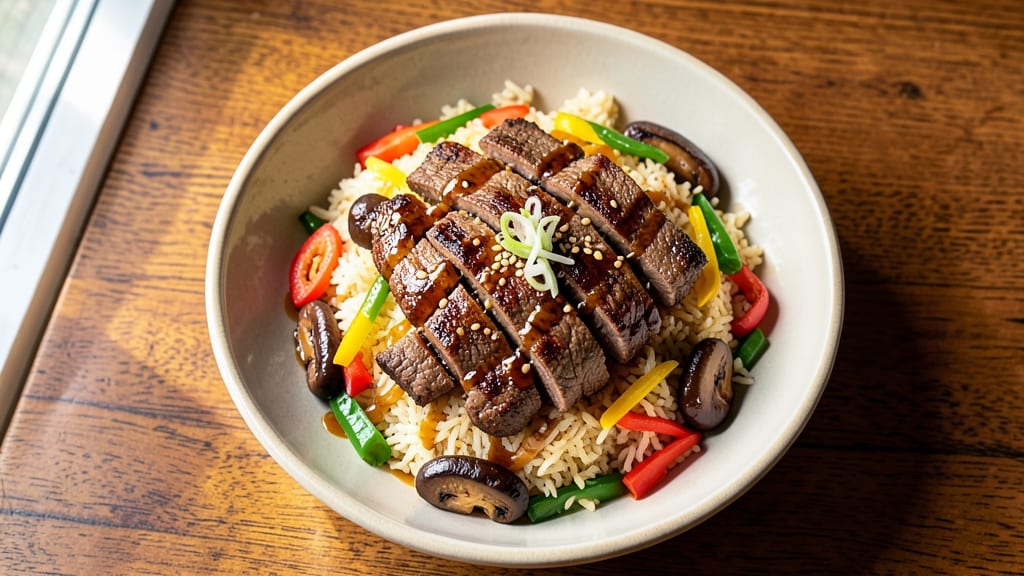
This beef sirloin stir fry delivers restaurant-quality wok-seared tenderness with a rich umami glaze that transforms tough cuts into melt-in-your-mouth perfection. I developed this recipe after years of testing stir-fry techniques in my Boston kitchen, where high heat and precise timing make all the difference.
The secret lies in proper slicing and rapid searing to lock in juices while building layers of flavor through caramelization.
What sets this method apart is the two-stage cooking process: first searing the beef to develop a flavorful crust, then finishing with a quick toss in the umami glaze. This approach ensures the beef remains tender while absorbing maximum flavor without becoming mushy.
The sauce balances sweet, savory, and tangy notes, creating a glaze that clings beautifully to each piece of beef.
By following these steps, you'll achieve perfectly cooked beef sirloin with caramelized edges and a juicy interior, all coated in a glossy, flavorful sauce. The technique is straightforward but requires attention to heat control and timing - both critical for achieving that wok-seared texture.
This dish comes together in under 30 minutes, making it ideal for weeknight dinners that feel special.
Serve over steamed jasmine rice or noodles to soak up every last bit of that delicious sauce. The combination of tender beef and aromatic sauce creates a meal that's both satisfying and elegant, perfect for impressing guests or treating yourself to a restaurant-quality dinner at home.
Let's get started on this flavorful creation!
Ingredients for beef sirloin stir fry
High-quality beef, aromatic veggies, and a perfect umami glaze. Everything you need for wok-seared perfection.
| Ingredient | Amount | Notes |
|---|---|---|
| Beef Sirloin 🥩 | 1 ½ lb | Thinly sliced against grain |
| Jasmine Rice 🍚 | 1 ½ cups | Uncooked, long-grain preferred |
| Extra-Virgin Olive Oil 🫒 | 2 tbsp | High smoke point for searing |
| Sesame Oil 🫒 | 1 tbsp | Toasted, for aroma |
| Low-Sodium Soy Sauce 🥫 | ½ cup | Kikkoman preferred |
| Honey 🍯 | 2 tbsp | Wildflower for depth |
| Rice Vinegar 🍶 | 1 tbsp | White or seasoned |
| Garlic Cloves 🧄 | 6 cloves | Minced, fresh preferred |
| Fresh Ginger 🌿 | 1 tbsp | Grated, peeled |
| Red Bell Pepper 🌶️ | 1 whole | Thinly sliced, seeds removed |
| Red Onion 🧅 | 1 whole | Thinly sliced |
| Green Onions 🧅 | 4 whole | Cut into 1-inch pieces |
| Sesame Seeds 🌾 | 1 tbsp | Toasted for garnish |
| Salt 🧂 | 1 tsp | Kosher or sea salt |
| Black Pepper 🌶️ | ½ tsp | Freshly ground |
The beef is everything here. Sirloin needs to be thinly sliced against the grain—ask your butcher to do it if they won't let you use their slicer. Costco or Whole Foods carry pre-sliced sirloin, but trust me, slicing it yourself makes all the difference. Look for cuts with good marbling—it keeps the meat juicy during that rapid sear. If you can't find sirloin, ribeye or flank steak work too, but slice them thinner. The rice? Jasmine is ideal—it's slightly sticky and soaks up the sauce beautifully. Don't use basmati or long-grain white unless you're in a pinch.
No sesame oil? Avocado oil works in a bind, but it won't give that nutty aroma. The honey can be swapped for maple syrup or agave, though wildflower has the best depth. Fresh ginger? Powdered works at half the amount, but it's not the same. For the veggies, bell peppers can be swapped for snap peas or broccoli—whatever's in season. The green onions? Substitute with regular onions, but you'll lose that mild freshness. And if you're missing the sesame seeds for garnish, toasted peanuts or crushed cashews add a nice crunch instead.
Prep the beef last—it needs to stay cold until you sear it. The sauce can be made ahead and reheated gently (no boiling!). Store leftovers in airtight containers for 3-4 days, but honestly, it tastes even better reheated the next day. Freeze portions for up to 3 months—just thaw overnight in the fridge before reheating. For extra flavor, toss the reheated beef with a splash of water and 1 tsp soy sauce to revive that wok-seared texture.
Why You'll Love This Recipe
- One-Pan Magic: I swear by this recipe because it’s literally one pan, one bowl, and done. Thinly sliced sirloin cooks in the same skillet where the veggies sizzle—no dirtying extra dishes. Honestly, I’ve made this after a long day and still had energy left for a glass of wine.
- Umami Bomb: That first hit of sesame oil and low-sodium soy sauce? It’s like a flavor explosion. The beef stays juicy with a caramelized crust, and the jasmine rice soaks up every last bit of the savory sauce. Between us, I’ve had fancier steak dinners that didn’t hit this hard.
- Weeknight to Date Night: Same recipe, endless uses. Toss in bell peppers and snap peas for a quick weeknight meal, or swap for mushrooms and water chestnuts for something fancier. My husband even let me make it for his work dinner—no complaints, just seconds.
- Leftovers That Don’t Suck: Most stir-fries turn into sad, soggy meals the next day. Not this one. The rice stays separate, the beef stays tender, and reheating? Just a quick stir in the pan with a splash of water. I’ve packed this for lunches all week—zero regret.
Step-by-step instructions for beef sirloin stir fry
Here's how to transform tough sirloin into restaurant-worthy tenderness with a glossy umami glaze.
Prep the Beef for Perfect Tenderness
Slice the 1.5 lb beef sirloin thinly against the grain into ¼-inch strips. I use a sharp chef's knife and work in batches to maintain control. Pat the slices dry with paper towels—this ensures a good sear. In a small bowl, toss the beef with 1 tsp salt and 0.5 tsp black pepper until evenly coated. Let it marinate while you prep the vegetables.
The key here is thin, even slices that cook quickly. If your strips vary in thickness, the thinner pieces will overcook while the thicker ones stay tough. Trust the grain direction—it's your guide to maximum tenderness.
Build the Umami Glaze
In a small saucepan, combine 0.5 cup low-sodium soy sauce, 2 tbsp honey, 1 tbsp rice vinegar, and 1 tbsp sesame oil. Bring to a gentle simmer over medium heat and reduce by half—about 5-7 minutes—until thickened to a glossy consistency. Stir in 6 cloves minced garlic and 1 tbsp grated fresh ginger. Remove from heat and set aside.
This glaze is where all the magic happens. The soy sauce provides umami depth, honey adds natural sweetness, and vinegar brightens the flavors. The reduction creates a sticky, caramelized coating that clings perfectly to the beef. Taste and adjust seasoning if needed—you want it balanced, not overpowering.
Cook the Jasmine Rice
Rinse 1.5 cups jasmine rice under cold water until the water runs clear. In a rice cooker or pot, combine the rice with 2 cups water and 2 tbsp extra-virgin olive oil. Bring to a boil, then reduce heat to low, cover, and simmer for 15 minutes. Remove from heat and let it steam covered for another 10 minutes. Fluff with a fork before serving.
The olive oil in the rice adds a subtle richness that complements the stir fry. Don't skip the rinse—it removes excess starch that would make the rice gummy. While the rice cooks, you'll be working on the stir fry, so time this step carefully to have everything ready simultaneously.
Stir-Fry the Vegetables
Heat 1 tbsp extra-virgin olive oil in a wok or large skillet over high heat until shimmering. Add 1 whole red onion and 1 whole red bell pepper (both thinly sliced) and stir-fry for 3-4 minutes until the onions soften but still retain their shape. Add 4 whole green onions (cut into 1-inch pieces) and cook for another minute. Remove vegetables and set aside.
Here's where the vegetables get their signature wok hei flavor. The high heat and quick cooking preserve their crisp texture while developing deep caramelized notes. Don't overcrowd the pan—work in batches if needed to maintain that smoky aroma.
Wok-Sear the Beef
In the same wok, add another 1 tbsp extra-virgin olive oil and heat until smoking. Add the marinated beef in a single layer and sear undisturbed for 1-2 minutes until deeply browned on one side. Stir and cook for another 1-2 minutes until the beef is cooked through but still juicy. Pour the prepared glaze over the beef and toss everything together for 1 minute to coat evenly.
This is the moment that matters: the beef needs to hit 145°F internally for perfect doneness. The high heat and quick cooking prevent toughness. If the beef looks undercooked, it's better to pull it out slightly early—it'll carry over to the right temperature while resting. The glaze should coat every piece, creating that glossy finish we're after.
Assemble and Garnish
Return the cooked vegetables to the wok and toss everything together. Divide the jasmine rice among 4 plates, top with the beef and vegetable mixture, and drizzle with any remaining sauce from the wok. Sprinkle generously with 1 tbsp toasted sesame seeds. Serve immediately while hot.
Each bite should deliver perfectly seared beef with a glossy glaze, complemented by crisp vegetables and fragrant rice. The sesame seeds add a nutty crunch that ties everything together. This dish is best enjoyed fresh—waiting even 10 minutes can make the beef slightly tougher.
Pro Tips For Making Beef Sirloin Stir Fry
- Slice Against the Grain: I used to struggle with chewy beef until I learned this—cut the sirloin at a 45-degree angle against the grain into ¼-inch strips, not across it. Thinner slices cook faster and stay juicier, but only if they're all the same thickness. Use a sharp knife and work in batches if needed—your patience will pay off.
- Reduce the Glaze Right: That 0.5 cup soy sauce needs to reduce by half for the real flavor to shine. Simmer it until it coats the back of a spoon like syrup—about 5-7 minutes. I once rushed this and ended up with a watery sauce that didn’t cling. Taste it before adding garlic and ginger; if it’s too salty, dilute with a splash of rice vinegar.
- Don’t Crowd the Pan: The red onion and bell pepper will turn soggy if you dump them all in at once. Cook them in batches over high heat until they blister slightly—3-4 minutes max. I learned this after my stir-fry looked more like a stew. Keep the pan moving, and if it’s too busy, pull some veggies out and finish them later.
- Toast the Sesame Seeds: Skip the pre-toasted sesame seeds from the jar—they’re already stale. Dry-toast 1 tbsp sesame seeds in a small pan over medium heat for 1-2 minutes until golden and fragrant. They’ll add a nutty crunch that store-bought seeds can’t match. Just don’t walk away; they burn faster than you think.
Dietary considerations for this recipe
Gluten-Free Adaptation
This stir fry is naturally gluten-free if you use tamari instead of soy sauce—I keep a bottle of San-J Tamari in my pantry for these kinds of recipes. Just swap the 0.5 cup low-sodium soy sauce for the same amount of tamari.
The flavor profile remains identical, just without the gluten. Double-check all other ingredients (like rice vinegar and sesame oil) to ensure they're certified gluten-free if needed. 🌾
Low-Carb Swaps
For a lower-carb version, skip the jasmine rice and serve over cauliflower rice—I find frozen cauliflower rice works best as it's already riced. Cook it according to package instructions, then stir-fry with 1 tbsp olive oil until tender.
The beef and veggie flavors will shine just as well without the rice. For extra protein, add 2 tbsp crushed pork rinds to the cauliflower rice for a crispy texture. 🥦
Dairy-Free Considerations
This recipe is already dairy-free, but if you're serving it to guests with sensitivities, verify that all ingredients (especially the rice vinegar and sesame oil) don't contain hidden dairy additives. The honey in the glaze is technically animal-derived, but it's safe for most lactose-intolerant individuals.
For vegan adaptations, replace the honey with maple syrup or agave nectar—both work beautifully in the umami glaze. 🌱
Allergen-Friendly Tips
Sesame seeds are a common allergen, so offer the dish without them for guests with allergies. The toasted sesame oil in the glaze is safe to consume unless someone has a severe sesame allergy—just omit it from the sauce if needed.
For nut allergies, avoid substituting sesame seeds with nuts. Instead, use extra green onions or a sprinkle of toasted pumpkin seeds for crunch. Always ask about specific allergies before serving. 💡
Protein Adjustments
Looking for leaner options? Swap the beef sirloin for lean chicken breast or shrimp. For chicken, use 1.5 lb boneless, skinless breasts, sliced thinly against the grain. Shrimp should be peeled, deveined, and tossed with 1 tsp cornstarch before searing.
Both alternatives cook faster than beef, so adjust your timing to 2-3 minutes total per side. The umami glaze works perfectly with either protein. 🍤
Nutrition facts
Frequently asked questions
Why does slicing the beef against the grain matter?
Slicing against the grain shortens the muscle fibers, making the beef cook faster and more evenly. This prevents toughness by breaking down the connective tissue. When sliced with the grain, the fibers stay long and can make the meat chewy. Always ask your butcher to slice it this way if you're unsure.
Can I make the umami glaze ahead of time?
Yes! Prepare the glaze up to 2 days ahead and store it in an airtight container in the fridge. Reheat gently over low heat, stirring occasionally, until it reaches a thick, glossy consistency. Never boil it, or the honey may crystallize. This shortcut saves time on busy weeknights.
What if my beef is still tough after cooking?
Overcooking is the most common cause. The beef should cook for just 2-3 minutes total after searing. If it's tough, it likely overcooked. For next time, use a meat thermometer to check for 145°F internal temp, or pull it out slightly early—it'll carry over to perfect doneness. Also, ensure your slices are ¼-inch thick or thinner.
How do I get that smoky wok hei flavor at home?
Use a wok or cast-iron skillet on the highest heat your stove allows. Add the beef and veggies when the pan is nearly smoking, then work quickly. The high heat creates steam and smoke that infuses the food with that signature aroma. A blowtorch can also add extra smokiness if you're feeling fancy.
What's the best way to reheat leftovers?
Reheat in a skillet over medium heat with 1 tbsp water or beef broth to revive the sauce. Toss everything together for 2-3 minutes until warmed through. Avoid microwaving—it makes the beef rubbery. For extra flavor, add a splash of soy sauce or a pinch of ginger while reheating.