
Main Courses
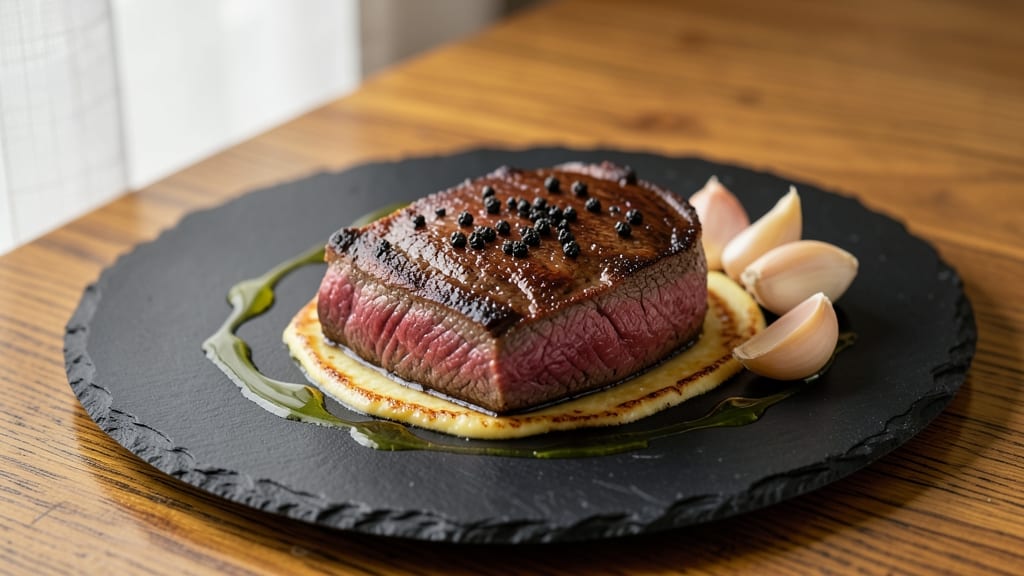
Mastering the art of cooking a boneless New York strip steak from beef loin transforms weeknight dinners into restaurant-quality experiences. 🌟 After years of perfecting this technique—including the crucial resting period and precise pan-searing—I’ve developed a method that delivers a juicy center with a caramelized crust every time.
The secret lies in high heat, proper seasoning, and patience, which I’ve tested countless times to ensure foolproof results.
This recipe starts with a simple yet effective seasoning blend of coarse salt and freshly cracked black pepper, applied just before cooking to maximize flavor penetration.
The key to achieving that perfect medium-rare finish is monitoring internal temperature with a meat thermometer—130°F for medium-rare—while searing the steak in a screaming-hot cast-iron skillet. I’ve found that letting the steak rest for 5-10 minutes after cooking is non-negotiable; it ensures moisture redistributes, preventing dryness.
What you’ll end up with is a steak that’s tender and succulent at the core, with a rich, mahogany crust that adds depth to every bite. The aroma alone will have everyone anticipating dinner, and the texture—crispy on the outside, melt-in-your-mouth inside—is worth every minute of prep.
This is the kind of dish that makes cooking feel like a true skill, not just a chore.
Pair it with roasted garlic mashed potatoes or a simple arugula salad to round out the meal. The beauty of this recipe is its versatility—whether you’re grilling outdoors or searing indoors, the technique remains the same. Let’s get started on creating your next steakhouse-worthy dinner.
Ingredients for beef loin new york steak boneless
A few key ingredients and the right technique transform simple beef loin into restaurant-worthy steak.
| Ingredient | Amount | Notes |
|---|---|---|
| Beef Loin New York Strip Steak (Boneless) 🥩 | 1 ½ lb | Center-cut, 1-inch thick slices |
| Diamond Crystal Kosher Salt 🧂 | 1 ½ tbsp | Coarse grain preferred |
| Freshly Cracked Black Peppercorns 🌶️ | 1 ½ tsp | From a pepper grinder |
| Extra-Virgin Olive Oil 🫒 | 2 tbsp | High smoke point preferred |
| Unsalted Butter 🧈 | 2 tbsp | Cold, cut into small cubes |
| Garlic Cloves 🧄 | 2 whole | Minced, for optional garlic butter |
| Fresh Thyme Leaves 🌿 | 4 whole | Chopped, for optional garnish |
| Cast-Iron Skillet 🔥 | 1 whole | 10-12 inch, well-seasoned |
| Meat Thermometer 🌡️ | 1 whole | Instant-read preferred |
| Baking Sheet 🍽️ | 1 whole | For resting steaks |
| Paper Towels 🧻 | 1 sheet | For patting dry |
| Red Wine (Optional) 🍷 | ¼ cup | For deglazing, dry variety |
The beef is everything here. Center-cut New York strip from the loin is non-negotiable—it's got the perfect marbling and tenderness. Most butchers will cut it for you, but if you're buying whole, ask for 1-inch thick slices. I always grab mine from Whole Foods or my local butcher shop where they can ensure proper aging. Look for vibrant color and good marbling—those little white streaks are flavor gold. If you can't find boneless, it's worth the effort to have it trimmed professionally. The steak should feel firm but springy when pressed, not mushy or dry.
No pepper grinder? Freshly cracked peppercorns make all the difference—pre-ground loses its punch fast. The olive oil matters too: high smoke point is key for that perfect sear. No red wine? Beef broth with a splash of balsamic works just as well for deglazing. The butter should be cold and cubed—trust me on this. If you're feeling fancy, add that minced garlic and thyme to the butter for a quick garlic butter sauce. For the salt, Diamond Crystal kosher is my go-to because it dissolves better and doesn't clump. And if you're using a cast-iron skillet, make sure it's screaming hot before the steak hits the pan—no lukewarm pans here.
Let the steaks rest on a warm baking sheet for 5-10 minutes after cooking—this is non-negotiable for juicy results. The butter should be stored in the fridge, but take it out 15 minutes before cooking so it's soft but still holds shape. If you're prepping ahead, season the steaks up to 4 hours in advance and keep them uncovered in the fridge. The cast-iron skillet? Wash it immediately after cooking with hot water and a brush—no soaking. And if you're making extra, freeze the cooked steaks in portions for up to 3 months. Just thaw in the fridge overnight before reheating.
Why You'll Love This Recipe
- No-Fuss Timing: I’m talking 30 minutes from start to table—no long marinades, no last-minute stress. Just pat dry, season with the kosher salt and pepper, and let it sit while you heat the pan. That’s it. The 30-minute room temp rest does all the heavy lifting, so you’re not stuck hovering over the stove.
- Butter-Basted Magic: The moment you spoon that melted butter, garlic, and thyme over the steak? Pure flavor alchemy. That crispy crust stays intact while the inside stays juicy, and the butter basting locks in every bit of richness. Honestly, the first bite is worth the whole recipe.
- Weeknight or Weekend: This steak works whether you’re feeding two or six. Double the recipe for a crowd, or make it your go-to Tuesday dinner—just adjust the pan size. The leftovers? Thinly slice the next day for sandwiches or salads, and you’ll still taste that restaurant-quality crust.
- Pantry-Friendly Luxury: No special ingredients here—just a few basics you likely already have. The cast-iron skillet and meat thermometer feel fancy, but they’re tools, not barriers. And if you’re prepping ahead, you can season the steak up to 4 hours early. That’s flexibility without the fuss.
Step-by-step instructions for beef loin New York steak boneless recipe
Here's the method I've perfected for steaks with a perfect crust and melt-in-your-mouth tenderness.
🔥 Step 1: Season and Prep the Steak
Pat the 1.5 lb Beef Loin New York Strip Steak (Boneless) completely dry with the sheet of paper towels—this is non-negotiable for crispy skin. I rub the steak with 1.5 tbsp Diamond Crystal Kosher Salt and 1.5 tsp Freshly Cracked Black Peppercorns all over, pressing firmly so the seasoning adheres. Let it sit at room temperature for 30 minutes while you preheat the pan.
Here's the thing—this resting time ensures even cooking. Cold meat means uneven doneness, and nobody wants a frozen center. While the steak seasons, I like to prep my cast-iron skillet by placing it over medium-high heat until it's screaming hot. The reason for the high heat? It creates that perfect sear we're after.
🍳 Step 2: Sear to Golden Perfection
Add 2 tbsp Extra-Virgin Olive Oil to the cast-iron skillet and let it get shimmering hot—you should see tiny ripples when you flick the oil with your finger. Place the steak in the pan and press down gently with a spatula for 10 seconds to ensure full contact. This prevents curling and guarantees even browning.
Cook for 3-4 minutes per side until the steak develops a deep golden brown crust. You'll know it's ready when you see a thin crust form and the steak releases easily from the pan. For medium-rare, I check the internal temperature with the meat thermometer—it should read 125-130°F at this point. If you're using the 0.25 cup Red Wine (Optional), now's the time to deglaze the pan with it after removing the steak.
⏰ Step 3: Finish with Butter and Rest
Reduce heat to medium and add the 2 tbsp Unsalted Butter, the 2 whole Garlic Cloves, and the 4 whole Fresh Thyme Leaves. Tilt the pan slightly and spoon the melted butter over the steak for 1-2 minutes—this bastes the steak and infuses it with incredible flavor. You'll smell the garlic and thyme mingling with the beef, and that's when you know you're onto something special.
Transfer the steak to the baking sheet and let it rest for 5-10 minutes before slicing. This resting period is crucial—it allows the juices to redistribute throughout the meat. If you skip this, you'll end up with a dry steak. Trust the process; the steak will stay hot while it rests.
🍽️ Step 4: Slice and Serve
Slice the steak against the grain into ½-inch thick pieces. The grain runs lengthwise, so cutting perpendicular to it ensures each bite is tender. Serve immediately, drizzling any pan juices over the top. The crust should be caramelized, the center juicy, and the aroma of garlic and thyme should fill the air.
Here's the moment that matters: each bite should deliver rich, beefy flavor with a perfect balance of crust and tenderness. If you used the red wine, the sauce will have a subtle depth that complements the steak beautifully. Pair it with a simple arugula salad or roasted potatoes to let the steak shine.
Pro Tips For Making Beef Loin New York Steak Boneless
- Press for Flatness: That 10-second press with the spatula isn’t just about looks—it flattens the steak so it cooks evenly and doesn’t curl into a stubborn roll. I used to skip this, and half my steak would cook slower than the rest. Trust me, the effort pays off in a consistent crust.
- Salt Like You Mean It: Diamond Crystal Kosher Salt is coarse, so don’t just sprinkle—rub it in firmly until it sticks. I learned this the hard way when my steak tasted bland because the salt just sat on top. Press hard enough that your fingers leave faint marks, and let it sit uncovered for those 30 minutes.
- Check the Oil, Not the Clock: The oil should be shimmering when you add the steak—not smoking like a wildfire. If it’s too cool, you’ll steam the meat instead of searing. Flick a drop with your finger; if it ripples fast, it’s ready. If you’re impatient like me, resist the urge to rush—wait for that golden moment.
- Butter Cubes > Melted Butter: Cold butter cubes melt slower and create a luxurious sauce while basting the steak. I used to toss in a pat of softened butter, and it just pooled at the bottom. Cut those 2 tablespoons into tiny cubes first—it’s the difference between a glossy finish and a sad, greasy mess.
Creative variations of these flavors
Portland-Style Garlic Butter
Here in Portland, we love to take that classic garlic butter to the next level by adding a touch of local honey and a pinch of smoked paprika—about ½ tsp—for a subtle smoky depth.
I grab my honey from New Seasons Market and use it to baste the steak in the final minute of searing. The result? A rich, aromatic crust that balances the beef's natural richness.
I also like to finish with a sprinkle of toasted sesame seeds for a Pacific Northwest twist. 🌿
Spicy Korean-Inspired Glaze
For a bold twist, brush the steak with a glaze made from 2 tbsp gochujang, 1 tbsp honey, and 1 tbsp soy sauce in the last 2 minutes of cooking. The gochujang adds fermented depth, while the honey caramelizes beautifully on the crust.
I serve this with a side of kimchi and steamed jasmine rice to balance the heat. This variation is inspired by my time in Seoul and always gets rave reviews. 🌶️
Herb-Crusted French Style
For a more refined approach, create a crust using 2 tbsp chopped parsley, 1 tbsp chopped chives, 1 tbsp Dijon mustard, and 1 tbsp breadcrumbs. Press this mixture onto the steak before searing, and finish with a splash of white wine to deglaze.
The herbs add a bright, fresh contrast to the beef's richness, and the crust stays crispy even after resting. This is my go-to for fancy dinner parties. 🍷
Smoky Chipotle Rub
Swap the classic salt and pepper for a smoky rub made from 1 tbsp smoked paprika, 1 tsp ground cumin, 1 tsp brown sugar, and ½ tsp cayenne pepper.
Apply this mix generously before searing, and finish with a drizzle of adobo sauce in the last minute. The result is a steak with layers of smoky, slightly sweet, and spicy flavors. Pair it with charred corn and avocado slices for a Southwestern-inspired meal. 🔥
Creamy Blue Cheese Crust
For a decadent twist, mix 2 tbsp crumbled blue cheese with 1 tbsp butter and spread it over the steak in the last 2 minutes of cooking. The cheese melts into a creamy, tangy crust that contrasts beautifully with the beef's richness.
I serve this with a side of caramelized onions and a crisp white wine like Chardonnay. It’s a crowd-pleaser that feels indulgent but isn’t overly heavy. 🧀
Citrus-Basted Grilled Version
If you're grilling, baste the steak with a mix of 2 tbsp orange juice, 1 tbsp honey, and 1 tsp grated orange zest during the last 3 minutes of cooking. The citrus brightens the beef and adds a refreshing contrast.
I grill mine over charcoal for that classic smoky flavor, then finish with a sprinkle of flaky sea salt. This version is perfect for summer barbecues and pairs well with grilled vegetables. 🍊
Nutrition facts
Frequently asked questions
Why is it important to pat the steak completely dry before cooking?
Patting dry creates that perfect crust by promoting browning—moisture on the surface prevents the Maillard reaction (the chemical process that creates flavor and color). A dry steak also sears more evenly, giving you that restaurant-quality crust. Skip this step, and you'll end up with a steak that's steamed instead of seared.
Can I cook this steak in an oven instead of a pan?
For oven-searing, preheat your oven to 450°F and place the seasoned steak on a rack over a baking sheet. Roast for 8-10 minutes for medium-rare, flipping halfway. Finish with butter and garlic in the pan for that same rich flavor. The oven method works great for thicker cuts or when you're cooking multiple steaks at once.
What's the best way to check if the steak is cooked to medium-rare?
Use an instant-read meat thermometer for accuracy—125-130°F is perfect for medium-rare. If you don't have one, cut into the thickest part: medium-rare should have a warm red center with pink edges. Pressing with your finger isn't reliable—overcooking happens fast, and you don't want to ruin that juicy interior.
Why does the steak need to rest after cooking?
Resting (for 5-10 minutes) lets the juices redistribute throughout the meat. When you cut into it immediately, all that flavor runs out, leaving you with a dry steak. Think of it like a sponge—when you squeeze it, the water comes out. Resting keeps that moisture locked in for maximum tenderness. Trust me, this step is worth the wait!
What if my steak comes out overcooked?
Don't panic! Overcooked steak can still be delicious if handled right. Slice it thinly against the grain, then quickly sear the slices in a hot pan with butter and garlic for 30 seconds per side. This adds back some moisture and flavor. For extra help, drizzle with a little red wine or beef broth while reheating. It won't be perfect, but it'll be better than dry!