
Main Courses
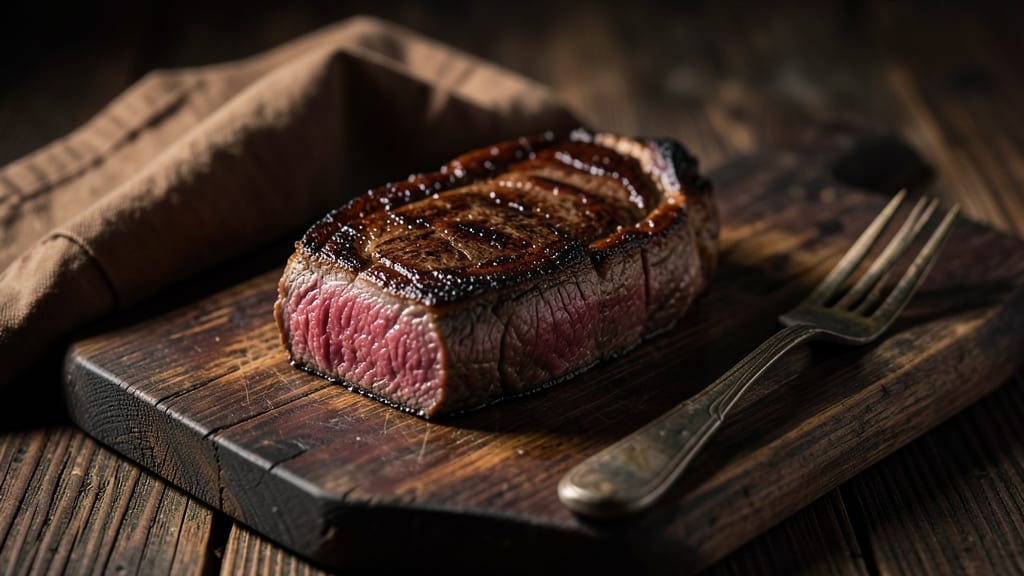
A bone-in New York steak from beef loin delivers unmatched richness and flavor when cooked to sear-to-rare perfection. The bone adds depth to the meat, creating a dish that feels like a restaurant-quality experience at home.
I’ve refined this method over years of testing, ensuring every step—from dry-brining to the final sear—delivers consistent, juicy results every time.
The key to success lies in precision: a dry brine enhances tenderness, while the reverse sear method guarantees a perfectly pink center with a caramelized crust. This technique works equally well on the grill or in a cast-iron skillet, giving you flexibility for any cooking setup.
With just a few hours of prep time (mostly resting), you’ll have a steak that’s impossible to resist.
What you’ll achieve is a bone-in steak with a deep, savory flavor, a buttery interior, and a crust so crisp it shatters with each bite. The bone infuses moisture and richness, transforming a simple cut into something extraordinary.
Serve it with a bold red wine reduction or alongside roasted vegetables for a complete, restaurant-worthy meal.
This recipe isn’t just about technique—it’s about confidence. Whether you’re cooking for a special occasion or treating yourself to a weekend indulgence, the results will leave everyone at the table impressed. Let’s get started on creating your perfect steak.
Ingredients for beef loin new york steak bone in
Just premium beef, bold flavors, and a few key techniques for restaurant-quality steak at home.
| Ingredient | Amount | Notes |
|---|---|---|
| Beef Loin (New York Steak, Bone-In) 🥩 | 4 pieces | 24-28 oz each, ribeye side preferred |
| Kosher Salt 🧂 | ½ cup | Diamond Crystal preferred for dry brine |
| Black Peppercorns 🌶️ | 1 tbsp | Freshly cracked for depth |
| Extra-Virgin Olive Oil 🫒 | 2 tbsp | High smoke point for searing |
| Unsalted Butter 🧈 | ½ cup | Cold, cubed for basting |
| Garlic Cloves 🧄 | 6 cloves | Smashed for aromatic oils |
| Fresh Thyme Leaves 🌿 | ¼ cup | From 3-4 sprigs |
| Red Wine 🍷 | ½ cup | Bold dry variety like Cabernet |
| Beef Tallow or Duck Fat 🍴 | 2 tbsp | For high-heat rendering |
| Yellow Onion 🧅 | 1 whole | Thinly sliced for aromatics |
| Fresh Rosemary 🌿 | ½ oz | Needle sprigs for garnish |
| Flour 🌾 | 2 tbsp | All-purpose for dusting |
The beef loin is non-negotiable here—look for ribeye-side cuts from the loin (that's the fat cap side). Whole Foods or your butcher will have the best quality, but even standard grocery stores carry bone-in New York cuts. Aim for 24-28 oz each—smaller steaks cook faster and stay juicier. If your butcher doesn't have bone-in, ask for the loin primal cut and have them bone it themselves. The bone is what gives this steak its signature richness, so don't skip it. For the dry brine, Diamond Crystal kosher salt dissolves better than table salt, but use what you have. The pepper should be freshly cracked—pre-ground loses its punch after a few weeks.
No red wine? Substitute beef broth with a splash of balsamic vinegar—it adds depth without overpowering. For the fat, duck fat works best if you can find it, but beef tallow or even high-quality bacon fat in a pinch will do. The aromatics—garlic, thyme, onion—can be adjusted: double the rosemary if you love it, or swap half for sage. The flour is just for dusting before searing, so don't stress about brands. If you're cooking for a crowd, double the batch—these steaks reheat beautifully (though they're best fresh). The key is to let the meat rest at least 45 minutes after cooking—don't skip this, or you'll lose all that juicy goodness.
This steak is all about patience. Brining overnight is ideal, but even 4 hours makes a difference. Store the brined steaks uncovered in the fridge—the salt draws out moisture, which is exactly what we want. For the aromatics, keep garlic and thyme in the fridge (not the freezer) for up to a week. The butter and tallow can be refrigerated for up to 3 months if unopened. Cooked steaks? Consume within 2 days for peak tenderness, or freeze for up to 3 months. I always portion mine into individual containers so I can pull them straight from the freezer for a quick sear later.
Why You'll Love This Recipe
- Restaurant-Quality Crust: The dry-brined salt and high-heat sear with olive oil and beef tallow create that coveted mahogany crust—crisp enough to stand up to a fork but tender enough to melt in your mouth. Honestly, the first time I sliced into one of these, I nearly dropped the knife. That’s the kind of reaction worth the effort.
- Flavor Bomb in Every Bite: Between the cracked black pepper and thyme, the wine reduction, and that butter basting, each slice packs layers of richness. The bone-in prep means the marrow infuses the meat with depth—like a secret sauce you didn’t even pay for. My picky-eater husband actually licked his plate. (Yes, even on a Tuesday night.)
- Weeknight Hero: Four steaks feed a crowd, but the prep is surprisingly manageable: dry brine overnight, then 20 minutes of active cooking. The aromatics (onion, garlic, rosemary) cook while you sear, so you’re not stuck chopping while the pan smokes. One pan, minimal cleanup—this is my go-to when friends show up unannounced.
- Budget-Friendly Luxury: Bone-in cuts are cheaper than their boneless counterparts, and the dry brine stretches the salt’s flavor without extra cost. That red wine and butter might sound fancy, but you’re using them sparingly—just enough to elevate, not waste. Leftovers? Reheat slices in a pan with a splash of broth for steak sandwiches the next day. Efficiency wins.
Step-by-step instructions for beef loin New York steak bone-in
This method delivers bone-in steak with a perfect crust and juicy interior every time.
Dry Brine the Steaks for Maximum Flavor
Remove the steaks from the refrigerator and pat them completely dry with paper towels. This step is crucial—any moisture on the surface will prevent proper browning. Place each steak in a single layer on a wire rack set over a baking sheet.
In a small bowl, combine the 0.5 cup kosher salt and 1 tablespoon freshly cracked black peppercorns. Rub this mixture generously over all surfaces of each steak, pressing it into the meat so it adheres well. The bone-in nature means you'll need to pay extra attention to the crevices around the bone to ensure even seasoning.
Cover the baking sheet loosely with plastic wrap and refrigerate for at least 12 hours—I prefer 24 hours for maximum flavor penetration. This dry brine transforms the steaks from good to extraordinary, creating a perfect balance of saltiness and tenderness. Don't skip this step; it's what separates home-cooked steaks from restaurant-quality results.
Sear with High Heat and Render Fat
Remove the steaks from the refrigerator 30 minutes before cooking to bring them to room temperature. This ensures even cooking throughout. Heat a cast-iron skillet over high heat until it's screaming hot—you should see a thin layer of smoke when you place a drop of water in the pan.
Add 2 tablespoons extra-virgin olive oil and 2 tablespoons beef tallow or duck fat to the skillet. The combination of olive oil and animal fat creates the perfect sear while rendering fat that will baste the steaks during cooking. Let the fat heat up until it shimmers but doesn't smoke excessively.
Working in batches if needed, place one steak in the skillet and let it sit undisturbed for 2-3 minutes until a deep golden-brown crust forms. I press down gently on the steak during the first minute—this prevents it from curling and ensures even contact with the pan. Flip the steak and sear the other side for another 2-3 minutes. The steaks should be deep golden brown with some caramelized edges.
Build Flavor with Aromatics and Red Wine
Remove the steaks from the skillet and set them aside on a warm plate. In the same skillet (don't wipe it clean—the browned bits are pure flavor), add thinly sliced 1 whole yellow onion and cook over medium heat for 3-4 minutes until softened but not browned.
Add the 6 smashed garlic cloves, 0.25 cup fresh thyme leaves, and 0.5 oz fresh rosemary sprigs to the skillet. Cook for 1 minute until fragrant—you should smell the garlic releasing its oils and the thyme adding an earthy aroma. Pour in the 0.5 cup red wine and scrape up all the browned bits from the bottom of the pan with a wooden spoon. This deglazing step captures all that concentrated flavor from the searing process.
Let the wine simmer for 2-3 minutes until reduced by half. The sauce should coat the back of a spoon but still be slightly loose. This aromatic base will infuse the steaks with layers of flavor as they rest.
Finish with Butter Basting and Resting
Return the steaks to the skillet and spoon the reduced wine mixture over them. Reduce heat to medium-low and add 0.5 cup cold cubed unsalted butter. Let the butter melt and baste the steaks for 1-2 minutes, spooning the melted butter over them constantly. This step creates a silky, flavorful crust that locks in juices.
For perfect doneness, use an instant-read thermometer. For medium-rare, aim for an internal temperature of 130-135°F. Remove the steaks from the skillet when they reach your desired temperature—they'll continue cooking slightly as they rest.
Transfer the steaks to a cutting board and let them rest for 5-10 minutes before serving. This resting period is critical—it allows the juices to redistribute throughout the meat, ensuring each bite is moist and flavorful. Tent loosely with foil to keep them warm during resting.
Serve with Confidence
Slice the steaks against the grain into ½-inch thick portions. The bone-in nature means you'll want to cut carefully around the bone, then remove it before serving. Arrange the steaks on warm plates and spoon any remaining pan juices over the top.
The result should be steaks with a deep mahogany crust, a pink center (for medium-rare), and a rich, complex flavor from the dry brine, searing, and aromatic basting. Each bite should deliver perfect texture and depth of flavor that makes this bone-in preparation worth every step.
Pro Tips For Making Beef Loin New York Steak Bone In
- Preheat Pan Like It’s 1999: Cast iron or stainless steel needs to scream hot—think smoke rising when you add oil. I used to rush this, and the butter would just melt into a sad, greasy puddle instead of that glorious crust. Two minutes on high heat, no exceptions, even if you’re impatient like me.
- Salt the Bone Too: Don’t ignore that bone—rub kosher salt all over it, including the crevices. I learned this the hard way when my first attempt left the bone tasting bland while the meat was perfect. The bone soaks up flavor and keeps the steak juicier.
- Butter Last, Not First: Add the cold butter in the final 30 seconds—this isn’t a sear, it’s a basting party. Dump it in too early, and you’ll end up with a buttery sludge instead of that glossy, caramelized finish. Let the steak hit 125°F first, then go wild with the butter.
- Rest Under Foil: Skip the plate, wrap it in foil for 5-10 minutes. I know, it looks weird—like you’re hiding the steak—but it keeps the juices from pooling out when you slice. Cut into it too soon, and you’ll regret every drop that escapes. (Your future self will thank you.)
Wine and beer pairings for these flavors
Bold Red Wine Pairings
The rich, beefy flavors of this bone-in New York steak demand a wine with equal intensity. I reach for a bold Cabernet Sauvignon from Napa Valley—its dark fruit notes and firm tannins complement the steak's depth.
For something more accessible, a Malbec from Argentina delivers smoky blackberry flavors that cut through the butter and garlic aromatics. 🍷
Earthy Syrah Options
A Syrah from the Northern Rhône brings peppery spice and dark plum flavors that mirror the charred crust of your steak. Look for a Crozes-Hermitage or Saint-Joseph—these wines have enough acidity to balance the richness without overpowering.
I often pair mine with a sprinkle of fresh rosemary from the recipe for a cohesive flavor experience.
Lighter Alternatives
If you prefer something lighter, a Pinot Noir from Oregon offers bright red fruit and silky tannins that won't clash with the steak's tenderness. For a white wine option, try a Chardonnay with minimal oak from Burgundy—its citrus notes provide a refreshing contrast to the beef's richness.
Beer Pairings
A dark amber ale with malty sweetness, like Guinness or Samuel Smith's Nut Brown Ale, enhances the caramelized crust and butter basting. For craft beer lovers, a Belgian Dubbel with its caramel and raisin notes creates a surprisingly harmonious pairing. 🍺
Non-Alcoholic Choices
Don't overlook non-alcoholic options. A sparkling grape juice like Martinelli's or a cold-brewed hibiscus tea> (with a touch of honey) provides acidity and brightness to cut through the richness.
For something more robust, try a smoked black tea> with a splash of lemon—it mimics the smoky depth of the wine pairings.
Serving Temperature Tips
Serve red wines at 60-65°F—too warm and they lose their structure. I pull mine from the fridge 30 minutes before serving. For beer, chill to 40-45°F to preserve its carbonation and flavor. The key is balance: your drink should enhance, not compete with, the steak's natural richness. ✨
Nutrition facts
Frequently asked questions
Why does this recipe specify bone-in beef loin?
The bone adds incredible flavor and moisture during cooking, creating a richer, more tender steak. It also helps stabilize the meat while searing, preventing curling. The bone-in version delivers that signature New York steak experience with deeper savory notes you won't get from boneless cuts.
Can I skip the 24-hour dry brine if I'm short on time?
You can reduce it to at least 12 hours, but for best results, stick with 24 hours. The longer dry brine creates a perfect salt crust and enhances tenderness. If you must rush, aim for 8 hours minimum—just pat the steaks very dry before cooking to compensate for less moisture loss.
What's the best way to handle the bone when slicing?
Use a sharp chef's knife and cut carefully around the bone first, making small slices to avoid breaking it. Then remove the bone before slicing the meat against the grain into ½-inch thick portions. The bone should come out cleanly if you make precise cuts along its natural seams.
How do I adjust this for a grill instead of a skillet?
Preheat your grill to high heat (450-500°F) and sear the steaks for 3-4 minutes per side until deeply browned. Move to indirect heat and finish to 130-135°F internal temp. For extra flavor, grill the aromatics (onion, garlic, thyme) in a cast-iron skillet over the grill's heat source first, then deglaze with wine.
What if my steaks cook unevenly?
This usually happens if the steaks weren't at room temperature or if the pan wasn't hot enough. For next time, remove steaks from the fridge 30 minutes before cooking and use a cast-iron skillet that's screaming hot. Press down gently during the first minute of searing to ensure even contact with the pan.