
Main Courses
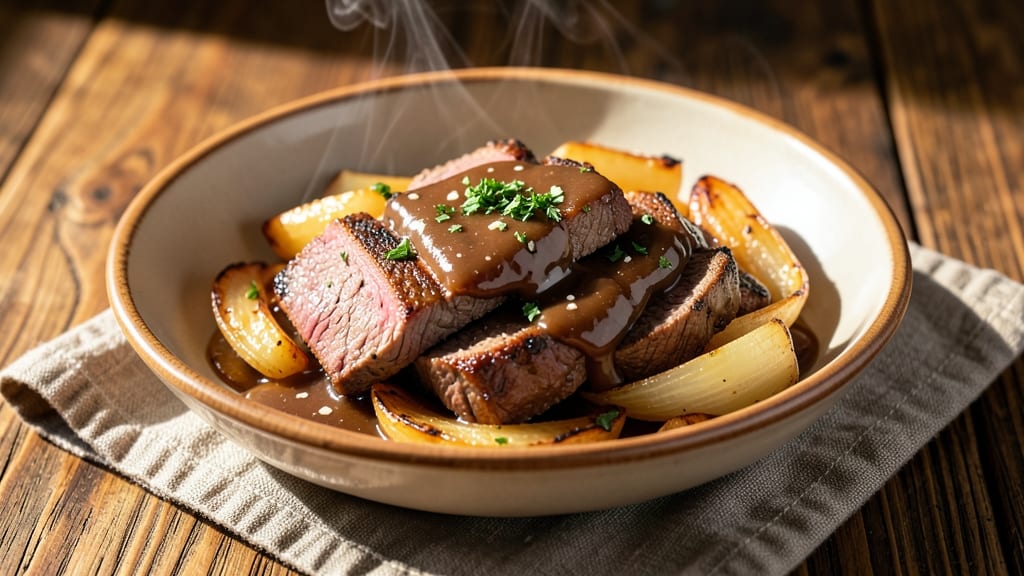
Cooking beef liver with onions and gravy transforms a humble cut into a restaurant-worthy main dish that feels like a home-cooked hug. The secret lies in quick, high-heat searing to achieve perfect medium-rare doneness while building a rich, velvety gravy from the pan's flavorful fond.
I developed this method after years of experimenting with liver recipes—balancing tender texture with bold, savory depth is absolutely critical.
What makes this recipe special is the simplicity of the technique combined with professional results. You'll need just six core ingredients, and the entire process takes under 30 minutes from start to finish. The onions caramelize beautifully during cooking, adding natural sweetness that complements the liver's rich flavor profile.
Most importantly, this method ensures you never overcook the liver—just 2-3 minutes per side creates that perfect tender center with a slightly crisp exterior.
By the time you plate this dish, you'll have perfectly seared liver slices resting in a glossy, brown gravy that clings to every bite. The onions add sweetness and texture, while the gravy ties everything together with its deep, savory richness.
This is comfort food at its finest—substantial enough for a weeknight dinner but impressive enough for company. The key to success is timing and temperature control, which I'll walk you through step by step.
This recipe works beautifully as a standalone main course or paired with mashed potatoes and roasted vegetables. The gravy can be made ahead and reheated, making it perfect for meal prep. Let's get started on creating this hearty, satisfying dish that brings restaurant-quality results to your home kitchen.
Ingredients for beef liver with onions and gravy
Eight simple ingredients transform beef liver into restaurant-quality comfort food with rich gravy.
| Ingredient | Amount | Notes |
|---|---|---|
| Beef Liver 🥩 | 1 lb | Fresh, trimmed of connective tissue |
| Yellow Onions 🧅 | 1 whole | Medium size, sliced into 1/4-inch pieces |
| Unsalted Butter 🧈 | 4 tbsp | Cold, cut into 1-inch cubes |
| All-Purpose Flour 🌾 | 2 tbsp | For gravy thickening |
| Beef Stock 💧 | 1 cup | Homemade or high-quality store-bought |
| Kosher Salt 🧂 | 1 ½ tsp | Adjust to taste |
| Freshly Ground Black Pepper 🌶️ | ½ tsp | Cracked over the top |
| Fresh Thyme Leaves 🌿 | 1 tsp | Or 1/4 tsp dried thyme |
The beef liver is the star here—look for bright red pieces with minimal connective tissue at your butcher or grocery store meat counter. Costco or Whole Foods usually carry the best quality, but even the regular supermarket selection works if it's fresh. Pat the liver completely dry before cooking (absolutely essential!) and slice it into even 1/2-inch thick pieces for consistent doneness. The onions? Sweet yellow onions caramelize best, but red will work too. Keep them at room temperature while prepping so they don't release moisture before cooking.
No beef stock on hand? Chicken stock or even water in a pinch, though the flavor won't be as deep. Fresh thyme is ideal, but dried works at one-fourth the amount. If your butter feels too soft, chill it 15 minutes before cooking—this helps create those golden-brown crusts. For extra richness, add 1 tbsp of cognac or brandy to the pan after searing (flambé carefully!). The flour should be lightly toasted in the pan before adding liquid to build better flavor in the gravy.
This dish reheats beautifully—just warm the gravy gently and add the liver back in. Keeps 3-4 days in the fridge covered with gravy to prevent drying. For meal prep, portion the liver and gravy separately and reheat together. The gravy freezes for up to 3 months—just thaw and reheat. Leftovers taste even better the next day as flavors meld. Serve with crusty bread to soak up every last drop of that velvety gravy.
Why You'll Love This Recipe
- One-Pan Magic: I swear by this recipe for lazy nights—just the skillet, the liver, and those golden onions. No chopping boards, no extra pots, and honestly? The cleanup is just wiping one pan. That crispy butter crust on the liver alone makes it worth the effort.
- Rich, Earthy Depth: The thyme and caramelized onions transform liver from "meh" to "must-have." The flour-toasted gravy—made from just the stock and browned bits—adds this velvety richness that turns even skeptics into fans. (Yes, even my picky husband.)
- Weeknight Workhorse: This feeds four easily, or stretches into leftovers that taste better the next day. Cover those slices with gravy in the fridge, and you’ve got a 30-second reheat meal. The onions soften perfectly, so it’s just as good cold as hot—great for lunches.
- Budget Powerhouse: Beef liver is cheaper than steak but packs serious protein. Four tablespoons of butter and a single onion stretch into a whole meal, and that beef stock? I use the same batch for soups, stir-fries, and this dish. Smart cooking at its finest.
Step-by-step instructions for beef liver with onions and gravy
Here's how to achieve perfectly seared liver with silky onions and rich gravy—every bite packed with flavor.
Prepare the Liver and Onions
Pat the 1 lb beef liver completely dry with paper towels. This step is crucial—moisture prevents proper searing. While the liver rests, slice the 1 whole yellow onions into ¼-inch pieces. I like to keep the slices uniform so they cook evenly throughout.
Season the liver generously with 1.5 tsp kosher salt and 0.5 tsp freshly ground black pepper on both sides. This seasoning penetrates quickly, so don't hold back. Let it sit at room temperature for 10 minutes while you prepare the pan. This ensures even cooking from edge to center.
Sear the Liver to Perfection
Heat a large skillet over medium-high heat until it's hot but not smoking. Add 2 tbsp of the 4 tbsp unsalted butter (cold cubes) and let it melt completely. The butter should foam and then settle into a thin, even layer—this is your signal it's ready.
Carefully add the liver to the pan, working in batches if needed to avoid crowding. Press down gently on each piece for 10 seconds to ensure full contact with the hot surface. Cook undisturbed for 1 minute per side until the exterior develops a deep golden-brown crust. You'll see the edges start to crisp—that's your signal to flip. Transfer to a plate and tent with foil to keep warm.
Cook the Onions and Make the Gravy
In the same skillet (don't wipe it clean—those browned bits are pure flavor), add the remaining 2 tbsp unsalted butter and the sliced onions. Cook over medium heat for 8-10 minutes, stirring occasionally, until the onions soften and turn golden. Here's where it gets good—they should caramelize slightly at the edges.
Sprinkle the 2 tbsp all-purpose flour over the onions and stir vigorously for 1 minute to toast the flour lightly. This step develops a nutty flavor and thickens the gravy beautifully. Gradually whisk in the 1 cup beef stock, scraping up any browned bits from the bottom of the pan. Add the 1 tsp fresh thyme leaves and bring to a gentle simmer.
Finish and Serve
Return the liver to the skillet and spoon the gravy generously over the top. Let it simmer together for 2-3 minutes—just enough time to heat through and let the flavors meld. The liver should reach an internal temperature of 145°F when checked with a meat thermometer.
Serve immediately over buttered egg noodles or crusty bread to soak up every last bit of that rich gravy. Each bite delivers tender, perfectly cooked liver with sweet caramelized onions and a velvety sauce that ties everything together. The thyme adds an earthy depth that makes this dish truly special.
Pro Tips For Making Beef Liver With Onions And Gravy
- Sear in Stages: Don’t walk away after the first sear—liver releases juices fast, and those juices turn to steam instead of browning. Hit the first side with high heat, then flip and let the second side cook undisturbed for 2 full minutes. That’s when the crust starts forming, and that’s what keeps it from tasting like raw meat.
- Salt the Liver First: I learned this the hard way—salting liver after cooking makes it tough and bitter. Pat it dry, sprinkle generously with salt (about 1 teaspoon per pound), and let it sit for 10 minutes before hitting the pan. The salt breaks down proteins, and the crust stays intact.
- Deglaze with Stock: That browned butter and onions stuck to the pan? Don’t wipe it out—it’s flavor gold. Splash in ½ cup of beef stock right after removing the liver, scraping up every bit. The stock picks up all the fond, and your gravy will taste richer without extra work.
- Thin the Gravy Slowly: Dumping flour all at once makes lumpy gravy. Instead, whisk 2 tablespoons of flour into ¼ cup of cold stock first, then stir that slurry into the pan. Cook for 1-2 minutes until thickened, then add the rest of the stock. Patience here keeps your gravy silky, not gluey.
Wine and beer pairings for this dish
Rich Red Wine Pairings
For this dish, I recommend a medium-bodied red wine like Pinot Noir from Oregon or Burgundy—its bright acidity and earthy undertones complement the liver's richness without overpowering it. The 2019 Domaine Drouhin Oregon Pinot Noir has the perfect balance of fruit and structure.
Serve slightly chilled (55°F) to enhance its crispness against the warm gravy. 🍷
Crisp White Wine Options
A dry Riesling from Germany or Alsace works beautifully with the dish's savory depth. Look for a Kabinett-level Riesling with 10-12% alcohol—the Dr. Loosen Blue Slate Riesling is my go-to.
Its citrus notes and mineral finish cut through the richness while harmonizing with the caramelized onions. Serve at 50°F for optimal contrast.
Beer Pairings
For beer lovers, a Belgian-style witbier like Hoegaarden or Stella Artois brings refreshing citrus and spice notes that balance the dish's richness. Alternatively, a light amber ale with 2.5-3.5% ABV (like Leffe Blonde) provides subtle malt sweetness without competing with the liver's flavor.
Keep the beer well-chilled (40°F) to maintain its crispness. 🍺
Spiritous Elevations
If you prefer spirits, a dry sherry like Fino or Manzanilla adds elegant nutty complexity. I like to serve it alongside the dish—its briny, almond-like notes complement the thyme and beef stock beautifully.
For a more modern twist, a gin-based cocktail with rosemary and lemon (like a Rosemary Gin Fizz) enhances the dish's herbal elements.
Non-Alcoholic Options
Don't overlook non-alcoholic choices! A sparkling apple cider (like Martinelli's Sparkling) with its bright acidity and hint of cinnamon pairs wonderfully. For a more sophisticated option, try a cucumber-mint infused sparkling water—its refreshing qualities cleanse the palate between rich bites.
Both options keep the meal feeling celebratory without alcohol. 💫
Nutrition facts
Frequently asked questions
Why does beef liver need to be patted completely dry before cooking?
Moisture on the surface prevents proper searing, which is crucial for developing that perfect golden-brown crust. When liver releases steam during cooking, it steams instead of browning—resulting in a pale, rubbery texture. The 10-minute rest at room temperature also helps the meat cook more evenly from edge to center.
Can I use chicken stock instead of beef stock for the gravy?
Yes, but the flavor will be less rich. Chicken stock works in a pinch, though beef stock's deeper umami notes better complement the liver's intensity. For extra depth, add 1 tsp Worcestershire sauce to the gravy when combining with stock. The thyme will still shine through regardless of stock choice.
What's the best way to tell when beef liver is perfectly cooked?
Use a meat thermometer—liver should reach 145°F internally. Visually, the edges should be deep golden-brown while the center remains slightly pink (never gray or brown). The 1-minute per side sear at medium-high heat gives you that perfect medium-rare texture that's tender yet flavorful.
How do I prevent the gravy from becoming too thin?
Toast the 2 tbsp flour for 1 full minute before adding liquid—this creates a nutty flavor and better thickening power. If the gravy is still too thin, mix 1 tsp cornstarch with 1 tbsp cold water, stir into the simmering gravy, and cook for 1-2 minutes until thickened. Never boil the gravy after thickening.
Can I make this dish ahead of time?
Yes! The gravy freezes beautifully for up to 3 months—just thaw and reheat. For make-ahead meals, portion the liver and gravy separately and reheat together. The liver reheats best when covered with gravy to prevent drying. Leftovers actually taste better the next day as flavors meld.