
Snacks
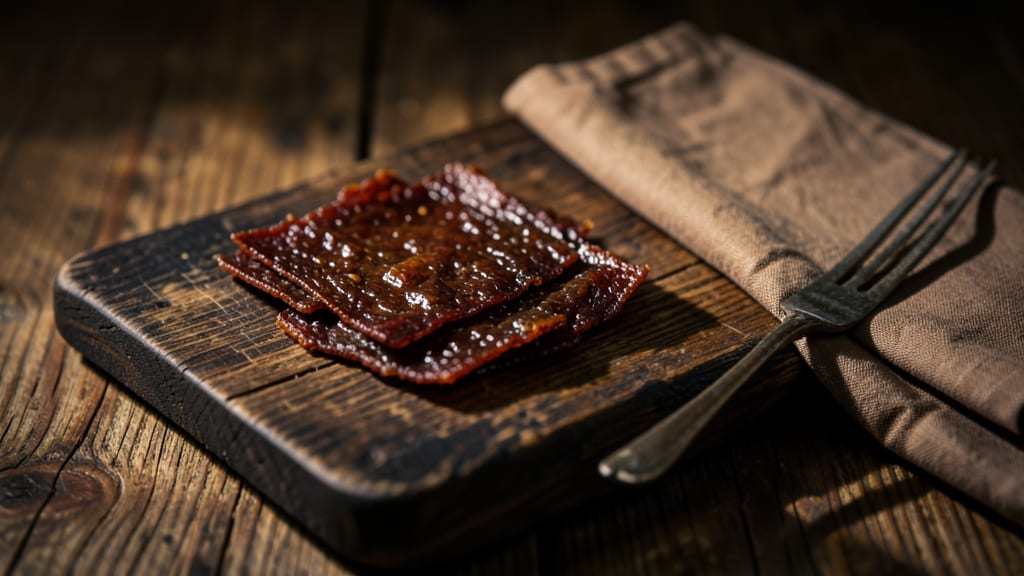
Transforming beef liver into smoky-spiced dehydrator jerky unlocks a protein-packed snack with restaurant-quality depth—all in just 6 hours. This method preserves the liver's rich, iron-boosting qualities while delivering chewy, flavorful bites that rival traditional beef jerky.
I perfected this after years of experimenting with offal, and the key lies in precise curing and dehydrating techniques that ensure safety and satisfaction.
The process begins with a 3-day curing using a salt-sugar cure, which draws out moisture and prevents spoilage while developing tender texture. After curing, the liver is coated in a blend of smoked paprika, garlic powder, and black pepper—a combination that enhances the natural umami without overpowering.
The dehydrator then does the heavy lifting, transforming the cured liver into a shelf-stable snack with intense, concentrated flavor and a satisfying chew.
By following these steps, you'll end up with jerky that's rich, smoky, and packed with protein, perfect for hiking trips, office snacks, or anytime you crave a meaty, no-fuss bite.
The dehydrator method ensures even drying and maximum flavor retention, making this a foolproof way to enjoy liver jerky without the guesswork. Safety is built into every step, so you can enjoy your snack with confidence.
This recipe scales easily for bulk prep, and the jerky keeps for weeks in an airtight container—ideal for meal planning or gifting. Whether you're a jerky enthusiast or new to offal cooking, this method delivers professional results with minimal effort.
Let's get started on creating your own batch of smoky-spiced liver jerky!
Ingredients for beef liver jerky dehydrator
Pantry staples meet offal magic—just a few ingredients transform beef liver into smoky, chewy jerky.
| Ingredient | Amount | Notes |
|---|---|---|
| Beef Liver 🥩 | 1 ½ lb | Fresh, trimmed of fat and connective tissue |
| Kosher Salt 🧂 | ½ cup | Non-iodized, fine grain preferred |
| Brown Sugar 🍯 | ¼ cup | Light or dark, packed |
| Ground Black Pepper 🌶️ | 1 tbsp | Freshly ground for best flavor |
| Smoked Paprika 🌶️ | 2 tbsp | High-quality, not cayenne |
| Garlic Powder 🧄 | 1 tbsp | Freshly ground preferred |
| Onion Powder 🧅 | 1 tbsp | Not onion salt |
| Cayenne Pepper 🔥 | ½ tsp | Adjust for heat preference |
| Worcestershire Sauce 🍶 | 1 tbsp | High-quality, not reduced |
| Lemon Juice 🍋 | 1 tbsp | Freshly squeezed |
| Apple Cider Vinegar 🍎 | 1 tbsp | Raw, unfiltered preferred |
| Water 💧 | 1 cup | Filtered or distilled |
The beef liver is the star here, so pick the freshest cut you can find. Look for bright red liver with no yellowing or off smells—most butchers will trim it for you, but if you're doing it yourself, remove any visible fat or connective tissue. Costco or local butchers often have it pre-cut, which saves time. For the curing process, Diamond Crystal kosher salt is ideal because it dissolves cleanly, but any non-iodized salt works. The brown sugar should be packed into the measuring cup—don't scoop it, or you'll get less. I always buy Domino brand for consistency, but any quality light or dark brown sugar will do.
No smoked paprika? Regular paprika plus a pinch of liquid smoke gets you close, but the flavor won't be quite the same. Running low on Worcestershire? Substitute with 1 tbsp soy sauce plus 1 tsp apple cider vinegar, though the umami won't be identical. For the spices, if you've got whole spices, toast them in a dry pan for 30 seconds before grinding—they'll have more depth. The lemon juice and vinegar are critical for tenderizing the liver during the curing process, so don't skip them. If you're making a big batch, double the cure ingredients proportionally to maintain the same ratio.
This jerky keeps for 2-3 weeks in an airtight container at room temperature, or 3-4 months in the freezer. Store it in parchment-lined jars or vacuum-sealed bags to prevent moisture. For best texture, let it sit at room temperature for 10-15 minutes before eating—it gets chewier as it cools. I always make a double batch because it disappears fast. The first few pieces might be a little tougher, but they soften as you chew. If you're gifting, wrap individual pieces in parchment before putting them in the jar.
Why You'll Love This Recipe
- No Fuss, Big Payoff: I’m talking five minutes of actual hands-on work—just slicing and massaging the liver with salt and pepper. The real magic happens while it marinates overnight, so you’re basically setting it and forgetting it. Honestly, the hardest part is resisting the urge to peek at it before the 12 hours are up.
- Smoky-Sweet Umami Bomb: That caramelized crust from the brown sugar? Chef’s kiss. The smoked paprika and Worcestershire sauce give it this deep, almost meaty richness that’s way more complex than store-bought. And the lemon juice and apple cider vinegar cut through any bitterness—trust me, it’s the perfect balance of savory, smoky, and just a little tangy.
- Trail Mix to Campfire Snack: Between us, this jerky is ridiculously versatile. Stash some in your gym bag for a protein boost, toss it in trail mix for a salty crunch, or serve it at tailgates—it’s the kind of snack that disappears fast. I’ve even seen my kids grab it over chips, and that’s saying something.
- Budget-Friendly Protein Hack: Beef liver is one of the most affordable cuts out there, and this recipe stretches it into way more servings than you’d get from a regular meal. Plus, with just 12 ingredients and no fancy equipment (just a dehydrator or even your oven), it’s a steal. Two weeks at room temp? That’s a pantry staple I didn’t know I needed.
Step-by-step instructions for beef liver jerky
Here's how to transform tender beef liver into chewy, smoky jerky using your dehydrator.
Prepare the Liver for Maximum Flavor
Begin by slicing the 1.5 lb beef liver into ¼-inch thick strips against the grain. This thickness ensures proper dehydration without turning rubbery. Place the strips in a large bowl and add the 0.5 cup kosher salt and 1 tbsp ground black pepper. Using your hands, massage the salt and pepper into every surface of the liver for 5 minutes—this breaks down proteins and enhances flavor penetration.
Next, combine the 0.25 cup brown sugar, 2 tbsp smoked paprika, 1 tbsp garlic powder, 1 tbsp onion powder, and 0.5 tsp cayenne pepper in a small bowl. Whisk until fully blended. Sprinkle this spice mixture evenly over the salted liver and toss gently to coat. The brown sugar will help caramelize during dehydration, creating that signature jerky crust.
Create the Marinade and Cure
In a separate bowl, whisk together the 1 tbsp Worcestershire sauce, 1 tbsp lemon juice, 1 tbsp apple cider vinegar, and 1 cup water. This marinade serves two purposes: it tenderizes the liver further and adds depth of flavor. Pour the marinade over the spiced liver and stir until every strip is fully submerged. Cover the bowl and refrigerate for 12-24 hours, turning the strips occasionally. This step is crucial—it ensures even curing and prevents bitterness.
After marinating, drain the liver strips and pat them dry with paper towels. Remove any excess moisture, as this helps the dehydration process. The strips should feel tacky but not wet. Arrange them on a clean kitchen towel in a single layer, ensuring they don't overlap. This prevents uneven drying and promotes consistent texture.
Arrange for Dehydration
Preheat your dehydrator to 160°F—this temperature is ideal for preserving texture while removing moisture. Line the dehydrator trays with parchment paper or silicone mats to prevent sticking. Arrange the liver strips in a single layer, leaving ¼-inch space between each piece. This spacing allows air to circulate freely, ensuring even drying.
Place the trays in the dehydrator and set the timer for 6 hours. Check the strips after 3 hours—they should begin to firm up and develop a slightly sticky surface. If any strips appear overly moist, rotate the trays to promote even airflow. The jerky is done when it reaches a leathery consistency and no longer feels damp when touched. It should bend slightly but not break.
Test for Doneness and Store Properly
Remove the jerky from the dehydrator and let it cool completely on a wire rack. To test for doneness, pierce a strip with a clean toothpick—it should come out clean with no moisture. If any strips feel slightly damp, return them to the dehydrator for an additional 30-60 minutes. Once fully dehydrated, the jerky should be chewy but not rubbery, with a deep, smoky aroma.
Store the finished jerky in an airtight container or vacuum-sealed bag in the refrigerator for up to 2 weeks or freeze for 3 months. The flavors will continue to develop over time, making it even more robust. Enjoy your homemade beef liver jerky as a protein-packed snack or trail mix addition—its rich, umami profile pairs beautifully with sweet or savory accompaniments.
Pro Tips For Making Beef Liver Jerky Dehydrator
- Trim the Fat: DESCRIPTION: I learned this the hard way—leaving even a little fat on those liver strips makes the jerky greasy and uneven. Use a sharp knife to scrape off every last bit of connective tissue and fat before slicing. Trust me, your dehydrator trays will thank you later.
- Massage Like You Mean It: DESCRIPTION: Those 5 minutes of rubbing the 0.5 cup kosher salt and 1 tbsp ground black pepper into the liver aren’t just for show. Dig in with your fingers—this step breaks down the proteins and lets the salt work its magic. Skip this, and your jerky will taste flat, no matter how long you dehydrate it.
- Space for Airflow: DESCRIPTION: Crowding the strips on the dehydrator trays is how you end up with soggy jerky. Leave that ¼-inch gap between each piece—yes, it means fewer strips per tray, but it guarantees even drying. I used to pack them tight, and half the batch would turn out gummy. Don’t repeat my mistake.
- Check at 3 Hours: DESCRIPTION: After the initial 3 hours at 160°F, the strips should start firming up but still feel slightly sticky. If any look glistening or damp, rotate the trays immediately. Ignoring this means some pieces will over-dry into leather while others stay chewy. A quick check now saves you from throwing out half the batch later.
Best sauces and condiments for these flavors
Sweet Heat Glaze
Brush the finished jerky with a mix of 2 tbsp honey and 1 tbsp hot sauce (like Cholula) after dehydration. Place strips on parchment-lined trays and broil for 2-3 minutes at 375°F until caramelized. This adds a sticky, smoky-sweet contrast that balances the liver's richness. 🍯
Spicy Mustard Dip
Serve with a quick dip made from ¼ cup Dijon mustard, 1 tbsp apple cider vinegar, and 1 tsp smoked paprika. Whisk until smooth and drizzle over jerky or use for dipping.
The tangy mustard cuts through the fat, while the paprika echoes the jerky's signature flavor. Store dip in an airtight container for up to 1 week.
Smoky Maple Syrup
Simmer ½ cup pure maple syrup with 1 tsp liquid smoke and ¼ tsp cayenne for 5 minutes until slightly thickened. Drizzle over cooled jerky or use as a glaze before dehydrating.
The maple adds natural sweetness while the smoke deepens the jerky's profile. Perfect for breakfast pairings with eggs or toast. 🍁
Garlic-Herb Oil
Infuse ½ cup olive oil with 3 minced garlic cloves, 1 tbsp fresh rosemary, and ½ tsp black pepper. Heat gently for 5 minutes, then strain.
Drizzle over jerky before serving to add herbal brightness. This oil also works as a marinade for meats or dipping sauce for veggies.
Creamy Blue Cheese
Pair with a quick blue cheese spread by blending ½ cup crumbled blue cheese, 2 tbsp sour cream, and 1 tbsp Worcestershire sauce. The funky tang complements the jerky's smokiness while adding creaminess.
Serve with crackers or sliced apples for a sophisticated snack. Store spread in an airtight container for up to 5 days.
Sweet Chili Sauce
Mix ¼ cup sweet chili sauce (like Mae Ploy) with 1 tsp sesame oil and a pinch of red pepper flakes. The sweet-spicy combo enhances the jerky's umami without overpowering it.
Drizzle lightly over jerky or serve on the side for dipping. This sauce pairs exceptionally well with trail mix or charcuterie boards. 🌶️
Nutrition facts
Frequently asked questions
Why do I need to cure the beef liver for 12-24 hours before dehydrating?
The curing step is crucial for two reasons: it tenderizes the liver by breaking down proteins through osmosis, and it removes excess moisture that could cause spoilage during dehydration. The 1 cup water marinade with Worcestershire sauce and apple cider vinegar also prevents bitterness that can develop in liver when dried too quickly. Skipping this step risks tough, rubbery jerky or uneven drying.
Can I use a different dehydrator temperature than 160°F?
While 160°F is ideal for preserving texture and preventing spoilage, you can use 145°F-155°F for a slightly longer drying time (8-10 hours) if you're concerned about overcooking. Never exceed 165°F—higher temps can turn the jerky tough and dry. Always check for doneness by testing for moisture with a toothpick.
What if my jerky turns out too tough or rubbery?
Rubbery jerky usually means it was over-dried or the liver wasn't properly tenderized. To fix it, try these adjustments: increase the curing time to 24 hours, ensure strips are ¼-inch thick (not thinner), and dehydrate at 145°F for 8 hours instead. The brown sugar in the spice mix also helps create a chewier texture when caramelized.
How do I adjust the spice level for sensitive eaters?
For milder heat, reduce the 0.5 tsp cayenne pepper to ¼ tsp or omit it entirely. If you want more smokiness without heat, add an extra 1 tbsp smoked paprika or ½ tsp liquid smoke to the marinade. The garlic powder and onion powder already provide plenty of flavor without spice.
Can I make this jerky without a dehydrator?
Yes! Use an oven set to 170°F with the door slightly ajar (about 2 inches) for airflow. Place strips on a wire rack over a baking sheet and bake for 6-8 hours, checking every 2 hours. For a smokier flavor, try a smoker at 165°F for 4-5 hours. The key is maintaining low heat and proper airflow.